
Tree Care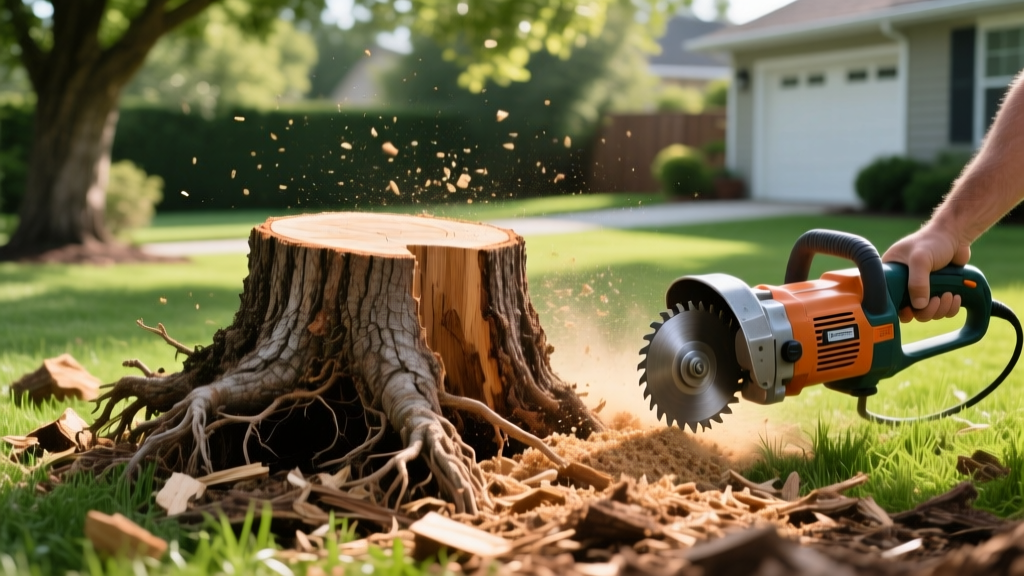
How to Rid Tree Stumps: Grinding, Chemicals, and Natural Decay
The Hidden Costs of Ignoring a Tree Stump
Leaving a freshly cut tree stump in your yard is rarely a benign decision. Beyond the obvious aesthetic disruption and the hazard it poses to lawnmower blades, a retained stump acts as a biological beacon for pests and pathogens. Species like oak, pine, and poplar are highly susceptible to Armillaria root rot, a fungal disease that will colonize the dead stump and eventually spread its rhizomorphs (shoestring-like fungal threads) to the root systems of your healthy, living trees. Furthermore, stumps from aggressive species like tree of heaven, poplar, and willow will continuously produce root suckers, draining energy and creating a perpetual maintenance nightmare.
When evaluating how to rid tree stumps effectively, homeowners must balance three variables: budget, timeline, and physical labor. Below is a comprehensive breakdown of the most reliable removal methodologies, ranging from immediate mechanical extraction to long-term chemical desiccation.
Stump Removal Decision Matrix
Before committing to a method, assess your specific stump profile. The diameter of the stump at ground level and the species of the tree will dictate the most efficient approach.
| Removal Method | Average Timeline | Estimated Cost (24-inch Stump) | Labor Intensity | Best Application |
|---|---|---|---|---|
| Mechanical Grinding | 1–2 Hours | $150–$250 (DIY Rental) / $250–$450 (Pro) | High | Immediate replanting, large stumps, high-traffic areas |
| Potassium Nitrate (Chemical) | 4–6 Weeks | $15–$30 | Medium | Softwoods, budget-conscious removal, no immediate replanting |
| Epsom Salt Desiccation | 8–12 Weeks | $10–$20 | Medium | Small stumps, environmentally sensitive areas near water tables |
| Manual Excavation | 4–8 Hours | $0 (Tools only) | Extreme | Stumps under 12 inches, shallow-rooted species |
Method 1: Mechanical Stump Grinding (The Fast Track)
For homeowners who need to re-sod or replant immediately, mechanical grinding is the only viable option. Stump grinders utilize a high-torque hydraulic wheel fitted with tungsten-carbide teeth to pulverize the wood and surface roots into mulch.
Execution and Specifications
- Equipment: Rent a walk-behind stump grinder (e.g., Vermeer SC252 or Toro SGX) from a local equipment supplier. Expect to pay between $150 and $250 for a full-day rental.
- Depth Target: Grind to a minimum depth of 8 to 12 inches below the soil grade. This ensures the complete destruction of the root flare and the primary lateral roots, preventing future suckering.
- Safety Protocols: The cutting wheel throws debris at high velocities. Always wear ANSI Z87.1-rated safety goggles, hearing protection, and steel-toed boots. Clear a 10-foot radius of rocks, wire, and fencing, as hidden debris can shatter the carbide teeth or cause severe kickback.
⚠️ Safety Warning: According to the Occupational Safety and Health Administration (OSHA), landscaping equipment like stump grinders presents severe amputation and struck-by hazards. Never bypass the safety harness or control bar, and always maintain a firm, two-handed grip while sweeping the wheel laterally across the stump face.
Method 2: Chemical Accelerants (Potassium Nitrate)
If time is not a constraint and you want to avoid the physical toll of grinding, chemical decay accelerants offer a highly effective alternative. Commercial stump removers rely almost exclusively on Potassium Nitrate (KNO3), typically in a 98% active ingredient concentration. Unlike herbicides that kill living tissue, KNO3 acts as a high-nitrogen food source for wood-decaying fungi, accelerating the natural rotting process by up to 400%.
Step-by-Step Chemical Application
- Preparation: Cut the stump as close to the ground as possible using a chainsaw. Freshly cut wood absorbs chemicals more readily than weathered, sealed wood.
- Drilling Pattern: Using a power drill and a 1-inch spade bit, bore holes into the top of the stump. Drill at a slight inward angle to create a reservoir. Space the holes 3 inches apart, and drill to a depth of 8 to 12 inches. Repeat this pattern around the outer perimeter (the cambium layer) where the wood's vascular system is most active.
- Application: Fill each hole to the brim with potassium nitrate granules (such as Spectracide Stump Remover). Pour warm water into the holes to dissolve the granules and carry the solution deep into the root system.
- Sealing: Cover the stump with a dark, heavy-duty tarp and weigh down the edges with bricks. The tarp retains moisture and heat, creating an ideal microclimate for fungal proliferation. Reapply the KNO3 and water mixture every two weeks.
Within 4 to 6 weeks, the wood will become spongy and structurally compromised, allowing you to break it apart easily with a mattock or splitting axe.
Method 3: Epsom Salt Desiccation (The Natural Alternative)
For properties situated near wells, ponds, or sensitive garden beds where introducing high-nitrogen salts could disrupt the local ecosystem, Epsom salt (magnesium sulfate) provides a safer, albeit slower, mechanism. Epsom salt works via osmotic pressure; it aggressively draws moisture out of the wood cells, effectively mummifying the stump and killing any remaining living cambium.
💡 Pro Tip: Never substitute Epsom salt with standard table salt (sodium chloride). Sodium is highly toxic to soil biology and will permanently sterilize the surrounding earth, making it impossible to grow grass or plants in that spot for years. Always verify the package reads 100% Magnesium Sulfate.
Follow the same drilling protocol as the chemical method, but pack the holes tightly with Epsom salt. Instead of adding water, seal the holes with melted candle wax to prevent the salt from washing out during rainstorms. This method typically requires 8 to 12 weeks to fully desiccate a 24-inch hardwood stump.
Crucial Final Step: Post-Removal Soil Remediation
The most frequently overlooked phase of stump removal is soil remediation. Whether you grind the stump or let it rot, you are left with a cavity filled with decomposing wood matter. As microorganisms break down this carbon-rich wood, they consume massive amounts of soil nitrogen to fuel their metabolism—a phenomenon known as 'nitrogen tie-up' or nitrogen immobilization.
If you attempt to plant grass or a new tree directly over a fresh stump grind without amending the soil, the new vegetation will suffer from severe chlorosis (yellowing) and stunted growth due to nitrogen starvation.
The Backfill Protocol
- Extract the Mulch: Scoop out at least 60% of the wood chips left behind by the grinder. While wood chips are great for surface mulch, they are detrimental when buried in the soil profile.
- Mix the Amendment: Create a backfill mixture consisting of 3 parts high-quality screened topsoil and 1 part nitrogen-rich compost or aged manure.
- Supplemental Fertilizer: Incorporate a slow-release, high-nitrogen granular fertilizer (such as a 32-0-10 NPK ratio) into the top 4 inches of the backfill to offset the carbon-to-nitrogen imbalance.
- Settle and Grade: Mound the soil 2 inches above the surrounding grade, as it will naturally settle over the first few months of watering.
For deeper insights into managing soil biology after tree removal, consult resources provided by university extensions, such as the University of Minnesota Extension's tree and shrub care guidelines, which emphasize the importance of soil structure restoration.
Frequently Asked Questions
Will burning a stump out with diesel or kerosene work?
While controlled burning is a traditional method, it is highly inefficient for green or recently cut stumps due to their high moisture content. Furthermore, pouring accelerants like diesel into a stump introduces severe groundwater contamination risks and violates EPA regulations regarding the off-label use of chemicals. Most municipalities strictly prohibit open burning of stumps in residential zones due to the risk of subsurface peat or root fires spreading to neighboring properties.
How long does it take for a stump to rot naturally without intervention?
Left entirely to nature, a softwood stump (like pine or spruce) may take 5 to 7 years to fully decompose. Dense hardwoods (like oak, hickory, or locust) can persist for 15 to 25 years. During this time, the stump will continuously harbor carpenter ants, termites, and fungal pathogens.
Can I use a chemical stump remover on a stump that is actively sprouting suckers?
Yes, but you must alter your approach. Instead of drilling into the top, cut the suckers and immediately paint the fresh, green cambium layer of the suckers and the main stump perimeter with a systemic herbicide containing Triclopyr or Glyphosate. This will translocate the chemical down into the root system to kill the active growth nodes before transitioning to a potassium nitrate decay protocol once the tree is fully dead.

