
Tree Care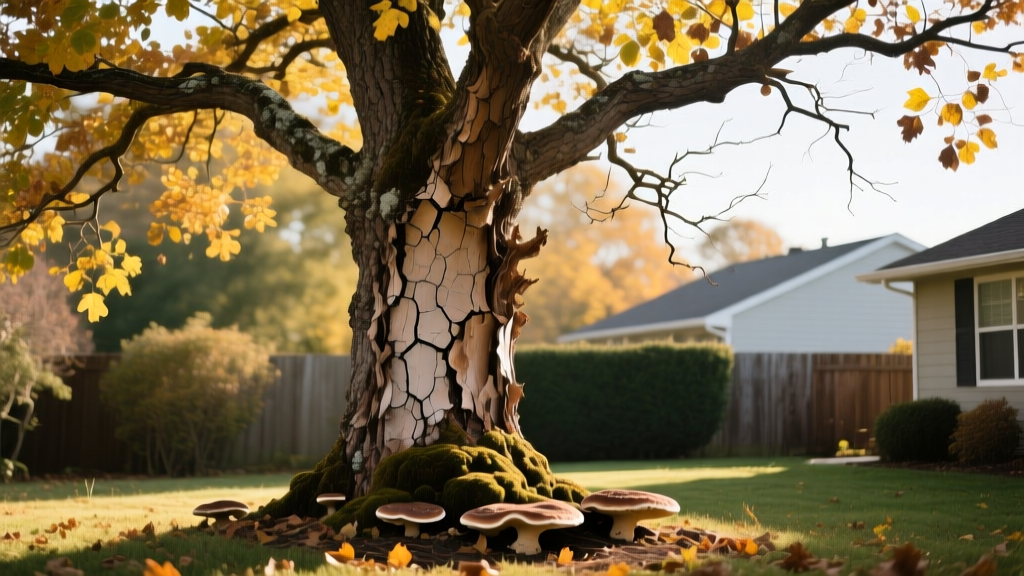
How to Tell If a Tree Is Dead: 5-Step Symptom Diagnosis Guide
The Dormancy vs. Death Dilemma
Homeowners frequently misdiagnose drought-stressed or winter-dormant trees as dead, leading to unnecessary removal bills averaging $1,800. Conversely, retaining a structurally compromised, necrotic tree poses severe liability and property damage risks. Determining the true vitality of your tree requires bypassing superficial leaf loss and examining the vascular system, root architecture, and cambium layer. This symptom diagnosis guide provides a definitive framework to distinguish between a dead tree, a declining tree, and one that is simply dormant.
The 5-Step Diagnostic Framework
To accurately assess tree vitality, you must conduct a systematic evaluation from the outer canopy down to the root collar. Relying on a single symptom, such as bare branches, is insufficient for a definitive diagnosis.
Step 1: The Twig Snap and Bend Test
Select 1/4-inch diameter twigs from multiple canopy zones (north, south, east, west). Live wood possesses high moisture content and will bend under pressure. Dead, desiccated wood will snap with a sharp, acoustic crack. If twigs on the outer canopy snap but inner branches bend, the tree is experiencing localized dieback, not total systemic failure. According to the University of Minnesota Extension, localized dieback is often caused by environmental stressors or minor pest damage rather than whole-tree mortality.
Step 2: The Cambium Scratch Test
This is the most definitive test for vascular vitality. Sterilize a hori-hori knife or pocket knife with 70% isopropyl alcohol to prevent cross-contamination of pathogens. Scratch a 2-inch patch of bark on the main trunk and primary scaffold branches to expose the phloem and cambium layers.
Pro Tip: Perform the scratch test on multiple sides of the trunk. A tree suffering from partial root girdling or localized root rot may show dead cambium on one side but vibrant, pale-green cambium on the opposite side.
Step 3: Terminal Bud Inspection
Examine the terminal buds at the tips of the branches. Plump, tightly scaled buds that resist gentle squeezing indicate a live tree preparing for the growing season. Shriveled, desiccated buds that crush easily into powder are a primary indicator of necrotic wood. Leaf buds are generally smaller and more pointed than flower buds; ensure you are evaluating the vegetative growth points.
Step 4: Root Collar and Pathogen Examination
Carefully excavate 2 to 3 inches of soil at the root flare (where the trunk meets the ground) using a hand trowel. A buried root collar often leads to fatal stem girdling roots. While exposed, inspect the bark for signs of invasive pathogens:
- Armillaria mellea (Honey Fungus): Look for white, fan-shaped mycelial mats under the bark that emit a distinct mushroom scent.
- Ganoderma (Shelf Fungi): Hard, bracket-like conks protruding from the lower trunk indicate advanced internal decay and structural failure.
- Phytophthora Root Rot: Characterized by dark, weeping cankers at the soil line and a foul, fermented odor.
Step 5: Canopy Dieback Mapping
Step back and evaluate the entire canopy. The Morton Arboretum recommends the 30% rule: if more than 30% of the canopy is dead or entirely devoid of foliage during the active growing season, the tree is in irreversible decline. At this threshold, the tree lacks the photosynthetic capacity to regenerate and should be scheduled for removal.
Diagnostic Decision Matrix
Use this comparison chart to cross-reference your field observations and reach a final diagnosis.
| Symptom Evaluated | Dead / Necrotic | Dormant / Stressed |
|---|---|---|
| Twig Flexibility | Snaps with sharp acoustic crack | Bends without breaking |
| Cambium Layer Color | Brown, dry, or black | Pale green, white, or moist yellow |
| Terminal Buds | Shriveled, hollow, easily crushed | Plump, tightly scaled, resilient |
| Bark Attachment | Sloughing off, loose, missing | Firmly attached, tight to the wood |
| Base / Root Flare | Fungal conks, mycelial fans, weeping | Solid wood, dry bark, natural flare |
Rescue Fixes for Stressed but Living Trees
If your diagnostic tests confirm the tree is alive but exhibiting severe stress (e.g., sparse canopy, delayed leaf-out, or localized dieback), implement these targeted rescue protocols immediately.
Deep Root Hydration Protocol
Surface sprinklers are ineffective for mature trees. You must deliver moisture directly to the absorptive roots located in the top 12 to 18 inches of soil. Apply 10 gallons of water per inch of trunk diameter (measured at 4.5 feet above ground) every 10 days during drought periods. Use a soaker hose arranged in concentric circles starting 2 feet from the trunk and extending to the drip line. For precise monitoring, insert a 24-inch stainless steel soil moisture probe to verify water penetration depth.
Vertical Mulching for Compacted Soils
Heavy clay or compacted urban soils suffocate roots by restricting oxygen exchange. To alleviate this without damaging the root system, perform vertical mulching. Using a 2-inch auger bit, drill holes 12 inches deep in a grid pattern across the tree's drip line, spacing them 18 inches apart. Fill the holes with a 50/50 mix of coarse pine bark and expanded shale. This technique permanently improves soil aeration and drainage.
⚠️ Hazard Warning: Never apply high-nitrogen synthetic fertilizers to a severely drought-stressed tree. Forcing a compromised root system to support rapid, chemically induced top growth will accelerate the tree's decline. Focus on hydration and soil biology first.
2026 Hazard Removal Cost Expectations
If your diagnosis confirms the tree is dead and poses a risk to structures or pedestrian zones, professional removal is mandatory. Based on current 2026 arboriculture industry rates, homeowners should budget for the following removal costs:
- Small Trees (Under 30 ft): $400 – $900
- Medium Trees (30 - 50 ft): $900 – $1,800
- Large Trees (50 - 80 ft): $1,500 – $3,500
- Crane Assistance (Required for tight access or heavy lean): Adds $1,200 – $2,500 to the base price.
- Stump Grinding (12 inches below grade): $3 to $5 per inch of stump diameter.
When to Consult an ISA-Certified Arborist
While the 5-step framework is highly effective, certain scenarios require advanced diagnostic equipment. If your tree exhibits sudden, unexplained canopy wilting, extensive trunk cavities, or is located near high-value targets (like your home's roof), hire an International Society of Arboriculture (ISA) Certified Arborist. Professionals utilize tools like sonic tomography (to map internal decay pockets without drilling) and resistograph drills to quantify structural integrity. You can verify an arborist's credentials and locate local experts via the USDA Forest Service Forest Health Protection network or the official ISA directory.
"A dead tree doesn't always fall immediately, but its structural predictability drops to zero. Once the cambium dies, the wood begins to desiccate and fracture. Waiting for a dead tree to fall is not a management strategy; it is a liability."

