
Tree Care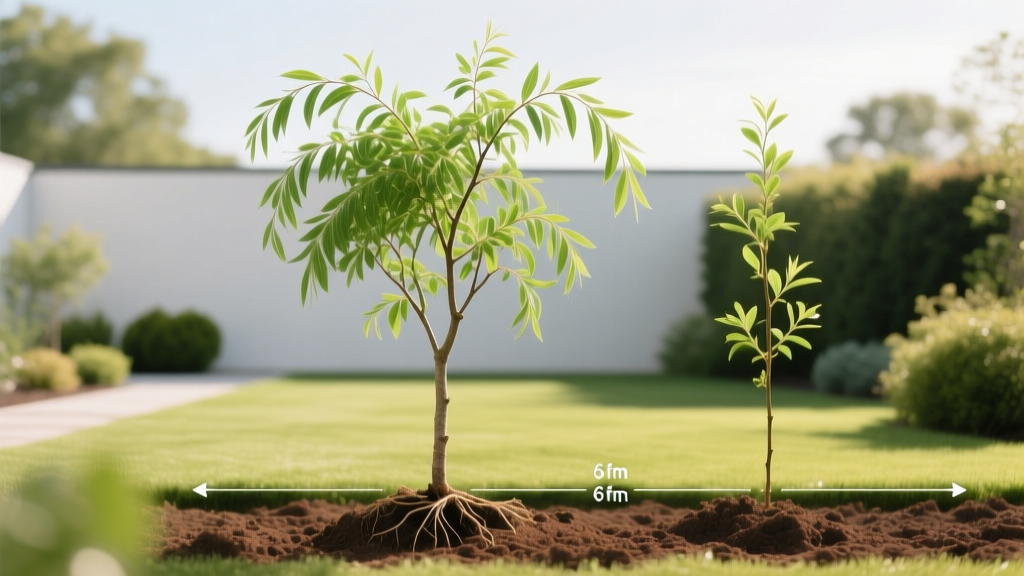
Hybrid Willow Planting: Spacing, Soil, and Fast Growth
The Appeal of Salix Hybrids for Rapid Landscaping
When homeowners need immediate screening, windbreaks, or erosion control, few species outperform the Salix matsudana x Salix alba cross. Commonly marketed as Austree or Golden Hybrid Willows, these vigorous cultivars can achieve vertical growth rates of 6 to 10 feet in a single growing season under optimal conditions. However, hybrid willow planting requires precise execution. Because these trees allocate massive energy to top-growth, their root systems demand specific soil structures and moisture levels to prevent early establishment failure. This guide details the exact agronomic and horticultural protocols required to successfully establish hybrid willows in residential and rural landscapes.
Site Assessment and Soil Preparation
Willows are riparian species by nature, meaning they thrive in moist, well-draining soils but will quickly succumb to root asphyxiation in heavily compacted, anaerobic clay. Before breaking ground, conduct a percolation test. Dig a 12-inch deep hole, fill it with water, and let it drain. If the water level drops less than 1 inch per hour, your site requires significant amendment or the selection of a different species.
Soil pH is equally critical. Hybrid willows perform best in slightly acidic to neutral soils, specifically between 5.5 and 7.5. In highly alkaline soils (pH above 7.8), willows frequently suffer from severe iron chlorosis because the high pH locks up micronutrients, rendering them unavailable to the root system. If your soil tests above 7.5, incorporate elemental sulfur at a rate of 1 to 2 pounds per 100 square feet six months prior to planting to gradually lower the pH.
⚠️ Critical Infrastructure Warning: Hybrid willow roots are notoriously aggressive and hydrotropic (water-seeking). Never plant within 50 feet of septic leach fields, underground sewer lines, or shallow water mains. The roots will infiltrate microscopic cracks in PVC and terracotta pipes, causing catastrophic blockages and structural damage.
Spacing Matrix: Privacy Screen vs. Windbreak
Determining the correct distance between trees is the most common point of failure in hybrid willow planting. Planting too closely leads to intense competition for water, resulting in interior dieback and increased susceptibility to fungal cankers. Planting too far apart delays the formation of a cohesive visual barrier. Use the matrix below to determine your layout based on your specific landscape objective.
| Application | Intra-Row Spacing | Row Configuration | Time to Full Density |
|---|---|---|---|
| Dense Privacy Screen | 5 to 6 feet | Single staggered row | 18 to 24 months |
| Agricultural Windbreak | 10 to 15 feet | Double row (offset) | 3 to 4 years |
| Biomass / Coppicing | 2 to 3 feet | Dense grid blocks | 12 months (to first cut) |
| Specimen Shade Tree | 25 to 30 feet | Standalone placement | 5 to 7 years (mature canopy) |
The Hybrid Willow Planting Step-by-Step Framework
Proper planting technique dictates the long-term structural integrity of the tree. According to planting standards outlined by the University of Minnesota Extension, avoiding deep planting is paramount for tree survival.
- Root Hydration: If using bare-root stock, submerge the roots in a bucket of water mixed with a liquid kelp extract (0.5 oz per gallon) for 12 to 24 hours before planting. For container-grown stock, water the pot thoroughly one hour before extraction.
- Hole Dimensions: Dig a hole that is exactly as deep as the root ball, but 2.5 times as wide. This wide, shallow profile encourages lateral root expansion rather than downward spiraling, which can girdle the trunk in heavy soils.
- Root Flare Identification: Locate the trunk flare (where the trunk widens at the base). The flare must sit 1 to 2 inches above the surrounding grade. Planting the flare below grade traps moisture against the bark, inviting Phytophthora collar rot.
- Backfilling: Use the native soil you just excavated. Do not amend the backfill with heavy compost or peat moss, as this creates a 'bathtub effect' where water pools in the loose amended soil and drowns the roots. Break up large clods and tamp lightly to remove massive air pockets, but do not heavily compact the soil.
Mycorrhizal Inoculation and Root Dips
Willows form symbiotic relationships with both arbuscular and ectomycorrhizal fungi. In disturbed or newly graded residential soils, these fungal networks are often absent. Applying a granular mycorrhizal inoculant containing Glomus intraradices and Pisolithus tinctorius directly to the root zone during backfilling can increase water uptake efficiency by up to 40% during the critical first summer. Apply at a rate of 1 tablespoon per inch of trunk caliper, ensuring direct contact with the root mass.
First-Year Establishment and Irrigation Protocols
Hybrid willows are thirsty trees. During the first 12 months, the root system is confined to the original planting hole and cannot access surrounding soil moisture. The Morton Arboretum recommends deep, infrequent watering to drive roots downward.
- Volume: Apply 10 to 15 gallons of water per week for every 1 inch of trunk caliper (measured 6 inches above the soil line).
- Delivery Method: Use a 2 GPH (gallons per hour) drip emitter coiled around the root ball. Run the system for 5 to 7 hours once a week. Avoid daily light sprinklings, which encourage shallow, drought-prone surface roots.
- Mulching: Apply a 3-inch layer of shredded hardwood bark in a 4-foot diameter ring around the tree. Keep the mulch exactly 3 inches away from the trunk flare to prevent rodent gnawing and bark decay.
Troubleshooting Common Establishment Failures
Symptom: Yellowing Leaves with Dark Green Veins
Cause: Iron chlorosis, typically triggered by high soil pH or waterlogged conditions locking up nutrients.
Fix: Apply a chelated iron drench (Fe-EDDHA formulation, which remains stable in high pH soils) at the base of the tree. Do not use foliar sprays, as they only provide temporary cosmetic relief and can burn willow foliage in high heat.
Symptom: Rapid Dieback of Upper Branches in Late Spring
Cause: Winter desiccation or Valsa canker. Willows transpire moisture through their bark even in winter. If the ground is frozen and the tree cannot replace lost water, the cambium layer dies.
Fix: Prune dead wood back to healthy, green cambium tissue using sterilized bypass pruners. To prevent future occurrences, ensure deep watering continues until the ground freezes solid in late autumn, and apply an anti-desiccant spray (like Wilt Pruf) to the branches in late November.
Frequently Asked Questions
What is the realistic lifespan of a hybrid willow?
While native weeping willows can live 70+ years, fast-growing hybrids like the Austree typically have a functional landscape lifespan of 25 to 40 years. They are best viewed as a medium-term solution for rapid screening while slower-growing, longer-lived hardwoods establish in the background.
Are hybrid willows deer resistant?
No. Deer heavily browse the tender, nutrient-dense new growth of Salix species, particularly in late winter when other forage is scarce. If planting in high-deer-pressure areas, install 5-foot tall wire mesh tree guards around the trunks for the first three years.

