Tree Care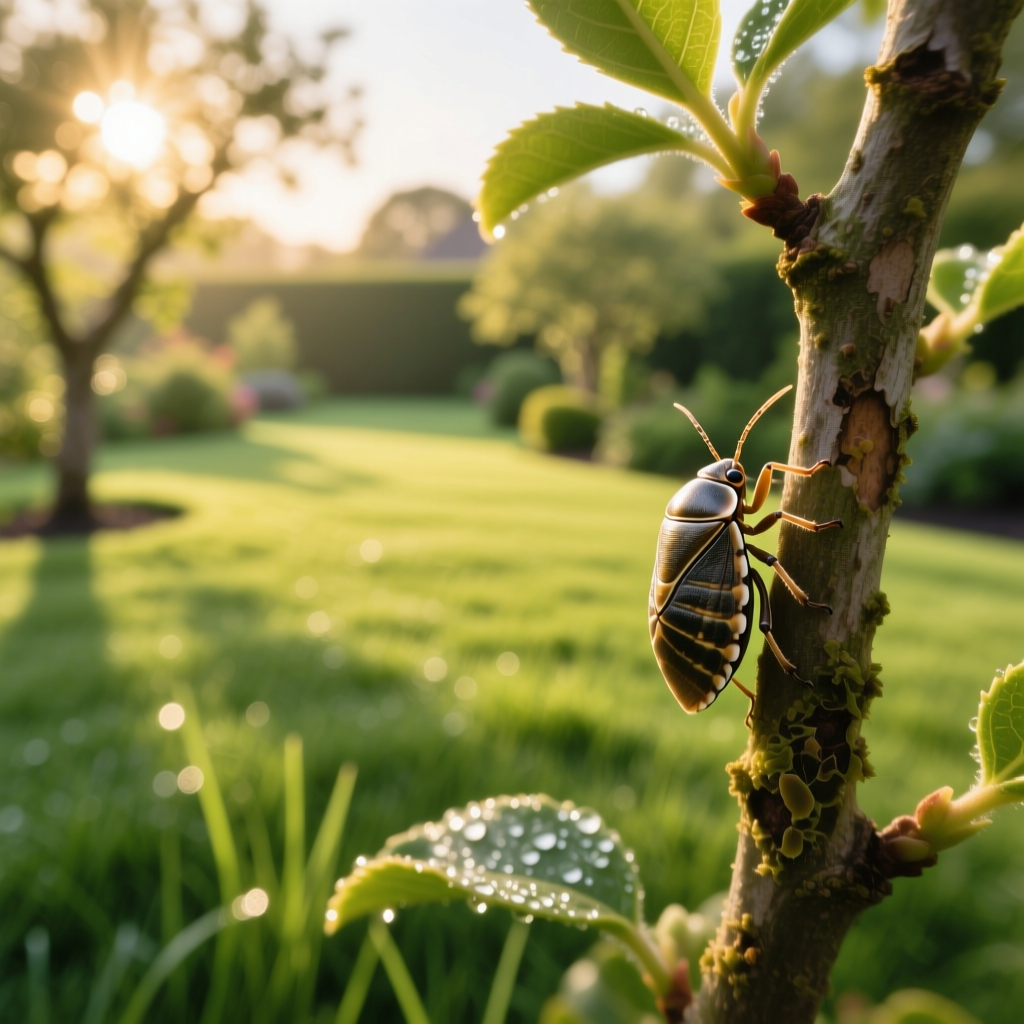
How to Identify & Control Scale Insects on Ornamental Trees
Lisa ThompsonPublished
How to Identify & Control Scale Insects on Ornamental Trees
Ornamental trees are the crown jewels of any landscape, providing shade, beauty, and structure to your yard. However, one of the most insidious threats to these prized specimens comes in a deceptively small package: scale insects. These tiny pests can wreak havoc on ornamental trees, weakening branches, stunting growth, and in severe cases, killing the tree entirely. Understanding how to identify and control scale insects is essential for any homeowner or gardener who wants to keep their ornamental trees healthy and thriving for years to come.
Scale insects are among the most common and destructive pests found on ornamental trees worldwide. They feed by inserting their needle-like mouthparts into plant tissue and sucking out sap, which deprives the tree of vital nutrients. Over time, a heavy infestation can lead to yellowing leaves, premature leaf drop, dieback of branches, and an overall decline in tree vigor. What makes scale insects particularly challenging is their ability to go unnoticed until populations have grown significantly. Their small size and unusual appearance — often resembling bumps, shells, or cottony masses on bark — means many gardeners mistake them for natural growths rather than harmful pests.
In this comprehensive guide, we will explore the biology of scale insects, teach you how to spot an infestation early, and provide proven strategies for controlling and preventing these pests on your ornamental trees. Whether you are dealing with an active infestation or simply want to protect your trees proactively, the information below will equip you with the knowledge you need. For broader guidance on keeping your entire landscape healthy, be sure to explore our tree care resources and lawn care guides.
Understanding Scale Insects: Types, Life Cycle & Behavior
Before you can effectively control scale insects, it is important to understand what they are and how they operate. Scale insects belong to the order Hemiptera and the superfamily Coccoidea. There are thousands of species worldwide, but the ones that commonly attack ornamental trees can be broadly divided into two categories: armored scales and soft scales.
Armored Scale Insects
Armored scales, also known as hard scales, produce a rigid, plate-like covering made of shed skins and secreted wax. This protective shell is not attached to their bodies, meaning you can flip the cover over to reveal the tiny insect beneath. Common armored scale species that attack ornamental trees include oyster shell scale, euonymus scale, pine needle scale, and San Jose scale. Armored scales tend to be smaller and flatter than their soft-scale counterparts and typically do not produce honeydew, the sticky sugary substance that attracts ants and promotes sooty mold growth.
Soft Scale Insects
Soft scales produce a thinner, waxy or cottony covering that is actually part of their body. These insects tend to be larger and more convex than armored scales. Notable soft scale species found on ornamental trees include magnolia scale, cottony maple scale, tuliptree scale, and lecanium scales. One defining characteristic of soft scales is their production of honeydew, which drips onto leaves, branches, and anything beneath the tree. This honeydew serves as a growth medium for sooty mold, a black fungal coating that can further impair the tree's ability to photosynthesize.
The Scale Insect Life Cycle
Understanding the life cycle of scale insects is critical for timing your control efforts effectively. Scale insects typically go through three main life stages: egg, crawler, and adult.
- Eggs: Female scale insects lay hundreds of eggs beneath their protective covering. Depending on the species, eggs may overwinter beneath the mother's body or be laid in spring and summer.
- Crawlers: Once hatched, the tiny nymphs — called crawlers — emerge from beneath the mother's scale cover. Crawlers are the only mobile stage of the insect's life. They are extremely small, often appearing as yellowish or reddish specks, and they wander across the bark searching for a suitable feeding site. This stage is the most vulnerable to control measures.
- Adults: After settling in a feeding location, crawlers insert their mouthparts into the plant and begin feeding. They molt and develop their protective scale covering. Adult females remain fixed in place for the rest of their lives, while adult males (in species where they exist) develop wings solely for the purpose of mating.
Most scale species produce one to three generations per year, depending on the climate and species. The crawler stage is your best window for intervention, as once the insects settle and form their protective covering, they become significantly harder to control. For more information on maintaining overall tree health to resist pests, visit our guide on preventing common tree diseases.
How to Identify Scale Insects on Ornamental Trees
Early detection is the cornerstone of effective scale insect management. Because these pests are small and often blend in with bark, regular inspection of your ornamental trees is essential. Here are the key signs and symptoms to watch for.
Visual Inspection of Bark & Branches
The most direct way to identify scale insects is by examining the bark, branches, and twigs of your ornamental trees closely. Look for the following:
- Small, raised bumps on bark that can be scraped off with a fingernail. These may be brown, white, gray, black, or tan depending on the species.
- Cottony or waxy masses on branches and twigs, particularly with soft scale species like cottony maple scale.
- Clusters of tiny, shell-like structures concentrated on younger branches and twigs.
- A crusty or encrusted appearance on heavily infested branches, where scale populations have built up over multiple seasons.
Use a hand lens or magnifying glass for a closer look. If you scrape a bump and find a tiny insect beneath, you are dealing with scale. If the bump is part of the bark and cannot be removed, it is likely a natural lenticel or bark feature.
Signs on Leaves & Surrounding Surfaces
Scale insects often reveal their presence through indirect symptoms:
- Honeydew: A sticky, shiny residue on leaves, branches, patio furniture, vehicles, or pavement beneath the tree. This is produced by soft scale species.
- Sooty mold: A black, powdery fungal growth that develops on surfaces coated with honeydew. While sooty mold does not directly infect the tree, it blocks sunlight and reduces photosynthesis.
- Yellowing leaves: Sap loss from scale feeding causes leaves to turn yellow, wilt, or appear stunted.
- Premature leaf drop: Heavily infested trees may shed leaves earlier than expected.
- Ant activity: Ants are attracted to honeydew and will often farm scale insects, protecting them from natural predators in exchange for the sweet secretion. A trail of ants on your tree trunk is a strong indicator of a soft scale infestation.
Tree Decline Symptoms
When scale infestations go untreated for multiple seasons, the cumulative damage becomes more apparent. Watch for:
- Dieback of branch tips and entire limbs
- Thinning canopy with reduced leaf density
- Cracking or splitting bark on heavily infested branches
- Overall reduced growth rate compared to previous seasons
- Increased susceptibility to secondary pests and diseases, such as borers and fungal infections
If you notice any combination of these symptoms, inspect your tree carefully for scale insects. A healthy landscape starts from the ground up — learn more about supporting tree health through proper soil testing and amendments to ensure your trees have the nutrients they need to resist pest pressure.
Proven Methods to Control Scale Insects on Ornamental Trees
Once you have confirmed a scale insect infestation, it is time to take action. The most effective approach combines cultural, biological, and chemical control strategies tailored to the severity of the infestation and the time of year.
Cultural Control Practices
Cultural controls focus on making the environment less favorable for scale insects and strengthening the tree's natural defenses.
- Maintain tree health: A vigorous, well-watered, and properly fertilized tree is better able to tolerate and recover from scale feeding. Follow a regular watering schedule, especially during dry periods, and mulch around the base to conserve moisture and regulate soil temperature.
- Avoid excessive nitrogen fertilization: High nitrogen levels promote lush, succulent growth that is more attractive to scale insects. Use balanced, slow-release fertilizers based on soil test results.
- Prune heavily infested branches: If scale populations are concentrated on specific branches, removing and destroying those branches can significantly reduce the overall population. Be sure to sanitize pruning tools between cuts to prevent spreading pests to healthy tissue. Learn more about proper techniques in our ornamental tree pruning guide.
- Improve air circulation: Dense, overcrowded canopies create humid conditions that favor pest development. Selective pruning to open the canopy improves air movement and sunlight penetration.
- Remove fallen debris: Rake up and dispose of fallen leaves and twigs beneath infested trees, as these can harbor overwintering eggs and crawlers.
Biological Control: Harnessing Natural Predators
Nature provides an impressive array of scale insect predators and parasites. Encouraging these beneficial organisms in your landscape can provide long-term, sustainable control.
- Lady beetles: Both adult lady beetles and their larvae are voracious consumers of scale insects. Species such as the twice-stabbed lady beetle and the steelblue lady beetle specialize in feeding on scales.
- Parasitic wasps: Tiny parasitoid wasps in the genera Aphytis and Encarsia lay their eggs inside scale insects. The developing wasp larvae consume the scale from the inside out. You can identify parasitized scales by a tiny, round exit hole in the scale covering.
- Lacewings: Green and brown lacewing larvae feed on scale crawlers and other soft-bodied pests.
- Predatory mites: Certain mite species prey on scale eggs and young crawlers.
To support these beneficial insects, avoid broad-spectrum insecticides that kill predators alongside pests. Plant a diverse range of flowering plants to provide nectar and pollen sources for adult beneficial insects. Creating a biodiverse landscape with proper organic lawn care practices helps establish a balanced ecosystem where natural pest control thrives.
Mechanical & Physical Control
For light infestations or smaller ornamental trees, physical removal methods can be surprisingly effective:
- Scrubbing: Use a soft-bristled brush or a cloth dipped in soapy water to physically scrub scale insects off bark. This is most practical for small trees and accessible branches.
- High-pressure water spray: A strong jet of water can dislodge crawlers from bark during their active period. This method works best when combined with other control strategies.
- Horticultural oil application: Dormant-rate horticultural oil applied in late winter or early spring smothers overwintering scale insects by coating their protective covers and blocking air exchange. This is one of the most effective and environmentally friendly treatments available. Apply when temperatures are between 40°F and 85°F and when no rain is expected for 24 hours.
Chemical Control Options
When cultural, biological, and mechanical methods are insufficient, targeted chemical treatments may be necessary. Always use pesticides as a last resort and follow label instructions carefully.
- Insecticidal soaps: These work by disrupting the cell membranes of soft-bodied insects, including scale crawlers. They must contact the insect directly and have no residual effect, making them safe for beneficial insects once dry. Apply during the crawler stage for best results.
- Horticultural oils (summer rate): Lighter-weight oils can be applied during the growing season to smother active scale populations. Summer-rate oils are safe for most ornamental trees when applied according to label directions, but avoid using on drought-stressed trees or during extreme heat.
- Systemic insecticides: Products containing imidacloprid or dinotefuran can be applied as soil drenches or trunk injections. These systemic products are absorbed by the tree's roots or vascular system and translocated to the feeding sites, where they kill scale insects as they feed. Systemic treatments are particularly useful for large trees where thorough spray coverage is impractical. Apply in spring before crawler emergence for optimal results.
- Insect growth regulators: Products containing pyriproxyfen or buprofezin disrupt the development of scale insects, preventing crawlers from maturing into reproducing adults. These tend to have lower toxicity to beneficial insects compared to broad-spectrum contact insecticides.
Regardless of the chemical approach you choose, timing is paramount. Monitor for crawler activity by wrapping double-sided tape around infested branches and checking weekly for tiny, yellowish specks stuck to the tape. When crawlers appear, that is your signal to apply contact treatments. For more guidance on maintaining a healthy landscape that resists pest outbreaks, check out our seasonal lawn maintenance guide.
Seasonal Care Tips for Preventing Scale Insect Infestations
Preventing scale insect infestations is far easier and more cost-effective than treating a full-blown outbreak. By following a seasonal care calendar, you can stay ahead of these pests and keep your ornamental trees in peak condition year-round.
Late Winter to Early Spring
- Apply dormant horticultural oil to the trunk and branches of susceptible trees before bud break. This smothers overwintering scale insects and eggs.
- Inspect trees during pruning for signs of scale activity. Remove and destroy heavily infested branches.
- Apply soil-applied systemic insecticides if recommended for your specific scale species and tree type. Early application allows the product to be taken up by roots before crawlers become active.
- Ensure trees receive adequate water as they break dormancy. Drought-stressed trees are more vulnerable to pest attacks.
Spring
- Begin monitoring for crawler activity using double-sided tape traps on branches.
- When crawlers are detected, apply insecticidal soap or summer-rate horticultural oil. Repeat applications may be necessary at 7- to 14-day intervals to catch newly hatched crawlers.
- Encourage beneficial insects by planting early-blooming companion plants such as alyssum, dill, and yarrow near your ornamental trees.
- Apply a layer of organic mulch around the base of trees to conserve moisture, moderate soil temperature, and improve soil biology. Keep mulch a few inches away from the trunk to prevent rot.
- Fertilize trees based on soil test results to promote steady, healthy growth without excessive succulence.
Summer
- Continue monitoring for scale activity, particularly on new growth where crawlers prefer to settle.
- Water trees deeply during dry periods to reduce stress. Deep, infrequent watering encourages strong root development.
- Watch for honeydew and sooty mold development on leaves and surfaces beneath the canopy. These are indicators of active soft scale populations.
- Manage ant populations that may be protecting scale insects from natural predators. Use ant baits or sticky barriers on tree trunks to disrupt ant trails.
- Avoid heavy pruning during summer heat, as this can stress the tree and stimulate vulnerable new growth.
Fall
- Perform a thorough inspection of all ornamental trees for scale insects before the onset of winter.
- Rake and remove fallen leaves and debris from beneath infested trees to eliminate potential overwintering sites.
- Ensure trees enter winter well-hydrated by providing deep watering in late fall before the ground freezes.
- Make note of which trees showed scale activity during the growing season so you can prioritize dormant oil treatments in late winter.
- Consider consulting a certified arborist for severe or recurring infestations. Professional treatment may include trunk injections or specialized spray equipment for large trees.
Consistent seasonal care not only prevents scale insects but also strengthens your trees against a wide range of other pests and diseases. Pair your tree care routine with a comprehensive lawn care program to ensure every element of your landscape is healthy and resilient.
Ornamental Trees Most Susceptible to Scale Insects
While scale insects can attack virtually any woody plant, certain ornamental tree species are particularly prone to infestations. Knowing which trees in your landscape are most at risk allows you to focus your monitoring and prevention efforts where they matter most.
- Magnolia: Magnolia scale (Neolecanium cornuparvum) is one of the largest soft scale species in North America and is a frequent pest of magnolia trees. Heavy infestations produce copious honeydew and can cause significant branch dieback.
- Maple: Cottony maple scale and cottony maple leaf scale commonly infest maple trees, producing conspicuous white, cottony egg masses on branches in early summer.
- Oak: Various lecanium scales and kermes scales attack oak species, particularly pin oak and willow oak.
- Euonymus: Euonymus scale (Unaspis euonymi) is a devastating armored scale that can kill euonymus shrubs and small trees if left untreated.
- Pine & Spruce: Pine needle scale and spruce bud scale are common on coniferous ornamentals, causing needles to yellow and drop.
- Dogwood: Calico scale and cottony maple scale frequently attack dogwood trees, particularly those under stress.
- Crape Myrtle: Crape myrtle bark scale, a relatively new pest in many regions, causes white, felt-like encrustations on the trunks and branches of crape myrtle trees.
- Fruit Trees (Cherry, Plum, Peach): San Jose scale and European fruit lecanium are common pests of ornamental fruit trees, affecting both aesthetics and fruit production.
If your landscape includes any of these species, make regular scale inspections a priority. Diversifying your tree selection with less susceptible species can also reduce overall pest pressure in your yard. For more tips on choosing and caring for ornamental trees, explore our ornamental tree planting guide.
Frequently Asked Questions About Scale Insects on Ornamental Trees
Will scale insects kill my ornamental tree?
Scale insects rarely kill a mature, healthy tree immediately, but chronic, untreated infestations can lead to a gradual decline that eventually proves fatal. Over several seasons, scale feeding depletes the tree's resources, weakens its immune system, and makes it vulnerable to secondary pests like borers and diseases like cankers and root rot. Young trees and recently transplanted specimens are at the greatest risk of dying from scale infestations because they have fewer energy reserves to draw upon. The key takeaway is that early detection and consistent treatment are essential to prevent long-term damage. Do not wait until the tree is in severe decline before taking action.
What is the best time of year to treat scale insects?
The best time to treat scale insects depends on the method you are using. Dormant horticultural oil is most effective when applied in late winter or very early spring, before buds open and new growth begins. This treatment targets overwintering adults and eggs. For contact treatments such as insecticidal soap and summer-rate horticultural oil, timing should coincide with the crawler stage, which typically occurs in late spring to early summer for most species. Systemic insecticides applied as soil drenches are best applied in early spring so the product has time to be absorbed by the roots and distributed throughout the tree before crawlers become active. Monitoring with sticky tape traps is the most reliable way to determine exactly when crawlers are present in your specific location and microclimate.
Can I get rid of scale insects naturally without chemicals?
Yes, it is possible to manage scale insects without synthetic chemicals, especially when infestations are caught early. Dormant and summer-rate horticultural oils, insecticidal soaps, and manual removal are all effective non-chemical approaches. Encouraging natural predators such as lady beetles, parasitic wasps, and lacewings provides ongoing biological control. Pruning out heavily infested branches reduces populations physically. Additionally, maintaining excellent tree health through proper watering, mulching, and balanced fertilization helps trees tolerate and recover from scale feeding. That said, for severe infestations on large trees, a targeted systemic treatment may be necessary to bring the population under control quickly enough to save the tree. Once populations are reduced, you can transition to natural and cultural methods for long-term maintenance.
How do I prevent scale insects from coming back?
Prevention requires a multi-pronged approach centered on vigilance and tree health. Inspect your ornamental trees regularly — at least once per month during the growing season — for early signs of scale activity. Apply dormant oil annually in late winter as a preventive measure on trees with a history of scale problems. Avoid over-fertilizing with nitrogen, which promotes the type of lush growth that attracts scale insects. Maintain proper spacing between trees and shrubs to ensure good air circulation. Keep trees well-watered during drought periods, as water stress makes them more susceptible to pest colonization. Control ants that tend and protect scale insects. Finally, quarantine and inspect any new trees or shrubs before introducing them to your landscape to prevent accidentally bringing scale insects into your yard. Pairing these practices with a solid annual lawn care calendar ensures your entire landscape remains healthy and resistant to pest outbreaks.
Do scale insects spread to other trees and plants?
Yes, scale insects can spread to nearby trees and plants, primarily through the crawler stage. Crawlers are tiny and lightweight enough to be carried by wind, rain, birds, and even on gardening tools and clothing. They can also crawl short distances across connected branches or along the ground to reach adjacent plants. Some scale species are host-specific, meaning they only attack certain tree species, while others are generalists that can infest a wide range of woody plants. To limit the spread of scale insects, treat infested trees promptly, sanitize pruning tools with a 10% bleach solution or rubbing alcohol between uses, and inspect nearby susceptible plants regularly. Creating buffer zones with non-susceptible plant species between high-risk trees can also slow the spread of crawlers across your landscape.
Scale insects are a formidable foe, but they are far from unbeatable. With consistent monitoring, timely intervention, and a commitment to overall tree and landscape health, you can protect your ornamental trees from these persistent pests. Remember that the healthiest defense against any pest is a thriving, well-maintained landscape. Explore our full collection of tree care articles and lawn care tips to build a resilient, beautiful outdoor space that stands strong against pests season after season.