Tree Care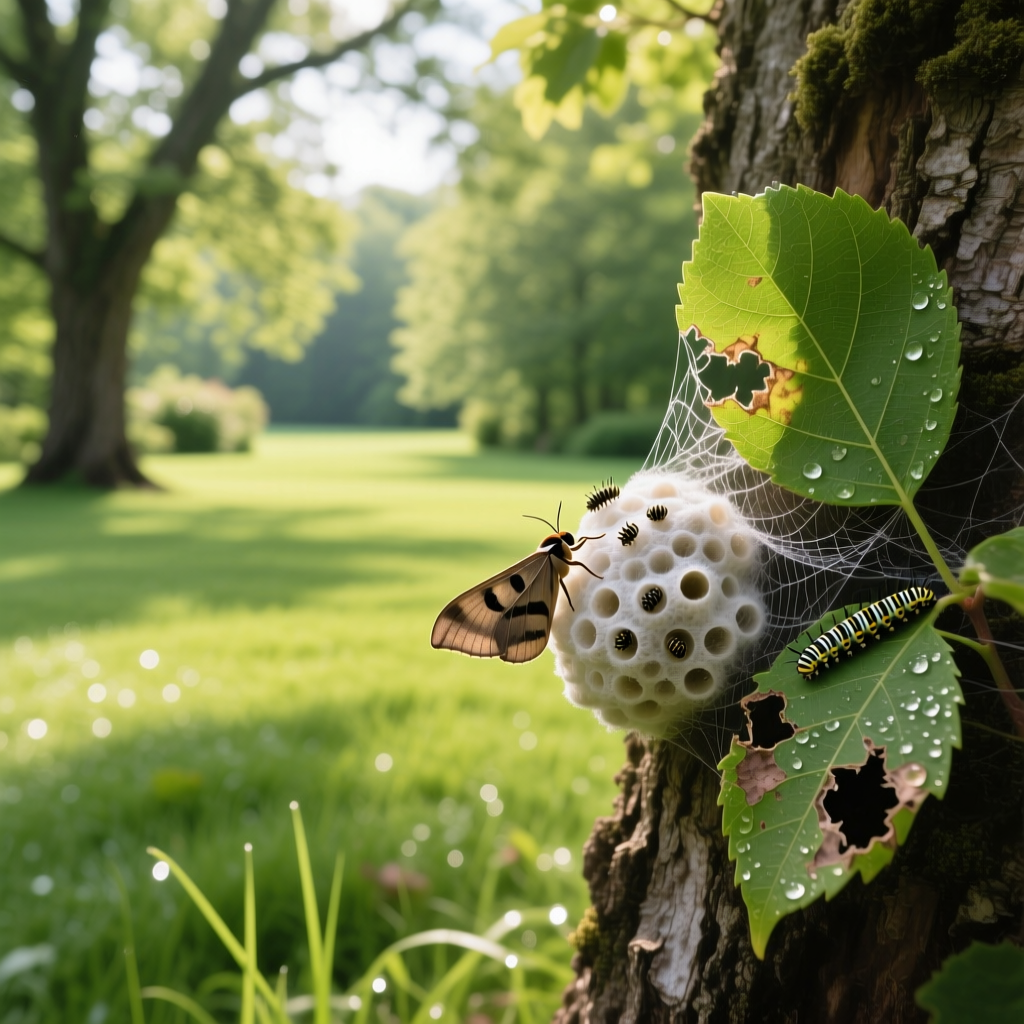
How to Identify & Control Spongy Moth Defoliation in Hardwood Trees
Anna KowalskiPublished
Hardwood trees are the backbone of many beautiful landscapes, providing essential shade, improving air quality, and increasing property value. However, these majestic giants face a severe threat from the spongy moth (Lymantria dispar), an invasive insect notorious for causing widespread defoliation. If left unchecked, a severe spongy moth outbreak can strip a mature oak or maple of its leaves in a matter of weeks, leaving the tree vulnerable to secondary diseases and environmental stress. In this comprehensive guide, we will explore how to identify, control, and manage spongy moth defoliation to protect your hardwood trees and the surrounding lawn and garden ecosystem.
Understanding the Spongy Moth & Its Impact on Hardwoods
The spongy moth, formerly known by a different common name that was updated to reflect the spongy texture of its egg masses, is one of the most destructive forest pests in North America. Native to Europe and Asia, this invasive species has slowly spread across the continent, devastating both urban forests and rural woodlands. The caterpillars are voracious eaters, consuming the foliage of over 300 species of trees and shrubs, with a distinct preference for hardwoods.
When a hardwood tree is defoliated, it loses its ability to photosynthesize and produce the carbohydrates necessary for growth, root development, and winter survival. A healthy tree can usually withstand a single year of defoliation by pushing out a second flush of leaves, known as Lammas growth, using stored energy reserves. However, this process is incredibly taxing. If defoliation occurs for two or more consecutive years, the tree's energy reserves are completely depleted. This severe stress makes the tree highly susceptible to secondary invaders, such as the two-lined chestnut borer or Armillaria root rot, which are often the actual cause of tree mortality.
Identifying Spongy Moth Life Stages & Signs of Defoliation
Effective control begins with proper identification. The spongy moth undergoes complete metamorphosis, meaning it passes through four distinct life stages: egg, caterpillar (larva), pupa, and adult moth. Understanding these stages is crucial for timing your intervention strategies.
The Four Life Stages
- Egg Masses: Laid in late summer, these masses are tan, buff-colored, and have a distinct spongy or felt-like texture. They are typically 1 to 1.5 inches long and can be found on tree trunks, branches, outdoor furniture, and even vehicles. A single mass can contain up to 1,000 eggs.
- Caterpillars: Hatching in early spring, the young caterpillars are small, dark, and hairy. As they mature, they develop a distinctive pattern of five pairs of blue dots and six pairs of red dots along their backs. They can grow up to 2.5 inches long before pupating.
- Pupae: In early summer, caterpillars spin a loose web and transform into dark brown pupae, usually hiding in bark crevices or under branches.
- Adult Moths: Emerging in mid-summer, the males are brown with feathery antennae and are strong fliers. The females are larger, white with dark zigzag patterns on their wings, and are entirely flightless. They emit pheromones to attract males for mating.
Visual Signs of Tree Damage
The most obvious sign of an infestation is the physical damage to the canopy. Early instar caterpillars skeletonize the leaves, eating the soft tissue and leaving the veins intact. As they grow, they consume the entire leaf. During a heavy outbreak, you may hear a sound like light rain; this is the frass (caterpillar droppings) falling from the canopy. This frass can stain patios, decks, and negatively impact the health of the lawn beneath the tree by altering soil chemistry and smothering grass blades.
Proven Control Methods to Stop Spongy Moth Infestations
Managing spongy moth populations requires an Integrated Pest Management (IPM) approach. Relying on a single method is rarely effective, especially during peak outbreak years. By combining mechanical, biological, and chemical controls, you can protect your high-value hardwoods and reduce the overall pest pressure on your property.
Mechanical & Cultural Controls
Egg Mass Scraping: During the fall and winter, inspect your trees and hardscapes for egg masses. Using a dull scraper or a credit card, scrape the masses into a bucket of soapy water or a sealable plastic bag. Do not simply knock them to the ground, as the eggs can still hatch in the spring. Destroying egg masses is one of the most effective ways to reduce next year's caterpillar population.
Tree Banding: In the spring, when caterpillars are actively feeding, you can create a barrier on the trunk. Wrap a band of burlap or specialized sticky tape around the trunk at chest height. Caterpillars climbing up the tree to feed will get trapped under the burlap or stick to the tape, allowing you to collect and destroy them daily. This method works best on younger trees with smoother bark.
Biological Controls
Bacillus thuringiensis var. kurstaki (Btk): Btk is a naturally occurring soil bacterium that is highly toxic to caterpillars but completely safe for humans, pets, birds, and beneficial insects like bees. It must be sprayed directly onto the foliage when the caterpillars are young and actively feeding (usually late spring). When the caterpillars eat the treated leaves, the bacteria disrupt their digestive system, causing them to stop feeding and die within a few days.
Natural Predators & Pathogens: Nature has its own control mechanisms. The Entomophaga maimaiga fungus is a naturally occurring pathogen that specifically targets spongy moth caterpillars, often causing populations to crash in wet, humid springs. Additionally, birds like cuckoos, woodpeckers, and nuthatches will feast on the caterpillars and pupae.
Chemical Controls
For high-value landscape trees or severe infestations, professional chemical intervention may be necessary. Trunk injections of systemic insecticides, such as emamectin benzoate, are highly effective. An arborist drills small holes into the base of the trunk and injects the chemical, which is then translocated throughout the tree's vascular system. This method minimizes environmental drift and protects non-target organisms while providing long-lasting control. Always consult a certified arborist before applying systemic chemicals, and ensure your surrounding lawn care practices are adjusted to accommodate any soil or root zone treatments.
Tree Care & Recovery: Helping Hardwoods Bounce Back
If your hardwood trees have suffered severe defoliation, immediate post-outbreak care is critical to their survival. The goal is to minimize environmental stress and help the tree rebuild its depleted carbohydrate reserves. A stressed tree cannot fight off secondary pests or diseases, making proactive tree care and maintenance absolutely essential.
Deep Watering: A defoliated tree has a compromised ability to draw up water, especially if it is pushing out a second flush of leaves in the heat of summer. Implement a strict deep watering schedule. Use a soaker hose or drip irrigation to water the root zone slowly and deeply once a week, ensuring the soil is moist to a depth of at least 12 inches. Avoid shallow, frequent sprinkling, which encourages weak surface roots.
Proper Mulching: Apply a 2 to 3-inch layer of organic mulch around the base of the tree, extending out to the drip line if possible. Keep the mulch a few inches away from the trunk to prevent rot and rodent damage. Mulch helps retain soil moisture, regulates soil temperature, and reduces competition from turfgrass. For more detailed techniques, review our guide on proper mulching basics.
Avoid High-Nitrogen Fertilizers: It might seem logical to fertilize a stressed tree, but applying high-nitrogen fertilizers immediately after defoliation can actually do more harm than good. Rapid, forced growth produces weak, succulent tissue that is highly attractive to secondary pests like borers and aphids. Instead, focus on soil health and consider a slow-release, organic soil amendment or compost tea to gently support root recovery.
Prudent Pruning: Resist the urge to heavily prune a defoliated tree. The tree needs every remaining leaf and twig to generate energy. Only remove dead, diseased, or structurally compromised branches. If you are unsure about the structural integrity of the canopy, hire a professional to perform a hazard assessment and follow safe pruning guidelines.
Seasonal Maintenance & Preventative Tree Care Tips
Consistent, year-round monitoring is the key to preventing spongy moth populations from reaching damaging thresholds. By integrating pest monitoring into your regular landscape maintenance routine, you can catch infestations early and protect both your trees and your lawn.
- Winter (Dormant Season): This is the time for egg mass scouting and scraping. Walk your property with a bucket of soapy water and a scraper. Inspect tree trunks, branches, firewood piles, and the undersides of outdoor furniture. Removing egg masses now prevents thousands of caterpillars from hatching in the spring.
- Spring (Early Growth): Monitor the hatching of eggs. You can place small pieces of burlap around tree trunks to catch young caterpillars. If populations are high, schedule Btk applications. Timing is critical; Btk must be applied when caterpillars are small (less than half an inch) and actively feeding on the newly emerged leaves.
- Summer (Peak Feeding & Pupation): Continue monitoring for defoliation and frass. Maintain tree banding and destroy trapped caterpillars daily. Ensure your trees are receiving adequate water during dry spells. Keep an eye on the lawn beneath the canopy; heavy frass accumulation can smother grass, so gently rake or use a leaf blower to clear the turf.
- Fall (Preparation for Dormancy): As the moths lay their eggs for the next generation, begin scouting again. Clean up fallen leaves and debris around the base of the tree to eliminate hiding spots for pupae and other overwintering pests. Conduct a soil test to determine if your tree needs specific micronutrients for the following spring.
Frequently Asked Questions
What trees do spongy moths prefer?
Spongy moths have a strong preference for oak species, including white, red, and black oaks. However, during severe outbreaks when preferred food sources are depleted, they will readily feed on a wide variety of other hardwoods, including maples, birches, elms, hickories, and willows. They generally avoid ash trees, tulip poplars, and most conifers, though they may eat them if absolutely no other food is available.
Will a hardwood tree die after being defoliated?
A single year of complete defoliation rarely kills a healthy, established hardwood tree. The tree will typically use its stored energy reserves to produce a second flush of leaves by mid-summer. However, if the tree is defoliated for two or more consecutive years, or if it is already stressed by drought, poor soil, or construction damage, the risk of mortality increases dramatically. Death usually occurs because the weakened tree is invaded by secondary pests or fungal diseases.
How can I protect my lawn and garden during a spongy moth outbreak?
During a heavy infestation, caterpillar frass (droppings) can rain down on your lawn, patios, and garden beds. While frass is essentially organic matter, a thick layer can stain hardscapes and temporarily smother grass blades by blocking sunlight. To protect your lawn, gently rake or blow the frass off the turf to allow the grass to breathe. Wash down patios and decks with a hose to prevent staining. Ensure your seasonal lawn maintenance includes proper mowing and aeration to keep the grass resilient against the added shade and debris from the stressed tree above.
When is the best time to treat trees for spongy moths?
The best time to treat depends on the method you are using. Mechanical removal of egg masses should be done in the late fall and winter. Biological controls like Btk must be applied in the spring, precisely when the caterpillars have hatched and are in their early instars (usually late May to early June, depending on your climate). Systemic trunk injections are typically performed by arborists in the spring or early summer before the tree experiences severe defoliation, allowing the chemical time to translocate through the canopy.
Can I use pheromone traps to control the population?
Pheromone traps are excellent monitoring tools, but they are not effective for population control. The traps use a synthetic version of the female moth's mating pheromone to attract and capture male moths. While this helps you track the presence and density of the adult moth flight, the traps do not catch the females (which are flightless) or the damaging caterpillars. Use traps to determine if an outbreak is imminent, and then rely on Btk, banding, or scraping for actual control.