
Tree Care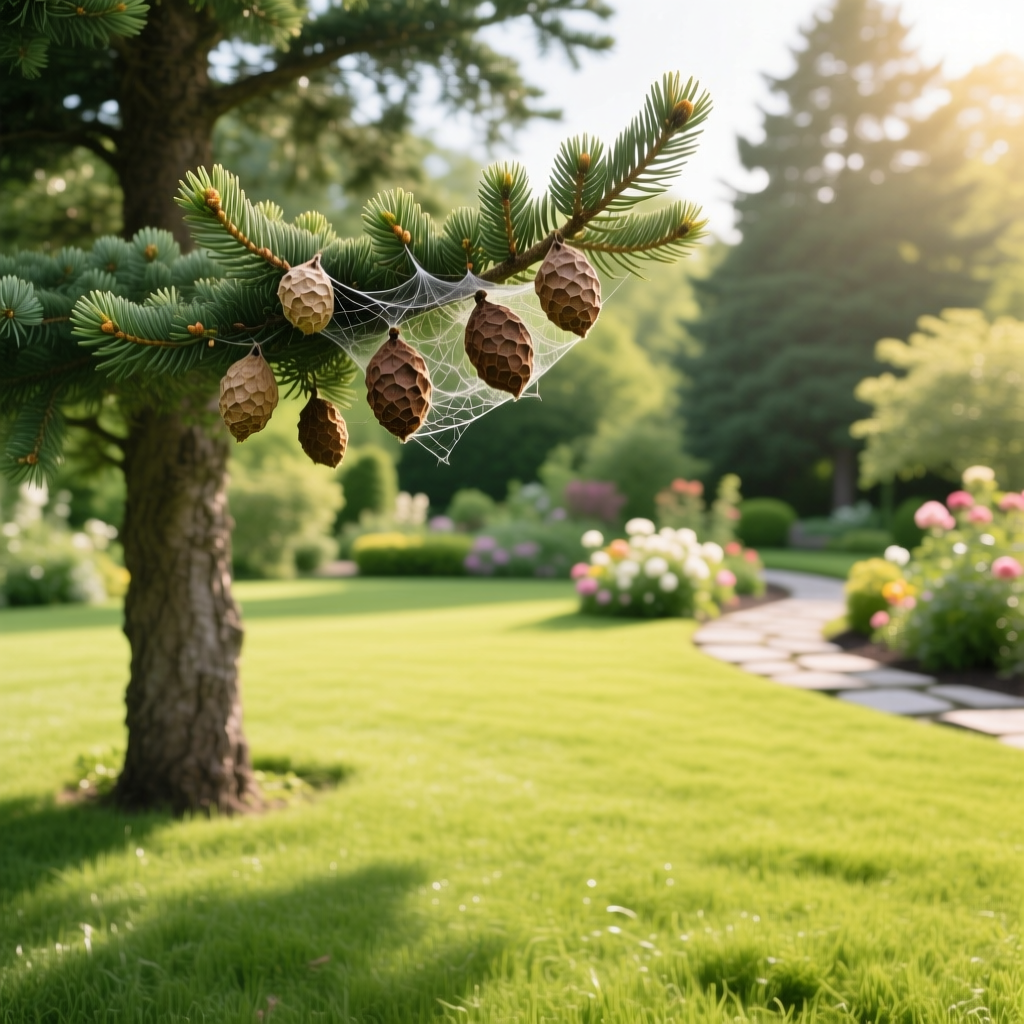
How to Identify & Manage Bagworm Infestations on Evergreen Trees
Emily WatsonPublished
How to Identify & Manage Bagworm Infestations on Evergreen Trees
Evergreen trees are the backbone of many landscapes, providing year-round color, privacy, and wind protection. However, these resilient trees face a persistent threat that can strip them bare in a single season: bagworms. These deceptively destructive pests are among the most common and damaging insects affecting evergreen trees across North America, and their infestations can escalate quickly if left unchecked.
Bagworms (Thyridopteryx ephemeraeformis) are the larval stage of a moth species that constructs protective cases — or "bags" — from silk and plant debris. While they may look like small pine cones or bits of dead foliage hanging from your trees, these bags house voracious caterpillars that feed relentlessly on evergreen needles and leaves. A severe infestation can defoliate entire branches, weaken trees, and ultimately lead to tree death if the problem is not addressed promptly.
Understanding how to identify bagworm infestations early, implement effective management strategies, and protect your evergreens year-round is essential for maintaining a healthy, vibrant landscape. Whether you are a homeowner with a few ornamental evergreens or managing a larger property, this comprehensive guide will walk you through everything you need to know about bagworm identification, prevention, and treatment. For more general guidance on keeping your landscape healthy, explore our tree care resources and lawn care guides.
Identifying Bagworm Infestations on Evergreen Trees
Early detection is the cornerstone of effective bagworm management. These pests are masters of camouflage, and their protective bags blend seamlessly with the foliage of evergreen trees. By the time noticeable damage appears, an infestation may already be well established. Learning to recognize the signs at every stage of the bagworm life cycle gives you the best chance of protecting your trees.
What Bagworms Look Like
Bagworms go through several life stages, and their appearance changes dramatically throughout their development:
- Egg stage: Eggs overwinter inside the bags of deceased females. Each bag can contain 500 to 1,000 tiny eggs that are nearly impossible to see without close inspection.
- Larval stage: Newly hatched larvae are tiny, dark-colored caterpillars measuring only about 1/8 inch long. They immediately begin constructing their own protective bags using silk and bits of plant material from their host tree. As they grow throughout the spring and summer, the bags enlarge and can reach 1.5 to 2 inches in length.
- Adult stage: Adult male bagworms are clear-winged moths with dark, furry bodies. They emerge from their bags to fly and seek mates. Adult females, however, never leave their bags. They are wingless, legless, and essentially remain inside their protective cases their entire lives, releasing pheromones to attract males.
The bags themselves are the most recognizable sign of infestation. They are spindle-shaped, constructed from silk interwoven with pieces of the host tree's needles or leaves, and they hang from branches much like small ornaments or pine cones. The camouflage is so effective that many homeowners mistake them for natural parts of the tree.
Signs of Damage on Evergreens
Bagworm feeding produces distinct damage patterns that can help you confirm an infestation:
- Browning and thinning foliage: The earliest visible damage appears as scattered browning of needles or leaves, particularly at the tops of trees and on the sun-exposed sides. As larvae feed, they consume the green tissue, leaving behind brown, dried-out patches.
- Skeletonized needles: In the early stages, young larvae may feed on only one surface of the needle, creating a skeletonized appearance where the needle's structure remains but the green tissue is gone.
- Complete defoliation of branches: Heavy infestations can strip entire branches bare. On evergreens, this damage is often permanent — unlike deciduous trees, many evergreen species cannot regrow needles on severely defoliated branches.
- Visible bags attached to branches: As bags grow larger, they become increasingly visible, especially during late summer and fall. They are typically attached to branch tips and smaller twigs with strong silk bands.
If you notice any of these signs, take action immediately. Bagworm populations can explode rapidly, and a small infestation one year can become a devastating problem the next. For help identifying other common tree health issues, visit our guide to common tree diseases.
Evergreen Species Most Susceptible to Bagworms
While bagworms can feed on over 120 tree species, they show a strong preference for certain evergreens. The most commonly affected species include:
- Arborvitae (Thuja species)
- Eastern red cedar (Juniperus virginiana)
- Junipers (Juniperus species)
- Spruce (Picea species)
- Pine (Pinus species)
- Hemlock (Tsuga species)
- Cypress (Cupressus species)
Arborvitae and junipers are particularly vulnerable and often suffer the most severe damage. If your landscape includes these species, regular monitoring throughout the growing season is essential. Consider reading our evergreen tree care guide for species-specific maintenance tips that can help keep your trees vigorous and more resistant to pest pressure.
Bagworm Life Cycle & Seasonal Management Timeline
Understanding the bagworm life cycle is critical because treatment timing directly affects your success rate. Each stage of development presents different challenges and opportunities for intervention.
Overwintering & Early Spring
Bagworms overwinter as eggs inside the bags of the previous season's females. These bags remain firmly attached to tree branches throughout the winter months. During this dormant period, the most effective management strategy is physical removal. Handpicking bags and destroying them eliminates hundreds of potential larvae per bag and is one of the most impactful things you can do before the new generation hatches.
Inspect your evergreen trees thoroughly during late winter and early spring. Use pruning shears to clip bags from branches, as they are attached with strong silk that resists simple pulling. Drop collected bags into a bucket of soapy water or seal them in a plastic bag for disposal. Do not simply drop them on the ground, as some eggs may still survive and hatch.
Late Spring & Early Summer: Hatching & Early Feeding
Eggs typically hatch in late spring to early summer, depending on your climate zone. The tiny larvae emerge and immediately begin feeding and constructing their own small bags. This is the most critical window for chemical or biological treatment because young larvae are far more susceptible to insecticides than mature ones.
During this period, monitor trees closely for the first signs of new feeding damage. You may need a hand lens to spot the tiny larvae and their minuscule bags, which initially measure only about 1/8 inch long. Early detection during this stage allows you to apply targeted treatments when they are most effective.
Mid to Late Summer: Growth & Heavy Feeding
As larvae mature through the summer, their bags grow larger, and their feeding becomes increasingly aggressive. By mid-summer, bagworms can consume significant amounts of foliage daily. Treatment during this stage becomes more challenging because the larger bags provide better protection against contact insecticides, and the larvae are more resilient.
If you discover a bagworm infestation during mid-summer, treatment is still worthwhile but may require multiple applications and more aggressive methods. Systemic insecticides may offer better results during this period, as they are taken up by the tree and ingested by feeding larvae.
Fall & Winter: Mating & Overwintering
In early fall, larvae reach maturity and begin their transformation. Males pupate inside their bags and eventually emerge as winged moths to mate with the sedentary females. After mating, females lay their eggs inside their bags and die. The bags, now containing hundreds of eggs, remain attached to the tree and the cycle begins again.
Fall and winter represent another excellent opportunity for physical removal. The bags are at their largest and most visible, and removing them before spring eliminates the next generation. This single practice, performed consistently each year, can dramatically reduce bagworm populations over time. For more on preparing your trees for winter, see our seasonal tree maintenance guide.
Treatment & Management Strategies for Bagworm Control
Effective bagworm management typically involves a combination of cultural, biological, and chemical approaches. The best strategy depends on the severity of the infestation, the size and number of affected trees, and the time of year.
Physical Removal (Handpicking)
For light to moderate infestations, physical removal is remarkably effective and environmentally friendly. This method involves manually removing bagworm bags from trees and destroying them. Here is how to do it properly:
- Wear gloves and use pruning shears or sharp scissors to clip bags from branches
- Inspect every part of the tree, paying special attention to the upper canopy and branch tips where bagworms tend to congregate
- Collect all bags in a sealed container or bag
- Destroy bags by soaking them in soapy water, burning them, or sealing them in plastic and disposing of them with household trash
- Repeat the process monthly during the growing season and again in winter
Physical removal is particularly valuable during fall and winter when eggs are contained within female bags. A single bag removed in winter can eliminate 500 to 1,000 potential larvae. This method is practical for smaller trees and accessible branches, though it becomes challenging for very tall specimens.
Biological Control with Bacillus thuringiensis (Bt)
Bacillus thuringiensis var. kurstaki (Bt) is a naturally occurring soil bacterium that produces proteins toxic to caterpillars when ingested. It is one of the safest and most effective biological controls for bagworms, particularly when applied to young larvae in late spring and early summer.
Key considerations for using Bt against bagworms include:
- Timing is critical: Bt must be ingested by actively feeding larvae, so apply it when young larvae are small and actively feeding — typically in late spring to early summer
- Thorough coverage: Spray all foliage surfaces, including the undersides of needles, where larvae are likely to feed
- Multiple applications: Bt breaks down quickly in sunlight and rain, so reapply every 7 to 10 days during the larval feeding period
- Safety profile: Bt is safe for humans, pets, birds, and most beneficial insects, making it an excellent choice for environmentally conscious homeowners
Chemical Insecticide Options
For severe infestations or situations where biological controls are insufficient, several chemical insecticides can effectively manage bagworms:
- Spinosad: A naturally derived insecticide that is effective against bagworms and relatively safe for beneficial insects once it dries. It works through both contact and ingestion.
- Permethrin and other pyrethroids: These broad-spectrum contact insecticides provide quick knockdown of bagworm populations. However, they can also harm beneficial insects and should be used judiciously.
- Carbaryl: An effective contact insecticide, though it carries greater environmental risks and should be considered a last resort.
- Systemic insecticides (e.g., dinotefuran, imidacloprid): Applied as soil drenches or trunk injections, these products are absorbed by the tree and kill feeding larvae from the inside. They offer longer-lasting control but must be applied well in advance of peak feeding periods.
When using any chemical insecticide, always read and follow the product label instructions carefully. Apply treatments during calm weather to minimize drift, and avoid spraying during bloom periods to protect pollinators. If you are unsure about product selection or application methods, consult a licensed arborist or your local extension service.
Integrated Pest Management (IPM) Approach
The most sustainable and effective long-term strategy combines multiple tactics into an integrated pest management plan:
- Monitor regularly: Inspect evergreen trees monthly during the growing season and at least once during winter
- Remove bags manually: Handpick bags whenever you find them, with emphasis on winter removal
- Apply Bt in spring: Treat young larvae with Bt as soon as they hatch and begin feeding
- Use chemical controls selectively: Reserve harsher insecticides for severe infestations that biological methods cannot control
- Maintain tree health: Vigorous trees are better able to withstand and recover from pest damage. Proper watering, mulching, and fertilization support tree resilience
Healthy, well-maintained trees are inherently more resistant to pest damage. Learn more about building strong, resilient trees in our tree watering guide and our mulching best practices.
Preventing Future Bagworm Infestations
While eliminating bagworms entirely from your landscape may not be realistic, you can significantly reduce the likelihood of damaging infestations by adopting proactive prevention strategies.
Strategic Plant Selection & Placement
Diversifying your landscape with a mix of tree species reduces the risk that a single pest will devastate your entire yard. While bagworms prefer certain evergreens, planting a variety of species — including those less susceptible to bagworm feeding — creates natural buffers that slow the spread of infestations. Consider incorporating broadleaf evergreens, deciduous trees, and pest-resistant cultivars alongside your more vulnerable conifers.
Proper spacing between trees also matters. When trees are planted too closely together, bagworms can move more easily from one host to the next. Adequate spacing improves air circulation, which supports overall tree health and makes monitoring easier. For guidance on selecting the right trees for your landscape, check our tree selection guide.
Encouraging Natural Predators
Several natural predators and parasites help keep bagworm populations in check:
- Parasitic wasps: Several species of ichneumonid and braconid wasps parasitize bagworm larvae. These tiny, non-stinging wasps are valuable allies in biological control.
- Birds: Many bird species, including chickadees, nuthatches, and sparrows, feed on bagworm larvae. Attracting birds to your yard with feeders, birdhouses, and native plantings can provide natural pest suppression.
- Predatory insects: Ground beetles, spiders, and other generalist predators consume bagworm larvae that are exposed during early development stages.
Avoid broad-spectrum insecticides that kill these beneficial organisms alongside the pests. By preserving natural predator populations, you create a more balanced ecosystem that naturally suppresses bagworm numbers.
Routine Monitoring & Maintenance
Consistent monitoring is perhaps the single most effective prevention practice. Establish a routine of inspecting your evergreen trees at key times throughout the year:
- Late winter: Check for overwintering bags and remove them before eggs hatch
- Late spring: Look for signs of newly hatched larvae and early feeding damage
- Mid-summer: Assess bag growth and feeding damage to determine if treatment is needed
- Fall: Identify mature bags and plan for winter removal
Pair your monitoring routine with sound tree care practices. Proper pruning, adequate irrigation during dry periods, and appropriate fertilization keep trees vigorous and better equipped to tolerate minor pest pressure. Our guide to pruning evergreen trees offers detailed techniques for maintaining tree health without creating stress that attracts pests.
Repairing Damage & Helping Evergreens Recover
After successfully managing a bagworm infestation, the focus shifts to helping your trees recover. The extent of recovery depends on the severity of the damage and the species of evergreen affected.
Assessing the Extent of Damage
Not all damage is equally concerning. Evaluate your trees by examining the following:
- Partial vs. complete defoliation: Branches that have lost some needles but retain green growth at the tips can often recover. Branches that are completely bare with no remaining green tissue may be permanently damaged, especially on species like arborvitae and juniper that do not produce new growth from old wood.
- Overall tree vigor: Trees that were healthy before the infestation have a better chance of recovery than those already stressed by drought, disease, or poor soil conditions.
- Root system health: A strong root system supports recovery. Ensure the root zone is not compacted, waterlogged, or excessively dry.
Post-Infestation Care
Support recovery with the following care practices:
- Deep watering: Provide consistent, deep irrigation during the growing season, particularly during dry periods. Stressed trees need adequate moisture to produce new growth.
- Balanced fertilization: A slow-release, balanced fertilizer applied in early spring can encourage new growth. Avoid over-fertilizing, as excessive nitrogen can promote soft, succulent growth that attracts pests.
- Mulching: Apply a 2- to 3-inch layer of organic mulch around the base of the tree, keeping it a few inches away from the trunk. Mulch conserves moisture, moderates soil temperature, and reduces competition from weeds and grass.
- Avoid heavy pruning of damaged areas: On species that cannot regenerate from old wood, pruning bare branches will not stimulate new growth. Instead, focus on removing only truly dead wood and allow the tree to fill in naturally over time.
Recovery from significant bagworm damage is a gradual process that may take several growing seasons. Patience and consistent care are essential. If a tree has been severely defoliated and shows no signs of recovery after a full growing season, replacement may be the most practical option. For help selecting and planting replacement trees, visit our tree planting guide.
Frequently Asked Questions About Bagworms
Will bagworms kill my evergreen tree?
Yes, severe or repeated bagworm infestations can kill evergreen trees. Unlike deciduous trees, many evergreen species cannot regenerate foliage on branches that have been completely defoliated. When a tree loses a significant portion of its photosynthetic capacity, it becomes weakened, more susceptible to secondary pests and diseases, and eventually may die. Arborvitae and junipers are particularly at risk. However, early detection and prompt treatment can prevent fatal damage in most cases. The key is to address infestations before they reach critical levels.
What is the best time of year to treat bagworms?
The most effective time to treat bagworms is in late spring to early summer, shortly after eggs hatch and while larvae are still small. Young larvae are far more susceptible to both biological controls like Bt and chemical insecticides. Once larvae mature and their bags reach full size in late summer, they become much harder to kill with sprays. Winter is the second-best time for management, as physically removing overwintering bags eliminates the next generation before it hatches. Combining winter removal with spring treatment provides the most comprehensive control.
Can I prevent bagworms from returning each year?
While it is difficult to completely prevent bagworms from returning — since adult males can fly and new infestations can arrive from neighboring properties — you can dramatically reduce their impact through consistent management. Annual winter bag removal, spring monitoring and treatment, and maintaining overall tree health form a three-part strategy that keeps populations low. Encouraging natural predators by avoiding broad-spectrum insecticides and creating bird-friendly habitat also contributes to long-term suppression. Over time, diligent management can reduce bagworm pressure to levels that cause minimal visible damage.
Are bagworms harmful to humans or pets?
No, bagworms are not harmful to humans or pets. They do not bite, sting, or transmit diseases. The larvae are caterpillars that feed exclusively on plant material, and the adult moths are harmless. However, some people may experience mild skin irritation from handling the silk and plant debris in bagworm bags, so wearing gloves during manual removal is recommended. The primary concern with bagworms is the damage they cause to landscape trees, not any direct threat to people or animals.
Should I hire a professional to treat a bagworm infestation?
Whether you need professional help depends on the scale of the problem. For a few small trees with accessible branches, handpicking and homeowner-applied treatments like Bt or spinosad are usually sufficient. However, professional intervention is advisable if you have large, tall trees where the upper canopy is infested and unreachable with standard spray equipment, if the infestation is severe and widespread across multiple trees, or if repeated DIY efforts have failed to bring the population under control. Certified arborists have access to professional-grade equipment and products, including trunk injection systems and high-pressure spray rigs, that can deliver more thorough coverage and longer-lasting results. For more on when to seek professional tree care, see our guide to hiring an arborist.
Protecting Your Evergreens for the Long Term
Bagworms are a persistent threat to evergreen trees, but they are a manageable one. By learning to identify infestations early, understanding the bagworm life cycle, and implementing a combination of physical, biological, and chemical control strategies, you can protect your trees from significant damage. The most successful homeowners are those who make bagworm monitoring a routine part of their landscape maintenance rather than waiting until visible damage appears.
Remember that healthy trees are your first line of defense. Consistent watering, proper mulching, thoughtful pruning, and appropriate fertilization create vigorous trees that can better withstand pest pressure and recover more quickly from any damage that does occur. Pair sound tree care practices with vigilant monitoring, and your evergreens will continue to provide beauty, privacy, and structure to your landscape for years to come.
For more expert guidance on maintaining a healthy, thriving landscape, explore our complete library of tree care articles and lawn care tips. Whether you are dealing with pests, diseases, or routine maintenance, Lawnsguide has the resources you need to keep your outdoor spaces looking their best.

