Tree Care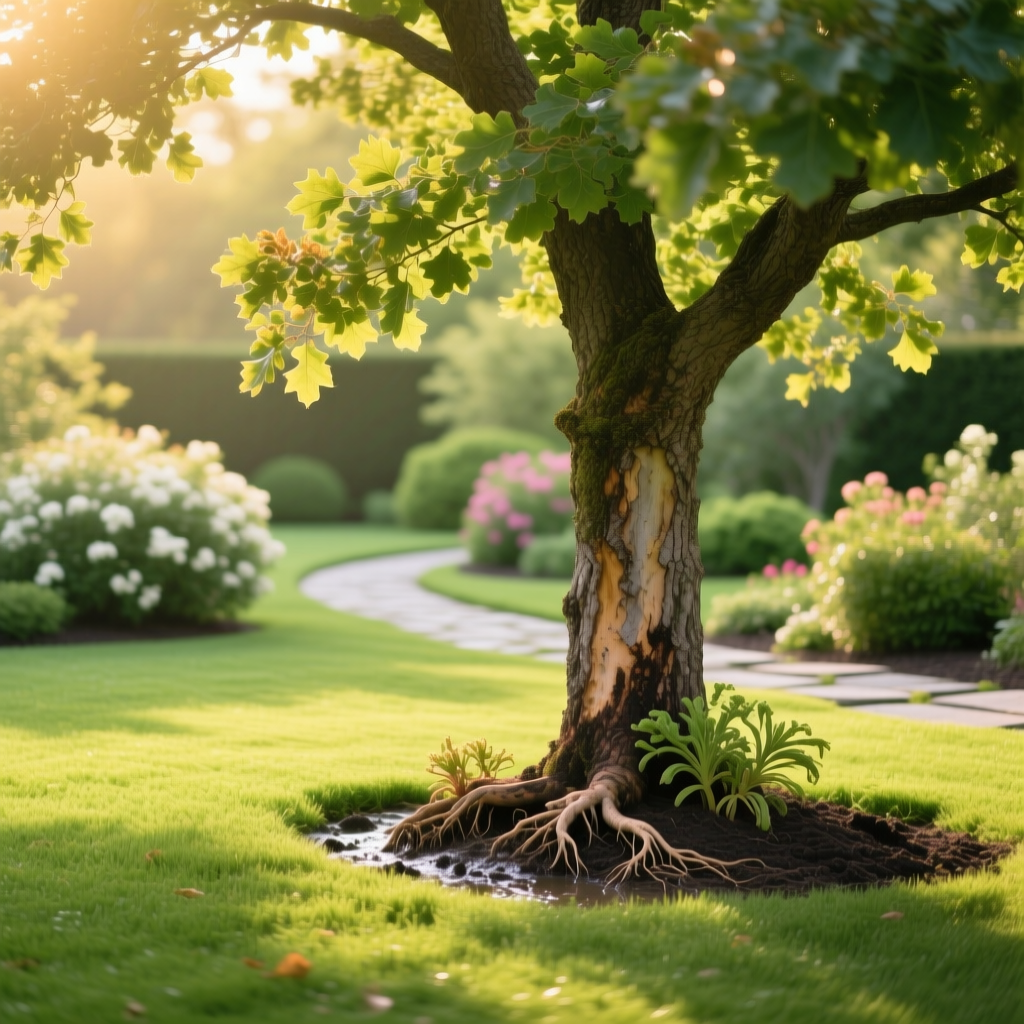
How to Identify & Manage Phytophthora Root Rot in Landscape Trees
Sarah ChenPublished
Landscape trees are the crown jewels of any property, providing essential shade, improving air quality, & significantly boosting curb appeal. However, beneath the soil surface, a silent & devastating threat may be lurking. Phytophthora root rot is one of the most destructive diseases affecting landscape trees, shrubs, & even surrounding turfgrass. Often misdiagnosed as drought stress or general decline, this aggressive pathogen can kill mature trees if left unchecked. Understanding how to identify, prevent, & manage Phytophthora root rot is essential for any homeowner or landscape professional dedicated to long-term plant health.
Unlike typical fungal infections, Phytophthora is technically an oomycete, commonly referred to as a water mold. It thrives in wet, poorly drained soils & spreads rapidly through water movement. Because the symptoms often mimic other environmental stresses, early detection requires a keen eye & a solid understanding of tree biology. In this comprehensive guide, we will explore the causes of Phytophthora root rot, detail the above-ground & below-ground symptoms, & provide actionable management strategies to save your trees. For more general advice on maintaining a healthy landscape, explore our complete tree care guide & lawn care basics.
Understanding Phytophthora Root Rot & Its Causes
To effectively manage Phytophthora root rot, it is crucial to understand the biology of the pathogen. The genus Phytophthora includes dozens of species, such as Phytophthora cinnamomi & Phytophthora ramorum, which attack a wide variety of woody ornamentals, fruit trees, & conifers. Because oomycetes are more closely related to algae than to true fungi, they require specific environmental conditions to thrive, reproduce, & infect host plants.
The Role of Water in Disease Spread
The name Phytophthora translates to 'plant destroyer,' & water is its primary vehicle. In saturated soils, the pathogen produces microscopic, motile spores called zoospores. These zoospores possess flagella, allowing them to literally swim through films of water in the soil to locate susceptible tree roots. Once they find a host, they encyst, germinate, & penetrate the root tissue. This is why Phytophthora root rot is overwhelmingly associated with poor drainage, overwatering, heavy clay soils, & areas prone to flooding.
Environmental & Cultural Triggers
While the pathogen must be present for infection to occur, environmental stress is what allows it to overwhelm the tree's natural defenses. Common triggers include:
- Compacted Soil: Heavy foot traffic or construction equipment compresses soil particles, eliminating the pore space necessary for drainage & oxygen exchange.
- Improper Planting Depth: Trees planted too deeply, or those suffering from 'volcano mulching,' retain excess moisture against the root collar & trunk base, creating a perfect entry point for the pathogen.
- Over-Irrigation: Automated sprinkler systems designed for watering lawns often deliver too much frequent, shallow water to the base of landscape trees, keeping the root zone perpetually soggy.
- Contaminated Tools & Soil: The pathogen can be introduced to a healthy landscape via infected nursery stock, contaminated shovels, or runoff from neighboring properties.
How to Identify Phytophthora Root Rot in Trees
Identifying Phytophthora root rot can be challenging because the above-ground symptoms are generic & mimic a variety of other abiotic stresses, such as drought, nutrient deficiency, or winter injury. A definitive diagnosis usually requires examining both the canopy & the root system.
Above-Ground Symptoms
The canopy of an infected tree will gradually or suddenly show signs of severe distress. Because the roots are decaying, they cannot transport adequate water & nutrients to the leaves. Look for the following indicators:
- Wilting & Chlorosis: Leaves may wilt during the heat of the day, even if the soil is moist. Foliage often turns pale green or yellow (chlorotic) due to nutrient uptake failure.
- Canopy Thinning & Dieback: Branches, particularly in the upper canopy, will begin to die back. The tree may produce abnormally small leaves or shed leaves prematurely in the summer.
- Bleeding Cankers: In many species, particularly oaks, beeches, & firs, the pathogen moves from the roots up into the lower trunk. This causes dark, sunken cankers that may ooze a reddish-brown or black sap, often referred to as 'bleeding.' The inner bark (phloem & cambium) will appear discolored & water-soaked when carefully scraped.
- Sudden Collapse: In severe cases, or during periods of extreme heat, a seemingly healthy tree may suddenly collapse & drop all its leaves within a matter of weeks.
Below-Ground Symptoms & Root Inspection
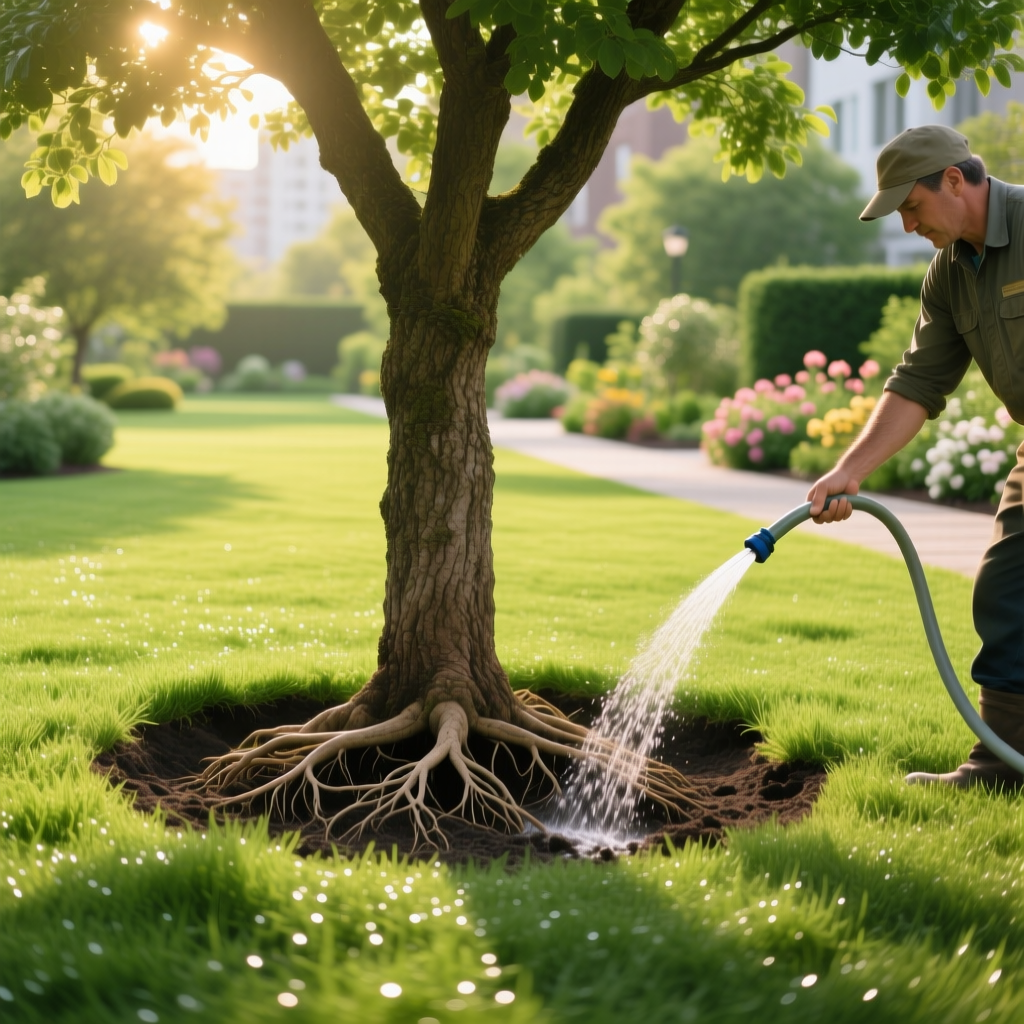
To confirm Phytophthora root rot, you must inspect the root system. Carefully excavate the soil around the base of the tree to expose the structural roots & the root flare. You can learn more about proper soil conditions in our soil health & testing resource.
- Missing Feeder Roots: The fine, white feeder roots responsible for water absorption will be entirely absent or severely reduced.
- Root Discoloration: Infected roots will appear dark brown or black. If you slice a cross-section of a larger infected root, the outer layer (cortex) may slough off easily, leaving a stringy, white central core (stele). This 'rat-tail' appearance is a classic symptom of Phytophthora.
- Foul Odor: Advanced root decay often produces a sour, fermented smell due to secondary anaerobic bacteria invading the dead tissue.
Cultural Practices & Care Requirements for Prevention
Because chemical cures for advanced Phytophthora root rot are largely ineffective, prevention through proper cultural care is the most reliable strategy. Creating an environment that promotes rapid drainage & robust root growth will naturally suppress the pathogen.
Site Selection & Proper Planting
When introducing new trees to your landscape, select species that are well-adapted to your specific soil type & drainage conditions. If your yard has heavy clay or poor drainage, choose Phytophthora-resistant species such as bald cypress, river birch, or certain hardy oaks. When planting, ensure the root flare (the point where the trunk widens at the base) is fully exposed & sits slightly above the surrounding grade. Planting too deeply is a primary catalyst for root rot.
Mastering the Art of Mulching
Mulch is highly beneficial for retaining moisture & regulating soil temperature, but improper application can be deadly. Avoid 'volcano mulching,' which piles mulch against the trunk. Instead, follow the 3-3-3 rule: apply a layer no deeper than 3 inches, spread it out to a 3-foot radius (or further), & keep it at least 3 inches away from the trunk itself. This prevents the bark from staying constantly wet, denying the water mold an entry point.
Improving Soil Drainage
If water pools around your trees after a rainstorm, you must address the drainage. Core aeration, vertical mulching, or the installation of French drains can help move excess water away from the root zone. Avoid altering the grade around existing trees, as adding even a few inches of soil over the root zone can suffocate the tree & trigger a severe rot outbreak. Maintaining a healthy, well-aerated soil profile is just as important for your trees as it is for your turf; review our tips on lawn care maintenance to ensure your entire landscape is thriving.
Pruning, Sanitation, & Disease Management
Once a tree is infected, immediate action is required to manage the disease, reduce stress on the tree, & prevent the pathogen from spreading to neighboring plants. A multi-faceted approach combining sanitation, pruning, & targeted treatments offers the best chance of survival.
Pruning to Reduce Stress
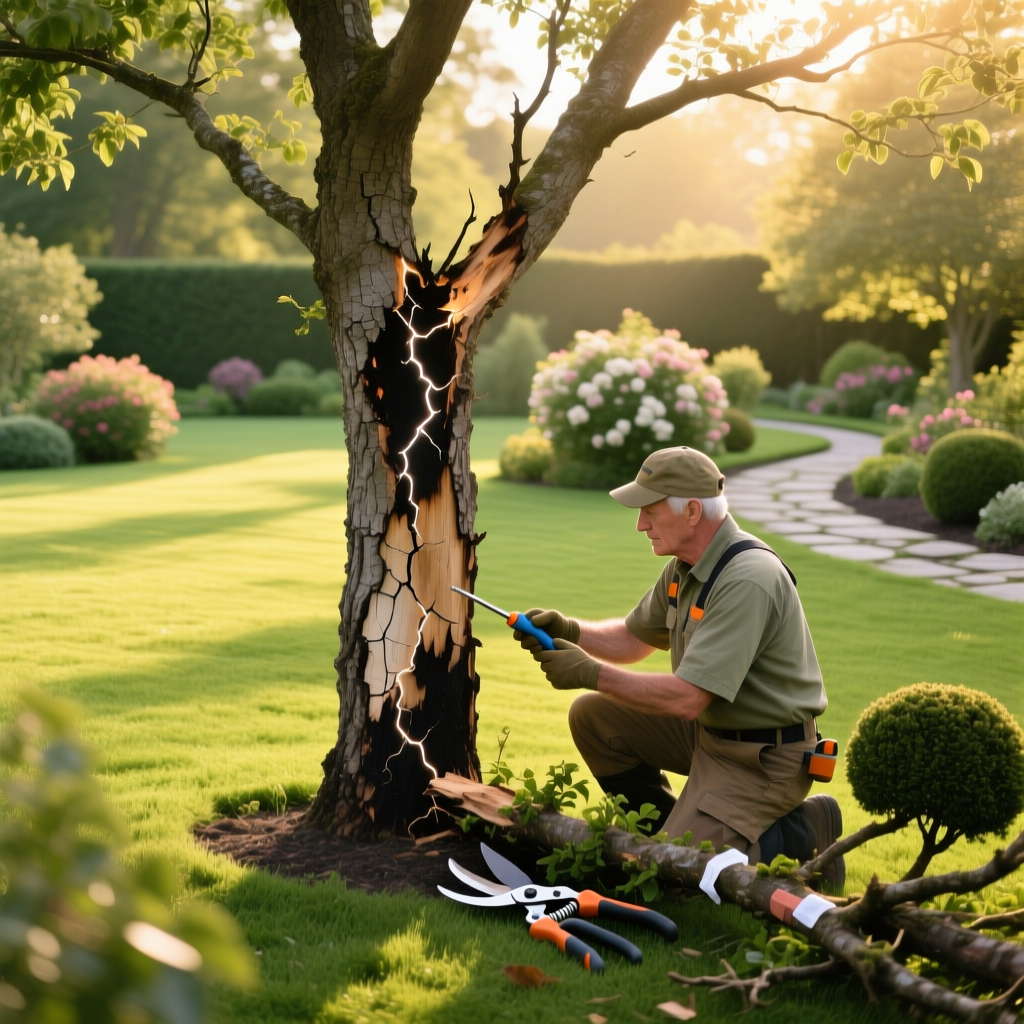
When a tree's root system is compromised by rot, it can no longer support a full canopy. Pruning dead, dying, or severely diseased branches reduces the metabolic demand on the tree & eliminates entry points for secondary wood-boring insects. Always follow proper tree pruning techniques to ensure clean cuts that heal rapidly. Do not prune heavily during active spring growth, as this can further stress the tree.
Strict Sanitation Protocols
Phytophthora is easily spread via contaminated soil & tools. If you are working around an infected tree, thoroughly clean your shovels, pruners, & boots before moving to a healthy area of the landscape. A solution of 70% isopropyl alcohol or a 10% bleach solution is effective for sanitizing hand tools. Never move soil from an infected area to a healthy planting bed, & avoid chipping wood from infected trees to use as mulch elsewhere in your yard.
Chemical & Biological Treatments
While true fungicides are often ineffective against oomycetes, specific chemical compounds known as phosphites (or phosphonates) are highly effective when used as part of an integrated management plan. Phosphites do not eradicate the pathogen; rather, they are absorbed by the tree & stimulate its natural immune response while simultaneously inhibiting the growth of the Phytophthora mycelium. These can be applied as trunk injections, bark sprays, or soil drenches by a licensed arborist.
Biological control agents are also gaining traction. Introducing beneficial soil microbes, such as Trichoderma species or mycorrhizal fungi, can help outcompete Phytophthora in the rhizosphere. These beneficial organisms colonize the tree's roots, forming a protective barrier & enhancing the tree's ability to absorb water & nutrients despite the presence of the pathogen.
Seasonal Tips for Protecting Trees from Root Rot
Managing landscape trees requires year-round vigilance. Adapting your care routine to the changing seasons ensures your trees remain resilient against root rot pathogens.
Spring: Drainage & Mulch Checks
As winter snow melts & spring rains arrive, the soil is at its most saturated. Walk your property to identify areas where water pools near tree bases. Clear debris from drainage swales & check your mulch layers. If winter storms have pushed mulch against the trunks, pull it back to expose the root flare & allow the bark to dry.
Summer: Smart Irrigation Practices
Summer heat stresses trees, making them more susceptible to disease. However, overwatering to combat heat is a common mistake. Instead of daily, shallow watering, provide deep, infrequent irrigation that encourages roots to grow downward. Ensure your lawn irrigation system is not directly spraying the trunks of your trees. Adjust sprinkler heads to target the turf only, & use dedicated drip irrigation or deep-root watering probes for your trees.
Fall: Planting & Soil Amendment
Fall is the ideal time to plant new trees, as cooler temperatures & autumn rains promote root establishment without the stress of summer heat. When planting, amend the backfill soil with organic compost to improve structure & drainage. Fall is also an excellent time to apply preventative phosphite treatments, as the tree is actively moving carbohydrates & nutrients down into the root system for winter storage.
Winter: Protecting the Root Zone
Avoid heavy construction, grading, or parking vehicles over tree root zones during the winter. Wet, cold soil is highly susceptible to compaction, which destroys soil structure & sets the stage for Phytophthora outbreaks the following spring. Use this dormant period to assess the overall structure of your trees & schedule professional pruning if necessary.
Frequently Asked Questions (FAQ)
Can a tree recover from Phytophthora root rot?
Recovery depends entirely on how early the disease is detected. If the infection is caught in its early stages, & the majority of the structural root system is still viable, a tree can recover. Treatment involves correcting drainage issues, applying phosphite treatments, & reducing canopy stress through careful pruning. However, if the tree is showing severe dieback, extensive bleeding cankers, & the root collar is girdled by rot, the tree is unlikely to survive & should be removed to prevent the spread of the pathogen to nearby plants.
Does Phytophthora spread to other plants & lawns?
Yes, Phytophthora is highly contagious within a landscape. It spreads through surface water runoff, contaminated soil, & shared gardening tools. While it primarily targets woody ornamentals, trees, & shrubs, certain species of Phytophthora can also cause severe diseases in turfgrass & garden vegetables. To protect your entire landscape, ensure that water drains away from infected areas & avoid moving soil from known infection sites to healthy beds. Maintaining robust lawn care maintenance helps keep turfgrass dense & competitive against soil-borne pathogens.
What are the best fungicides for Phytophthora root rot?
Standard fungicides are generally ineffective because Phytophthora is an oomycete, not a true fungus. The most effective chemical controls are phosphite-based products (such as those containing mono- & di-potassium salts of phosphorous acid). These compounds act systemically, boosting the tree's natural defenses & inhibiting pathogen growth. Because trunk injections & precise soil drenches require specialized equipment & knowledge of tree anatomy, these treatments should be applied by a certified arborist.
How can I improve soil drainage in my existing landscape?
Improving drainage around established trees requires care to avoid damaging the root system. You can install French drains or dry wells at the edge of the tree's drip line to intercept & redirect excess water. Vertical mulching is another excellent technique; this involves drilling narrow holes into the soil within the drip line & filling them with coarse sand or gravel to improve aeration & water percolation. Avoid tilling the soil, as this will sever vital feeder roots.
Are there tree species resistant to Phytophthora?
While no tree is entirely immune, many species exhibit high resistance to Phytophthora root rot & are highly recommended for poorly drained sites. Resistant deciduous trees include the bald cypress (Taxodium distichum), river birch (Betula nigra), willow oak (Quercus phellos), & American sycamore (Platanus occidentalis). For evergreen options, consider the dawn redwood (Metasequoia glyptostroboides) or certain hardy pines. Always consult with a local nursery or extension office to select species that are resistant to the specific Phytophthora strains prevalent in your region.