Tree Care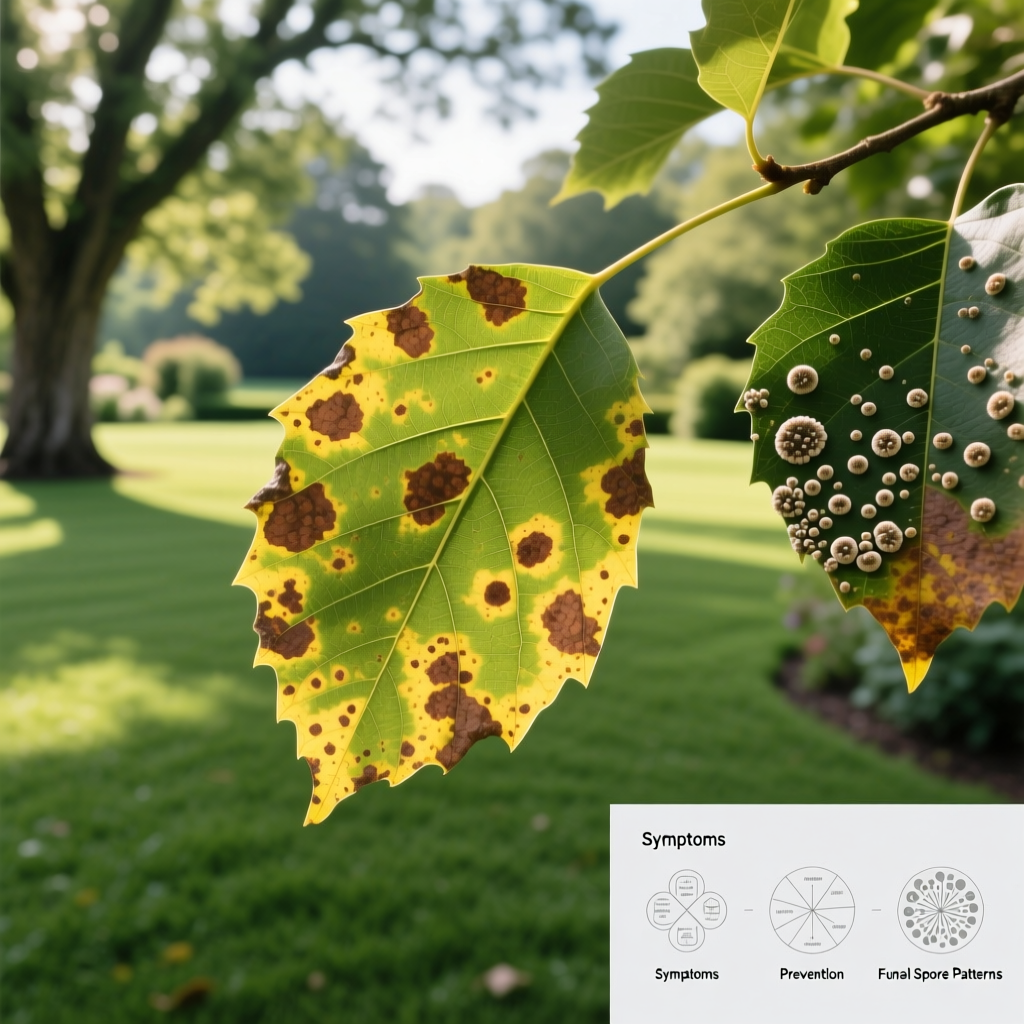
Identify & Treat Anthracnose in Shade Trees
Mike RodriguezPublished
How to Identify & Treat Anthracnose in Shade Trees: A Complete Guide
Shade trees are the backbone of a beautiful, comfortable landscape. They cool your home, boost property value, and create inviting outdoor spaces for your family. But when a fungal disease like anthracnose strikes, those majestic canopies can thin out, leaves can become distorted and blotchy, and the overall health of your trees can decline rapidly if left unchecked.
Anthracnose is one of the most common fungal diseases affecting shade trees across North America. It thrives in cool, wet spring weather and can affect a wide range of popular species including sycamore, oak, ash, maple, dogwood, elm, and walnut. While anthracnose rarely kills a mature tree outright, repeated infections over several seasons can weaken trees significantly, making them vulnerable to secondary pests, environmental stress, and other diseases.
The good news is that anthracnose is manageable. With proper identification, timely treatment, and a solid long-term care strategy, you can protect your shade trees and keep your landscape thriving. This comprehensive guide walks you through everything you need to know about identifying, treating, and preventing anthracnose in your shade trees. For more general advice on keeping your entire yard healthy, explore our lawn care guides and related tree care resources.
What Is Anthracnose & How to Identify It in Shade Trees
Anthracnose is not a single disease but rather a group of closely related fungal diseases caused by various species of fungi, including Apiognomonia, Discula, Colletotrichum, and Gnomonia. Each fungal species tends to target specific tree genera, which means the symptoms can vary somewhat depending on the host tree. However, there are common signs you can watch for across all affected species.
Early-Season Symptoms
Anthracnose typically appears in early to mid-spring, shortly after leaves emerge. The first signs are often small, water-soaked lesions on young leaves. These lesions may appear yellow, brown, or dark green and are usually located along leaf veins. As the infection progresses, the lesions expand into irregular blotches that can be tan, brown, or black. In severe cases, young leaves may curl, distort, and drop prematurely before they have a chance to mature.
Mid-Season & Late-Season Symptoms
As the season advances, you may notice the following on infected shade trees:
- Leaf scorch & blotching: Large, irregular dead areas on leaves that may resemble drought stress or chemical burn. The key difference is that anthracnose lesions often follow leaf veins, creating a distinctive pattern.
- Premature defoliation: Heavily infected trees may drop a significant portion of their leaves by early summer. This is especially common in sycamore trees, which are notorious for anthracnose-related leaf drop.
- Twig & branch dieback: The fungus can infect young twigs and shoots, causing cankers (sunken, discolored areas on bark). These cankers girdle twigs, leading to dieback of branch tips. You may notice "shepherd's crook" deformities where infected twig tips bend and die.
- Epicormic sprouting: Trees that lose leaves early due to anthracnose often produce a second flush of growth in midsummer. While this helps the tree recover, these new shoots are also susceptible to reinfection if wet conditions persist.
Species-Specific Identification
Different shade trees show slightly different anthracnose symptoms:
- Sycamore: Among the most susceptible species. Leaves develop large brown blotches along veins, and heavy defoliation is common. Twig cankers are prominent, and the characteristic mottled bark may show darkened areas near infection sites.
- Oak: Brown lesions develop along leaf margins and veins. White oak group species tend to be more susceptible than red oak group species. Infected leaves may remain attached to branches rather than falling.
- Ash: Lesions appear on leaflets, petioles (leaf stems), and sometimes on green twigs. The disease can cause significant leaflet drop within compound leaves.
- Maple: Leaves develop brown or tar-like spots, often between veins. Norway maple and sugar maple are commonly affected. Leaf distortion is less common than in other species.
- Dogwood: Dogwood anthracnose (caused by Discula destructiva) is particularly serious and can be fatal to flowering dogwoods. Symptoms include tan leaf spots with purple borders, stem cankers, and dieback of lower branches. If you have dogwoods in your landscape, learn more about tree care best practices to keep them healthy.
Accurate identification is essential before beginning treatment. If you are unsure whether your tree has anthracnose or another condition such as powdery mildew or environmental leaf scorch, consider sending a sample to your local cooperative extension service for laboratory confirmation.
Understanding the Anthracnose Disease Cycle
To effectively manage anthracnose, it helps to understand how the disease spreads and persists in your landscape. The anthracnose disease cycle is closely tied to weather conditions and the seasonal growth patterns of your trees.
How the Fungus Overwinters
Anthracnose fungi survive the winter in several places:
- Infected leaves on the ground: Fallen leaves from the previous season harbor fungal spores. These leaves serve as the primary source of inoculum (infectious material) the following spring.
- Twig & branch cankers: The fungus can persist in cankers on infected twigs and branches. These cankers produce spores that are splashed or blown onto emerging leaves in spring.
- Bud scales: In some species, the fungus overwinters within bud scales and infects new leaves as they expand in spring.
Spring Infection & Spread
When spring arrives with cool temperatures (typically between 50°F and 70°F) and frequent rain or prolonged leaf wetness, the overwintered fungal spores become active. Rain splashes spores from infected debris and cankers onto newly emerging leaves. Wind can also carry spores short distances. The spores germinate on wet leaf surfaces and penetrate leaf tissue, beginning a new cycle of infection.
The critical infection period occurs during leaf emergence and expansion. Young, tender leaves are far more susceptible than mature, fully expanded leaves. This is why the severity of anthracnose varies dramatically from year to year — a cool, wet spring during leaf-out leads to severe disease, while a warm, dry spring may result in minimal infection.
Secondary Spread & Summer Decline
Once initial infections are established, the fungus can produce secondary spores on infected leaves and twigs. These spores can spread to other leaves and trees during continued wet weather. However, as temperatures rise above 75°F and leaves mature, the disease typically slows down significantly. In many regions, anthracnose becomes less active by early summer, and trees may begin to recover by producing new foliage.
Understanding this cycle is key to timing your management efforts. The most critical window for treatment is in early spring, just before and during leaf emergence. For tips on seasonal yard maintenance that supports overall tree health, check out our seasonal lawn care calendar.
Cultural Practices & Pruning Strategies to Manage Anthracnose
Before reaching for fungicides, there are many cultural and mechanical practices you can implement to reduce anthracnose severity and improve the long-term health of your shade trees. These practices form the foundation of any effective disease management program.
Sanitation: Remove & Destroy Infected Material
One of the most effective ways to reduce anthracnose pressure is to remove the sources of fungal inoculum from your landscape:
- Rake & destroy fallen leaves: In autumn and early spring, thoroughly rake all fallen leaves from beneath susceptible trees. Do not compost these leaves, as home compost piles rarely reach temperatures high enough to kill anthracnose fungi. Instead, bag them for municipal yard waste collection or burn them where local regulations allow.
- Remove infected twigs: During the dormant season, inspect trees for dead or cankered twigs. Prune these out carefully (see pruning guidelines below) and dispose of them away from your landscape.
- Clean up debris: Keep the area beneath shade trees free of accumulated organic debris that can harbor fungal spores. This is especially important for trees with a history of anthracnose problems.
Pruning for Air Circulation & Light Penetration
Anthracnose fungi thrive in damp, shaded conditions within a dense tree canopy. Strategic pruning can dramatically improve airflow and sunlight penetration, creating an environment that is less favorable for fungal growth.
Dormant-season pruning: The best time to perform major pruning on shade trees is during the dormant season (late fall through late winter, depending on your region and tree species). During this time, the tree's structure is clearly visible, and pruning wounds heal quickly once spring growth begins. Remove dead, diseased, and crossing branches. Thin out overly dense areas of the canopy to improve air movement. For detailed guidance on proper pruning techniques, visit our shade tree pruning guide.
Summer pruning: Light corrective pruning can be done in summer to remove water sprouts and suckers that contribute to canopy density. However, avoid heavy pruning during the growing season, as this can stress the tree and create large wounds that are slow to heal.
Pruning hygiene: Always sterilize your pruning tools between cuts when working on infected trees. A solution of 70% isopropyl alcohol or a 10% bleach solution works well. This prevents you from spreading the fungus to healthy branches and other trees. After pruning, clean and oil your tools to prevent corrosion from the disinfectant.
Proper Watering Practices
Overhead irrigation is one of the worst things you can do for trees prone to anthracnose. Water droplets on leaves create the exact wet conditions the fungus needs to infect and spread. Instead, follow these watering best practices:
- Water at the base: Use soaker hoses, drip irrigation, or hand-watering at the root zone to keep foliage dry.
- Water deeply & infrequently: Mature shade trees benefit from deep, thorough watering that encourages deep root growth. Water when the top 6 to 8 inches of soil are dry.
- Avoid evening watering: If you must use sprinklers near trees, water in the early morning so that any splashed foliage dries quickly in the sun.
Healthy, well-watered trees are better equipped to withstand and recover from anthracnose infections. Drought-stressed trees are more vulnerable to disease and less able to produce the vigorous new growth needed to replace lost foliage. Maintaining proper soil moisture also supports a healthy lawn around your trees.
Mulching & Soil Health
Apply a 2- to 4-inch layer of organic mulch around the base of your shade trees, extending out to the drip line if possible. Mulch helps retain soil moisture, moderates soil temperature, and prevents lawn mowers and string trimmers from damaging the trunk — wounds that can serve as entry points for secondary pathogens.
However, keep mulch a few inches away from the trunk itself to prevent moisture buildup against the bark, which can encourage rot. Refresh mulch annually as it decomposes. For more on maintaining healthy soil in your landscape, read our guide on soil testing & amendment.
Fungicide Treatment Options for Anthracnose
When cultural practices alone are not sufficient to control anthracnose — particularly on high-value landscape trees or in years with persistently cool, wet springs — fungicide treatments can provide effective protection. The key to success with fungicides is proper timing, thorough coverage, and consistent application.
Preventive Fungicides
Preventive (protectant) fungicides work by coating leaf surfaces with a chemical barrier that prevents fungal spores from germinating and penetrating leaf tissue. They must be applied before infection occurs, which means timing is absolutely critical.
- Chlorothalonil: A broad-spectrum protectant fungicide widely available to homeowners. It is effective against anthracnose when applied at bud break and repeated at 7- to 14-day intervals through the leaf expansion period. Chlorothalonil must be applied before symptoms appear, as it has no curative activity once the fungus has entered leaf tissue.
- Mancozeb: Another protectant fungicide that works similarly to chlorothalonil. It is often used in rotation with other products to reduce the risk of fungicide resistance.
- Copper-based fungicides: Copper fungicides (such as copper hydroxide or Bordeaux mixture) have protectant activity against anthracnose. They are often used in organic or low-input management programs. However, repeated copper applications can accumulate in soil and may cause phytotoxicity (leaf damage) on some sensitive species, so use them judiciously.
Systemic Fungicides
Systemic fungicides are absorbed into tree tissue and can provide longer-lasting protection with fewer applications. Some systemic products also have limited curative activity, meaning they can stop early infections that have already begun.
- Thiophanate-methyl: A systemic fungicide with both protective and limited curative activity. It is effective against anthracnose and several other common tree diseases. Available in both spray and soil drench formulations.
- Propiconazole & other triazoles: These systemic fungicides are highly effective against anthracnose and offer extended protection. They are commonly used by professional arborists and are available in some homeowner products. Triazoles are absorbed by the tree and translocated through the vascular system, providing protection to new growth.
- Azoxystrobin & other strobilurins: These fungicides offer excellent protective activity and some curative action. They are often combined with triazole fungicides in professional-grade products for broad-spectrum disease control.
Trunk Injection & Macro-Infusion
For large, mature shade trees where thorough spray coverage is impractical, professional arborists can inject fungicides directly into the tree's trunk. Products containing propiconazole or thiabendazole are commonly used for trunk injection. This method delivers the fungicide throughout the tree's vascular system, providing season-long protection from the inside out.
Trunk injection is best performed by a certified arborist, as improper technique can damage the tree and reduce treatment effectiveness. The procedure involves drilling small holes in the trunk at the root flare and using specialized equipment to deliver the fungicide under pressure. While more expensive than spray applications, trunk injection is often the most practical option for large trees in residential landscapes.
Application Timing & Best Practices
Regardless of the fungicide you choose, follow these guidelines for best results:
- Begin at bud break: The first application should be made just as buds begin to swell and open in spring. This is typically when daytime temperatures consistently reach 50°F to 60°F.
- Repeat applications: Most protectant fungicides require reapplication every 7 to 14 days during the critical leaf expansion period. This usually means two to four applications per spring, depending on weather conditions and the product used.
- Ensure thorough coverage: Spray all leaf surfaces, branches, and twigs until the solution begins to drip. For large trees, this may require professional-grade spray equipment or the services of a licensed tree care company.
- Follow label instructions: Always read & follow the product label carefully. The label is the law, and it contains critical information about application rates, safety precautions, re-entry intervals, and environmental considerations.
- Rotate fungicide modes of action: To prevent the development of fungicide-resistant fungal populations, alternate between products with different modes of action (FRAC codes). Your local extension office can help you identify compatible products for rotation.
Seasonal Care Tips & Long-Term Prevention Strategies
Managing anthracnose is not a one-time event — it requires a year-round approach to tree care that builds resilience and reduces disease pressure over time. Here is a season-by-season guide to keeping your shade trees healthy and anthracnose-resistant.
Spring: The Critical Window
Spring is the most important season for anthracnose management. Your priorities during this time include:
- Monitor weather forecasts closely. Extended periods of cool, wet weather during leaf emergence signal high disease risk.
- Begin fungicide applications at bud break if your trees have a history of anthracnose.
- Finish any dormant-season pruning before buds open.
- Remove any remaining fallen leaves from the previous season that may harbor fungal spores.
- Apply a balanced, slow-release fertilizer to support vigorous spring growth. Avoid excessive nitrogen, which promotes soft, succulent growth that is more susceptible to fungal infection.
Summer: Monitor & Support Recovery
By summer, the active infection period for anthracnose is usually winding down. Focus on helping your trees recover:
- Water deeply during dry periods to help trees replace lost foliage and maintain vigor.
- Monitor for secondary pests such as borers, scale insects, and spider mites, which are attracted to stressed trees.
- Avoid pruning during hot, dry weather unless removing dead or hazardous branches.
- If your tree experienced heavy defoliation, expect a second flush of growth. Support this recovery with adequate water & nutrients.
Autumn: Sanitation & Preparation
Fall is the time to reduce inoculum levels for the following spring:
- Rake & destroy all fallen leaves from beneath susceptible trees. This single practice can dramatically reduce disease severity the following year.
- Inspect trees for dead or cankered branches and mark them for dormant-season pruning.
- Apply a fresh layer of mulch to protect root systems from winter temperature fluctuations.
- Consider a late-fall application of fertilizer to promote root growth over winter. Healthy roots support vigorous spring growth that can better tolerate anthracnose pressure.
Winter: Prune & Plan
The dormant season is ideal for structural improvements and planning:
- Prune dead, diseased, and overcrowded branches while the tree is dormant. The absence of leaves makes it easy to see the tree's structure and identify problem areas.
- Disinfect pruning tools between each cut to prevent spreading fungal spores.
- Plan your spring fungicide program. Purchase products in advance so you are ready to begin treatment at bud break.
- Consider consulting a certified arborist for a professional tree health assessment, especially if your trees have experienced repeated anthracnose infections.
Planting Resistant Varieties
If you are planting new shade trees or replacing trees that have been lost to anthracnose, consider selecting resistant or tolerant species and cultivars. While no tree is completely immune, some varieties show significantly less susceptibility:
- Sycamore alternatives: London planetree (Platanus × acerifolia) cultivars such as 'Bloodgood,' 'Columbia,' and 'Liberty' have good anthracnose resistance.
- Dogwood alternatives: Kousa dogwood (Cornus kousa) and many hybrid dogwoods (such as the Stellar series) are highly resistant to dogwood anthracnose. If you are considering adding ornamental trees, explore our shade tree planting guide for more recommendations.
- Oak selections: Red oak group species (such as red oak, pin oak, and willow oak) tend to be less susceptible to anthracnose than white oak group species.
- Maple selections: Japanese maple and some red maple cultivars show lower anthracnose susceptibility compared to Norway maple and sugar maple.
Frequently Asked Questions About Anthracnose in Shade Trees
Will anthracnose kill my shade tree?
In most cases, anthracnose will not kill a mature, otherwise healthy shade tree. The disease primarily affects leaves and young twigs, causing cosmetic damage and premature defoliation. However, the tree typically recovers by producing a second flush of leaves in midsummer. The real danger comes from repeated, severe infections over multiple consecutive years. Chronic anthracnose weakens trees over time, reducing their energy reserves, slowing growth, and making them more vulnerable to secondary problems like borers, root rot, and drought stress. Dogwood anthracnose (Discula destructiva) is a notable exception — it can be fatal to flowering dogwoods if not managed aggressively. If you are concerned about the health of a valuable tree, consult a certified arborist for a professional assessment.
How can I tell the difference between anthracnose & other leaf diseases?
Anthracnose has several distinguishing characteristics that help set it apart from other common leaf diseases. First, anthracnose lesions typically follow leaf veins, creating irregular, angular blotches rather than round or concentric spots. Second, anthracnose is most severe in spring during cool, wet weather, while diseases like powdery mildew tend to worsen in late summer and fall. Third, anthracnose often causes twig dieback and cankers in addition to leaf symptoms, whereas many foliar diseases are limited to leaves. Finally, anthracnose-affected leaves often drop prematurely in late spring or early summer, while other diseases may cause discoloration without significant leaf drop. If you are having trouble identifying the problem, your local cooperative extension office can provide diagnostic services. You can also compare symptoms with other common tree diseases covered in our tree care section.
Is it too late to treat anthracnose if I already see symptoms?
If you are seeing active anthracnose symptoms on your tree's leaves, the most effective window for preventive fungicide application has likely passed for that particular flush of growth. Protectant fungicides must be applied before the fungus penetrates leaf tissue, so once lesions are visible, those leaves are already infected. However, there are still steps you can take to limit the damage. Systemic fungicides with curative activity (such as thiophanate-methyl or certain triazoles) may slow the progression of early infections if applied promptly. More importantly, you can begin planning for next spring's preventive treatment program. In the meantime, focus on cultural practices — rake up fallen infected leaves, ensure the tree is receiving adequate water, and avoid overhead irrigation. Pruning out heavily infected twigs during the dormant season will also reduce the inoculum available to cause problems the following year.
Can I prevent anthracnose without using chemical fungicides?
Yes, many homeowners successfully manage anthracnose using non-chemical strategies, especially when the disease pressure is moderate. The most important non-chemical practices include thorough sanitation (raking & destroying fallen leaves each autumn), improving air circulation through strategic pruning, selecting resistant tree varieties when planting, and maintaining overall tree vigor through proper watering and mulching. Biological fungicides containing beneficial microorganisms such as Bacillus subtilis or Trichoderma species can also provide some level of protection and are compatible with organic gardening practices. Copper-based fungicides are another option that is permitted in many organic certification programs, though they should be used carefully to avoid copper accumulation in the soil. For trees that experience only mild anthracnose symptoms, non-chemical management is often sufficient. Reserve chemical treatments for high-value trees with a history of severe, repeated infections. A healthy landscape starts from the ground up — learn more about building healthy soil in our organic lawn care guide.
Should I hire a professional arborist to treat anthracnose?
Hiring a certified arborist is recommended in several situations. If your shade trees are large (over 30 feet tall), achieving thorough fungicide coverage with consumer-grade spray equipment is extremely difficult. Professional arborists have high-pressure spray rigs and trunk injection equipment that can deliver fungicides to the entire canopy of even the largest trees. An arborist is also valuable if you are unsure about the diagnosis, if your trees have experienced multiple years of severe infection, or if you notice significant branch dieback and structural concerns. A certified arborist can develop a comprehensive tree health care plan that addresses anthracnose along with other potential issues such as soil compaction, nutrient deficiencies, and pest infestations. When hiring an arborist, look for certification from the International Society of Arboriculture (ISA) and verify that they carry proper insurance. Ask for references and get a written estimate before work begins. Investing in professional tree care can protect the long-term health and value of your landscape trees, which often add thousands of dollars to your property value.
Managing anthracnose in shade trees requires patience, consistency, and a multi-pronged approach. By combining proper identification, strategic pruning, timely fungicide applications, and year-round cultural care, you can keep your shade trees healthy, beautiful, and providing cool comfort for decades to come. For more expert tips on maintaining a thriving landscape, explore the complete collection of guides at Lawns Guide.
