Tree Care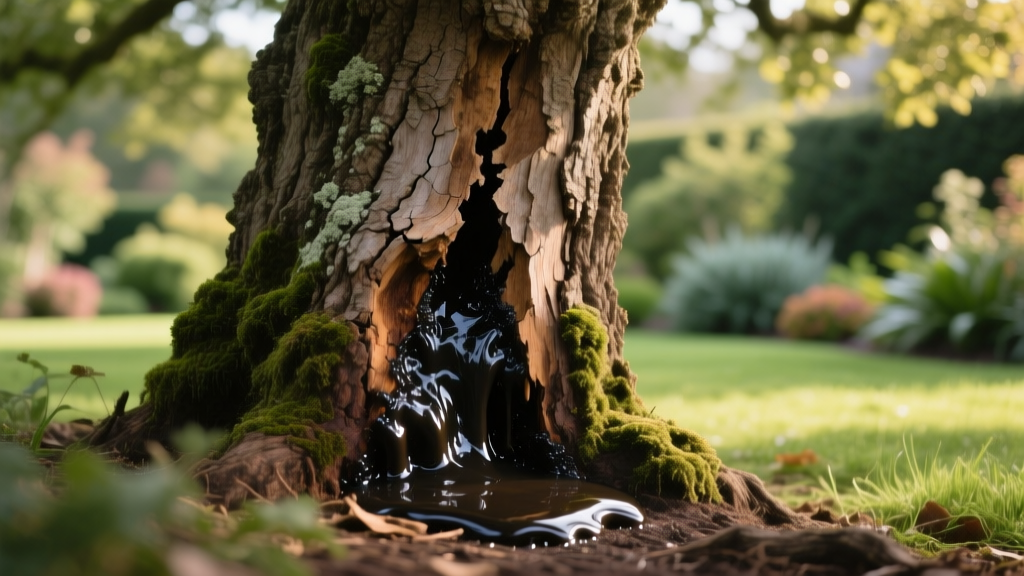
How to Identify and Treat Bacterial Wetwood (Slime Flux) in Trees
Understanding Bacterial Wetwood and Its Impact on Landscape Trees
Bacterial wetwood, commonly called slime flux, is a chronic bacterial infection that affects the heartwood and sapwood of numerous shade and ornamental tree species. The condition results from anaerobic bacteria—primarily Enterobacter cloacae, Klebsiella pneumoniae, and Clostridium species—that ferment nutrients within the tree's vascular tissue, producing gases and a foul-smelling liquid that seeps through bark cracks and wound sites. While rarely fatal on its own, bacterial wetwood weakens trees structurally, creates entry points for secondary pathogens, and diminishes the aesthetic value of residential and commercial landscapes.
According to the International Society of Arboriculture (ISA) in their 2021 Best Management Practices guide, bacterial wetwood affects an estimated 35% of mature elms in urban environments across North America. The condition is particularly prevalent in regions with warm, humid summers where bacterial populations thrive in saturated wood tissue. Understanding how to identify this disease early and implement effective management strategies can extend the functional lifespan of valuable shade trees by 15 to 25 years.
Tree Species Most Susceptible to Slime Flux
Not all trees are equally vulnerable to bacterial wetwood. Some species demonstrate a pronounced susceptibility due to their wood density, moisture content, and growth characteristics. Fast-growing species with softer wood tend to be more vulnerable because their rapid cell division creates looser vascular tissue that bacteria colonize more easily.
High-Risk Deciduous Species
American elm (Ulmus americana), which grows at a rate of 3 to 6 feet per year in optimal conditions, remains one of the most frequently affected species. Researchers at Cornell University's Plant Pathology Department have documented wetwood occurrence in over 40% of sampled mature elms in the Northeast corridor. Silver maple (Acer saccharinum), another fast grower at 3 to 7 feet per year, ranks as the second most commonly affected species, particularly in USDA hardiness zones 4 through 8.
Cottonwood (Populus deltoides) grows aggressively at 5 to 8 feet per year and its soft, porous wood makes it exceptionally prone to bacterial colonization. Willows, mulberries, and boxelders round out the high-risk category. These species share characteristics of rapid growth, high sap content, and relatively soft heartwood.
Moderately Susceptible Species
Oaks, particularly red oak (Quercus rubra) growing at 2 to 3 feet per year, develop wetwood less frequently but suffer more structural consequences when infected due to their value as long-lived specimen trees. Birch, beech, and linden species fall into this moderate-risk category. Their denser wood offers somewhat more resistance to bacterial penetration, but once established, infections tend to persist for decades.
- American elm — growth rate 3–6 ft/year, root spread ratio 1.5:1 relative to canopy diameter
- Silver maple — growth rate 3–7 ft/year, root spread ratio 2:1
- Cottonwood — growth rate 5–8 ft/year, root spread ratio 1.8:1
- Red oak — growth rate 2–3 ft/year, root spread ratio 1.2:1
- White birch — growth rate 1.5–2 ft/year, root spread ratio 1.3:1
- Honeylocust — growth rate 2–4 ft/year, root spread ratio 1.6:1
Recognizing the Symptoms in the Field
Early detection of bacterial wetwood significantly improves management outcomes. The disease presents a distinctive set of visual and olfactory symptoms that homeowners and arborists can identify during routine inspections. The most obvious sign is a dark, water-soaked staining on bark surfaces, typically originating from pruning wounds, branch crotches, or cracks in the trunk.
The seeping fluid ranges from light tan to dark brown and carries a distinctly sour or fermented odor caused by acetic acid and other metabolic byproducts of anaerobic bacteria. This fluid often leaves a gray-white or yellowish crusty residue as it dries on the bark surface. In active infections during warm months (June through September in zones 5–7), the flux can attract insects including flies, ants, and beetles that feed on the bacterial exudate.
Internal symptoms include elevated wood pH levels—healthy wood registers between 4.5 and 5.5 pH, while wetwood-infected tissue often exceeds 7.0 to 8.0 pH. Internal gas pressure from bacterial fermentation can reach 60 psi in severely affected trees, according to research published by the USDA Forest Service in 2019. This pressure drives liquid outward through any available opening in the bark.
"Bacterial wetwood should be considered a chronic condition rather than an acute disease. Management strategies should focus on maintaining tree vigor and preventing secondary infections rather than attempting to eliminate the bacteria entirely, which current research suggests is not feasible in mature specimens." — Dr. Alex Shigo, pioneering tree biologist and former USDA Forest Service researcher
Diagnostic Confirmation and Professional Assessment
While visual symptoms often suffice for a preliminary diagnosis, professional confirmation provides a solid foundation for treatment planning. ISA Certified Arborists (credential designation ISA-CA) trained in tree pathology can perform increment core sampling to assess the extent of internal discoloration and decay. The ISA certification program, administered through testing centers across North America, requires candidates to demonstrate competency in tree biology, diagnostics, and management—making ISA-CA professionals the appropriate specialists for wetwood assessment.
Texas A&M Forest Service recommends that property owners contact their local extension office or an ISA Board Certified Master Arborist (ISA-BCMA) when wetwood symptoms appear on high-value trees or when structural compromise is suspected. The BCMA credential represents the highest level of ISA certification and requires a minimum of three years of experience beyond the base certification plus passage of an advanced examination covering complex diagnostic and management scenarios.
Differential Diagnosis
Several conditions mimic bacterial wetwood and must be ruled out before treatment begins. Alcoholic flux, caused by superficial yeast colonization of bark wounds, produces a similar frothy exudate but lacks the internal pressure and deep wood discoloration characteristic of true wetwood. Phytophthora bleeding canker, more common in zones 7 through 10, produces a reddish-brown exudate and is caused by an oomycete pathogen rather than bacteria. Mechanical damage from string trimmers or mower impact can also produce sap flow that resembles early wetwood symptoms.
| Diagnostic Feature | Bacterial Wetwood | Alcoholic Flux | Phytophthora Canker |
|---|---|---|---|
| Fluid color | Tan to dark brown | White, frothy | Reddish-brown |
| Odor | Sour, fermented | Yeasty, beer-like | Minimal |
| Internal pressure | Yes (up to 60 psi) | No | No |
| Wood pH | 7.0–8.0+ | Normal (4.5–5.5) | Slightly elevated |
| Depth of infection | Heartwood/sapwood | Surface bark only | Cambium layer |
| Season most active | Late spring through fall | Summer only | Cool, wet periods |
Treatment Protocols and Management Strategies
Modern arboricultural science has moved away from some previously recommended practices for wetwood management. The installation of drain tubes—once a standard recommendation through the 1980s—is now discouraged by the ISA and the University of Minnesota Extension Service because drilling into infected wood creates additional wounds, introduces oxygen that can stimulate secondary decay fungi, and does not reduce internal bacterial populations. Research conducted at the Morton Arboretum in Lisle, Illinois demonstrated that trees with drain tubes installed showed 22% more decay progression over a ten-year study period compared to untreated control specimens.
Current best practices focus on three primary strategies: minimizing wound creation, supporting overall tree health, and managing environmental stressors that exacerbate the condition.
- Avoid unnecessary pruning cuts on known-infected trees during the growing season when bacterial activity peaks and sap flow is highest.
- Time essential pruning for late dormancy—February through early March in zones 5–6, January through February in zones 7–8—when internal pressure is lowest and wound closure begins quickly with spring growth.
- Maintain adequate soil moisture through deep watering (12–18 inches penetration) during drought periods to reduce physiological stress that weakens compartmentalization responses.
- Apply 2–4 inches of organic mulch over the root zone, extending to the drip line where feasible, to moderate soil temperature and retain moisture.
- Avoid soil compaction within the critical root zone (defined as 12 inches of radius per inch of trunk diameter at breast height).
- Monitor for and promptly treat secondary pest infestations, particularly borers that create additional entry points for bacterial spread.
Pruning Timing by Hardiness Zone
Proper pruning timing is one of the most controllable factors in managing bacterial wetwood. Cutting into infected trees during active growing periods not only spreads contaminated sap across pruning tools but also stimulates bacterial activity at wound margins. The goal is to prune during periods of minimal sap pressure and maximum wound-closure potential.
For USDA hardiness zones 3 and 4 (encompassing much of Minnesota, Wisconsin, and the northern Great Plains), optimal pruning of wetwood-affected trees falls between late February and mid-March, after the deepest cold has passed but well before bud break. In zones 5 and 6 (spanning the Midwest region including Illinois, Indiana, Ohio, and Pennsylvania), the window shifts to mid-January through late February. Trees in zones 7 and 8 (the upper South and Pacific Northwest lowlands) can be pruned from December through early February when bacterial metabolism slows in cooler temperatures.
All pruning cuts on infected trees should follow the ISA three-cut method for branches and proper branch collar identification. Tools should be sanitized between cuts using 70% isopropyl alcohol or a 10% bleach solution—though alcohol is preferred as bleach accelerates blade corrosion. The ANSI A300 pruning standards, referenced by ISA in their credentialing exams, specify that no more than 25% of live crown should be removed in a single pruning cycle, a threshold that becomes even more conservative (15% maximum) for trees already compromised by wetwood.
Preventing Spread and Protecting Adjacent Trees
While bacterial wetwood is not considered highly contagious in the traditional sense—it spreads primarily through wound contamination rather than airborne transmission—reasonable sanitation practices protect nearby susceptible trees. The bacteria responsible for wetwood exist naturally in soil and water, meaning complete prevention is impractical. However, reducing the bacterial load on pruning equipment and avoiding the creation of unnecessary wounds substantially lowers infection risk in healthy trees.
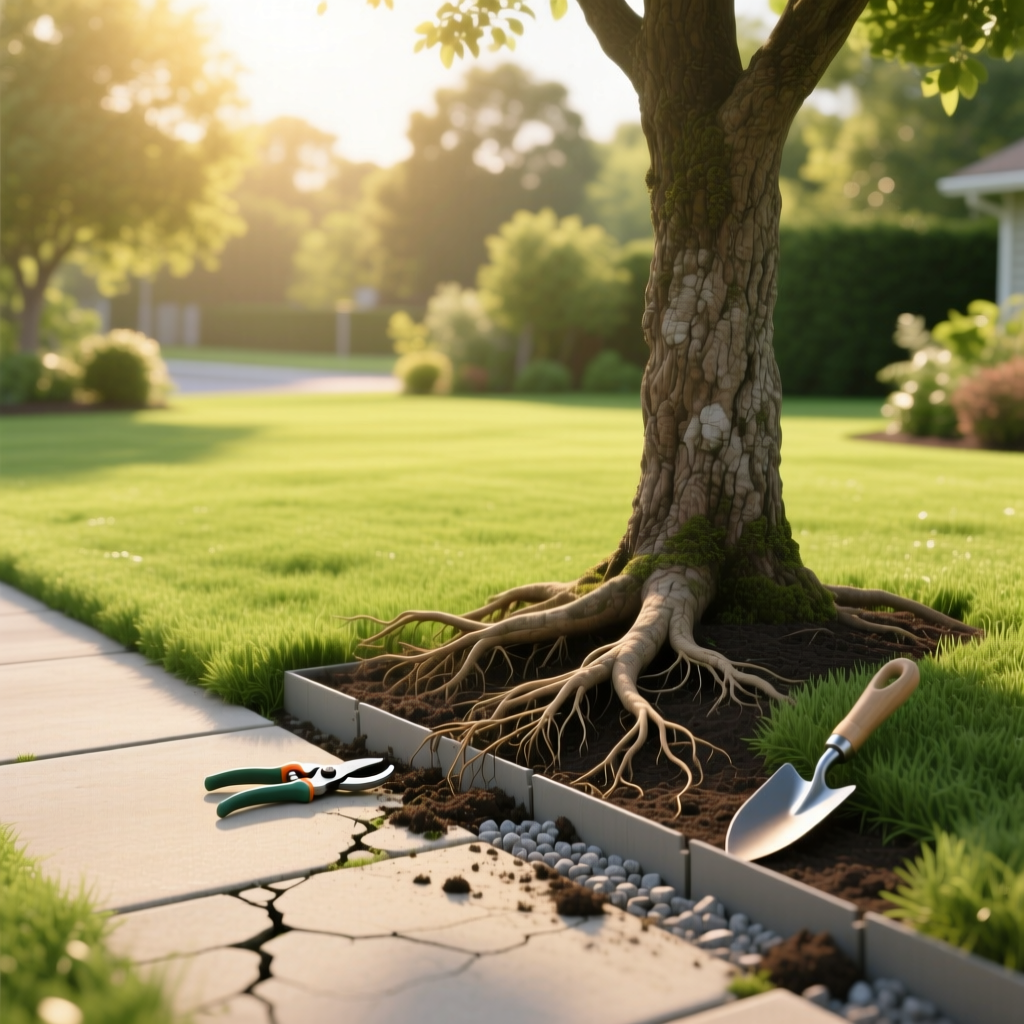
Root spread ratios become relevant when considering underground transmission pathways. A silver maple with a 40-foot canopy spread may extend roots 80 feet from the trunk (2:1 ratio), potentially overlapping with root zones of adjacent trees. Root grafting between trees of the same species can theoretically allow bacterial migration, though this transmission route has not been conclusively demonstrated in controlled research. Property owners managing mixed-species plantings should maintain awareness of these overlap zones when planning new installations near infected specimens.
- Sanitize all pruning equipment between trees, not just between cuts on the same tree
- Avoid wounding roots during construction, trenching, or landscape renovation within root spread zones
- Select wetwood-resistant species for new plantings near infected trees—consider Japanese zelkova, bald cypress, or ginkgo
- Report suspected wetwood in public trees to municipal forestry departments for tracking and management
- Document infection progression with dated photographs to help arborists assess rate of change over time
When Removal Becomes Necessary
Most trees with bacterial wetwood can remain functional and safe landscape elements for many years with proper management. However, certain circumstances warrant professional risk assessment and potential removal. When internal decay associated with long-term wetwood infection compromises more than 40% of the trunk cross-section (as measured by resistograph or sonic tomography), structural failure risk increases substantially. Trees overhanging structures, walkways, or other high-target areas require more conservative risk thresholds.
The decision to remove a wetwood-affected tree should involve an ISA Tree Risk Assessment Qualified (TRAQ) professional who can evaluate both the likelihood and consequences of structural failure. TRAQ assessment follows a standardized matrix that weighs factors including target exposure, defect severity, species failure patterns, and site-specific conditions. Trees assessed at "high" or "extreme" risk under the TRAQ framework typically warrant removal or substantial risk-reduction pruning regardless of their ecological or aesthetic value.
For homeowners in municipalities with tree preservation ordinances, documentation of wetwood-related structural compromise by a certified arborist typically satisfies permit requirements for removal. Replacement planting with species less susceptible to wetwood—such as bald cypress (Taxodium distichum), growing 2 to 3 feet per year in zones 5–10, or Kentucky coffeetree (Gymnocladus dioicus), growing 1 to 2 feet per year—provides long-term landscape value while reducing future disease management burden.