Tree Care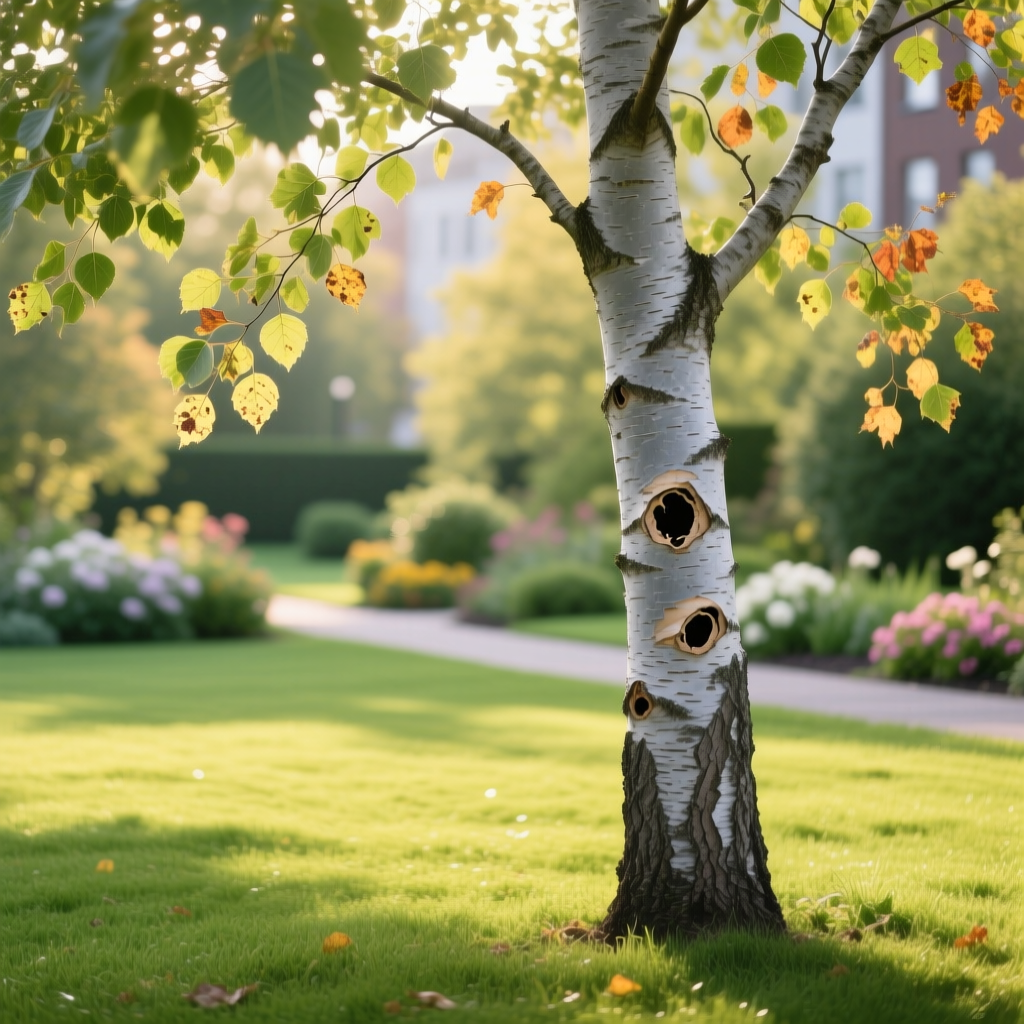
How to Identify & Treat Bronze Birch Borer Infestations
David ParkPublished
Birch trees are among the most beloved ornamental trees in North American landscapes, prized for their striking white bark, delicate foliage, and graceful form. However, these beautiful trees face a relentless enemy that can turn a thriving specimen into a dead skeleton in just a few short years: the bronze birch borer (Agrilus anxius). This native beetle is one of the most destructive pests affecting birch trees, and understanding how to identify, treat, and prevent infestations is essential for any homeowner or landscaper who values these iconic trees.
The bronze birch borer is a slender, dark-colored beetle with an iridescent bronze-green sheen that gives it its common name. While the adult beetles cause only minor feeding damage to leaves, it is the larval stage that poses the real threat. The larvae tunnel beneath the bark of birch trees, creating serpentine galleries that disrupt the flow of water and nutrients between the roots and the canopy. Over time, this girdling effect starves the upper portions of the tree, leading to progressive dieback and, ultimately, the death of the entire tree if left untreated.
Whether you are a seasoned gardener or a new homeowner who has just inherited a mature birch tree, this comprehensive guide will walk you through everything you need to know about bronze birch borer infestations. From early detection to proven treatment strategies and long-term prevention, you will find actionable advice to protect your trees and keep your landscape healthy. For more general tips on keeping your outdoor spaces thriving, explore our lawn care guides and related tree care resources.
Understanding the Bronze Birch Borer Life Cycle & Behavior
Before you can effectively combat the bronze birch borer, it is critical to understand its life cycle, preferred hosts, and the conditions that make trees vulnerable to attack. This knowledge forms the foundation for every treatment and prevention strategy discussed in this guide.
The Life Cycle of the Bronze Birch Borer
The bronze birch borer follows a one- to two-year life cycle depending on climate and host tree conditions. Adult beetles typically emerge from infested trees in late spring through early summer, usually between May and July. The emergence is marked by distinctive D-shaped exit holes in the bark, each approximately one-eighth of an inch across. These holes are a telltale diagnostic feature that distinguishes borer damage from other pests.
Once emerged, adult beetles feed on birch leaves for roughly two to three weeks before mating. Females then lay eggs in bark crevices, branch crotches, and wounds on the trunk and larger branches. A single female can lay between 50 and 100 eggs during her lifetime. The eggs hatch within one to two weeks, and the tiny larvae immediately bore through the bark into the phloem and cambium layers beneath.
The larvae spend the majority of their lives feeding in these sub-bark galleries, creating winding, S-shaped tunnels packed with frass (sawdust-like excrement). As the larvae grow, the galleries widen and can extend several inches in length. In late summer or early autumn, mature larvae construct pupal chambers just beneath the bark, where they overwinter. The following spring, they pupate and emerge as adults, completing the cycle.
Which Birch Trees Are Most Susceptible?
Not all birch species are equally vulnerable to bronze birch borer attack. Understanding the susceptibility of different species can help you make informed planting decisions and prioritize treatment efforts.
- European white birch (Betula pendula) — Highly susceptible and often the first to be attacked. This species, along with its cultivars such as the Youngii weeping birch, suffers severe damage in most regions where the borer is present.
- Paper birch (Betula papyrifera) — Moderately susceptible. Native to North America, paper birch has some natural resistance but becomes highly vulnerable when stressed by drought, age, or poor site conditions.
- Gray birch (Betula populifolia) — Moderately susceptible. This short-lived species is often attacked when under environmental stress.
- Yellow birch (Betula alleghaniensis) — Moderately resistant. This native species shows better tolerance but is not immune.
- River birch (Betula nigra) — Highly resistant. River birch is widely considered the best choice for landscapes in areas where bronze birch borers are prevalent. Cultivars such as 'Heritage' and 'Dura-Heat' exhibit excellent resistance.
- Japanese white birch (Betula platyphylla) — Moderately resistant, though not immune under severe stress conditions.
If you are considering adding a birch tree to your landscape, choosing a resistant species like river birch is one of the most effective long-term prevention strategies you can employ. For more advice on selecting and planting trees that thrive in your yard, check out our tree planting guide.
Conditions That Increase Vulnerability
Healthy, vigorous birch trees possess natural defense mechanisms that can resist or tolerate low-level borer activity. However, when trees are weakened by environmental stress, these defenses break down and the borers can establish damaging populations. The most common stressors that increase vulnerability include:
- Drought and inadequate watering — Birch trees have shallow root systems and require consistent moisture. Prolonged dry periods severely weaken trees and make them prime targets for borer attack.
- Compacted or poorly drained soil — Birch roots need well-aerated soil. Construction activity, heavy foot traffic, and poor drainage all compromise root health.
- Heat stress and sunscald — Birch trees planted in exposed, south-facing locations or near heat-reflecting surfaces like pavement and buildings experience elevated stress levels.
- Nutrient deficiencies — Poor soil fertility limits a tree's ability to produce the chemical defenses that deter borers.
- Mechanical damage — Wounds from lawnmowers, string trimmers, pruning cuts, and storm damage provide entry points for egg-laying females.
- Age and decline — Older birch trees naturally become more susceptible as their vigor declines. Many birch species have a landscape lifespan of 30 to 50 years.
Understanding these risk factors is crucial because nearly every prevention and treatment strategy revolves around reducing tree stress and maintaining vigorous growth. Maintaining a healthy landscape overall, from your soil health to your tree canopy, creates an environment where borers struggle to gain a foothold.
How to Identify a Bronze Birch Borer Infestation
Early detection is the single most important factor in saving a birch tree from bronze birch borer damage. Once an infestation has progressed to the point where large sections of the canopy have died, treatment options become limited and the prognosis is poor. Learning to recognize the early warning signs can mean the difference between saving your tree and losing it entirely.
Early Signs of Infestation
The earliest symptoms of bronze birch borer attack appear in the upper canopy of the tree, often one to three years after the initial colonization. Because the larvae feed in the phloem and cambium layers, they disrupt the transport of water and nutrients to the branches above their feeding galleries. This produces a characteristic pattern of dieback that progresses from the top of the tree downward.
Look for these early indicators during your regular landscape inspections:
- Sparse, undersized foliage in the upper crown, often appearing before visible dieback occurs. Leaves may be smaller than normal and lighter in color.
- Yellowing leaves (chlorosis) in the upper branches, particularly during mid-summer when water demand is highest.
- Branch tip dieback — The very tips of branches in the upper canopy begin to die, creating a ragged, thinning appearance.
- Premature fall coloration — Infested branches may turn yellow or brown weeks before healthy parts of the tree or neighboring trees begin their normal autumn color change.
Advanced Signs of Infestation
As the infestation progresses over one to three growing seasons, the symptoms become more pronounced and easier to diagnose:
- Progressive top-down dieback — Entire branches in the upper third to half of the canopy die, leaving bare, leafless limbs while the lower canopy may still appear relatively healthy. This top-down pattern is one of the most reliable field indicators of borer infestation.
- D-shaped exit holes — These distinctive emergence holes, approximately one-eighth inch wide, appear on the trunk and larger branches. They are often most numerous on the south and west sides of the tree where bark temperatures are warmest. Parting the loose outer bark on white-barked species may reveal hidden exit holes.
- Serpentine galleries beneath the bark — If you carefully peel back a section of bark on a dead or dying branch, you will find winding, S-shaped tunnels packed with brown, granular frass. These galleries are the definitive sign of borer activity.
- Ridged or swollen bark — The tree's attempt to callus over larval galleries can create raised, ridged areas on the bark surface, particularly on younger trees with smoother bark.
- Epicormic sprouting — The tree may produce clusters of new shoots (water sprouts) on the trunk and lower branches as it attempts to compensate for the loss of upper canopy function.
- Woodpecker activity — Woodpeckers feed on borer larvae beneath the bark. Flaking bark and small holes created by woodpeckers on the trunk and branches often indicate a heavy larval population.
Distinguishing Borer Damage from Other Problems
Several other issues can cause symptoms that resemble bronze birch borer damage, and misdiagnosis can lead to wasted treatment efforts. Here is how to differentiate the borer from other common birch problems:
- Birch leafminer — This pest causes brown, blotchy areas on individual leaves but does not cause branch dieback or D-shaped exit holes. The damage is cosmetic and rarely threatens tree health. Learn more about common tree pests and diseases in our comprehensive guide.
- Drought stress — Drought causes uniform wilting and browning across the entire canopy rather than the progressive top-down dieback pattern characteristic of borer infestation. However, drought stress often precedes and facilitates borer attack.
- Bronze birch borer vs. emerald ash borer — Both are metallic wood-boring beetles with similar life cycles, but the emerald ash borer (Agrilus planipennis) attacks ash trees, not birches. The D-shaped exit holes are similar, so correct tree identification is important.
- Root rot and vascular diseases — These can cause canopy decline but typically affect the entire tree more uniformly and do not produce exit holes or sub-bark galleries.
Conducting thorough inspections at least twice per year, in spring as leaves emerge and in late summer, will help you catch infestations at the earliest possible stage. Integrating tree inspections into your broader seasonal lawn and landscape care routine ensures nothing is overlooked.
Treatment Options for Bronze Birch Borer Infestations
Once you have confirmed a bronze birch borer infestation, prompt action is essential. The treatment approach you choose will depend on the severity of the infestation, the overall health of the tree, the value of the tree in your landscape, and your budget. Below are the primary treatment strategies, ranging from cultural practices to professional chemical interventions.
Assessing Whether Treatment Is Worthwhile
Not every infested tree is a good candidate for treatment. Before investing time and money, evaluate the tree's condition using these guidelines:
- Less than one-third canopy dieback — The tree is a good candidate for treatment. With proper intervention, recovery is likely.
- One-third to one-half canopy dieback — Treatment may still be effective, but recovery will take longer and the outcome is less certain. Aggressive treatment combined with cultural care is necessary.
- More than one-half canopy dieback — The tree is generally considered too far gone for successful treatment. Removal and replacement with a resistant species is usually the most practical option.
Also consider the tree's location, size, sentimental value, and the cost of removal versus treatment. Large, mature birch trees in prominent landscape positions may justify the expense of professional treatment even when the prognosis is uncertain.
Systemic Insecticide Treatments
Chemical control is the most effective tool for managing bronze birch borer infestations, and systemic insecticides are the gold standard. These products are absorbed by the tree and translocated to the tissues where larvae feed, killing them as they consume the treated phloem and cambium.
The most commonly used active ingredients include:
- Imidacloprid — Available in soil-applied formulations (drench or injection), imidacloprid is widely used for borer control. It is applied to the root zone in spring, where it is absorbed by the roots and transported upward through the tree. Soil applications are most effective when the soil is moist and the tree is actively transpiring. Homeowner products containing imidacloprid are available, but professional-grade formulations and application equipment provide superior results.
- Dinotefuran — This systemic insecticide can be applied as a soil drench or a basal trunk spray. It moves through the tree more rapidly than imidacloprid, making it a good choice for trees that need faster protection. Basal trunk sprays are applied to the lower 18 inches of the trunk and absorbed directly through the bark.
- Emamectin benzoate — Available exclusively to licensed pesticide applicators, this product is injected directly into the trunk using specialized equipment. It provides excellent control and can protect trees for up to two years with a single application. This is the preferred treatment for high-value trees with active infestations.
Timing is critical. Systemic insecticides must be applied in spring, typically between bud break and full leaf expansion, so the chemicals are in place before adult beetles emerge and lay eggs. Applications made too late in the season will not provide adequate protection for that year. Always read and follow label instructions carefully, and consider hiring a certified arborist for trunk injection treatments.
Trunk Sprays and Bark-Applied Contact Insecticides
Contact insecticides applied to the trunk and major branches can kill adult beetles as they land on the bark to feed and lay eggs. Products containing bifenthrin, permethrin, or carbaryl are commonly used for this purpose. These treatments must be applied when adults are actively emerging and may need to be repeated every three to four weeks throughout the emergence period, which typically lasts six to eight weeks.
While trunk sprays can reduce egg-laying, they do not affect larvae already established beneath the bark. For this reason, contact insecticides are best used as a supplement to systemic treatments rather than as a standalone approach. They can also be useful for protecting uninfested trees in the immediate vicinity of known infestations.
Cultural Controls and Tree Health Management
Cultural practices alone cannot eliminate an established bronze birch borer population, but they are essential components of any integrated treatment plan. A healthy, vigorously growing tree can compartmentalize borer damage, produce callus tissue to seal off galleries, and tolerate low levels of larval feeding without significant decline.
Key cultural practices include:
- Deep, infrequent watering — Provide supplemental irrigation during dry periods, applying enough water to moisten the soil to a depth of 12 to 18 inches. Use a soaker hose or drip irrigation placed at the drip line and beyond. Water birch trees deeply at least once per week during dry spells in the growing season. Proper watering practices benefit your entire landscape.
- Mulching — Apply a two- to four-inch layer of organic mulch (wood chips, shredded bark, or leaf compost) over the root zone, extending at least to the drip line. Keep mulch several inches away from the trunk to prevent rot. Mulch conserves soil moisture, moderates soil temperature, and reduces competition from turfgrass roots.
- Fertilization — A soil test should guide any fertilization program. In the absence of a soil test, a balanced, slow-release fertilizer applied in early spring can help maintain tree vigor. Avoid excessive nitrogen, which promotes lush, succulent growth that may actually attract borers.
- Avoiding root zone disturbance — Protect the root zone from compaction, grade changes, trenching, and construction damage. Do not park vehicles or pile materials under the canopy.
Pruning and Removal of Infested Wood
Pruning dead and dying branches serves several purposes in borer management. It improves the tree's appearance, removes some of the larval population, and reduces the number of adults that emerge from the tree to reinfest itself and nearby birches.
Follow these pruning guidelines:
- Remove branches that are clearly dead or have more than 50 percent dieback. Make clean cuts just outside the branch collar to promote rapid wound closure.
- Prune during late fall or winter when borers are inactive and the risk of attracting new infestations through fresh wounds is minimal.
- Dispose of infested wood promptly. Do not store birch firewood near living birch trees, as emerging adults can attack nearby trees. Chip, burn, or bury infested material before the following spring.
- Sterilize pruning tools between cuts when working on infested trees to prevent the spread of secondary pathogens.
For more detailed guidance on proper pruning techniques and timing, visit our tree pruning guide.
Prevention Strategies & Seasonal Care Tips
The most cost-effective and reliable approach to bronze birch borer management is prevention. By planting resistant species, maintaining tree health, and implementing protective treatments before borers attack, you can avoid the expense and heartbreak of losing mature birch trees.
Planting Resistant Species and Cultivars
If you are establishing new birch trees in your landscape, selecting resistant species is the single most impactful decision you can make. River birch (Betula nigra) and its cultivars 'Heritage' and 'Dura-Heat' offer excellent resistance to bronze birch borer and thrive in a wide range of soil and climate conditions. These trees also feature attractive, exfoliating bark that provides year-round visual interest.
Other relatively resistant options include:
- Dahurian birch (Betula davurica) — Tolerant of urban conditions with moderate borer resistance.
- Asian white birch (Betula platyphylla) — Shows better resistance than European white birch.
- 'Whitespire' birch (Betula platyphylla 'Whitespire') — A cultivar selected for improved borer resistance and heat tolerance.
When planting any birch species, choose a location with cool, moist, well-drained soil and partial shade, particularly on the south and west sides of the tree. Avoid planting birches in hot, dry, exposed sites or near paved surfaces that radiate heat. For more on creating an optimal landscape design, explore our landscaping resources.
Seasonal Care Calendar for Birch Trees
Maintaining a consistent care routine throughout the year keeps birch trees vigorous and less attractive to borers. Use this seasonal framework to guide your efforts:
Spring (March through May)
- Inspect the canopy as leaves emerge. Look for sparse foliage, delayed leaf-out, or dead branches in the upper crown.
- Apply systemic insecticide treatments if recommended for your area. Soil drenches should be applied when the soil is moist and the tree is actively growing.
- Apply a balanced, slow-release fertilizer based on soil test results.
- Refresh mulch layers to a depth of two to four inches over the root zone.
- Begin supplemental watering if spring rainfall is below normal.
Summer (June through August)
- Monitor for D-shaped exit holes on the trunk and larger branches.
- Watch for signs of canopy dieback, chlorosis, and premature fall color.
- Water deeply during dry periods. Birch trees may need one to two inches of water per week during hot, dry weather.
- Apply contact insecticide trunk sprays if adult emergence is occurring and systemic treatments were not applied.
- Avoid pruning during summer, as fresh wounds attract egg-laying females.
Fall (September through November)
- Continue watering until the ground freezes, especially if autumn is dry.
- Conduct a thorough end-of-season inspection. Note any areas of dieback for treatment planning the following spring.
- Rake and remove fallen leaves if foliar diseases were present during the growing season.
- Apply a layer of compost or well-rotted manure around the drip line to provide slow-release nutrients over winter.
Winter (December through February)
- Prune dead and infested branches during the dormant season.
- Protect trunks of young trees from sunscald and rodent damage using tree guards or wraps.
- Plan treatment strategies for the coming spring based on your fall inspection results.
- Avoid heavy foot traffic and soil compaction over the root zone, especially when the ground is frozen and roots are brittle.
Integrating birch tree care into your overall winter landscape maintenance routine ensures that your trees receive consistent attention year-round.
Protecting Nearby Birch Trees
If you have confirmed a bronze birch borer infestation in one tree, all other birch trees within a radius of at least 100 feet should be considered at risk. Adult beetles are capable fliers and will readily colonize nearby susceptible trees. Implement preventive treatments on all at-risk birches, even if they show no symptoms, as early-stage infestations can be present for one to two years before visible symptoms appear.
Consider working with neighbors to coordinate treatment efforts, as untreated birch trees on adjacent properties can serve as reservoirs for reinfestation. Community-wide management programs have proven effective in reducing borer populations in many neighborhoods.
Long-Term Landscape Strategies
Diversifying your tree species is one of the best long-term strategies for reducing the impact of any single pest. Monoculture plantings of birch trees create ideal conditions for borer populations to build and spread. By mixing species and ensuring that no single genus comprises more than 10 to 15 percent of your total tree canopy, you create a more resilient landscape that can withstand pest pressure.
Consider supplementing birch plantings with other ornamental trees that offer similar aesthetic qualities without the borer vulnerability. Serviceberry (Amelanchier), Japanese tree lilac (Syringa reticulata), and ornamental pear (Pyrus calleryana) are excellent alternatives that provide seasonal interest and are not hosts for bronze birch borers. For guidance on selecting and maintaining a diverse tree palette, browse our tree care section.
Frequently Asked Questions
Can a birch tree recover from a bronze birch borer infestation?
Yes, birch trees can recover from bronze birch borer infestations if the problem is detected early and treated aggressively. Trees with less than one-third canopy dieback have a good prognosis when treated with systemic insecticides and supported with proper cultural care, including deep watering, mulching, and appropriate fertilization. Recovery is a multi-year process. The tree will not immediately replace lost canopy, but with continued treatment and care, it can seal off damaged areas, produce new growth, and stabilize its condition. Trees with more than 50 percent canopy loss rarely recover fully and are often better candidates for removal and replacement. The key takeaway is that early detection dramatically improves outcomes, which is why regular inspections are so important.
How often should I treat my birch trees for bronze birch borers?
Treatment frequency depends on the product used and the level of borer pressure in your area. Soil-applied imidacloprid products typically need to be applied annually in spring. Dinotefuran, whether applied as a soil drench or basal trunk spray, is also generally applied on an annual basis. Trunk-injected emamectin benzoate can provide protection for up to two years per application, making it a more convenient option for large trees or properties with many birches. Once you begin a preventive treatment program, it should be continued indefinitely, as stopping treatment leaves the tree vulnerable to new infestations. In areas with low borer pressure, some arborists recommend treating every other year, but annual treatment is the safest approach in regions where the pest is well established.
Are there any natural or organic methods to control bronze birch borers?
While there are no highly effective organic insecticides specifically labeled for bronze birch borer control, several natural strategies can help reduce borer pressure as part of an integrated approach. Maintaining exceptional tree health through proper watering, mulching, and soil care is the most important natural defense, as vigorous trees can resist and tolerate low-level borer activity. Encouraging natural predators, particularly woodpeckers, by providing habitat features such as snags and nesting boxes, can reduce larval populations. Some gardeners report success with beneficial nematodes injected into borer galleries, though research on this method is limited and results are inconsistent. Neem oil and horticultural oils may deter adult feeding to some degree but do not provide reliable control on their own. For trees in high-risk areas, combining organic cultural practices with targeted systemic insecticide treatments offers the best balance of effectiveness and environmental responsibility.
Should I remove an infested birch tree or try to save it?
The decision to remove or treat an infested birch tree depends on several factors: the extent of canopy dieback, the tree's overall structural integrity, its value in the landscape, and the cost of treatment versus removal. As a general rule, if more than half of the canopy is dead, the tree is unlikely to recover and removal is the most practical option. Dead trees also pose safety hazards as branches become brittle and can fall without warning. If the tree has significant sentimental or aesthetic value and less than half the canopy is affected, treatment is usually worth pursuing. Consider consulting a certified arborist for a professional assessment. They can evaluate the tree's condition, recommend specific treatments, and provide cost estimates for both treatment and removal. If you do remove an infested tree, replace it with a resistant species such as river birch to avoid repeating the cycle. For more on managing declining trees, visit our tree removal guide.
Do bronze birch borers attack trees other than birch?
The bronze birch borer is highly host-specific and feeds almost exclusively on birch trees (Betula species). It does not attack ash, maple, oak, or other common shade trees. However, it is important not to confuse the bronze birch borer with closely related species such as the emerald ash borer (Agrilus planipennis), which attacks ash trees, or the twolined chestnut borer (Agrilus bilineatus), which attacks oak trees. All of these beetles belong to the same family (Buprestidae) and share similar life cycles and damage patterns, but each targets different host trees. If you have multiple tree species in your landscape showing signs of borer damage, you may be dealing with more than one borer species. Proper identification of both the pest and the host tree is essential for selecting the correct treatment. Our common tree pests guide can help you identify other pests that may be affecting your landscape.
Protecting your birch trees from bronze birch borer requires vigilance, knowledge, and a commitment to consistent tree care. By choosing resistant species, maintaining tree health through proper watering and cultural practices, monitoring for early signs of infestation, and applying timely treatments when needed, you can enjoy the beauty of birch trees in your landscape for decades to come. For more expert advice on maintaining a healthy, thriving yard, explore the full range of lawn and landscape guides available at Lawns Guide.
