
Tree Care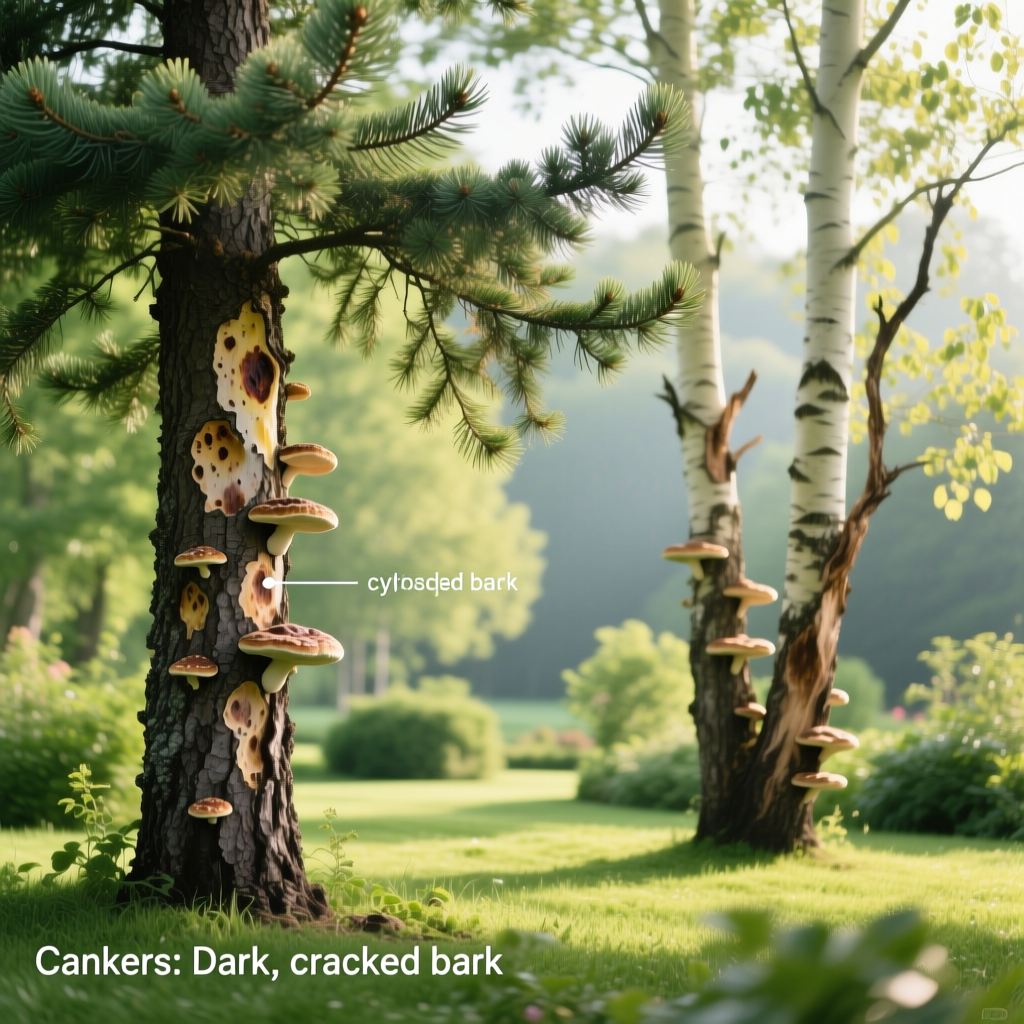
How to Identify & Treat Cytospora Canker in Spruce & Poplar Trees
Sarah ChenPublished
How to Identify & Treat Cytospora Canker in Spruce & Poplar Trees
Cytospora canker is one of the most destructive fungal diseases affecting spruce and poplar trees across North America. Caused by the pathogen Cytospora kunzei (also known as Leucocytospora kunzei), this disease attacks stressed or weakened trees, leading to unsightly dieback, resinous cankers, and, in severe cases, the complete loss of the tree. For homeowners and property managers who take pride in maintaining healthy, vibrant landscapes, understanding how to identify and treat Cytospora canker is essential.
Spruce trees—particularly Colorado blue spruce (Picea pungens) and Norway spruce (Picea abies)—are among the most commonly affected conifers. Poplar species, including aspen poplars and cottonwoods, are also highly susceptible. The disease thrives in environments where trees experience environmental stress, poor site conditions, or mechanical injury. Left unchecked, Cytospora canker can spread rapidly through a tree's vascular system, girdling branches and ultimately killing the host.
In this comprehensive guide, we will walk you through everything you need to know about Cytospora canker—from early identification and accurate diagnosis to effective treatment strategies and long-term prevention. Whether you are managing a single specimen tree in your yard or overseeing a larger landscape, these insights will help you protect your spruce and poplar trees for years to come. For additional guidance on maintaining a thriving yard, explore our lawn care guides and learn how proper ground maintenance supports overall tree health.
Identifying Cytospora Canker: Signs & Symptoms in Spruce & Poplar Trees
Early detection is the cornerstone of effective Cytospora canker management. The disease manifests differently in spruce and poplar trees, so understanding the specific symptoms associated with each species group is critical for accurate diagnosis.
Symptoms in Spruce Trees
In spruce trees, Cytospora canker typically begins on the lower branches and progresses upward over time. The earliest visible sign is often a subtle yellowing or browning of needles on individual branches. Unlike needle cast diseases, which tend to affect needles uniformly, Cytospora canker causes a distinctive pattern of dieback that starts at the branch tip and moves inward toward the trunk.
As the infection advances, you will notice the following symptoms:
- Needle discoloration and drop: Needles turn purplish-brown before falling off prematurely, leaving bare branches.
- White resin flow: One of the most diagnostic features is the profuse flow of white, crusty resin (pitch) from infected areas on the trunk or branches. This resin often accumulates in patches and can be seen dripping down the bark.
- Cankered bark: Beneath the resin, the bark becomes sunken, discolored, and may appear water-soaked. The infected area (canker) often has a clear boundary between healthy and diseased tissue.
- Amber to orange fruiting bodies: Tiny, pimple-like structures called pycnidia may appear on the surface of infected bark. During wet weather, these structures release amber-colored tendrils of spores.
- Progressive branch dieback: Over successive seasons, the dieback moves from lower branches upward, eventually affecting the entire tree canopy.
Symptoms in Poplar Trees
In poplar and aspen trees, Cytospora canker presents somewhat differently. The disease often enters through wounds, branch stubs, or areas of bark damage. Key symptoms include:
- Sunken, discolored cankers: Cankers on poplar bark appear as dark, sunken areas that may be surrounded by a callus ridge as the tree attempts to wall off the infection.
- Orange to black fruiting bodies: Small, raised bumps on the bark surface indicate the presence of fungal fruiting structures.
- Wilting and dieback: Branches above the canker site wilt and die as the fungus disrupts the flow of water and nutrients.
- Bark peeling: In advanced stages, the bark may slough off, revealing darkened, necrotic wood beneath.
- Foliage changes: Leaves on affected branches may be smaller than normal, chlorotic (yellowed), or wilted during the growing season.
It is important to differentiate Cytospora canker from other common tree ailments. In spruce, needle cast diseases and spider mite damage can cause similar browning, but these conditions do not produce the characteristic resin flow or sunken cankers. In poplars, hypoxylon canker and bacterial wetwood can cause bark abnormalities, but each has distinct features that set them apart. If you are unsure about the diagnosis, consulting with a certified arborist or your local extension service is always recommended.
Proper identification also connects to broader landscape health. Trees suffering from Cytospora canker often indicate underlying site problems—compacted soil, improper drainage, or drought stress—that may also affect your lawn. Our soil testing guide can help you assess whether your yard's growing conditions are contributing to tree stress.
Understanding the Cytospora Canker Disease Cycle
To effectively manage Cytospora canker, it helps to understand how the fungus operates and spreads. The pathogen Cytospora kunzei is an opportunistic organism—it rarely attacks healthy, vigorously growing trees. Instead, it targets trees that are already under stress from environmental or cultural factors.
How the Fungus Spreads
The Cytospora fungus overwinters in infected bark and cankers on the host tree. During wet weather in spring and early summer, the fruiting bodies (pycnidia) release spores that are dispersed by rain splash, wind, and insects. The spores enter the tree through wounds, including:
- Pruning cuts that have not healed properly
- Mechanical injuries from lawn mowers, string trimmers, or storms
- Insect boring holes
- Frost cracks and sunscald damage
- Natural branch shedding (self-pruning)
Once inside the tree, the fungus colonizes the inner bark and cambium layer, effectively girdling the branch or trunk section. This girdling cuts off the flow of water and nutrients, causing the visible dieback above the infection site. The fungus then produces new fruiting bodies on the dead bark, continuing the cycle of infection.
Environmental & Cultural Factors That Favor Disease
Several conditions increase the likelihood and severity of Cytospora canker outbreaks:
- Drought stress: Trees that do not receive adequate water are significantly more vulnerable to infection.
- Poor soil drainage: Waterlogged soils suffocate roots and weaken the tree's natural defense mechanisms.
- Compacted soil: Restricted root growth limits the tree's ability to absorb water and nutrients.
- Improper planting depth: Trees planted too deeply suffer from reduced oxygen availability to roots.
- Mechanical damage: Wounds from equipment or storms provide direct entry points for the fungus.
- Winter injury: Frost cracks, sunscald, and desiccation from winter winds create stress and wounds.
- Age and decline: Older trees and those nearing the end of their natural lifespan are more susceptible.
- Dense planting: Poor air circulation in crowded plantings creates a humid microclimate favorable to fungal growth.
Understanding these contributing factors is essential because treatment alone—without addressing the underlying stressors—will yield limited results. A holistic approach that combines disease management with improved cultural practices offers the best chance for long-term tree health. Maintaining healthy soil conditions is a key part of this approach; our lawn fertilization tips can help you develop a nutrient management plan that benefits both your turf and your trees.
Treatment Strategies for Cytospora Canker
Unfortunately, there is no single chemical cure for Cytospora canker once the fungus has established itself inside the tree. Management requires an integrated approach that combines surgical pruning, cultural improvements, and, in some cases, preventive fungicide applications. The goal of treatment is to slow the disease's progression, protect remaining healthy tissue, and restore the tree's vigor so it can defend itself more effectively.
Pruning Infected Branches
Pruning is the most direct and effective method for managing Cytospora canker. The objective is to remove all infected wood before the fungus can spread further into the tree. Follow these guidelines for successful therapeutic pruning:
- Prune during dry weather: Schedule pruning for late winter or early spring when the tree is dormant and conditions are dry. Pruning during wet weather increases the risk of spreading spores to fresh cuts.
- Cut well below the canker: Make cuts at least 6 to 12 inches below the visible margin of the canker, into healthy, discolored-free wood. Examine the cross-section of the cut to ensure no brown or discolored tissue remains.
- Use proper cutting technique: For larger branches, use the three-cut method to prevent bark tearing. Make an undercut first, then a top cut to remove the branch, and finally a clean cut at the branch collar.
- Respect the branch collar: Never make flush cuts against the trunk. Leaving the branch collar intact allows the tree to compartmentalize the wound more effectively.
- Sanitize tools between cuts: Disinfect pruning tools with a 10% bleach solution or 70% rubbing alcohol after every cut to prevent spreading the fungus to healthy tissue. This step is absolutely critical.
- Remove and destroy debris: Collect all pruned material and dispose of it by burning, burying, or sending it to a landfill. Do not chip infected wood for use as mulch near susceptible trees.
For trees where the canker has reached the main trunk, pruning options become limited. In such cases, the focus shifts to prolonging the tree's life through supportive care and monitoring. If the trunk is extensively girdled, removal of the tree may be the safest option to prevent it from becoming a hazard and to eliminate a source of inoculum for nearby trees.
Cultural Practices to Support Tree Recovery
Beyond pruning, several cultural practices can help stressed trees recover and build resistance to further infection:
- Deep watering: During dry periods, provide deep, infrequent watering to encourage deep root growth. Apply water slowly to the root zone (extending to the drip line and beyond) to a depth of 12 to 18 inches. A soaker hose or drip irrigation system works well for this purpose.
- Mulching: Apply a 2- to 4-inch layer of organic mulch (wood chips, shredded bark) around the base of the tree, extending to the drip line. Keep mulch at least 3 inches away from the trunk to prevent moisture buildup against the bark. Mulch conserves soil moisture, moderates soil temperature, and reduces competition from grass and weeds.
- Avoid mechanical damage: Maintain a mulched area around the tree to eliminate the need for mowing or trimming near the trunk. String trimmer and mower wounds are common entry points for Cytospora.
- Fertilize judiciously: Conduct a soil test before fertilizing. Excessive nitrogen can promote succulent growth that is more susceptible to disease, while a balanced nutrient profile supports overall tree vigor. For guidance on soil health, visit our soil testing guide.
- Improve drainage: If poor drainage is a concern, consider installing French drains or regrading the area to direct water away from the root zone.
- Protect from winter injury: Wrap young tree trunks with tree wrap or paint them with diluted white latex paint to prevent sunscald. Ensure trees enter winter well-hydrated by watering deeply in late fall before the ground freezes.
Fungicide Applications
Fungicides cannot cure existing Cytospora cankers, but they can serve as a protective measure for high-value trees or during periods of active spore release. Products containing copper-based compounds or chlorothalonil may be applied as protective sprays to wound sites and vulnerable bark areas. Timing is critical—applications should coincide with periods of spore dispersal (typically spring and early summer during wet weather).
Because fungicide use for Cytospora canker is primarily preventive and must be combined with other management strategies, it is best to consult with a licensed pesticide applicator or certified arborist to determine whether chemical treatment is appropriate for your situation. Always follow label instructions precisely when applying any pesticide product.
Preventing Cytospora Canker: Long-Term Tree Care Strategies
Prevention is always more effective and economical than treatment when it comes to Cytospora canker. By creating growing conditions that promote vigorous tree growth and minimizing the wounds and stressors that invite infection, you can significantly reduce the risk of disease in your landscape.
Selecting Resistant Species & Proper Planting
If you are planning to add new trees to your landscape, species selection is one of the most impactful decisions you can make. While no spruce or poplar is completely immune to Cytospora canker, some species and cultivars show greater tolerance:
- Norway spruce (Picea abies) is generally more tolerant than Colorado blue spruce, though it is not immune.
- Serbian spruce (Picea omorika) shows good resistance and is an excellent alternative for many landscapes.
- White spruce (Picea glauca) tends to be less susceptible than blue spruce.
- Among poplars, avoid planting highly susceptible species like aspen (Populus tremuloides) in sites with known disease pressure. Consider disease-resistant cultivars where available.
Proper planting technique is equally important. Plant trees at the correct depth (root flare at or slightly above grade), in a hole that is two to three times the width of the root ball, and in well-drained soil. Avoid planting in compacted or poorly drained sites. For more tips on establishing a healthy landscape from the ground up, check out our new lawn establishment guide, which covers soil preparation strategies that also benefit tree planting.
Ongoing Maintenance for Disease Prevention
Once trees are established, consistent maintenance is the key to keeping them healthy and resistant to Cytospora canker:
- Establish a regular watering schedule: Mature trees benefit from deep watering during extended dry spells. A general guideline is to provide 1 inch of water per week during the growing season, either through rainfall or supplemental irrigation.
- Monitor for pests: Insect borers, bark beetles, and defoliators can weaken trees and create wounds that facilitate Cytospora infection. Inspect trees regularly and address pest problems promptly.
- Prune proactively: Remove dead, dying, or crossing branches during dormant season to improve air circulation and reduce potential infection sites. Learn more about proper pruning techniques in our tree pruning guide.
- Maintain soil health: Periodic soil testing and appropriate amendments ensure that trees have access to the nutrients they need. Organic matter additions, such as compost top-dressing, can improve soil structure and microbial activity.
- Avoid soil compaction: Limit foot traffic and heavy equipment use within the tree's root zone. Compacted soil restricts root growth and water infiltration.
- Inspect trees annually: Conduct a thorough visual inspection of all susceptible trees at least once per year. Look for early signs of cankers, resin flow, bark abnormalities, and branch dieback.
Seasonal Care Calendar
A seasonal approach to tree care ensures that you address the right tasks at the right time:
- Spring: Inspect trees for new symptoms as growth resumes. Prune any branches that died back over winter. Apply protective fungicides if recommended. Begin supplemental watering if spring rains are insufficient.
- Summer: Monitor trees closely during hot, dry periods. Water deeply as needed. Watch for insect activity and treat as necessary. Avoid pruning during wet summer weather.
- Fall: Water trees deeply before the ground freezes to reduce winter desiccation stress. Apply a fresh layer of mulch to protect roots from temperature fluctuations. Remove fallen debris from around the base of trees.
- Winter: This is the ideal time for major pruning, as the tree is dormant and fungal spores are less active. Inspect the tree structure for hazards and plan any necessary corrective pruning. Protect young trunks from sunscald and rodent damage.
Integrating tree care with your overall landscape maintenance routine produces the best results. Healthy lawns and healthy trees share many of the same requirements—proper watering, good soil, and consistent attention. Browse our complete lawn care library for seasonal tips that complement your tree care efforts.
When to Call a Professional: Assessing Tree Risk & Removal Decisions
While many aspects of Cytospora canker management can be handled by informed homeowners, there are situations where professional intervention is warranted. Recognizing when to call a certified arborist can save you time, money, and potential safety hazards.
Signs That Professional Help Is Needed
Consider consulting a certified arborist or tree care professional in the following situations:
- The canker has reached the main trunk: Trunk infections are difficult to manage with pruning alone and require expert assessment to determine whether the tree can be saved.
- Large limbs or the entire tree show dieback: Extensive canopy loss (more than 30-40%) suggests that the disease is advanced and the tree's long-term viability is in question.
- The tree poses a safety hazard: Trees with significant structural decay or large dead branches near structures, driveways, or walkways should be evaluated by a professional for risk of failure.
- Multiple trees are affected: If Cytospora canker is spreading across several trees in your landscape, a professional can develop a comprehensive management plan.
- You are unsure of the diagnosis: Accurate identification is essential. A professional can confirm whether Cytospora is the culprit or if another disease or disorder is at play.
Making the Decision to Remove a Tree
In some cases, the most responsible course of action is to remove a severely affected tree. This decision should be based on several factors:
- The percentage of the canopy that is dead or dying
- Whether the trunk is girdled or structurally compromised
- The tree's proximity to structures, power lines, or high-traffic areas
- The cost of ongoing treatment versus replacement
- The risk of the tree serving as an inoculum source for nearby healthy trees
When removing a Cytospora-infected tree, take care to dispose of all wood and debris properly. Grinding the stump and removing major roots can help prevent the fungus from persisting in the soil. Consider replanting with a resistant species and improving site conditions before installing the new tree.
Tree removal and replanting also present an opportunity to reassess your overall landscape design. Proper spacing between trees, thoughtful species selection, and integration with your lawn and garden areas can create a more resilient and attractive outdoor space. For inspiration on designing a cohesive landscape, explore our landscape design basics guide.
Frequently Asked Questions About Cytospora Canker
Can Cytospora canker kill my spruce or poplar tree?
Yes, Cytospora canker can eventually kill a spruce or poplar tree if left untreated. The fungus progressively girdles branches and, eventually, the main trunk, cutting off the flow of water and nutrients. The process is typically slow, often taking several years to kill a mature tree, but the decline accelerates as more of the canopy becomes affected. Early detection and consistent management can significantly extend the life of an infected tree, but in advanced cases, removal may be the only practical option.
Is Cytospora canker contagious to other trees in my yard?
Cytospora canker can spread to other susceptible trees in your landscape, particularly if they are under stress. The fungus produces spores that are carried by rain splash, wind, and insects to nearby trees. However, the disease is opportunistic—it primarily infects trees that are already weakened by drought, injury, poor soil conditions, or other stressors. Healthy, well-maintained trees are far less likely to become infected. To reduce the risk of spread, promptly prune and dispose of infected material, sanitize tools between cuts, and address any underlying environmental stressors affecting your trees.
Are there any fungicides that cure Cytospora canker?
There are no fungicides that can cure Cytospora canker once the fungus has colonized the inner bark and cambium. Fungicides may be used as a preventive measure to protect wound sites and vulnerable bark during periods of active spore release, but they cannot penetrate deeply enough to eliminate an established infection. The most effective management strategy combines surgical pruning of infected tissue with cultural practices that reduce tree stress and promote vigorous growth. Always consult a certified arborist or licensed pesticide applicator before applying fungicides to determine the most appropriate product and timing for your situation.
How often should I inspect my spruce and poplar trees for Cytospora canker?
You should inspect your spruce and poplar trees at least twice per year—once in early spring as new growth begins and again in late fall after leaf drop (for deciduous poplars) or before winter sets in (for evergreen spruces). During each inspection, look for signs of needle or leaf discoloration, unusual resin or sap flow, sunken or discolored areas on the bark, and any dead or dying branches. After severe storms, conduct an additional inspection to check for mechanical damage that could serve as an entry point for the fungus. Regular monitoring allows you to catch the disease early when management options are most effective.
What should I plant as a replacement if my tree dies from Cytospora canker?
If you need to replace a tree lost to Cytospora canker, choose species that are less susceptible to the disease and well-suited to your site conditions. For a conifer replacement, consider Serbian spruce (Picea omorika), Oriental spruce (Picea orientalis), or true firs (Abies species) if your climate supports them. For a deciduous shade tree, consider species outside the Populus genus, such as oaks, maples, lindens, or zelkovas, depending on your hardiness zone and soil conditions. Before planting, improve the site by addressing any drainage issues, alleviating soil compaction, and amending the soil based on a soil test. Avoid planting the new tree in the exact same spot as the removed tree if possible, or thoroughly remove the old stump and roots to reduce residual inoculum. For more tips on selecting and establishing healthy trees, visit our tree care resource center.
Final Thoughts on Managing Cytospora Canker
Cytospora canker is a formidable disease, but it is not an automatic death sentence for your spruce and poplar trees. By learning to recognize the early symptoms, understanding the environmental conditions that favor the disease, and implementing a comprehensive management strategy that includes proper pruning, cultural care, and preventive measures, you can protect your trees and extend their lifespan significantly.
The key takeaway is that tree health is inseparable from overall landscape health. The same practices that produce a lush, green lawn—proper watering, healthy soil, and consistent maintenance—also create the conditions in which trees thrive and resist disease. By taking a holistic approach to your outdoor space and staying vigilant with regular inspections, you can enjoy the beauty and benefits of healthy spruce and poplar trees for many years to come.
For more expert guidance on tree care and lawn maintenance, explore the full collection of resources at Lawns Guide. Whether you are troubleshooting a specific problem or planning a landscape renovation, our guides provide the practical, science-backed information you need to succeed.

