Birch trees are among the most beloved ornamental trees in North American landscapes, prized for their striking white bark, delicate foliage, and graceful form. However, these beautiful trees face a persistent and often devastating threat: the bronze birch borer (Agrilus anxius). This native beetle has been responsible for the decline and death of countless birch trees across the continent, and understanding how to identify, prevent, and control infestations is essential for any homeowner or landscape professional who values these iconic trees.
The bronze birch borer is a slender, olive-bronze beetle that targets stressed or weakened birch trees. While the adult beetles cause minimal damage by feeding on leaves, it is the larval stage that poses the real danger. The larvae tunnel beneath the bark, creating extensive galleries that disrupt the tree's vascular system, effectively strangling the flow of water and nutrients. Left unchecked, a bronze birch borer infestation will almost certainly kill the host tree within two to four years.
Whether you are a seasoned gardener or a new homeowner with birch trees on your property, this comprehensive guide from Lawns Guide will equip you with the knowledge you need to protect your trees. For broader landscape health strategies, be sure to explore our tree care resources and lawn care guides to keep your entire outdoor space thriving.
Identifying Bronze Birch Borer Infestations: Signs and Symptoms
Early detection is the single most important factor in saving a birch tree from bronze birch borer damage. Because the larvae feed beneath the bark, the infestation can progress significantly before obvious symptoms appear on the exterior of the tree. Learning to recognize the subtle early warning signs can mean the difference between a successful treatment and the loss of a mature, cherished tree.
Crown Dieback and Yellowing Foliage
One of the earliest visible indicators of a bronze birch borer infestation is thinning or dieback in the upper crown of the tree. You may notice that the leaves at the top of the birch are smaller than normal, yellowing prematurely, or failing to emerge in spring. This symptom occurs because the larvae girdle the upper branches first, cutting off nutrient flow to the highest parts of the canopy. The dieback typically progresses downward over successive seasons, eventually affecting the entire tree if no intervention takes place.
It is important not to confuse this symptom with general drought stress or nutrient deficiency, which can also cause yellowing leaves. If the dieback is concentrated in the upper crown and follows a distinct pattern of branch-by-branch decline, bronze birch borers should be suspected immediately. Proper tree watering practices can help distinguish between drought stress and borer damage.
D-Shaped Exit Holes
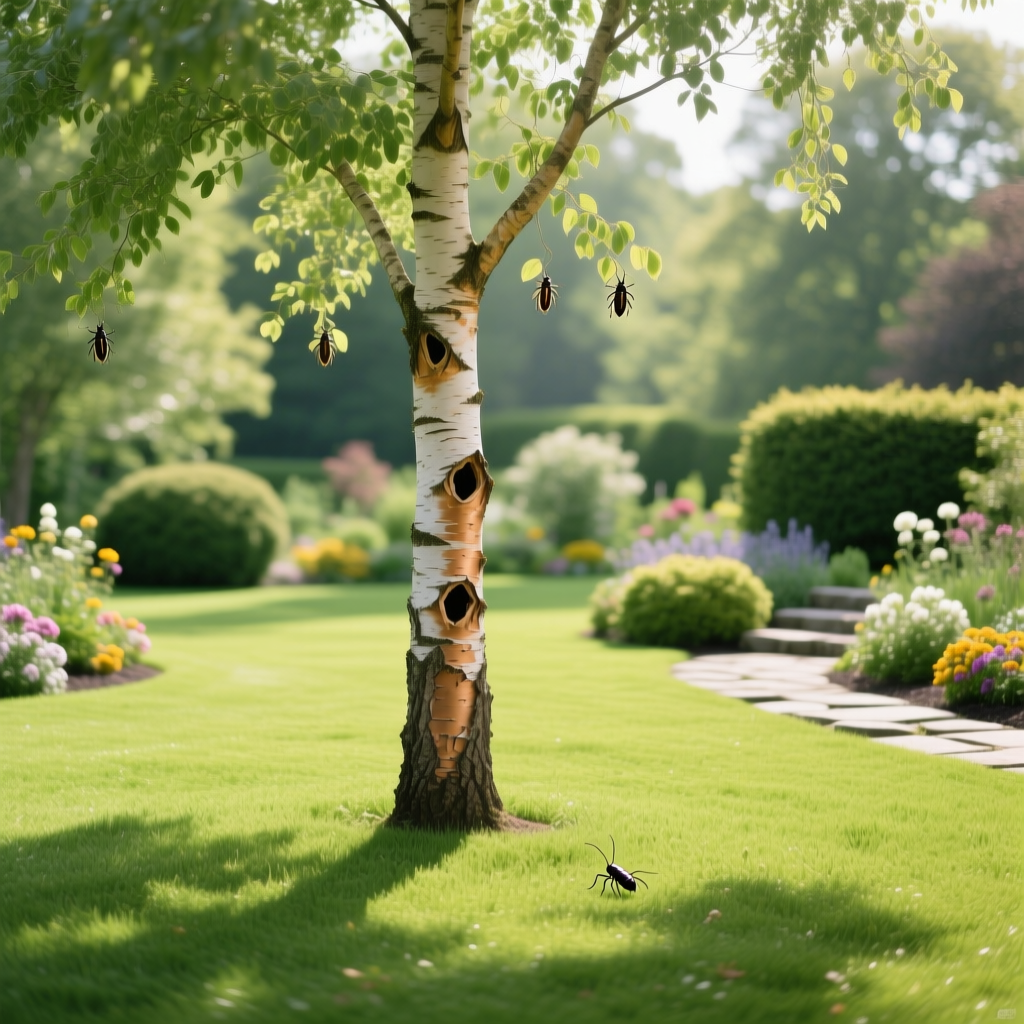
The most definitive sign of a bronze birch borer infestation is the presence of D-shaped exit holes in the bark. These holes are approximately one-eighth of an inch in diameter and have a distinctive flat side, giving them their characteristic D shape. The holes are created when adult beetles emerge from the tree in late spring and early summer after completing their development beneath the bark.
These exit holes are most commonly found on the trunk and larger branches, particularly on the sun-exposed sides of the tree. If you spot even a few of these holes, it indicates that the tree has been hosting larvae for at least one to two years, meaning the infestation may be more advanced than the visible symptoms suggest.
Serpentine Galleries Beneath the Bark
If you peel back loose bark on an infested birch tree, you will reveal a network of winding, serpentine tunnels called galleries. These galleries are packed with frass, a fine sawdust-like material that is the byproduct of larval feeding. The galleries zigzag and widen as the larvae grow, and they may extend several feet along the trunk and branches. The presence of these galleries is conclusive evidence of borer activity and indicates significant internal damage to the tree's cambium and phloem layers.
Bark Swelling and Ridging
As the tree attempts to heal around the larval galleries, the bark may develop raised ridges, swellings, or a rough, lumpy texture. This is the tree's natural response to injury, but it also signals that extensive tunneling is occurring beneath the surface. In heavily infested trees, the bark may begin to crack and peel away, revealing the galleries underneath and making the tree more vulnerable to secondary pests and diseases.
Woodpecker Activity
An often-overlooked indicator of bronze birch borer infestation is increased woodpecker activity on the tree. Woodpeckers are adept at detecting larvae beneath the bark and will peel away sections of bark to feed on them. If you notice fresh woodpecker damage on your birch tree, particularly in the form of small, rectangular excavations, it is worth investigating further for signs of borer larvae.
Understanding the Bronze Birch Borer Life Cycle
To effectively control bronze birch borers, it is critical to understand their life cycle and the timing of each developmental stage. This knowledge allows you to target treatments when they will be most effective and to anticipate when new generations of beetles will emerge.
Adult bronze birch borers typically emerge from infested trees between late May and early July, depending on local climate conditions. The beetles are slender, measuring about one-quarter to one-half inch in length, with a metallic olive-bronze coloration. After emerging, the adults feed on birch leaves for approximately one to two weeks before mating. The feeding damage caused by adults is relatively minor and appears as small, irregular holes or notches along the leaf margins.
After mating, the female beetle lays her eggs in crevices and rough areas of bark, preferring trees that are stressed, sun-exposed, or recently transplanted. A single female can lay between 50 and 100 eggs over her lifespan of several weeks. The eggs hatch within about two weeks, and the tiny larvae immediately bore through the bark to reach the cambium layer, where they begin feeding.
The larvae feed and grow throughout the summer and fall, creating the characteristic serpentine galleries. They overwinter as larvae beneath the bark and resume feeding in the spring before pupating. The pupal stage lasts approximately two to three weeks, after which the adult beetle chews its way out through the bark, creating the telltale D-shaped exit hole. In most regions, the bronze birch borer completes one generation per year, although in warmer climates, the cycle may be completed more quickly.
Understanding this cycle is essential for timing preventive treatments and monitoring efforts. For more information on managing seasonal pest pressures across your landscape, visit our seasonal lawn maintenance guide.
Prevention Strategies: Keeping Your Birch Trees Healthy
The most effective approach to managing bronze birch borers is prevention. These beetles are strongly attracted to stressed, weakened, or injured trees, so maintaining the overall health and vigor of your birch trees is the first and most important line of defense.
Selecting Resistant Species and Cultivars
Not all birch species are equally susceptible to bronze birch borer attack. European white birch (Betula pendula) and its cultivars, such as the popular 'Youngii' weeping birch, are highly susceptible and are often the first trees to be attacked. Paper birch (Betula papyrifera) and gray birch (Betula populifolia) show moderate susceptibility.
If you are planning to plant new birch trees in your landscape, consider species that exhibit greater resistance to bronze birch borers. River birch (Betula nigra) and its cultivars, such as 'Heritage' and 'Cully,' are significantly more resistant to borer attack and are excellent choices for landscapes where bronze birch borers are known to be active. Sweet birch (Betula lenta) and yellow birch (Betula alleghaniensis) also show good resistance. Choosing the right species from the start can save you years of costly treatments and the heartbreak of losing a mature tree.
Proper Watering and Mulching
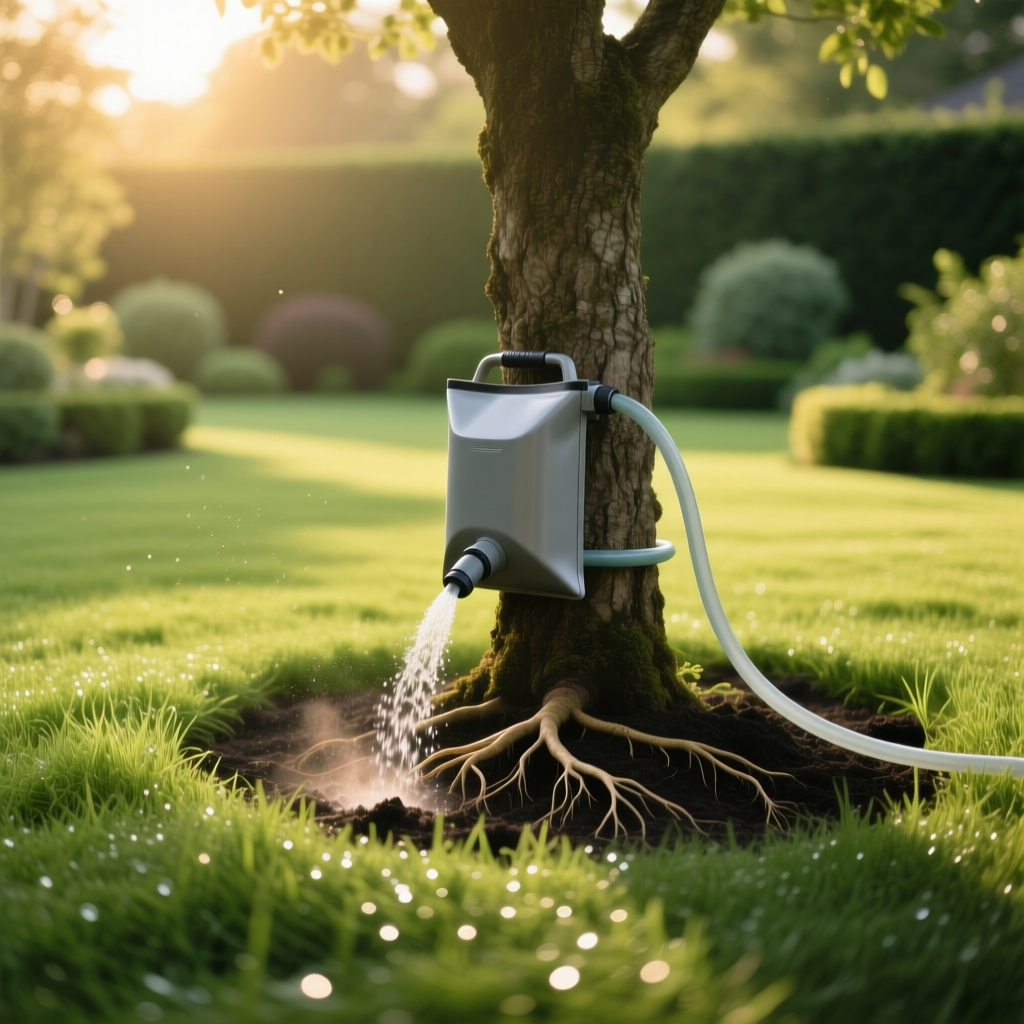
Birch trees have shallow root systems and are particularly sensitive to drought stress. Consistent, deep watering is essential, especially during dry periods in summer and early fall. A mature birch tree should receive approximately one inch of water per week, applied slowly to allow deep penetration into the soil. Drip irrigation or soaker hoses are ideal delivery methods.
Applying a layer of organic mulch around the base of the tree helps retain soil moisture, regulate soil temperature, and reduce competition from grass and weeds. Spread two to four inches of wood chips or shredded bark mulch in a wide ring around the tree, extending to the drip line if possible. Be careful not to pile mulch against the trunk, as this can promote rot and create habitat for rodents that may damage the bark. For more tips on effective mulching techniques, check out our mulching basics guide.
Avoiding Tree Injury and Stress
Any injury to a birch tree can create an entry point for bronze birch borers and increase the tree's attractiveness to egg-laying females. Avoid wounding the trunk or roots with lawnmowers, string trimmers, or construction equipment. If you must perform construction or grading work near birch trees, take steps to protect the root zone from compaction and damage.
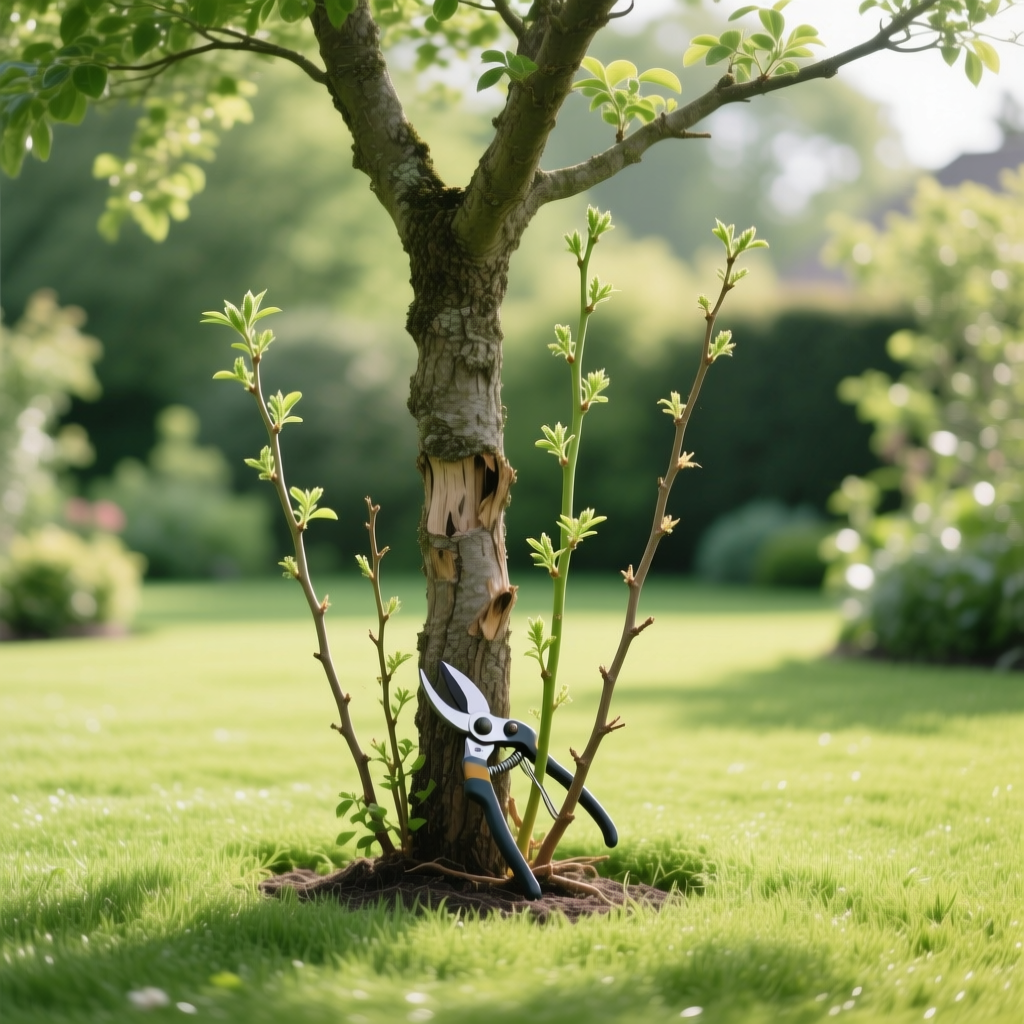
Pruning should be done carefully and at the right time of year. Avoid pruning birch trees in spring and early summer when adult beetles are active and can be attracted to fresh wounds. Instead, prune during the dormant season in late fall or winter. For detailed guidance on proper pruning techniques, refer to our tree pruning guide.
Soil Health and Fertilization
Birch trees thrive in slightly acidic, well-drained soils with adequate organic matter. A soil test can help determine whether your soil needs amendments to support optimal tree health. Light fertilization in early spring with a balanced, slow-release fertilizer can help maintain vigor, but avoid over-fertilizing, as excessive nitrogen can promote soft, succulent growth that is more attractive to pests. Maintaining healthy soil is just as important for trees as it is for your lawn; our soil testing guide covers the fundamentals.
Controlling Active Bronze Birch Borer Infestations
If your birch tree is already showing signs of bronze birch borer infestation, prompt action is essential. The appropriate control strategy depends on the severity of the infestation and the overall condition of the tree. Trees with less than 50 percent crown dieback can often be saved with aggressive treatment, while trees with more extensive damage may not be viable candidates for treatment and should be considered for removal to prevent the spread of borers to nearby trees.
Systemic Insecticide Treatments
Systemic insecticides are the most effective chemical control option for bronze birch borers. These products are absorbed by the tree and translocated through the vascular system, where they kill larvae feeding beneath the bark and adults feeding on leaves. The most commonly used active ingredients include imidacloprid, dinotefuran, and emamectin benzoate.
Imidacloprid is widely available and can be applied as a soil drench or trunk injection. Soil drench applications are typically made in spring, before adult emergence, and require several weeks to be fully translocated throughout the tree. Trunk injections provide faster translocation and are often preferred for larger trees or trees with advanced infestations. Dinotefuran is another systemic option that moves more rapidly through the tree and can be applied as a basal trunk spray or soil application.
Emamectin benzoate is a newer systemic insecticide that is applied exclusively by trunk injection and has shown excellent efficacy against bronze birch borers. It provides extended residual control, often protecting the tree for up to two years with a single treatment. Because trunk injection requires specialized equipment and training, this treatment is typically applied by licensed arborists or pest control professionals.
When using any insecticide, always read and follow the product label instructions carefully. The label is the law, and it provides critical information about application rates, timing, safety precautions, and environmental considerations. Avoid applying systemic insecticides to flowering trees to minimize the risk of exposure to pollinators.
Trunk Spray Applications
Contact insecticides applied as trunk sprays can help reduce the number of adult beetles that land on and lay eggs on the tree. Products containing bifenthrin or permethrin can be applied to the trunk and major branches during the adult emergence period in late spring and early summer. These treatments kill adults on contact and provide a residual barrier that can last several weeks. However, trunk sprays do not control larvae that are already established beneath the bark, so they are most effective when used in combination with systemic treatments or as a preventive measure for uninfested trees.
Sanitation and Tree Removal
Severely infested trees that are no longer viable candidates for treatment should be removed and properly disposed of to prevent the emerging beetles from spreading to nearby birch trees. The ideal time for removal is during the fall and winter, before the next generation of adults emerges in spring. If the tree must be removed during the growing season, the wood should be chipped, burned, or covered with heavy plastic to prevent beetle emergence.
Do not store infested birch firewood near healthy birch trees, as adult beetles can emerge from the wood and attack nearby trees. If you must store firewood, keep it at least 100 feet away from living birches and cover it securely. For guidance on safely removing trees and managing the impact on your landscape, see our tree removal guide.
Biological Control and Natural Predators
While biological control options for bronze birch borers are currently limited, natural predators do play a role in keeping populations in check. Woodpeckers, particularly the downy and hairy woodpeckers, are significant predators of borer larvae and can remove a substantial percentage of larvae from infested trees. Encouraging woodpecker activity by providing habitat and avoiding the use of broad-spectrum insecticides that may harm these beneficial birds can contribute to long-term borer management.
Some parasitic wasps also attack bronze birch borer larvae, although their impact is generally not sufficient to control a serious infestation on its own. Research into biological control agents is ongoing, and new options may become available in the future.
Seasonal Care Tips for Birch Trees
Maintaining a consistent, seasonally appropriate care routine is one of the best ways to keep your birch trees healthy and resistant to bronze birch borer attack. Here is a season-by-season breakdown of key care activities.
Spring Care
Spring is a critical time for both monitoring and preventive treatment. As the weather warms and the tree breaks dormancy, inspect your birch trees carefully for signs of dieback, D-shaped exit holes, or woodpecker damage. If you plan to apply a systemic soil drench insecticide, early spring is the ideal time, as the tree's active sap flow will help carry the product into the canopy before adult beetles emerge. Ensure that your trees are receiving adequate water as new growth begins, and apply a fresh layer of mulch if the existing mulch has decomposed or been displaced over the winter.
Summer Care
During the summer months, focus on maintaining consistent moisture levels, particularly during periods of heat and drought. Deep watering once or twice per week is preferable to frequent shallow watering. Monitor the tree for any new signs of dieback or borer activity. If you are using trunk spray insecticides as a preventive measure, reapply according to the product label schedule throughout the adult flight period. Avoid any pruning or wounding of the tree during this time, as fresh wounds can attract egg-laying female beetles.
Fall Care
Fall is an excellent time for planting new birch trees, as the cooler temperatures and increased rainfall reduce transplant stress. Continue to water established trees deeply until the ground freezes, as adequate fall moisture helps the tree survive the winter and enter the next growing season in good condition. Rake and remove fallen leaves to reduce the habitat for overwintering pests and fungal pathogens. This is also a good time to assess the overall health of your trees and plan any treatments or pruning that will be needed during the dormant season.
Winter Care
Winter is the best time for structural pruning, as the tree is dormant and the risk of attracting borers is minimal. Remove dead, damaged, or crossing branches to improve air circulation and light penetration within the canopy. Inspect the trunk and branches for signs of borer activity that may have been obscured by foliage during the growing season. If you have identified a severely infested tree that needs to be removed, winter is the safest time to do so, as the larvae are dormant beneath the bark and will not emerge to spread to other trees. For more on preparing your landscape for cold weather, visit our winter lawn protection guide.
Frequently Asked Questions About Bronze Birch Borers
Can a birch tree recover from a bronze birch borer infestation?
Yes, a birch tree can recover from a bronze birch borer infestation if the problem is detected early and treated aggressively. Trees with less than 50 percent crown dieback have a reasonable chance of recovery with proper systemic insecticide treatment, adequate watering, and ongoing care. However, trees with more than 50 percent dieback have suffered too much vascular damage and are unlikely to recover, even with treatment. In these cases, removal is usually the best option to protect nearby birch trees from becoming infested.
How often should I treat my birch trees for bronze birch borers?
The frequency of treatment depends on the product used and the severity of the infestation. Soil-applied imidacloprid is typically applied once per year in spring. Trunk-injected emamectin benzoate can provide protection for up to two years per application. Dinotefuran may need to be applied annually or even twice per year in high-pressure situations. Always follow the specific product label for application frequency and timing. Once a treatment program is established, ongoing monitoring is essential to ensure that the treatment is effective and to adjust the schedule if necessary.
Are there birch tree species that are immune to bronze birch borers?
No birch species is completely immune to bronze birch borers, but some are significantly more resistant than others. River birch (Betula nigra) and its cultivars are the most resistant and are rarely killed by borer attack. Sweet birch (Betula lenta) and yellow birch (Betula alleghaniensis) also show good resistance. On the other end of the spectrum, European white birch (Betula pendula) and its cultivars are highly susceptible and should be avoided in areas where bronze birch borers are active. Choosing a resistant species is the single most effective long-term strategy for preventing borer damage.
Can bronze birch borers spread to other types of trees?
Bronze birch borers are highly host-specific and primarily attack birch trees (Betula species). They do not typically infest other genera of trees such as maples, oaks, or pines. However, all species of birch are potential hosts, so if you have multiple birch trees on your property, an infestation in one tree poses a risk to all of them. Monitoring and treating all birch trees in the landscape is important for comprehensive borer management.
Should I hire a professional arborist to treat my birch trees?
While some preventive treatments, such as soil-applied insecticides, can be applied by homeowners, hiring a certified arborist is strongly recommended for several reasons. Professional arborists can accurately assess the health of your trees, determine whether treatment is likely to be successful, and apply trunk-injected products that are not available to the general public. They also have the expertise to identify secondary problems, such as fungal diseases or other pest infestations, that may be complicating the tree's recovery. For valuable or mature birch trees, the investment in professional care is well worth the cost compared to the expense and emotional impact of losing a beloved tree.
Protecting Your Birch Trees for the Long Term
Bronze birch borers are a formidable adversary, but they are not invincible. By combining vigilant monitoring, proactive cultural practices, and targeted treatments when necessary, you can protect your birch trees from these destructive pests and enjoy their beauty for decades to come. The key is to start early, stay consistent, and never underestimate the importance of keeping your trees healthy and stress-free.
Remember that a healthy landscape is an interconnected system. The same principles of good soil health, proper watering, and attentive care that protect your trees also contribute to a lush, vibrant lawn. Explore our complete collection of lawn care tips and tree care guides to build a comprehensive maintenance plan that keeps your entire outdoor space looking its best year after year.
If you suspect that your birch trees are under attack from bronze birch borers, do not wait. The sooner you take action, the greater the chance of saving your trees. Consult with a certified arborist, implement the preventive strategies outlined in this guide, and give your birch trees the care they need to thrive in the face of this persistent threat.