Tree Care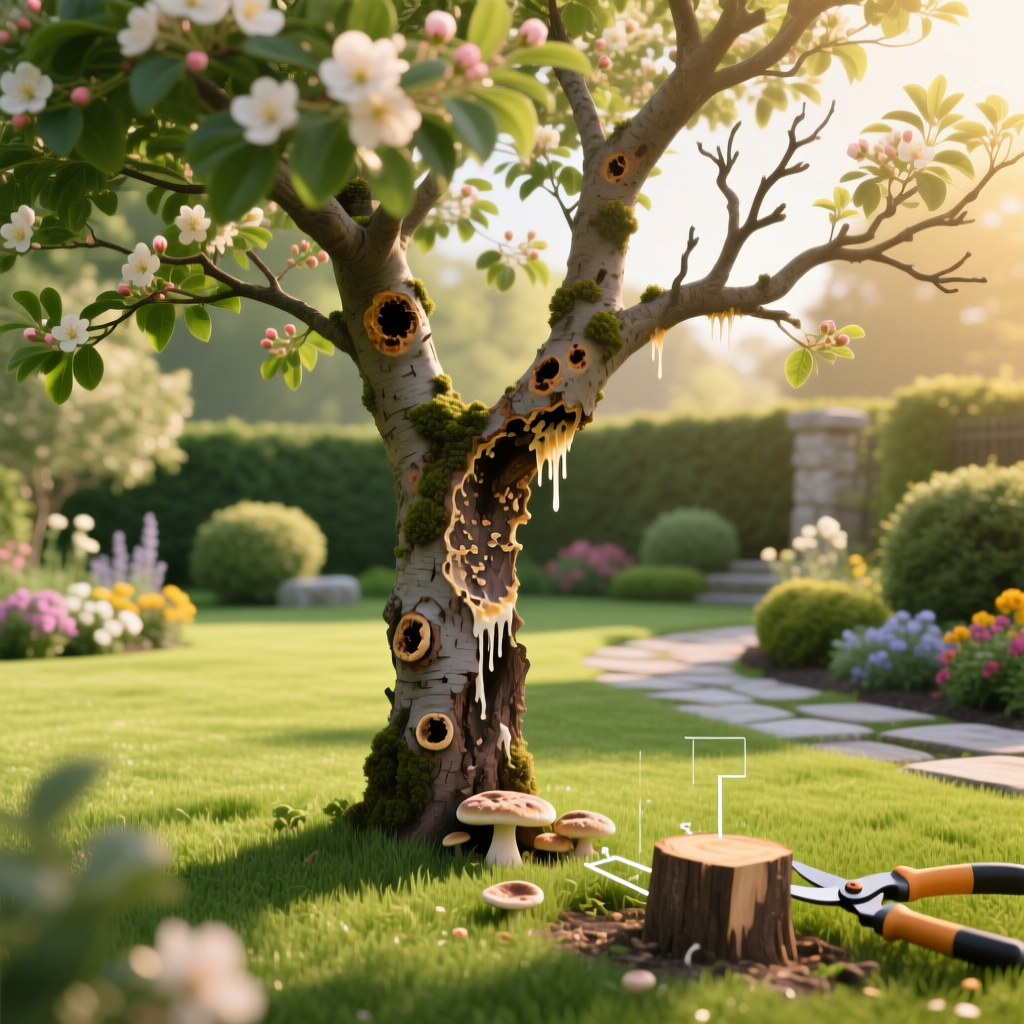
Identifying & Treating Canker Disease in Ornamental...
Robert HayesPublished
Ornamental flowering trees are the crown jewels of any landscape, providing stunning seasonal blooms, elegant structure, and invaluable shade. From flowering cherries and crabapples to dogwoods and magnolias, these trees transform ordinary yards into breathtaking outdoor spaces. However, one of the most insidious threats to their health and longevity is canker disease — a group of fungal and bacterial infections that can silently devastate even the most well-maintained specimens.
Canker disease is particularly dangerous because it often goes unnoticed until significant damage has already occurred. The pathogens responsible attack the bark, cambium layer, and underlying wood of trees, creating sunken, discolored lesions that disrupt the flow of water and nutrients. Left untreated, cankers can girdle branches and even entire trunks, leading to dieback, structural weakness, and eventually the death of the tree.
Whether you are a homeowner nurturing a prized Japanese maple or a property manager overseeing a landscape filled with flowering pears and redbuds, understanding how to identify, treat, and prevent canker disease is essential. This comprehensive guide will walk you through every aspect of managing canker disease in ornamental flowering trees, from early detection to long-term cultural practices that keep your trees thriving for decades.
Understanding Canker Disease: Causes, Types, and How It Spreads
Canker disease is not a single condition but rather a category of plant diseases caused by various fungal and bacterial pathogens. A canker is essentially a localized area of dead tissue on the bark, branches, or trunk of a tree. These lesions form when pathogens invade through wounds, natural openings, or weakened tissue and begin destroying the cambium — the thin layer of living cells responsible for producing new bark and wood.
Common Canker-Causing Pathogens
Several organisms are responsible for canker disease in ornamental flowering trees. The most prevalent include:
- Botryosphaeria species (Bot Canker): This fungal pathogen is one of the most widespread causes of canker disease in ornamental trees. It frequently attacks stressed trees, particularly during periods of drought or extreme heat. Botryosphaeria cankers are common on flowering cherries, crabapples, and dogwoods.
- Nectria species (Nectria Canker): Recognized by its distinctive orange or red fruiting bodies, Nectria canker often develops at the base of small branches or around old pruning wounds. It is especially problematic on maple and crabapple trees.
- Cytospora species (Cytospora Canker): This fungus produces sunken, irregularly shaped cankers with a characteristic amber-colored ooze. It commonly affects stone fruit trees, including ornamental cherries and plums.
- Hypoxylon species: This opportunistic pathogen attacks trees that are already under significant stress, such as those suffering from root damage, drought, or soil compaction. It is frequently seen on oaks and ornamental maples.
- Pseudomonas syringae (Bacterial Canker): Unlike fungal cankers, bacterial canker is caused by a bacterium that thrives in cool, wet conditions. It is a major problem for ornamental cherry and plum trees, causing dark, oozing lesions on branches and trunks.
- Seiridium species (Seiridium Canker): Commonly found on cypress and arborvitae, this pathogen can also affect certain flowering ornamental species, causing elongated cankers along branches.
How Canker Disease Spreads
Canker pathogens spread through multiple pathways, making them challenging to control once established. Wind-blown rain and splashing water are the primary dispersal mechanisms for fungal spores and bacteria. Insects, particularly bark beetles and borers, can carry pathogens from infected trees to healthy ones. Pruning tools that have not been properly sanitized are another major vector, transferring pathogens directly into fresh wounds.
Perhaps the most important factor in canker development is tree stress. Healthy, vigorous trees possess natural defense mechanisms — such as compartmentalization — that wall off infections and prevent them from spreading. When trees are weakened by drought, poor soil conditions, mechanical injury, improper pruning, or pest infestations, these defenses break down and canker pathogens can establish themselves rapidly. For this reason, canker disease is often considered a secondary problem that exploits trees already compromised by environmental or cultural factors.
If you are dealing with broader tree health issues, exploring our tree care guides can help you develop a holistic approach to maintaining vigorous, disease-resistant landscapes.
Identifying Canker Disease: Symptoms and Warning Signs
Early detection is the single most important factor in successfully managing canker disease. Because cankers often develop on interior branches or in areas obscured by foliage, regular and thorough inspections are critical. Here are the key symptoms to watch for when examining your ornamental flowering trees.
Visual Symptoms on Bark and Branches
- Sunken or depressed areas on bark: Cankers typically appear as localized areas where the bark is sunken, cracked, or discolored. The affected area may look darker or lighter than the surrounding healthy bark and often has a distinct margin separating diseased from healthy tissue.
- Bark discoloration: Infected bark may turn brown, black, or reddish-brown. In some cases, the bark takes on a water-soaked appearance before eventually drying out and cracking.
- Oozing or bleeding: Many cankers produce a gummy, amber-colored sap or a dark, foul-smelling ooze that seeps from the margins of the lesion. This is particularly common with bacterial canker and Cytospora canker on ornamental cherry and plum trees.
- Fruiting bodies: Fungal cankers often produce small, pimple-like structures called pycnidia or perithecia on the surface of the bark. These may appear as tiny black dots, orange-red cushions, or small mushroom-like growths, depending on the pathogen.
- Peeling or sloughing bark: As the canker progresses, the infected bark may peel away from the underlying wood, exposing dead, discolored tissue beneath.
Symptoms in Foliage and Overall Tree Health
- Wilting and dieback: Branches affected by canker disease often show wilting, yellowing, or browning of leaves. The foliage may appear scorched or drought-stressed even when soil moisture is adequate. This occurs because the canker disrupts the vascular system, cutting off the flow of water and nutrients to the affected branch.
- Premature leaf drop: Trees with advanced canker infections may drop leaves earlier than expected, particularly on affected branches.
- Stunted growth: New shoots and leaves on cankered branches may be smaller than normal or may fail to emerge entirely in the spring.
- Flagging: Individual branches or sections of the canopy may suddenly wilt and turn brown while the rest of the tree appears healthy. This "flagging" is a classic sign that a canker has girdled a branch, cutting off its supply of water and nutrients.
Conducting a Thorough Inspection
To catch canker disease early, inspect your ornamental flowering trees at least twice per year — once in early spring before full leaf-out and again in late fall after leaf drop. During these periods, the bark and branch structure are fully visible, making it much easier to spot lesions, discoloration, and fruiting bodies. Use a flashlight to examine the trunk and major scaffold branches carefully, paying special attention to areas where branches meet the trunk, old pruning wounds, and any sites where the bark has been damaged by lawn equipment, animals, or weather events.
For additional guidance on maintaining healthy trees throughout the year, check out our seasonal tree care guide for detailed inspection checklists.
Treating Canker Disease: Pruning, Fungicides, and Integrated Management
Once canker disease has been identified, prompt and decisive action is necessary to prevent the infection from spreading to other parts of the tree or to neighboring specimens. Treatment strategies vary depending on the severity of the infection, the type of pathogen involved, and the overall health of the tree.
Surgical Pruning: The First Line of Defense
For cankers that are confined to individual branches, surgical pruning is the most effective treatment. The goal is to remove all infected tissue while preserving as much healthy wood as possible. Follow these steps for successful canker removal:
- Identify the full extent of the canker: Trace the margins of the lesion carefully. The visible canker may be larger than it appears, as the pathogen can spread internally beyond the visible bark symptoms.
- Make cuts well below the canker: Cut at least 6 to 12 inches below the visible margin of the canker, into healthy, discolored-free wood. This ensures that you remove all infected tissue.
- Use sharp, clean tools: Pruning shears, loppers, or pruning saws should be sharp to create clean cuts that heal quickly. Dull tools create ragged wounds that are more susceptible to reinfection.
- Sanitize tools between every cut: This step cannot be overemphasized. Dip or wipe your pruning tools with a disinfectant solution — such as 70% isopropyl alcohol, a 10% bleach solution, or a commercial quaternary ammonium disinfectant — between every single cut to prevent spreading the pathogen to healthy tissue or other trees.
- Dispose of infected material properly: Do not compost or chip cankered branches, as the pathogen may survive and reinfect nearby trees. Bag and discard infected wood, or burn it if local regulations permit.
- Avoid pruning during wet weather: Fungal spores and bacteria spread easily in moisture. Schedule pruning during dry, calm conditions to minimize the risk of pathogen dispersal.
Trunk Cankers: A More Complex Challenge
Cankers that develop on the main trunk of an ornamental tree are far more difficult to treat than those on individual branches. Complete removal of a trunk canker is usually impossible without causing severe structural damage. In these cases, the focus shifts to slowing the progression of the disease and supporting the tree's natural defense mechanisms.
For trunk cankers, carefully remove any loose or dead bark at the margins of the lesion using a sterilized knife or chisel. This process, known as bark tracing, exposes the advancing edge of the canker and can stimulate the tree's callus tissue to form a barrier against further infection. Be conservative — remove only the obviously diseased bark and avoid cutting deeply into healthy wood.
In some cases, a certified arborist may recommend applying a wound dressing or protective sealant to the exposed area, though research on the effectiveness of these products is mixed. The most important factor is maintaining the tree's overall vigor so it can compartmentalize the infection naturally.
Fungicide and Bactericide Applications
Chemical treatments can play a supportive role in managing canker disease, but they are not a standalone cure. Fungicides are most effective when used preventively or in conjunction with proper pruning and cultural practices.
- Preventive fungicide sprays: Copper-based fungicides and Bordeaux mixture can be applied during the dormant season to reduce the population of fungal spores and bacterial cells on the bark surface. These are particularly useful for trees with a history of bacterial canker.
- Systemic fungicides: In some cases, systemic fungicides containing active ingredients such as thiophanate-methyl or propiconazole may be applied as soil drenches or trunk injections to protect against certain fungal canker pathogens. These treatments should be applied by or under the guidance of a licensed professional.
- Timing matters: Fungicide applications are most effective when timed to coincide with the pathogen's active dispersal period. For many canker-causing fungi, this is during spring and early summer when spores are released during rain events. Bacterial cankers are most active in cool, wet weather during fall and early spring.
It is important to note that no fungicide can cure an existing canker. Chemical treatments protect healthy tissue from new infections but cannot eliminate pathogens already established inside the wood. This is why pruning and sanitation remain the cornerstone of canker management.
If you are also managing lawn areas around your ornamental trees, our lawn fungus identification guide can help you address fungal issues across your entire landscape.
Preventing Canker Disease: Cultural Practices and Long-Term Tree Care
Prevention is always more effective and less costly than treatment. Because canker pathogens are opportunistic and primarily attack stressed trees, the best defense is a proactive tree care program that promotes vigorous growth and minimizes wounds.
Proper Watering and Irrigation
Drought stress is one of the leading predisposing factors for canker disease. Ornamental flowering trees need consistent, deep watering, especially during extended dry periods and in the first few years after planting. Apply water slowly and deeply to encourage roots to grow downward rather than remaining near the surface where they are vulnerable to heat and drought.
A soaker hose or drip irrigation system placed at the drip line of the tree is ideal. Avoid overhead watering, which wets the bark and foliage and creates conditions favorable for fungal and bacterial infection. Water established ornamental trees deeply once or twice per week during dry spells, providing approximately 1 to 1.5 inches of water per week.
Mulching for Moisture Retention and Protection
A proper mulch ring around the base of your ornamental tree provides multiple benefits: it conserves soil moisture, moderates soil temperature, suppresses weeds, and — critically — protects the trunk from mechanical damage by lawn mowers and string trimmers. Wounds from lawn equipment are one of the most common entry points for canker pathogens.
Apply a 2- to 4-inch layer of organic mulch — such as shredded hardwood bark, wood chips, or leaf mold — extending from the trunk to the drip line if possible. Keep the mulch a few inches away from the trunk itself to prevent moisture buildup against the bark, which can promote rot and invite pathogens. Never pile mulch against the trunk in a "volcano" shape, as this traps moisture and creates an ideal environment for bark-boring insects and fungal diseases.
Fertilization and Soil Health
Healthy soil produces healthy trees. Before applying fertilizer, conduct a soil test to determine the pH, nutrient levels, and organic matter content of the soil around your ornamental trees. Most flowering ornamentals prefer slightly acidic to neutral soil with a pH between 6.0 and 7.0.
Avoid excessive nitrogen fertilization, which promotes rapid, succulent growth that is more susceptible to canker infections and pest attacks. Instead, use a balanced, slow-release fertilizer applied in early spring based on soil test recommendations. Incorporating compost or well-rotted manure into the root zone can improve soil structure and microbial activity, supporting strong root development and natural disease resistance.
For more information on building healthy soil that supports both your trees and your turf, visit our soil care resources.
Wound Prevention and Care
Every wound on a tree is a potential entry point for canker pathogens. Minimizing wounds should be a priority in all tree care activities:
- Avoid unnecessary pruning: Prune only when necessary and always during the appropriate season for the specific tree species. Most ornamental flowering trees are best pruned immediately after bloom or during the dormant season.
- Protect trunks from damage: Use tree guards or trunk wraps during construction projects, and maintain a mulch ring to keep mowers and trimmers at a safe distance.
- Make proper pruning cuts: Use the three-cut method for large branches to prevent bark tearing. Make clean cuts just outside the branch collar to promote rapid wound closure.
- Avoid pruning in wet conditions: Always wait for dry weather before pruning to minimize the risk of pathogen entry through fresh wounds.
Species Selection and Placement
When planting new ornamental flowering trees, choose species and cultivars that are known for disease resistance and are well-suited to your climate and site conditions. For example, certain crabapple cultivars have been bred specifically for resistance to common diseases including canker, scab, and fire blight. Planting the right tree in the right location — with adequate sunlight, proper drainage, and sufficient space for mature growth — reduces stress and minimizes the risk of disease from the outset.
Explore our guide to the best ornamental trees for recommendations on disease-resistant varieties that thrive in residential landscapes.
Seasonal Care Tips for Canker Prevention
Canker disease management is a year-round endeavor. Each season presents unique challenges and opportunities for protecting your ornamental flowering trees.
Spring: Inspection and Early Intervention
As trees break dormancy and begin producing new growth, take the time to conduct a thorough inspection of all ornamental flowering trees. Look for cankers that may have developed over the winter, as well as any dieback or delayed bud break that could indicate an underlying infection. Spring is also the ideal time to apply preventive fungicide sprays if your trees have a history of canker problems. Complete any dormant-season pruning before new growth emerges, and sanitize tools meticulously between cuts.
Summer: Monitoring and Stress Reduction
Summer heat and drought place enormous stress on ornamental trees, weakening their defenses and making them more susceptible to canker pathogens. Maintain consistent deep watering throughout the summer, especially during heat waves and dry spells. Monitor trees for signs of wilting, flagging, or bark oozing that could indicate active canker development. Avoid summer pruning unless absolutely necessary, as fresh wounds heal more slowly in extreme heat and are more attractive to insect vectors.
Fall: Sanitation and Preparation
Fall is an excellent time for a second thorough inspection of your ornamental trees after the leaves have dropped. Remove and destroy any fallen leaves, twigs, or fruit that may harbor canker pathogens over the winter. Rake the area beneath the tree clean and apply a fresh layer of mulch to insulate the root zone. Fall is also a good time to apply copper-based fungicide sprays to protect against bacterial canker, which becomes active in cool, wet autumn weather.
Winter: Dormant-Season Pruning
Winter is the best time to perform major structural pruning on most ornamental flowering trees. With the canopy bare, it is easy to see the branch structure and identify cankers, deadwood, and crossing branches. The cold temperatures also suppress fungal and bacterial activity, reducing the risk of infection through pruning wounds. Take advantage of this dormant window to remove any cankered branches, thin crowded growth, and improve air circulation within the canopy. Remember to sanitize your tools between every cut, even during winter.
For more seasonal maintenance tips that keep your entire landscape healthy, browse our lawn maintenance guides for a complete year-round care calendar.
Frequently Asked Questions About Canker Disease in Ornamental Trees
Can a tree recover from canker disease on its own?
In some cases, a vigorous, healthy tree can compartmentalize a small canker and prevent it from spreading further. The tree forms a barrier of callus tissue around the infected area, effectively walling off the pathogen. However, this natural defense only works when the tree is growing vigorously and the canker is small. Large cankers, cankers on the main trunk, or cankers on stressed trees are unlikely to heal without intervention. It is always best to prune out infected branches promptly and address any underlying stress factors rather than waiting to see if the tree can manage the infection on its own.
Will canker disease spread to other trees in my yard?
Yes, canker pathogens can spread to nearby trees, particularly if they are the same species or closely related. Fungal spores are carried by wind, rain splash, and insects, while bacterial pathogens spread through water and contaminated tools. To protect neighboring trees, remove and properly dispose of all infected plant material, sanitize pruning tools between every cut, and maintain the health of surrounding trees through proper watering, mulching, and fertilization. If one tree is heavily infected and declining, removing it entirely may be the best way to protect the rest of your landscape.
What ornamental flowering trees are most susceptible to canker disease?
While virtually any woody tree can develop cankers under the right conditions, some ornamental flowering species are particularly prone to the disease. Flowering cherries and plums (Prunus species) are highly susceptible to both fungal and bacterial cankers. Dogwoods, especially those stressed by drought or borer damage, frequently develop cankers caused by Botryosphaeria. Crabapples, hawthorns, magnolias, and Japanese maples can also be affected. When selecting trees for your landscape, research the specific disease susceptibilities of each species and cultivar, and choose resistant varieties whenever possible.
Is it safe to plant a new tree where a cankered tree was removed?
It is generally safe to replant in the same location after removing a cankered tree, but some precautions are advisable. First, remove as much of the old root system and stump as possible, as some canker pathogens can survive in dead wood and root debris. Amend the soil with compost to improve drainage and microbial activity. Most importantly, choose a different species for the replacement tree to avoid planting a susceptible host in soil that may still harbor species-specific pathogens. Allow the site to rest for a season if possible, and ensure the new tree is planted at the correct depth with adequate spacing for air circulation.
How can I tell the difference between canker disease and other bark problems?
Canker disease can sometimes be confused with other bark issues such as sunscald, frost cracks, mechanical damage, or insect galleries. The key distinguishing features of cankers are their progressive nature and the presence of associated symptoms. Unlike a static wound from a lawn mower, a canker will expand over time, often with a distinct raised margin of callus tissue as the tree attempts to wall off the infection. Cankers frequently produce oozing sap, fruiting bodies, or discolored wood beneath the bark. Sunscald and frost cracks, by contrast, typically appear as vertical splits on the south or southwest side of the trunk and do not produce fungal fruiting bodies. If you are uncertain about the diagnosis, consult a certified arborist or submit a sample to your local cooperative extension service for laboratory analysis.
Managing canker disease in ornamental flowering trees requires vigilance, knowledge, and consistent care. By understanding the causes and symptoms of canker disease, implementing proper pruning and sanitation techniques, and maintaining your trees through sound cultural practices, you can protect your landscape investments and enjoy the beauty of healthy, thriving ornamental trees for many years to come. For more expert advice on keeping your entire outdoor space in peak condition, explore the full library of guides at Lawns Guide.
