
Tree Care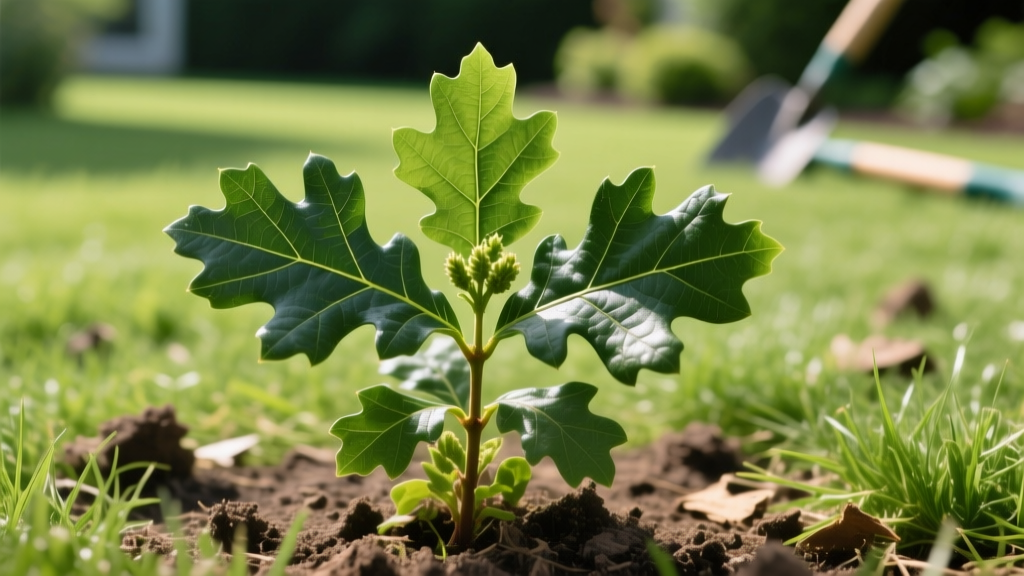
Weeds That Look Like Oak Leaves: Identification and Removal Guide
The Botanical Confusion: Why Do Some Weeds Mimic Oaks?
When scanning your landscape beds or turfgrass, spotting weeds that look like oak leaves can trigger immediate concern. Homeowners often assume their mature oaks are aggressively spreading via seed drop. While volunteer oak seedlings are common, several broadleaf weeds and toxic vines have evolved deeply lobed leaf margins that perfectly mimic young Quercus foliage. Misidentifying these plants can lead to unnecessary herbicide applications, damage to desirable turf, or severe allergic reactions from toxic lookalikes.
This identification guide breaks down the exact morphological differences between true oak seedlings and their most common imposters, providing actionable removal protocols and preventative landscape strategies.
The 4 Most Common Plants Mistaken for Oak Weeds
1. Volunteer Oak Seedlings (The Innocent Imposters)
True volunteer oaks (from acorns dropped by squirrels or gravity) are not technically weeds, but they behave like them in manicured beds. Red oak seedlings feature leaves with deep, pointed lobes, while white oak seedlings have rounded, smoother lobes. The defining characteristic of a true oak seedling is its taproot. Within weeks of germination, oaks drive a thick, singular primary root deep into the soil, making them notoriously difficult to pull by hand once established.
2. Poison Ivy (The Toxic Mimic)
The most dangerous plant mistaken for an oak weed is young poison ivy (Toxicodendron radicans). While mature poison ivy is known for its 'leaves of three' compound structure, the individual leaflets on young vines frequently exhibit deep, irregular lobes that look exactly like miniature oak leaves. According to Penn State Extension, the margins of poison ivy leaflets can be heavily toothed or lobed, especially in shaded understory environments where they compete with actual oak seedlings. The presence of aerial root hairs on the vine stem is the primary giveaway.
3. Wild Lettuce and Dandelions (The Lawn Invaders)
In turfgrass settings, basal rosettes of wild lettuce (Lactuca canadensis) and mature dandelions (Taraxacum officinale) produce deeply pinnatifid leaves. To a layperson, these deep, backward-pointing lobes resemble the spread of an oak leaf. Unlike woody oak seedlings, these broadleaf weeds feature a fleshy taproot and exude a milky white latex sap when the stem or leaf is snapped.
4. Boxelder Seedlings (The Lobed Confusion)
Boxelder (Acer negundo) is a maple species, but its young seedlings often display irregular, deeply lobed margins that confuse homeowners expecting oak-like foliage. Boxelder seedlings grow in aggressive, fibrous clusters and feature a distinct pale green, sometimes slightly glaucous (waxy) stem, contrasting sharply with the reddish-brown stems of young red oaks.
Visual Identification Matrix
| Plant Species | Leaf Arrangement | Stem Characteristics | Root System | Toxicity / Risk |
|---|---|---|---|---|
| Volunteer Red Oak | Alternate, deeply lobed (pointed) | Woody, reddish-brown, smooth | Deep, singular taproot | None (Competes for water) |
| Poison Ivy (Young) | Alternate, compound (3 leaflets), lobed | Green to red, often with aerial root hairs | Fibrous rhizomes and creeping vines | High (Urushiol oil causes severe rash) |
| Wild Lettuce | Basal rosette, deeply pinnatifid | Fleshy, pale green, hollow | Fleshy taproot, exudes milky sap | Low (Bitter sap, mild skin irritation) |
| Boxelder Seedling | Opposite, irregular lobes | Herbaceous, pale green, slightly waxy | Shallow, fibrous network | None (Attracts boxelder bugs) |
Safe Removal Protocols by Plant Type
Once you have accurately identified the weeds that look like oak leaves, select the appropriate eradication method. Broad-spectrum pulling is ineffective and potentially hazardous.
- Manual Extraction for True Oaks and Wild Lettuce: Wait for a heavy rainfall or irrigate the bed with 0.5 inches of water to soften the soil. Use a hori-hori garden knife or a dandelion digger to sever the taproot at least 4 inches below the soil surface. If the taproot snaps, the oak seedling will resprout from the remaining root crown.
- Chemical Control for Broadleaf Weeds in Turf: For wild lettuce and dandelions mimicking oaks in your lawn, apply a selective post-emergent herbicide containing 2,4-D and Dicamba (e.g., SpeedZone or Trimec). Mix at a rate of 1.5 fluid ounces per gallon of water to treat 1,000 square feet. Apply when daytime temperatures are between 65°F and 85°F to prevent turf volatilization.
- Targeted Brush Killer for Poison Ivy: Never mow or string-trim poison ivy, as this aerosolizes the urushiol oil. For isolated patches, use a herbicide containing Triclopyr (e.g., Ortho Brush-B-Gon). Apply a 2% solution directly to the foliage using a shielded pump sprayer. Triclopyr is highly effective on woody vines but will translocate down to the rhizomes to kill the root system.
⚠️ WARNING: Urushiol Oil Safety Protocol
If you suspect the 'oak weed' is poison ivy, wear thick nitrile gloves (latex is permeable to urushiol) and long sleeves. Immediately wash tools with rubbing alcohol or Dawn dish soap, and wash clothing in hot water separately from other laundry. According to University of Minnesota Extension, urushiol oil can remain active on tools and clothing for up to five years if not properly decontaminated.
Pre-Emergent and Cultural Defense Strategies
Preventing the germination of lookalike weeds requires a proactive approach to soil management and pre-emergent timing.
- Pre-Emergent Herbicides: Apply Prodiamine 65 WDG in early spring when soil temperatures consistently reach 55°F. The standard application rate for landscape beds and established turf is 1.15 ounces per 1,000 square feet. This creates a chemical barrier in the top inch of soil that prevents both broadleaf weed seeds and acorns from successfully germinating.
- Proper Mulching Depth: Maintain a 2 to 3-inch layer of hardwood mulch in tree beds. This depth blocks the photosynthetic requirements of germinating wild lettuce and dandelion seeds. Crucially, keep the mulch at least 3 inches away from the trunk of your mature oaks to prevent 'volcano mulching,' which invites root rot and phytophthora canker.
- Turf Density Optimization: Weeds that look like oak leaves (specifically wild lettuce and dandelions) exploit thin, compacted turf. Core aerate your lawn annually and overseed with a dense, shade-tolerant fescue blend to outcompete basal rosette weeds for surface space.
Frequently Asked Questions
Will pulling oak seedlings damage the parent tree's root system?
No. Volunteer oak seedlings grow from individual acorns and develop their own independent taproots. They are not connected to the parent tree's root network via root suckers, unlike species such as sumac or certain poplars. Pulling them poses zero risk to the mature oak.
Can I use vinegar to kill weeds that look like oak leaves?
Horticultural vinegar (20% to 30% acetic acid) will burn the foliage of wild lettuce and young poison ivy, but it is a contact-only herbicide. It will not translocate to the taproot or rhizome system, meaning the weed will resprout within 10 to 14 days. Furthermore, spraying high-concentration vinegar near the drip line of a mature oak tree can temporarily lower soil pH and harm the oak's fine feeder roots.
How do I safely dispose of pulled poison ivy?
Never burn poison ivy. Inhaling the smoke from burning urushiol oil can cause life-threatening respiratory inflammation. Seal the pulled vines and roots in heavy-duty contractor trash bags and dispose of them with your standard municipal solid waste. For more on safe disposal and regional weed identification, consult the NC State TurfFiles weed database.

