
Tree Care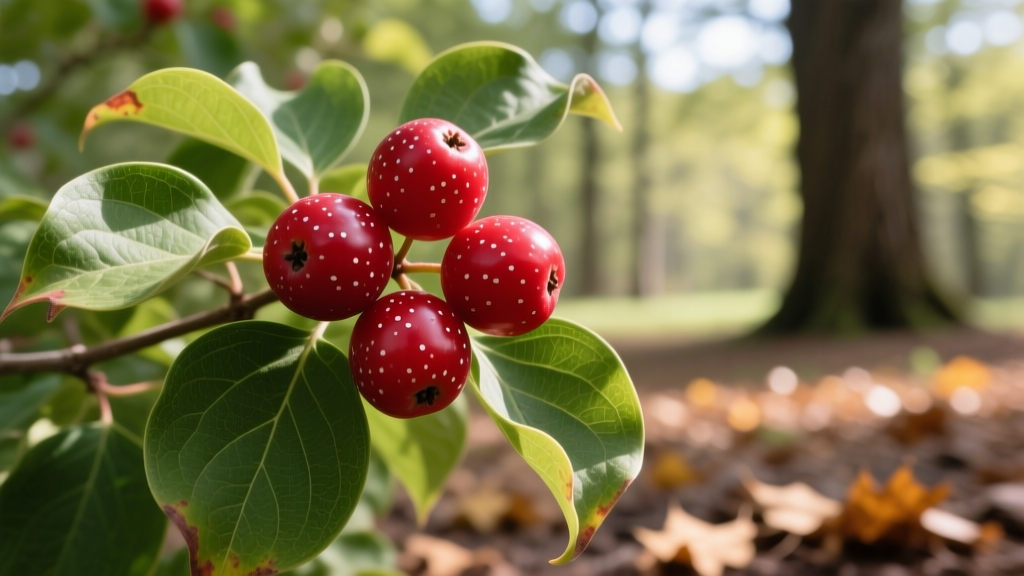
Is Dogwood Fruit Edible? A Practical Guide to Foraging Kousa Berries
The Short Answer: Which Dogwood Fruits Are Actually Edible?
When homeowners and foragers ask if dogwood fruit is edible, the answer requires a critical distinction between species. The genus Cornus contains over 60 species of trees and shrubs, and while none produce acutely toxic berries that will cause severe poisoning in humans, their culinary value ranges from exceptional to completely unpalatable.
The Kousa dogwood (Cornus kousa) produces a highly prized, sweet, tropical-tasting fruit that is increasingly popular in urban foraging circles. Conversely, the native North American flowering dogwood (Cornus florida) produces small, bright red berries that are heavily laden with bitter tannins. While technically non-toxic to humans, Cornus florida berries are highly astringent and are best left for overwintering birds. Understanding the morphological differences between these species is the first step in safely and effectively harvesting dogwood fruit.
Forager's Quick Rule: If the fruit looks like a round, bumpy, pinkish-red raspberry the size of a golf ball, it is a Kousa dogwood and is delicious. If the fruit is a cluster of small, smooth, bright red berries the size of peas, it is a native flowering dogwood and will taste terribly bitter.
Species Identification and Edibility Matrix
To accurately determine if the dogwood fruit in your yard is edible and worth harvesting, compare your tree's characteristics against the three most common landscape dogwoods. According to the NC State Extension, Kousa dogwoods have become a staple in residential landscaping due to their high resistance to dogwood anthracnose and powdery mildew, meaning urban foragers have abundant access to them.
| Species | Fruit Appearance | Taste Profile | Culinary Verdict |
|---|---|---|---|
| Cornus kousa (Kousa) | 1-inch spherical, bumpy skin, pink to deep red | Sweet, creamy, notes of mango, papaya, and banana (Brix 15-20%) | Excellent. Eat raw, make jams, or blend into syrups. |
| Cornus florida (Native) | 0.25-inch smooth, bright red, grows in tight clusters | Extremely bitter, chalky, high tannin content | Poor. Edible but unpalatable; leave for wildlife. |
| Cornus mas (Cornelian) | 0.5-inch oblong, cherry-like, glossy dark red | Tart, acidic, cherry-cranberry cross | Good. Best when cooked into preserves or syrups. |
Step-by-Step Guide: Harvesting Kousa Dogwood Berries
A mature Kousa dogwood in USDA Zones 5 through 8 can yield between 10 and 20 pounds of fruit annually. The harvest window typically opens in late August and extends through October, depending on local frost dates. Because the fruit does not continue to ripen or sweeten significantly once detached from the tree, timing your harvest is critical.
Step 1: The Visual and Tactile Ripeness Test
Do not harvest Kousa berries when they are firm and pale pink. Wait until the skin transitions to a deep, mottled ruby red. Perform the 'squeeze test': gently press the fruit between your thumb and forefinger. A perfectly ripe Kousa berry will yield slightly, feeling similar to a ripe peach or avocado. If the fruit is rock-hard, it lacks the developed sugars and will taste starchy. If it is mushy and the skin is splitting, it is overripe and may have begun fermenting on the branch.
Step 2: The Tarp-Shake Harvesting Method
Picking Kousa berries one by one is inefficient due to their short, rigid stems. Instead, use the tarp-shake method utilized by commercial orchardists:
- Lay a clean 10x10-foot canvas tarp directly beneath the tree's drip line.
- Grip a fruit-bearing lateral branch firmly with both hands.
- Apply a sharp, downward shaking motion. Ripe berries will detach easily and fall onto the tarp, while unripe fruit will remain secured to the stem.
- Gather the corners of the tarp and funnel the berries into a 5-gallon food-grade bucket.
- Sort through the harvest immediately, discarding any berries with bird pecks, insect boreholes, or signs of mold.
Processing Kousa Fruit: Navigating Skin and Seeds
The primary challenge in preparing Kousa dogwood fruit is its anatomy. The creamy, sweet pulp is encased in a papery, tannic skin and filled with several hard, 3-to-5-millimeter seeds. Furthermore, the skin contains microscopic calcium oxalate raphides—needle-like crystals that can cause a mild, temporary tingling or itching sensation in the throat if consumed in large quantities raw. Therefore, separating the pulp from the skin and seeds is highly recommended for culinary applications.
Pro-Tip for Raw Consumption: If eating Kousa berries fresh off the tree, simply bite a small hole in the skin and squeeze the creamy pulp directly into your mouth, spitting out the skin and seeds like a cherry. The skin's bitterness is entirely avoided this way.
Extracting Pulp for Jams and Syrups
To process a large batch (e.g., 5 pounds) for kitchen use, follow this mechanical extraction workflow:
- The Boil: Place washed berries in a heavy-bottomed stockpot with just enough water to cover the bottom (about 1/2 cup). Simmer on medium-low heat for 15 minutes until the skins burst and the fruit collapses.
- The Mill: Pass the warm, softened fruit through a manual food mill or a fine-mesh chinois. The tool will force the creamy pulp through the screen while trapping the bitter skins and hard seeds in the hopper.
- The Yield: Expect a 60% to 70% pulp yield by weight. Five pounds of whole fruit will yield approximately 3 to 3.5 pounds of pure, seedless Kousa puree.
Culinary Applications: What to Make with Kousa Puree
Kousa puree has a high natural pectin content, particularly if some of the skin pectin is extracted during the boiling phase, making it an exceptional candidate for preserves. Its flavor profile pairs beautifully with acidic ingredients to balance its tropical sweetness.
- Kousa Simple Syrup: Combine 1 part Kousa puree with 1 part granulated sugar by weight. Simmer for 10 minutes, strain through cheesecloth, and bottle. Use in craft cocktails, iced tea, or over pancakes.
- Tropical Fruit Leather: Spread the puree 1/4-inch thick on a silicone baking mat. Dehydrate at 135°F (57°C) for 6 to 8 hours until tacky but not brittle. Roll and store in an airtight container.
- Kousa and Ginger Jam: Combine 4 cups puree, 3 cups sugar, 1 tablespoon freshly grated ginger, and the juice of one lemon. Boil until it reaches 220°F (104°C) on a candy thermometer, then process in a water bath canner for 10 minutes.
Safety Warnings and Misidentification Risks
While dogwoods themselves are safe, novice foragers must be cautious of toxic lookalikes that produce red berries in late summer and fall. The most dangerous is the Yew (Taxus species), which produces a fleshy red aril surrounding a highly toxic seed. According to the USDA Plants Database, proper botanical identification relies on leaf and bark characteristics, not just the fruit.
'Never consume a wild berry based solely on fruit color. Dogwoods feature opposite leaf arrangements, smooth leaf margins, and distinct parallel secondary veins that curve toward the leaf tip. Yews have flat, needle-like leaves, and hollies have alternate, often spiny leaves. Always verify the vegetative structures before harvesting.'
Additionally, avoid harvesting dogwood fruit from trees located within 50 feet of heavily trafficked roadways, as the porous skin of the Kousa berry can absorb heavy metal particulates and exhaust runoff. Similarly, do not forage from trees in public parks or municipal easements unless you are certain the local groundskeeping department does not apply synthetic pesticides or broad-spectrum fungicides.
Frequently Asked Questions
Are the seeds inside Kousa dogwood berries toxic?
No, Kousa dogwood seeds are not toxic. However, they are incredibly hard and woody. Biting down on them can damage dental work or chip teeth. While they can be swallowed whole without harm, they offer no nutritional value and are best removed via a food mill.
Can I eat the fruit of the Cornelian Cherry dogwood raw?
Yes, but it is generally unpleasant when eaten fresh off the tree. As noted by Purdue University Horticulture, Cornus mas is highly acidic and astringent until it reaches an almost overripe, shriveled state. It is vastly superior when cooked with sugar to make traditional Eastern European compotes and preserves.
Why do my native dogwood berries taste so bad?
Native flowering dogwoods (Cornus florida) evolved to produce high-tannin, bitter fruit specifically to deter mammalian consumption during the summer. The tannins break down late in the winter, providing a crucial, high-fat emergency food source for migratory birds when other resources are scarce. They are not meant for human palates.

