
Tree Care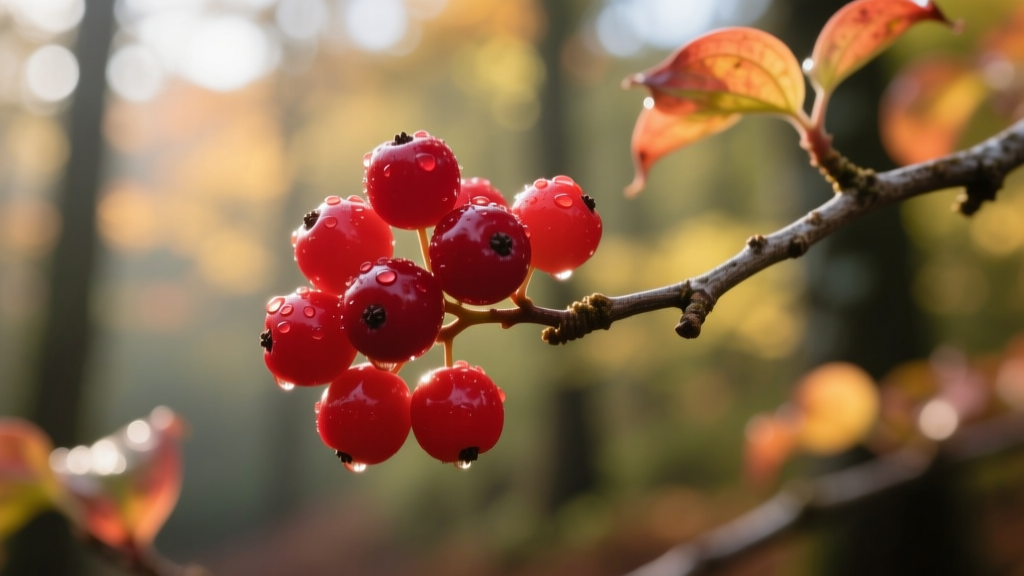
Japanese Dogwood Berries: Edibility, Harvesting, and Care
Botanical Reality: Are They Actually Berries?
When homeowners ask about japanese dogwood berries, they are usually referring to the vibrant, strawberry-like red fruits that dangle from the branches of the Cornus kousa tree in late summer and early fall. Botanically speaking, these are not true berries. They are syncarps—fleshy, fused aggregate fruits that develop from the tree's clustered flower ovaries. While native North American dogwoods (Cornus florida) produce small, hard, bright red drupes that are highly astringent and largely unpalatable to humans, the Japanese dogwood yields a surprisingly sweet, tropical-tasting fruit that has become a favorite among urban foragers and home gardeners.
Understanding the distinction between these species is critical before you attempt to harvest or taste the fruit. Misidentifying your tree can lead to a highly unpleasant culinary experience, as the native dogwood's fleshy coating is bitter and mealy. According to the NC State University Cooperative Extension, Cornus kousa is highly valued not just for its ornamental bracts and exfoliating bark, but specifically for its showy, edible autumn fruit display.
Japanese vs. Native Dogwood: Identification Matrix
Before harvesting, confirm you are working with a Japanese dogwood. Use this comparison matrix to verify your tree's species based on visual and phenological markers.
| Feature | Japanese Dogwood (C. kousa) | Native Flowering Dogwood (C. florida) |
|---|---|---|
| Bloom Time | Mid-to-late spring (blooms after leaves emerge) | Early spring (blooms before leaves emerge) |
| Fruit Appearance | Golf-ball sized, bumpy, pinkish-red, hangs on a 2-inch stalk | Pea-sized, smooth, bright red, clustered tightly at the branch tip |
| Bark Texture | Exfoliating, jigsaw-puzzle pattern (tan, gray, and brown) | Blocky, alligator-skin texture (dark gray to black) |
| Edibility | Sweet, tropical pulp (edible) | Bitter, astringent, mealy (inedible for humans) |
The Edibility Verdict: Rind, Pulp, and Seeds
The flesh of ripe japanese dogwood berries is entirely safe for human consumption and is often described as tasting like a cross between a ripe persimmon, a mango, and a pawpaw. However, eating the fruit straight off the tree requires technique, as not all parts of the syncarp are palatable.
⚠️ Foraging Warning: The outer rind of the Cornus kousa fruit is mildly toxic to some sensitive stomachs and is universally described as bitter and gritty. Always discard the skin. Additionally, the fruit contains numerous small, hard seeds that are difficult to chew and digest. The culinary value lies exclusively in the soft, orange-pink inner pulp.
Step-by-Step Harvesting and Culinary Preparation
Timing your harvest is the difference between a starchy, flavorless fruit and a decadent, honey-sweet treat. Cornus kousa fruits do not ripen well off the tree, so patience is required.
- Monitor Color and Texture (Late August to October): Wait until the fruits transition from hard and green to soft and deep pinkish-red. The ideal harvest window occurs when the fruit feels slightly soft to a gentle squeeze, similar to a ripe peach.
- The Drop Test: The most reliable harvesting method is to collect the fruits after they naturally drop to the ground. Lay a clean tarp beneath the canopy in early fall and gently shake the branches; ripe syncarps will detach easily.
- Preparation: Rinse the harvested fruits in cool water to remove debris. Using a sharp paring knife, slice the fruit in half equatorially.
- Extraction: Use a melon baller or a small spoon to scoop out the soft, translucent inner pulp, leaving the bitter outer rind and the cluster of hard seeds behind.
- Culinary Application: The extracted pulp can be eaten raw, blended into smoothies, or reduced into a unique, tropical-tasting jam. Because the pulp is naturally high in pectin, it sets beautifully when cooked down with a 2:1 ratio of fruit to sugar and a squeeze of lemon juice.
Advanced Tree Care for Maximum Fruit Production
A healthy Cornus kousa can produce dozens of pounds of fruit annually, but only if its specific cultural requirements are met. According to the Clemson University Home & Garden Information Center, Japanese dogwoods are generally more resistant to the devastating dogwood anthracnose and powdery mildew that plague native species, making them a superior, lower-maintenance choice for fruit production.
Soil Chemistry and Fertilization
Japanese dogwoods demand slightly acidic, well-draining soil. Test your soil pH before planting or fertilizing; the ideal range is 5.5 to 6.5. If your soil is too alkaline (above 7.0), the tree will suffer from iron chlorosis, resulting in yellowing leaves and dropped, undeveloped fruit. Apply elemental sulfur at a rate of 1 pound per 100 square feet to lower pH if necessary.
For fertilization, avoid high-nitrogen lawn fertilizers, which promote excessive vegetative growth at the expense of flower and fruit bud formation. Instead, apply a balanced 16-4-8 or 10-10-10 slow-release granular fertilizer in early spring (just before bud break). Use exactly 1 cup of fertilizer per inch of trunk diameter, broadcasting it evenly from the drip line inward to about 1 foot away from the trunk.
Strategic Pruning and Mulching
To ensure the interior of the canopy receives enough sunlight to ripen the fruit, prune your tree during late winter dormancy. Remove any crossing branches, water sprouts, and lower limbs that touch the ground. Maintain a structural scaffold of 4 to 5 main lateral branches.
Root zone management is equally critical. Apply a 3-inch layer of organic hardwood mulch in a 3-foot radius around the trunk to retain soil moisture and regulate temperature. Crucially, keep the mulch at least 3 inches away from the actual bark of the trunk to prevent collar rot and rodent damage.
Troubleshooting: Why Your Tree Isn't Fruiting
If your Japanese dogwood blooms beautifully in spring but fails to produce fruit in autumn, diagnose the issue using these common failure modes:
- Immature Age: Cornus kousa grown from seed can take 7 to 10 years to reach reproductive maturity. Grafted cultivars typically fruit within 4 to 5 years. If your tree is young, simply wait.
- Spring Frost Damage: While Japanese dogwoods bloom later than native species, a hard freeze in late May can kill the delicate flower ovaries before they can be pollinated, resulting in zero fruit set for that year.
- Insufficient Sunlight: Though they tolerate partial shade, Japanese dogwoods require a minimum of 4 to 6 hours of direct, unfiltered sunlight daily to produce the carbohydrate reserves necessary for fruit development. Overhanging canopy from larger oaks or maples will suppress fruiting.
- Drought Stress During Fruit Set: The period between June and August is when the syncarps swell. If the tree receives less than 1 inch of water per week during this window, it will abort its fruit to conserve energy. Install a drip irrigation line delivering 10 gallons per week during summer droughts.
By correctly identifying your tree, harvesting the fruit at peak ripeness, and managing your soil chemistry, you can transform your Japanese dogwood from a purely ornamental landscape feature into a highly productive, edible garden asset.

