
Tree Care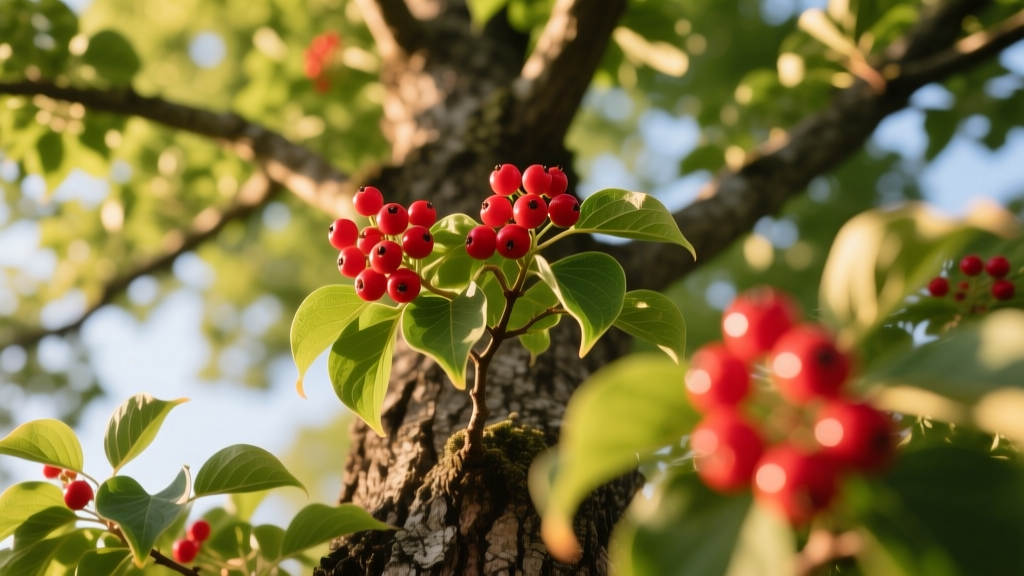
Are Japanese Dogwood Berries Edible? A Foraging & ID Guide
Yes, Japanese dogwood berries are entirely edible, but they require specific harvesting and preparation techniques to be enjoyable. Botanically speaking, the Cornus kousa does not produce true berries. Instead, it yields a syncarp—a fleshy, fused cluster of drupes that visually resembles a pink or red raspberry crossed with a lychee. While increasingly popular in urban foraging circles, the fruit's tough, tannin-rich skin and hard interior seeds mean you cannot simply pop them in your mouth like a blueberry.
This guide breaks down the exact botanical identification markers, ripeness indicators, and culinary preparation methods required to safely harvest and eat Japanese dogwood fruit.
Botanical Identification: Spotting Cornus kousa
Before consuming any foraged fruit, positive identification is critical. The Japanese dogwood (Cornus kousa) is a deciduous tree native to East Asia but widely planted across North America in USDA Hardiness Zones 5 through 8. According to the NC State Extension Plant Database, it is highly valued for its disease resistance and ornamental four-season appeal.
Key Tree Identification Markers
- Bark: Mature trees feature a highly distinctive exfoliating bark that peels away in irregular, jigsaw-like patches of gray, tan, and mahogany brown.
- Leaves: Simple, opposite leaves with smooth margins and prominent parallel veins. They turn vibrant shades of crimson and purple in autumn.
- Flowers (Bracts): In late spring (May to June), the tree produces showy, white, pointed bracts that surround a cluster of tiny, yellowish-green true flowers. Unlike the native flowering dogwood (Cornus florida), which blooms before leafing out, Kousa dogwood blooms after the leaves have fully emerged.
Fruit Morphology
The fruit develops from the central flower cluster, maturing into a 1-inch to 1.5-inch diameter spherical syncarp. The exterior transitions from hard, pale green in mid-summer to a vibrant pinkish-red, and finally to a deep, almost purplish-red when fully overripe in early autumn.
The Taste Profile and Texture Breakdown
The flavor of a perfectly ripe Kousa dogwood syncarp is complex. The inner pulp is intensely sweet, frequently described by foragers as a cross between a ripe mango, a persimmon, and a Fuji apple. However, the texture presents a challenge.
Forager's Note on Texture: The inner pulp contains a gritty, stone-cell texture similar to the flesh of a Bosc pear. More importantly, the outer skin is highly astringent and bitter due to concentrated tannins. The seeds are also quite hard and should not be chewed or swallowed.
Edibility Comparison: Kousa vs. Native Dogwoods
| Species | Fruit Type | Edibility | Flavor Profile |
|---|---|---|---|
| Cornus kousa (Japanese) | Fleshy Syncarp (1-1.5 in) | Edible (pulp only) | Sweet, tropical, mango-like |
| Cornus florida (Native) | Drupe cluster (0.5 in) | Not toxic, but unpalatable | Bitter, astringent, dry |
| Cornus canadensis (Bunchberry) | Cluster of small drupes | Edible (entire fruit) | Mild, slightly sweet, apple-like |
Harvesting Timing and Techniques
Timing is the single most important factor in Kousa dogwood foraging. Harvesting too early results in a chalky, flavorless fruit; harvesting too late means dealing with fermentation and wasp damage.
The Ripeness Window
Depending on your local climate, the harvest window typically falls between late August and mid-October. The University of Wisconsin-Madison Extension notes that the fruit remains on the tree well into autumn, but ground foraging should be avoided due to rapid degradation.
The Squeeze Test
Do not rely on color alone. A deep red fruit can still be hard and unripe. Use the squeeze test:
- Gently pinch the fruit between your thumb and forefinger.
- If it feels hard like an unripe apple, leave it on the tree.
- If it yields slightly to pressure, feeling similar to a ripe peach or avocado, it is ready for harvest.
- If the skin is wrinkling and the fruit feels mushy, it is overripe and likely fermenting.
Safe Preparation and Culinary Uses
Because the skin is bitter and the seeds are hard, preparing Kousa dogwood fruit requires separating the pulp from the rest of the syncarp. Here is the most efficient method for processing a large harvest.
Step-by-Step Pulp Extraction
- Wash: Rinse the harvested syncarps thoroughly in cold water to remove surface dust and urban pollutants.
- Halve: Using a sharp paring knife, slice each fruit in half vertically.
- Scoop: Use a melon baller or a small spoon to scrape the soft, translucent inner pulp away from the tough outer skin.
- Strain: Pass the scooped pulp through a medium-mesh food mill or a coarse sieve. This separates the desirable sweet flesh from the hard, gritty seeds.
Kousa Dogwood Simple Syrup Recipe
The extracted pulp makes an exceptional, tropical-tasting syrup for cocktails, sparkling water, or pancake topping.
- 1 cup strained Kousa dogwood pulp
- 1 cup filtered water
- 3/4 cup granulated cane sugar
- 1 tsp lemon juice (to balance the pH and preserve color)
Instructions: Combine the pulp, water, and sugar in a saucepan. Bring to a gentle simmer over medium heat, stirring until the sugar dissolves completely (about 5 minutes). Remove from heat, stir in the lemon juice, and let steep for 30 minutes. Strain through a fine-mesh cheesecloth into a sterilized glass jar. Store in the refrigerator for up to 3 weeks.
Safety Warnings and Lookalike Risks
Urban Foraging Warning: Japanese dogwoods are heavily utilized in commercial landscaping, HOA common areas, and municipal parks. Never harvest fruit from trees that may have been treated with synthetic pesticides, herbicides, or systemic fertilizers. Always ask property managers for their chemical application records before foraging in managed landscapes.
Toxic Lookalikes to Avoid
While the Kousa dogwood syncarp is relatively unique in its appearance, novice foragers must be careful not to confuse it with highly toxic ornamental berries that ripen in the autumn.
- English Holly (Ilex aquifolium): Produces bright red berries in fall, but the leaves are glossy, evergreen, and feature sharp, spiky margins. Holly berries are highly toxic and cause severe gastrointestinal distress.
- Yew (Taxus baccata): Produces a red, fleshy aril that looks somewhat similar to a small raspberry. However, Yew is a conifer with flat, needle-like leaves. The seed inside the aril is lethally toxic.
- Burning Bush (Euonymus alatus): Features bright red, segmented seed capsules in the fall. While visually striking, the fruit is toxic to humans.
By relying on the distinctive opposite leaf arrangement, the exfoliating jigsaw bark, and the unique fused syncarp structure of the Cornus kousa, you can confidently identify, harvest, and prepare this underutilized urban fruit. For further botanical verification, consult the UMass Extension Landscape Fact Sheets before your first harvest.

