Tree Care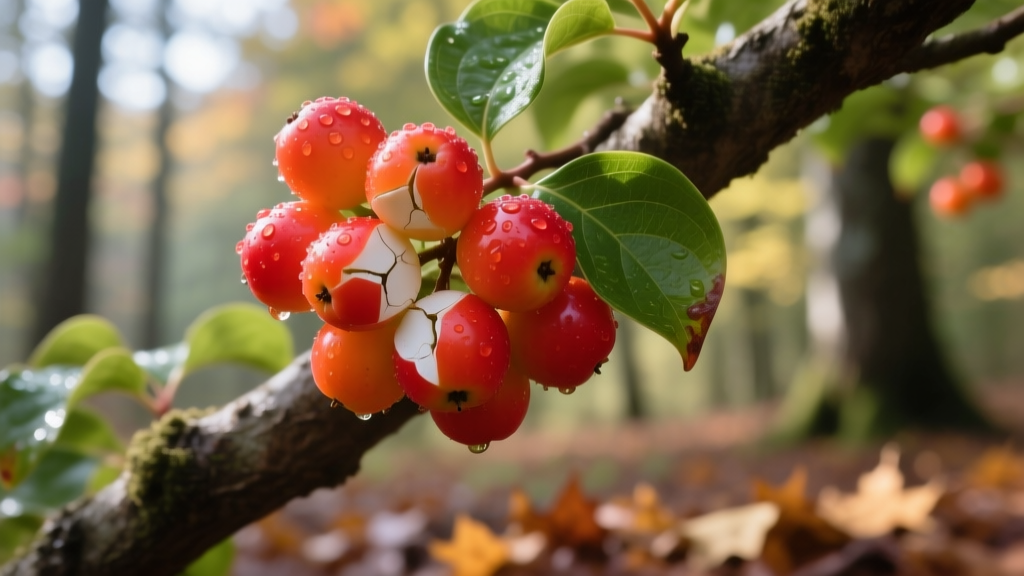
Japanese Dogwood Fruit: A Beginner's Guide to Edibility and Harvest
Homeowners often plant the Japanese dogwood (Cornus kousa) for its stunning late-spring bracts, striking exfoliating bark, and high resistance to the anthracnose fungus that plagues native flowering dogwoods. But come late summer, the tree produces a surprising bonus: globular, bumpy, pinkish-red fruits that look like a cross between a lychee and a raspberry. For beginners exploring edible landscaping, this raises an immediate question: Is Japanese dogwood fruit edible, and if so, what do you do with it?
This guide breaks down the botanical reality of kousa fruit, how to safely harvest it, and actionable ways to use your yield in the kitchen.
What Exactly is Japanese Dogwood Fruit?
While commonly referred to as a berry, the Japanese dogwood fruit is botanically a syncarp—a cluster of 20 to 30 individual drupes (small fleshy fruits with a hard stone inside) that have fused together into a single spherical mass. According to the NC State University Extension, these fruits typically measure 1 to 1.5 inches in diameter and hang from the branches on slender, 2-inch peduncles (stems), giving them the appearance of hanging ornaments.
Botanical Quick Facts: Cornus kousa
- Fruit Type: Syncarp (fused drupes)
- Mature Size: 1 to 1.5 inches in diameter
- Hardiness Zones: 5 through 8
- Fruiting Season: Late August through October
The Edibility Verdict: Safety, Taste, and Texture
Yes, Japanese dogwood fruit is 100% non-toxic and safe for human consumption. Unlike the berries of some ornamental shrubs that contain harmful alkaloids, kousa fruit is entirely edible. However, the eating experience requires some technique.
Taste Profile: The inner pulp is exceptionally sweet, with a complex floral flavor profile that gardeners often compare to a blend of ripe mango, persimmon, and melon. The USDA Plants Database notes that Cornus kousa has been cultivated in its native Asian range specifically for its edible fruit for centuries.
Texture and the Skin Problem: The interior pulp has a soft, custard-like consistency. The challenge lies in the exterior. The bumpy skin is tough, leathery, and slightly bitter due to a high concentration of tannins. Furthermore, the pulp contains numerous small, hard, gritty seeds. While the seeds are not toxic, they are unpleasant to chew.
How to Eat It Fresh
For fresh eating, do not bite into it like an apple. Instead, pinch the ripe fruit to split the skin, squeeze the sweet inner pulp directly into your mouth, and discard the bitter skin and hard seeds. It is a messy but rewarding process.
Harvesting Timeline: The Squeeze Test
Timing your harvest is critical. Japanese dogwood fruit does not ripen off the tree, so picking it too early results in an astringent, starchy disappointment. Harvesting typically occurs from late August to mid-October, depending on your local microclimate.
Color alone is a deceptive indicator. The fruit transitions from hard green to bright pink, and finally to a deep, dusky red. However, the ultimate test for ripeness is tactile.
| Ripeness Stage | Visual Color | Tactile Texture | Harvest Action |
|---|---|---|---|
| Unripe | Bright pink to light red | Rock hard, no give | Leave on tree |
| Approaching Ripe | Deep crimson red | Slight yield to pressure | Wait 3-5 days |
| Fully Ripe | Dusky red, slightly translucent | Soft, yields easily like a ripe peach | Harvest immediately |
Pro-Tip: Ripe kousa fruit will often detach and fall to the lawn naturally. Placing a clean tarp under the canopy in September can save you hours of hand-picking and prevent the fruit from bruising on hardscapes.
From Branch to Kitchen: Preparation and Recipes
Because of the gritty seeds and bitter skin, processing the fruit is often preferred over eating it fresh. Interestingly, the tannin-rich skin and the seeds contain high levels of natural pectin, making Japanese dogwood fruit exceptional for jellies, syrups, and fruit leathers.
Step-by-Step: Making Kousa Fruit Syrup
This simple syrup can be used over pancakes, mixed into sparkling water, or drizzled over vanilla ice cream.
- Prep the Fruit: Wash 4 cups of fully ripe, soft kousa fruit. Roughly chop them in half (do not worry about removing seeds or skin).
- Simmer: Place the fruit in a saucepan with 2 cups of water. Bring to a boil, then reduce heat and simmer for 20 minutes until the skins break down and the pulp separates from the seeds.
- Strain: Pour the mixture through a fine-mesh sieve or food mill. Use the back of a spoon to press the pulp through, leaving the hard seeds and tough skin fragments behind.
- Reduce and Sweeten: Measure the extracted juice/pulp. Return it to the pan and add an equal amount of granulated sugar (e.g., 1.5 cups sugar for 1.5 cups juice). Simmer on low for 10 minutes until the sugar dissolves and the syrup thickens slightly.
- Store: Pour into sterilized glass jars. Store in the refrigerator for up to 3 weeks, or process in a water bath canner for long-term pantry storage.
Troubleshooting: Why Your Tree Isn't Fruiting
A common frustration for beginner gardeners is planting a Japanese dogwood and waiting years without seeing a single fruit. If your tree is flowering but not fruiting, or failing to flower altogether, evaluate these specific failure modes:
- Tree Age and Propagation Method: Trees grown from seed take 7 to 10 years to reach sexual maturity and produce fruit. If you want a faster yield, purchase a grafted or cutting-propagated tree from a nursery. A 5-gallon grafted Cornus kousa typically costs between $60 and $110 and will fruit within 2 to 4 years of planting.
- Insufficient Sunlight: While Japanese dogwoods tolerate partial shade, heavy shade severely limits fruit production. Ensure the canopy receives a minimum of 4 to 6 hours of direct, unfiltered sunlight daily.
- Soil pH Imbalance: Kousa dogwoods require slightly acidic soil to absorb the nutrients necessary for fruit set. Test your soil; if the pH is above 7.0 (alkaline), the tree will struggle. Amend the soil with elemental sulfur or peat moss to bring the pH down to the ideal 5.5 to 6.5 range.
- Late Spring Frosts: Although Cornus kousa blooms later than native dogwoods (protecting it from early frosts), an unseasonably late freeze in May can kill the developing flower ovaries before they can be pollinated, resulting in a zero-fruit year.
Frequently Asked Questions
Is Japanese dogwood fruit toxic to dogs or cats?
No, the fruit pulp is non-toxic to pets. However, the hard, indigestible seeds can pose a choking hazard or cause intestinal blockages in small dogs if ingested in large quantities. If your dog routinely grazes on fallen yard fruit, it is best to rake up the dropped syncarps promptly.
Do the fallen fruits damage the lawn?
The fruit itself will decompose and add organic matter to the soil, but a heavy drop on patios, decks, or light-colored hardscapes can cause temporary staining due to the deep red pigments. Rake or blow fallen fruit off hardscapes within 48 hours to prevent permanent discoloration.