
Tree Care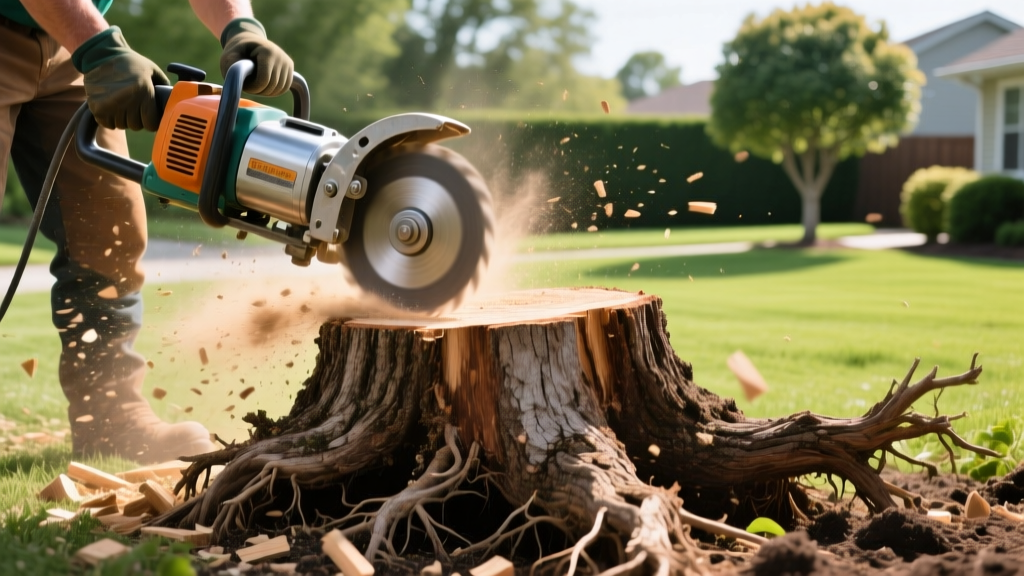
How Do You Kill a Tree Stump and Roots: Eradication Playbook
The Biology of Stump Eradication
Leaving a cut tree in your yard creates more than an aesthetic problem; it establishes a biological anchor for aggressive weeds, root suckers, and wood-destroying pests like carpenter ants and termites. When homeowners ask, 'how do you kill a tree stump and roots,' the answer relies on understanding the tree's vascular system. The outer two inches of a stump contain the cambium and phloem layers, which transport nutrients. To kill the root system permanently, you must either introduce a systemic herbicide into this layer to poison the roots or use chemical accelerants to induce rapid fungal decay.
According to the University of Minnesota Extension, the timing of your treatment is just as critical as the chemical chosen. Applying systemic treatments in the spring when sap flows upward will fail, as the chemical is pushed out rather than pulled down into the root mass. Late summer and early fall are the optimal windows, as trees actively translocate carbohydrates downward to store for winter, carrying the herbicide directly to the deepest taproots.
Eradication Decision Matrix
Choose your protocol based on your timeline, budget, and proximity to desirable plants. Below is a comparative framework for the three primary eradication methods.
| Method | Active Agent | Time to Kill/Decay | Est. Cost (2026) | Best Use Case |
|---|---|---|---|---|
| Systemic Herbicide | Triclopyr (8.8%) or Glyphosate (41%) | 2 to 4 weeks | $35 - $45 | Fast kill, preventing immediate suckering |
| Chemical Decay | Potassium Nitrate (99% KNO3) | 4 to 6 weeks (to soften) | $18 - $22 | Old, dry stumps; preparing for manual removal |
| Osmotic Dehydration | Magnesium Sulfate (Epsom Salt) | 6 to 12 months | $8 - $12 | Eco-sensitive areas, slow organic decay |
Protocol 1: The Systemic Herbicide Route (Fastest Kill)
For living or freshly cut stumps where you need to halt root suckering immediately, a systemic herbicide is mandatory. Triclopyr (found in products like Ortho Brush-B-Gon) is highly effective on broadleaf hardwoods, while Glyphosate (Roundup Pro, 41% concentration) works well on conifers and general brush.
Step-by-Step Application
- Recut the Stump: If the stump has been cut for more than 48 hours, the vascular tissue has sealed. Use a chainsaw or handsaw to slice off the top 2 inches, exposing fresh, live cambium.
- Target the Cambium: You do not need to soak the entire surface. The living tissue is only in the outer ring. Use a disposable foam brush to paint a 2-inch band of undiluted herbicide around the inner bark edge.
- Seal the Treatment: Cover the stump with a black plastic trash bag and secure it with a bungee cord or twine. This prevents rain from washing the chemical into your surrounding soil and blocks sunlight from triggering dormant bud growth.
Warning: Never use soil drench herbicides (like Imidacloprid) for stump killing. They are designed for root uptake in living plants and will not translocate effectively through a severed stump, risking severe contamination of your local water table.
Protocol 2: Potassium Nitrate for Accelerated Decay
If the stump is old, dry, and no longer has active sap flow, systemic herbicides will not work. Instead, use Potassium Nitrate (KNO3), commonly sold as Spectracide Stump Remover. KNO3 does not poison the roots; it introduces massive amounts of nitrogen that hyper-charge wood-decaying fungi, turning solid wood into spongy mulch in weeks rather than years.
The Drill and Fill Technique
- Using a power drill and a 1-inch spade bit, bore holes 8 to 10 inches deep into the stump. Space the holes 3 inches apart, angling them slightly toward the center to create a reservoir.
- Fill each hole to the brim with Potassium Nitrate granules.
- Pour warm water into the holes slowly to dissolve the granules. Do not overflow; you want the chemical to penetrate the wood, not spill onto your lawn.
- Cover the stump with a heavy tarp and mulch over it to retain moisture and heat, which accelerates fungal activity.
After 4 to 6 weeks, the stump will be soft enough to break apart with a mattock or axe. As noted by Michigan State University Extension, removing the softened wood and backfilling with topsoil is necessary to prevent settling in your yard over time.
Managing Root Suckers and Pest Invasions
Even after the main trunk is removed, species like Tree of Heaven, Poplar, and Chinese Tallow will push up aggressive root suckers. These act as invasive weeds, draining the remaining root system's energy.
'Do not simply mow over root suckers. Mowing stimulates the root mass to produce three more suckers for every one you cut. You must use a 2% Triclopyr foliar spray directly on the leaves of the suckers to translocate the poison back to the mother root.'
Pest Considerations: A decaying stump is a magnet for carpenter ants and subterranean termites. If the stump is within 20 feet of your home's foundation, do not use the slow-decay KNO3 method. The prolonged presence of rotting wood will attract termites that may eventually bridge the gap to your home's structural timber. For stumps near structures, mechanical grinding or immediate systemic herbicide application followed by physical extraction is the only safe protocol.
Troubleshooting Common Failure Modes
If your stump continues to sprout or fails to decay, review these common edge cases:
| Symptom | Root Cause | Corrective Action |
|---|---|---|
| Stump sprouts new green leaves after 3 weeks | Herbicide applied during spring sap-rise, or cambium layer was sealed prior to application. | Recut the stump, wait for late summer, and reapply Triclopyr to the fresh outer ring. |
| KNO3 holes remain dry and wood stays hard | Insufficient moisture to activate the fungal decay process. | Remove tarp, soak the stump heavily with a hose for 10 minutes, add more KNO3, and re-tarp. |
| Surrounding lawn grass is dying | Herbicide runoff or KNO3 soil toxicity from overfilling the drill holes. | Flush the soil with heavy watering to dilute the salts. Use activated charcoal pellets to neutralize residual herbicide in the soil. |
Killing a tree stump and its root system requires patience and precise chemical timing. By matching the correct protocol to the stump's biological state and your yard's ecological constraints, you can permanently eradicate the root mass without resorting to expensive mechanical grinding services that typically cost between $350 and $600 per stump in 2026.

