
Tree Care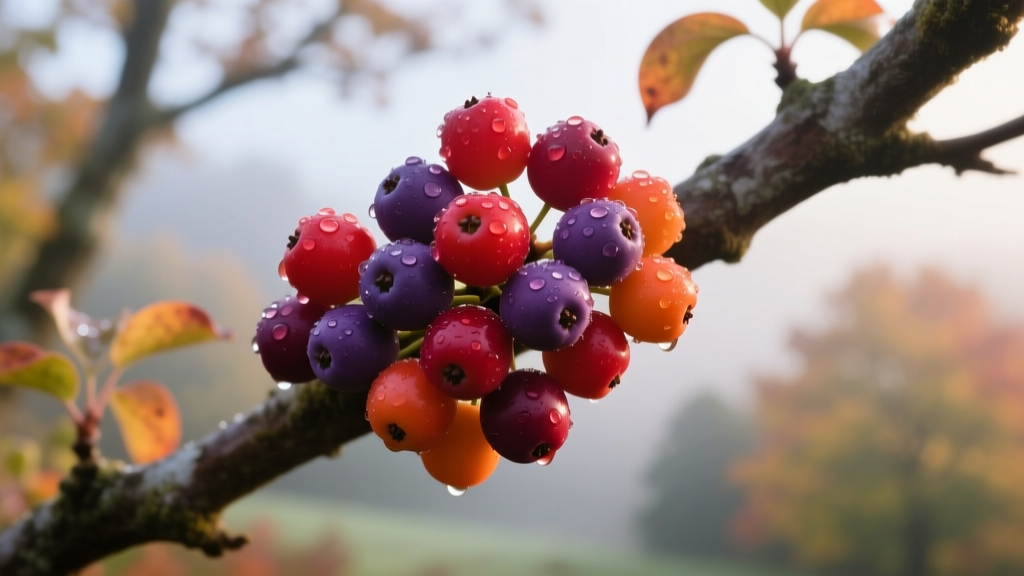
Kousa Dogwood Berries: Are They Edible and How to Harvest Them
The Autumn Surprise in Your Landscape
When late summer transitions into autumn, the Kousa dogwood (Cornus kousa) undergoes a striking transformation. The star-shaped white bracts that defined its spring bloom fade, replaced by vibrant crimson foliage and clusters of round, bumpy, raspberry-like fruits. For homeowners new to landscaping or foraging, these unusual fruits prompt a common question: are kousa dogwood berries edible? The short answer is yes. Unlike many ornamental landscape fruits that are strictly for wildlife, the Kousa dogwood produces a sweet, custard-like fruit that is entirely safe for human consumption. However, successfully harvesting, preparing, and cultivating these berries requires specific botanical knowledge and precise tree care techniques.
Critical Safety Distinction: Do not confuse the Kousa dogwood (Cornus kousa) with the native North American flowering dogwood (Cornus florida). While birds safely consume Cornus florida berries, they are toxic to humans and can cause severe gastrointestinal distress. Always verify the species before foraging.
Identifying Kousa Dogwood Berries vs. Native Dogwoods
Accurate identification is the first step in safe foraging. The Kousa dogwood, native to East Asia, was introduced to Western landscapes for its superior disease resistance and later blooming period. According to the NC State Extension Plant Database, Cornus kousa blooms in late spring (May to June), whereas native dogwoods bloom in early spring before their leaves fully emerge. This blooming timeline directly impacts fruit development and ripening schedules.
| Feature | Kousa Dogwood (Cornus kousa) | Flowering Dogwood (Cornus florida) |
|---|---|---|
| Bloom Time | Late spring (after leaves emerge) | Early spring (before leaves emerge) |
| Fruit Appearance | 1 to 1.5 inches, round, bumpy, raspberry-like, bright red/pink | 0.5 inches, smooth, oval, clustered, bright red |
| Fruit Ripening | Late August through October | September through November |
| Human Edibility | Yes, sweet and edible | No, toxic to humans |
| Bark Texture | Exfoliating, mottled tan/grey/brown | Alligator-skin texture, dark grey/brown |
The Edibility Verdict: Taste, Texture, and Safety
The flesh of a fully ripe Kousa dogwood berry is often described as a cross between a ripe persimmon, a papaya, and a mango. The texture is soft, creamy, and custard-like. However, the edible portion is strictly the inner flesh. The outer rind is highly astringent, bitter, and possesses a gritty texture similar to a tough kiwi skin. The inner seeds are edible but hard and generally discarded during preparation.
From a nutritional standpoint, while comprehensive USDA nutritional databases lack extensive profiles on this specific ornamental fruit, foraging experts note that the berries contain beneficial antioxidants, calcium, and dietary fiber. They are entirely non-toxic, though individuals with sensitive stomachs should introduce them slowly, as the high fiber content in the flesh can cause mild digestive upset if consumed in massive quantities.
Step-by-Step Harvesting and Preparation Guide
Timing is everything when harvesting kousa dogwood berries. Picking them too early results in a chalky, astringent experience, while waiting too long invites wildlife competition and fruit rot. Follow this precise harvesting protocol:
- Monitor the Color Shift: The berries begin as hard, green spheres in July. By late August, they transition to a pale pink. Wait until they achieve a deep, uniform crimson or raspberry-red hue, usually by mid-September to early October.
- Perform the Squeeze Test: Gently squeeze the berry. A ripe Kousa berry will yield slightly to pressure, feeling soft like a ripe peach. If it is rock hard, it needs more time on the branch.
- Harvest by Dropping or Pulling: Fully ripe berries will often drop to the ground naturally. You can lay a tarp under the canopy and gently shake the branches. Alternatively, pull them gently; if they detach without resistance, they are ready.
- Wash and Inspect: Rinse the harvested berries in a colander under cold water. Discard any fruits with punctured skins, mold spots, or signs of insect entry.
How to Eat and Prepare the Flesh
Because the skin is bitter, you must separate the flesh from the rind. The most efficient method is the 'squeeze technique.' Wash the berry, pinch the base, and squeeze the soft, pinkish-orange flesh directly into your mouth or a bowl, leaving the bitter skin and hard seeds behind. For culinary applications, such as making Kousa dogwood jam or baking them into muffins, slice the berries in half and scoop out the flesh with a melon baller or teaspoon.
Culinary Tip: Kousa dogwood flesh pairs exceptionally well with high-pectin fruits like apples or crabapples when making jelly. Use a 1:1 ratio of Kousa flesh to apple juice, adding 1 cup of sugar per cup of liquid mixture to achieve a proper gel set.
Tree Care Tips to Maximize Berry Production
A healthy, mature Kousa dogwood can produce dozens of pounds of fruit annually. However, poor site conditions and neglect will result in sparse flowering and minimal fruit set. To optimize your tree's berry production, adhere to these specific cultural requirements outlined by the Missouri Botanical Garden:
- Sunlight Exposure: While Kousa dogwoods tolerate partial shade, maximum fruit production requires full sun to part shade, meaning at least 4 to 6 hours of direct, unfiltered sunlight daily. Trees in deep shade will produce lush foliage but very few berries.
- Soil pH and Composition: These trees demand slightly acidic, well-draining soil with a pH between 5.5 and 6.5. Test your soil annually. If the pH is above 7.0, apply elemental sulfur at a rate of 1 pound per 100 square feet to lower the alkalinity.
- Precision Fertilization: Avoid high-nitrogen lawn fertilizers near the root zone, which promote leaf growth at the expense of fruit. In early spring (March), apply a balanced 12-4-8 or 16-4-8 slow-release fertilizer at a rate of 1 cup per inch of trunk diameter (measured at 4.5 feet above ground).
- Hydration Protocol: Kousa dogwoods have shallow root systems and are highly susceptible to drought stress, which causes premature fruit drop. During dry spells, provide 1 to 2 inches of water per week. Use a soaker hose placed at the drip line for deep root penetration.
- Mulching Strategy: Apply a 2 to 3-inch layer of organic hardwood mulch over the root zone to retain moisture and regulate soil temperature. Crucially, keep the mulch at least 3 inches away from the trunk flare to prevent collar rot and rodent damage.
Common Pests and Diseases Affecting Fruit Yield
While Cornus kousa is famously resistant to the devastating dogwood anthracnose that plagues native species, it is not immune to all threats. Monitoring for these specific issues will protect your fruit yield:
Dogwood Borer (Synanthedon scitula)
The larvae of this clearwing moth tunnel into the trunk and main branches, disrupting the vascular system and starving the developing fruit. Look for sawdust-like frass (excrement) near the base of the tree or at branch crotches. Prevent borers by avoiding mechanical damage to the trunk with string trimmers, as females lay eggs in bark wounds. If infested, apply a permethrin-based trunk spray in early May and again in July.
Powdery Mildew (Erysiphe pulchra)
This fungal disease coats the leaves in a white, powdery substance, severely reducing photosynthesis. A compromised canopy cannot support heavy fruit loads, leading to small, underdeveloped berries. Improve air circulation by pruning out crossing interior branches in late winter. For severe cases, apply a fungicide containing myclobutanil or chlorothalonil at bud break and repeat every 14 days until the leaves mature.
Frequently Asked Questions
How many years does it take for a Kousa dogwood to produce berries?
A Kousa dogwood grown from seed typically takes 7 to 10 years to reach fruiting maturity. However, most nursery-purchased trees are grafted or grown from cuttings and will begin producing a noticeable crop of berries within 3 to 5 years of planting, provided they receive adequate sunlight and nutrition.
Are kousa dogwood berries safe for dogs and cats?
The flesh of the Kousa dogwood berry is not considered toxic to dogs or cats. However, the hard inner seeds pose a significant choking hazard and can cause intestinal blockages in small dogs. It is best to rake up fallen berries if your pets are prone to foraging in the yard.
Why is my Kousa dogwood dropping green, unripe berries in August?
Premature fruit drop is almost always a symptom of environmental stress. The most common culprits are severe drought, poor soil drainage leading to root rot, or a sudden nutrient deficiency. Evaluate your watering schedule and ensure the soil is moist but not waterlogged to a depth of 6 inches.
Integrating the Kousa dogwood into your landscape provides multi-season interest, culminating in a unique, edible autumn harvest. By accurately identifying the species, harvesting at peak ripeness, and maintaining strict soil and hydration protocols, you can reliably enjoy this remarkable ornamental fruit year after year. For more detailed regional care instructions, consult your local university extension office or the Clemson Home & Garden Information Center.

