
Tree Care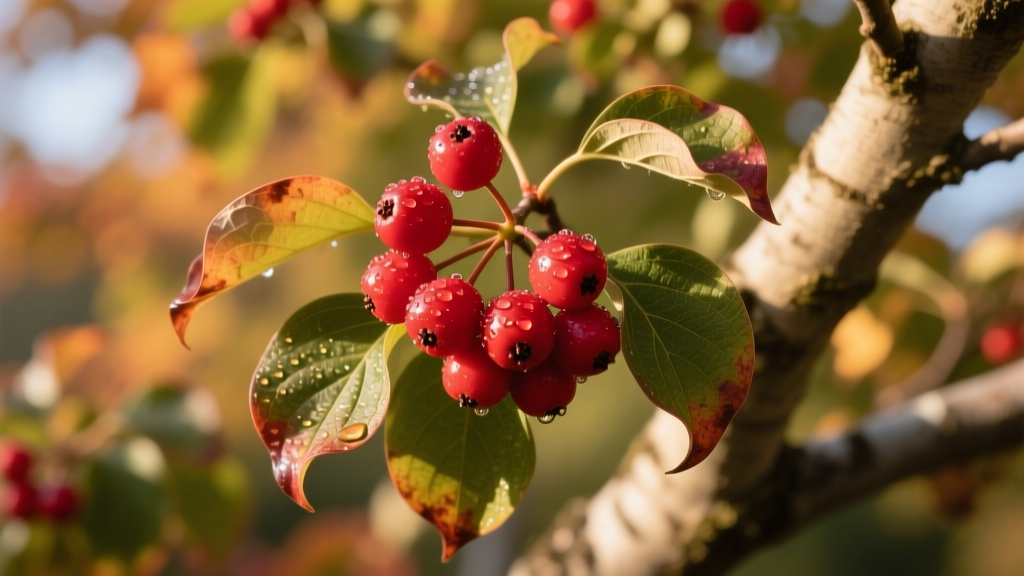
Are Kousa Dogwood Berries Edible? A Safety and Foraging Guide
The Short Answer: Yes, But With Important Caveats
Homeowners and urban foragers frequently ask: are kousa dogwood berries edible? The direct answer is yes, the fleshy interior of the Cornus kousa fruit is entirely edible, non-toxic to humans, and surprisingly sweet. When fully ripe, the pulp offers a flavor profile often compared to a cross between a ripe persimmon, papaya, and a mild mango. However, the fruit's tough, slightly bitter skin and hard internal seeds require specific preparation before consumption. Unlike common orchard fruits, you cannot simply wash and bite into a Kousa dogwood berry.
As a staple in ornamental landscaping across USDA Hardiness Zones 5 through 8, the Kousa dogwood produces a heavy yield of aggregate fruits in late summer and early fall. Understanding the botanical reality of this fruit, its safety profile for household pets, and the proper techniques for harvesting and processing is essential before you add it to your foraging repertoire.
Botanical Breakdown: What Exactly Are You Eating?
To properly identify and prepare the fruit, it helps to understand its botanical structure. What appears to be a single, raspberry-sized pink or red berry is actually a syncarp—a cluster of multiple smaller fruits fused together into a single fleshy body. According to the NC State Extension Plant Database, this unique structure develops after the tree's showy, pointed white bracts (often mistaken for petals) are pollinated in late spring.
The Anatomy of a Kousa Syncarp
- The Skin (Exocarp): Thin, tough, and distinctly bitter. It contains tannins that will ruin the flavor of jams or jellies if not removed.
- The Flesh (Mesocarp): Creamy, pale orange to yellow, and highly aromatic. This is the edible prize, rich in natural sugars and pectin.
- The Seeds (Endocarp): Numerous, hard, and roughly the size of peppercorns. They are tightly embedded in the center of the flesh and must be mechanically separated.
⚠️ Forager's Warning: Never swallow Kousa dogwood seeds whole. While not acutely toxic, they are extremely hard and pose a choking hazard, particularly for small children. Furthermore, consuming large quantities of crushed seeds can cause mild gastrointestinal distress due to trace amounts of cyanogenic glycosides, a common defense compound in the Rosaceae and Cornaceae families.
Nutritional Profile and Culinary Applications
While comprehensive USDA nutritional data specifically isolated for Cornus kousa is limited compared to commercial orchard crops, botanical analyses indicate the fruit is rich in calcium, potassium, and natural pectin. The high pectin content makes it an exceptional candidate for preserves, requiring little to no added commercial pectin during the jam-making process.
Culinary Decision Matrix: Best Uses for Kousa Pulp
| Application | Suitability | Preparation Notes |
|---|---|---|
| Fruit Leather | Excellent | Puree strained pulp, spread 1/8-inch thick, dehydrate at 135°F for 6-8 hours. |
| Jams & Jellies | Excellent | High natural pectin allows for low-sugar recipes. Use a 2:1 fruit-to-sugar ratio. |
| Fresh Eating | Good | Squeeze the fruit like a grape to pop the flesh into your mouth, discarding skin/seeds. |
| Baking (Pies/Tarts) | Poor | The high moisture and low acidity of the pulp results in a mushy texture when baked. |
| Wine & Fermentation | Moderate | Requires heavy acid blending (tartaric acid) and tannin additions to balance the flavor. |
Pet Safety: Are Kousa Dogwood Berries Toxic to Dogs and Cats?
A primary concern for homeowners is the safety of landscape plants for their pets. The Missouri Botanical Garden and veterinary toxicology databases do not classify Cornus kousa as a toxic plant for dogs, cats, or horses. The flesh of the fruit is safe if ingested.
However, safe does not mean harmless in large quantities. If a dog gorges on fallen Kousa berries, two secondary issues arise:
- Gastrointestinal Upset: The sudden influx of high-fiber fruit and unfamiliar sugars can lead to osmotic diarrhea and vomiting.
- Intestinal Blockage: The hard seeds, if swallowed in large numbers without being chewed, can accumulate and cause a physical obstruction in the digestive tract of small-breed dogs. This is a medical emergency requiring surgical intervention.
Actionable Advice: If your dog is prone to scavenging fallen fruit, rake the area beneath the canopy daily during the August-September drop window, or apply a 3-inch layer of heavy hardwood mulch to bury the fruit and deter foraging.
Kousa Dogwood vs. Native Flowering Dogwood: A Forager's Comparison
It is vital not to confuse the Kousa dogwood (Cornus kousa) with the native North American flowering dogwood (Cornus florida). While both produce red fruits in the fall, their culinary value to humans is drastically different.
🌳 Expert Insight: Native Cornus florida berries are highly astringent, bitter, and packed with lipids (fats). They are an evolutionary superfood designed specifically for migrating birds needing high-calorie fat reserves, not for human palates. Kousa berries, conversely, evolved to attract mammalian foragers with high sugar content.
Step-by-Step Foraging and Processing Guide
Harvesting Kousa dogwood berries requires precise timing. Picking them too early results in an astringent, chalky mouthfeel; picking them too late means competing with birds and dealing with fermented, rotting fruit on the ground.
Phase 1: Harvesting at Peak Ripeness
- Color Indicator: Wait until the fruit transitions from hard green to a soft, dusky pink or deep crimson red.
- Touch Test: The fruit should yield slightly to a gentle squeeze, similar to a ripe peach. If it feels rock-hard, it needs more time on the branch.
- The Drop Test: Fully ripe Kousa berries will detach from the stem with zero resistance. Harvest directly from the lower branches or collect freshly fallen fruit from clean mulch beds (never from bare soil or chemically treated lawns).
Phase 2: Mechanical Separation (The Food Mill Method)
Because the seeds are so tightly integrated into the flesh, hand-squeezing is inefficient for large batches. The most effective tool for processing Kousa dogwood berries is a stainless steel rotary food mill fitted with a fine or medium screen.
- Rinse the harvested berries thoroughly in a colander under cold water to remove dust and debris.
- Feed the whole, unpeeled berries into the food mill hopper.
- Crank the handle. The soft flesh and skin will be forced through the screen, while the hard seeds are ejected out the side waste chute.
- Pass the resulting puree through a fine-mesh nylon nut milk bag to catch any remaining skin fragments and microscopic seed shards.
- The final yield is a smooth, vibrant orange puree ready for immediate culinary use or freezing in silicone molds for long-term storage.
Landscape Management: Dealing with the Berry Drop
While the fruit is a bonus for foragers, the heavy August and September drop can be a nuisance for homeowners. Kousa dogwood berries contain natural pigments that stain concrete, asphalt, and light-colored composite decking. Furthermore, the sugary residue attracts yellowjackets and carpenter ants.
To manage the drop without sacrificing the tree's health or your lawn's aesthetics, implement the following maintenance protocol:
- Hardscape Protection: If the tree overhangs a patio, drape a lightweight, permeable shade cloth over the seating area during the 3-week peak drop window.
- Turf Management: Do not use a standard rotary mower to mulch the berries into the lawn. The seeds are tough enough to survive the mower blade and will germinate, creating hundreds of dogwood seedlings in your turf the following spring. Instead, use a lawn sweeper or a turf vacuum (such as the Billy Goat DL1200) to collect the fruit before mowing.
- Composting Caution: If you collect the berries for yard waste, ensure your compost pile reaches a sustained temperature of at least 140°F (60°C) to kill the seeds. Cold composting will result in seed survival.
By understanding the botanical nuances, safety parameters, and culinary potential of the Cornus kousa, you can transform a messy landscape byproduct into a valuable, sustainable harvest. For further botanical verification and regional growing data, consult the USDA Plants Database profile for Cornus kousa to ensure your local climate supports optimal fruit development.

