
Tree Care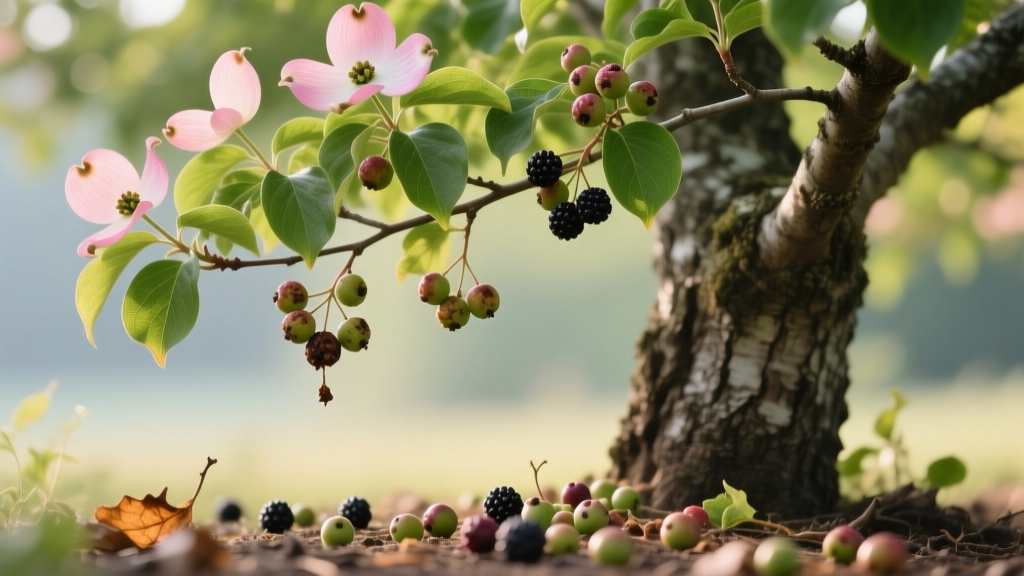
Kousa Dogwood Berry Issues: Diagnosing Poor Fruiting and Messy Drop
The Kousa Dogwood Berry: Edible Nuisance or Landscape Asset?
The Kousa dogwood (Cornus kousa) is highly prized for its layered branching, disease resistance, and late-spring bracts. However, its late-summer fruiting habit frequently triggers homeowner concerns. The "berries" are botanically classified as syncarps—fused clusters of drupes that resemble raspberries or lychees, typically measuring 1 to 1.25 inches in diameter. While they provide critical late-season calories for migratory birds, the heavy fruit drop can stain hardscapes, create slip hazards, and prompt confusion regarding toxicity and poor fruiting cycles.
⚠️ Toxicity Myth vs. Reality: A common diagnostic query is whether kousa dogwood berries are poisonous to humans or pets. According to veterinary toxicology databases, Cornus kousa syncarps are entirely non-toxic. They are technically edible for humans, though the mealy texture and large, hard seeds make them unpalatable. For dogs, ingestion of a few berries will not cause systemic poisoning, but swallowing the hard seeds whole can cause mild gastrointestinal blockage or upset in small breeds under 20 lbs.
Diagnostic Matrix: Why Your Kousa Dogwood Isn't Producing Berries
When a mature Kousa dogwood fails to produce berries, the root cause usually traces back to soil chemistry, improper pruning timing, or environmental stressors disrupting the pollination window. Use the diagnostic matrix below to identify the specific failure point in your tree's fruiting cycle.
| Symptom | Underlying Cause | Targeted Solution |
|---|---|---|
| Tree flowers heavily but drops blooms before fruit sets. | Late spring frost damaging ovaries, or lack of pollinator activity during the 3-week bloom window. | Avoid planting in frost pockets. Plant pollinator-friendly alliums nearby to attract native bees during late May. |
| Zero flowers or berries on a 4+ year-old tree. | Excess nitrogen promoting vegetative growth at the expense of floral bud initiation. | Halt high-nitrogen lawn fertilizers near the drip line. Apply a 0-10-10 or 5-10-10 granular fertilizer in early autumn. |
| Berries form but shrivel, turn brown, and drop prematurely in August. | Drought stress during the critical July fruit-sizing period, or early-stage dogwood anthracnose. | Apply a 3-inch layer of organic mulch to the drip line. Provide 1 inch of supplemental water weekly during summer droughts. |
| Tree is 5+ years old (seedling) and has never fruited. | Seed-grown Kousa dogwoods require 5 to 7 years to reach reproductive maturity; grafted trees fruit in 2 to 3 years. | Patience. Ensure soil pH is strictly between 5.5 and 6.5 to maximize nutrient uptake for eventual fruiting. |
For comprehensive species profiles and regional planting guidelines, the Clemson University HGIC provides excellent baseline data on Cornus kousa cultural requirements, emphasizing the necessity of well-drained, acidic soils to prevent root rot which silently kills fruiting wood.
Solving the Hardscape Stain and Slip Hazard Problem
When Kousa dogwood berries drop onto concrete patios, driveways, or stone walkways, foot traffic crushes the syncarps, releasing a dense mixture of anthocyanins (red/purple pigments) and tannins. If left untreated, UV exposure bakes the tannins into the porous concrete, creating permanent dark stains and a slippery, algae-promoting residue.
Step-by-Step Concrete Stain Removal
Do not use chlorine bleach on tannin-based berry stains. Chlorine can oxidize the tannins, driving the pigment deeper into the concrete pores and degrading acrylic concrete sealers. Instead, use an oxygenated approach.
- Dry Removal: Sweep or use a leaf blower to remove all intact berries and organic debris. Do not hose them down yet, as water spreads the pigment.
- Enzymatic Pre-Treatment: Apply a heavy-duty outdoor enzymatic cleaner (such as Simple Green Oxy Solve Concrete Cleaner) directly to the crushed stains. Allow it to dwell for 15 minutes to break down the organic sugars.
- Oxygen Bleach Poultice: For set-in stains older than 48 hours, mix powdered oxygen bleach (sodium percarbonate, like OxiClean Outdoor) with warm water at a ratio of 1 scoop per gallon. Apply to the stain, scrub with a stiff-bristle nylon brush, and let sit for 30 minutes.
- Pressure Washing: Rinse using a pressure washer rated at 2,000 to 2,500 PSI. Use a 15-degree (yellow) nozzle tip kept 6 inches from the surface to etch the pigment out of the pores without damaging the concrete matrix.
Protecting Berry-Bearing Wood from Anthracnose and Borers
A Kousa dogwood cannot produce berries if its vascular system is compromised by pests or fungi. While Cornus kousa is notably more resistant to dogwood anthracnose (Discula destructiva) than the native flowering dogwood (Cornus florida), it is not entirely immune, especially in shaded, poorly ventilated canopies. Furthermore, the dogwood borer (Synanthedon scitula) targets pruning wounds, destroying the cambium layer required to transport water to developing fruit.
🛑 Critical Pruning Rule: Never prune a Kousa dogwood in May or June. This is the exact flight window for adult dogwood borers. Fresh pruning cuts emit volatile organic compounds that attract egg-laying females. Restrict all structural pruning to late winter (February) when the tree is fully dormant and borers are inactive.
Chemical and Cultural Interventions
- Borer Prevention: As of 2026, the most effective preventative treatment is a soil drench containing Imidacloprid (1.47%). Products like Bonide Systemic Annual Tree and Shrub Drench retail for approximately $25 to $30 per gallon of concentrate. Apply in early spring just as buds break, using the label rate of 3 ounces per inch of trunk diameter at breast height.
- Anthracnose Management: If you notice angular, tan lesions with purple borders on the leaves near the berry clusters, the tree is fighting anthracnose. Improve air circulation by selectively thinning crossing branches in winter. If defoliation exceeds 30% in consecutive years, apply a preventative fungicide containing Chlorothalonil or Mancozeb at bud break and repeat every 14 days during wet spring weather.
- Mycorrhizal Support: Kousa dogwoods rely heavily on symbiotic soil fungi to uptake phosphorus, which is essential for fruit development. Avoid using broad-spectrum soil fungicides near the root zone. Instead, inoculate the soil with a granular mycorrhizal product (like Myke Tree and Shrub) during autumn mulching.
For detailed pathological identification of Discula destructiva and integrated pest management strategies, the Missouri Botanical Garden's PlantFinder database offers extensive, up-to-date cultural notes on maintaining Cornus kousa health in varied microclimates.
Frequently Asked Questions
Can I eat kousa dogwood berries?
Yes, the fleshy part of the syncarp is edible and contains antioxidants, but the taste is often described as bland or mildly sweet with a mealy texture. The hard seeds inside should be spat out, as they are difficult to digest. Most homeowners leave them for foraging birds like robins and cedar waxwings.
Why are my kousa dogwood berries green and hard in October?
Kousa dogwoods require a long, warm summer to ripen their fruit. If your region experienced a cool, overcast summer, or if the tree is heavily shaded by larger canopy trees, the syncarps may fail to accumulate the sugars required to turn red and soften. Thinning overhead shade to allow 4-6 hours of dappled sunlight can resolve this.
Do deer eat kousa dogwood berries?
Deer generally avoid the foliage of Cornus kousa due to its high tannin content, making it a deer-resistant landscape tree. However, in late winter when food sources are scarce, deer will forage for fallen, fermented berries on the ground, which can cause temporary intoxication and lethargy in the animals.
"The key to managing the kousa dogwood berry drop is proactive landscaping. Planting the tree in a mulched island bed rather than directly adjacent to a concrete driveway eliminates 90% of the staining and cleanup complaints we see in urban forestry consultations."

