Tree Care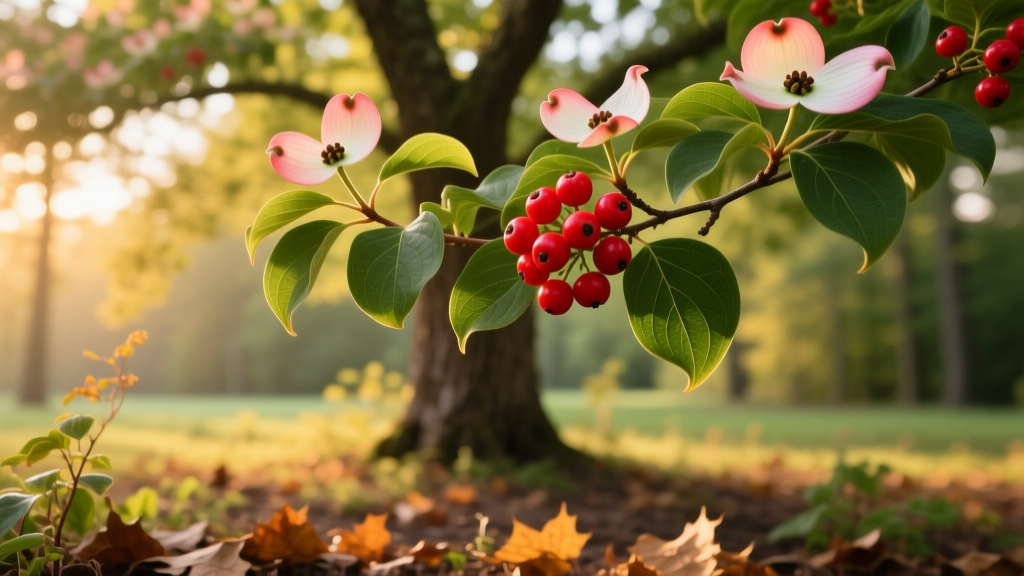
How to Cultivate, Harvest, and Troubleshoot Dogwood Berry Yields
While most homeowners plant dogwood trees for their spectacular spring bracts, the late-season dogwood berry is an often-overlooked secondary reward. Depending on the species, these drupes can be a vital food source for local avian wildlife or a surprisingly sweet, edible harvest for human consumption. However, achieving a heavy, consistent berry yield requires precise soil management, strategic pruning, and proactive disease control. This guide provides actionable, species-specific protocols for maximizing your dogwood berry production.
Identifying Your Dogwood Berry Species
Not all dogwood berries are created equal. Before attempting to harvest or heavily fertilize your tree, you must identify the exact Cornus species in your yard. Misidentifying the species can lead to disappointing culinary results or improper pruning schedules.
| Species | Common Name | Berry Appearance | Human Edibility | Ripening Window |
|---|---|---|---|---|
| Cornus kousa | Kousa Dogwood | Globular, 1-inch, pinkish-red, bumpy texture | Yes (sweet, mango-like pulp) | September - November |
| Cornus mas | Cornelian Cherry | Oblong, 0.5-inch, glossy bright red | Yes (tart, excellent for jams) | July - August |
| Cornus florida | Flowering Dogwood | Clustered, 0.25-inch, glossy scarlet red | No (bitter, astringent) | October - December |
According to the NC State Extension Plant Toolbox, Cornus kousa is highly resistant to the pests and diseases that plague the native Cornus florida, making it the superior choice for homeowners specifically targeting edible berry yields in suburban landscapes.
Step-by-Step Dogwood Berry Harvesting Guide
Harvesting Kousa or Cornelian cherry berries requires patience. Picking them before they reach peak sugar content (Brix) results in a chalky, astringent flavor. Follow this protocol for optimal harvesting:
- Monitor the Drop: Kousa berries are fully ripe when they begin to drop naturally from the tree. If you must pull a berry and it resists, it needs another 5 to 7 days on the branch.
- The Squeeze Test: A ripe Kousa berry will yield slightly to gentle pressure, feeling similar to a ripe peach. The skin should be entirely pink-red with no green or yellow mottling.
- Harvesting Technique: Gently twist the berry. If harvesting Cornelian cherries, lay a tarp beneath the canopy and gently shake the branches; fully ripe cherries will detach easily.
- Processing the Pulp: Kousa berries contain numerous hard, inedible seeds. Cut the berries in half and squeeze the soft, custard-like pulp through a fine-mesh stainless steel strainer (a standard 1mm mesh kitchen sieve works perfectly). Discard the skins and seeds.
Culinary Yield Metric: Expect approximately 4 cups of usable Kousa berry pulp from every 10 pounds of raw, unprocessed fruit. This pulp can be frozen in silicone ice cube trays for up to 8 months or used immediately in jams, requiring a 1:1 ratio of pulp to cane sugar and a dash of lemon juice to activate natural pectins.
Troubleshooting Poor Dogwood Berry Production
If your mature dogwood produces abundant spring flowers but fails to set fruit, or drops berries prematurely in mid-summer, you are likely dealing with one of three specific environmental failures.
Failure Mode 1: Soil pH Lockout
Dogwoods are ericaceous-adjacent; they demand acidic soil. If your soil pH creeps above 6.8, the tree cannot absorb iron and manganese, leading to chlorosis. A chlorotic tree lacks the photosynthetic energy to develop fruit. The Fix: Purchase a digital soil pH meter (e.g., Sonkir MS02, approx. $15). If pH is above 6.5, apply elemental sulfur at a rate of 1 pound per 100 square feet in early spring. Follow up with an acidic fertilizer like Espoma Holly-tone (4-3-4 NPK), applying 1 cup per inch of trunk diameter.
Failure Mode 2: Late Spring Frost Damage
While the spring bracts of Cornus florida are technically modified leaves, the true flowers are the tiny green-yellow clusters in the center. A hard freeze (below 28°F) after these true flowers open will kill the reproductive organs, resulting in zero berry set. The Fix: For smaller, multi-stemmed Kousa dogwoods, drape a frost blanket (minimum 1.5 oz/sq yard weight) over the canopy when frost is forecasted. Secure the base with landscape staples to trap geothermal heat.
Failure Mode 3: Improper Pruning Cuts
Dogwoods set their flower and fruit buds in late summer and fall. Pruning in late winter or early spring indiscriminately removes these pre-set buds. The Fix: Restrict pruning strictly to the 3-D rule (Dead, Damaged, Diseased wood) immediately after the spring bloom drops, or perform structural thinning during absolute winter dormancy (late January) when you can clearly see the branch architecture without removing terminal fruiting spurs.
Pruning Techniques to Maximize Berry Yields
Fruit production requires energy, and energy requires sunlight. A dense, unpruned dogwood canopy will shade out its own interior branches, causing them to abort fruit. Your goal is to achieve roughly 30% light penetration through the canopy.
- Tool Selection: Use sharp bypass pruners (like the Felco F-2, approx. $55) for branches under 0.75 inches. For limbs up to 2 inches, use a bypass lopper. Never use anvil pruners, as they crush the delicate vascular cambium of dogwood bark, inviting borers.
- The Collar Cut: When removing a branch, cut just outside the branch collar (the swollen ridge where the branch meets the trunk). Do not apply pruning paint or sealant; research confirms sealants trap moisture and accelerate rot in Cornus species.
- Water Sprout Removal: Vigorously growing, vertical water sprouts sap energy away from fruit production. Snap these off by hand in early summer when they are still soft and green, or prune them flush to the parent branch in winter.
Pest and Disease Management for Fruit-Bearing Dogwoods
A tree fighting off pathogens will prioritize survival over reproduction (berry production). The two most critical threats to your yield are Dogwood Anthracnose and the Dogwood Borer.
'Dogwood anthracnose, caused by the fungus Discula destructiva, thrives in cool, wet spring weather. It begins as tan spots with purple margins on the leaves and bracts, eventually moving into the twigs and killing the fruiting wood.' - UMass Amherst Extension
Anthracnose Protocol: Rake and destroy all fallen leaves in autumn to eliminate overwintering spores. If your tree has a history of severe defoliation, apply a preventative fungicide containing chlorothalonil or copper octanoate at bud break, followed by a second application 14 days later. Ensure your sprinkler system is not spraying directly onto the lower canopy, as wet foliage accelerates fungal spread.
Dogwood Borer (Synanthedon scitula) Protocol: These clear-winged moths lay eggs in bark crevices and pruning wounds. The larvae tunnel into the trunk, girdling the tree and cutting off nutrient flow to the berries. Prevent infestations by avoiding mechanical damage to the trunk from string trimmers. If you see frass (sawdust-like excrement) at the base of the trunk, apply an organic Spinosad-based trunk spray in late May when adult moths are active.
Frequently Asked Questions
Why are my Kousa dogwood berries hard and green in November?
Kousa dogwoods require a long, warm growing season to ripen fruit. If you live in USDA Zone 5 or colder, early autumn frosts may halt the ripening process. Harvest the hard berries anyway and place them in a paper bag with a ripe banana at room temperature for 5 to 7 days; the ethylene gas will help soften the pulp.
Do I need two dogwood trees for cross-pollination to get berries?
No. Cornus kousa, Cornus mas, and Cornus florida are all self-fertile. A single, healthy tree will produce a full crop of berries provided there are active native pollinators in your yard during the mid-spring blooming window.
Are dogwood berries toxic to dogs?
Kousa and Cornelian cherry berries are non-toxic to dogs and cats. However, the large, hard seeds inside Kousa berries pose a significant intestinal blockage risk for small dogs. If your dog forages fallen berries, monitor them for signs of gastrointestinal distress and rake up dropped fruit regularly.