Tree Care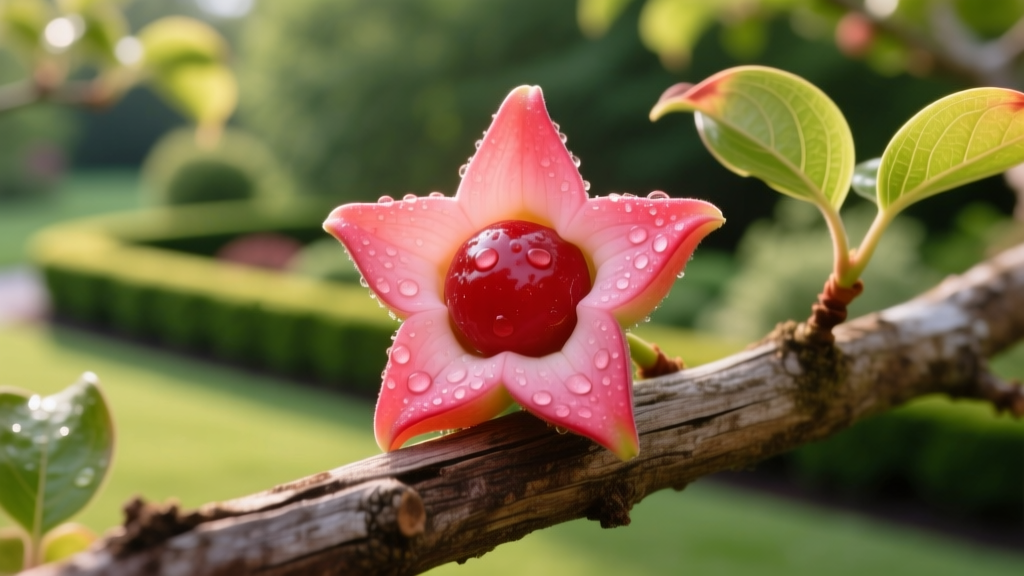
Can You Eat Kousa Dogwood Fruit? Safe Prep & Cleanup Solutions
Diagnosing the Kousa Dogwood Fruit Dilemma
Homeowners frequently ask: can you eat Kousa dogwood fruit? The short answer is yes, the fruit of Cornus kousa is entirely edible and non-toxic to humans and pets. However, treating it like a standard orchard fruit leads to disappointment. The Kousa dogwood produces a syncarp—a fleshy, bumpy, pinkish-red aggregate fruit that resembles a lychee or a raspberry. While the inner pulp is sweet and rich in calcium and antioxidants, the outer exocarp (skin) is highly astringent, and the interior contains numerous hard, woody seeds.
Beyond the culinary confusion, the fruit presents a distinct landscaping problem. When mature Kousa dogwoods drop their heavy yield in late summer and early autumn, the fruit creates slip hazards on patios, attracts stinging insects, and can smother turfgrass if left unmanaged. Diagnosing these dual problems—culinary preparation and lawn maintenance—is the first step toward turning this ornamental tree's messy habit into an asset.
Botanical Safety Check: According to the NC State Extension Plant Database, Cornus kousa is not listed on any toxic plant registries. Unlike the berries of the Yew or Oleander, Kousa fruit poses no poisoning risk to children or dogs playing in the yard.
How to Safely Eat Kousa Dogwood Fruit (Step-by-Step)
The primary mistake foragers make is biting directly into the fruit. The bumpy skin contains bitter tannins that will immediately dry out your mouth, and biting down on the seeds can chip a tooth. To properly eat Kousa dogwood fruit, you must separate the sweet pulp from the inedible components.
Step 1: The Squeeze Test for Ripeness
Kousa fruit ripens from late August through October, depending on your USDA Hardiness Zone. Unripe fruit is hard, bright red, and intensely astringent. Ripe fruit turns a dull pinkish-orange and yields to gentle pressure, much like a ripe peach or persimmon. If the fruit resists squeezing, leave it on the tree or let it ripen on a kitchen counter for 48 hours.
Step 2: The Peel and Scoop Method
- Wash the fruit: Rinse under cold water to remove surface dust and potential bird droppings.
- Remove the stem and blossom ends: Pinch off the small green stem and the dried, brown calyx at the opposite tip.
- Extract the pulp: You can either peel the bumpy skin back with a paring knife or simply pinch the fruit and squeeze the inner pulp directly into a bowl. The skin will split, and the gelatinous, custard-like pulp will extrude easily.
- Strain the seeds: Pass the extracted pulp through a medium-mesh sieve or food mill. The seeds are roughly 3mm in diameter and will be caught by the mesh, leaving you with a smooth, sweet puree.
Culinary Uses & Flavor Profile Matrix
Once processed, the pulp tastes like a cross between a ripe persimmon, a mango, and a banana. Because the yield per fruit is relatively low, it is best utilized as a flavor enhancer rather than a bulk ingredient. Below is a decision matrix for utilizing your harvested Kousa pulp.
| Preparation Method | Flavor Profile | Effort Level | Best Application |
|---|---|---|---|
| Raw Puree | Sweet, floral, slightly musky | Low | Smoothie bowls, yogurt topping |
| Kousa Jam | Caramelized, rich, apricot-like | High (requires pectin) | Toast, pastry filling |
| Simple Syrup | Light, tropical, fragrant | Medium | Cocktails, iced tea, lemonade |
| Baked Goods | Mild, banana-bread undertones | Medium | Muffins, quick breads |
Lawn Care Solutions for Messy Fruit Drop
For lawn care enthusiasts, the question of whether to eat Kousa dogwood fruit is often secondary to the problem of cleaning it up. A mature Kousa dogwood can drop hundreds of pounds of fruit over a three-week period. If left on the turf, the rotting fruit blocks sunlight, creates anaerobic dead spots in the grass, and attracts aggressive yellowjacket wasps.
Mulching vs. Bagging Strategy
Do not attempt to rake soft, overripe Kousa fruit; you will only smear the sticky pulp into the thatch layer. Instead, utilize a mulching mower equipped with high-lift blades. Set your mower deck to a height of 3.0 to 3.5 inches. The high-lift blades will create a vacuum effect, lifting the fruit off the turf before the mulching blade shreds it into fine particles. These particles decompose rapidly, returning valuable calcium and potassium to the soil.
Pro Tip: If the fruit drop is exceptionally heavy, alternate between mulching and bagging. Run your mower with the bagger attached for the first pass to remove 80% of the bulk, then switch to the mulching plug for the second pass to shred the remnants.
Hardscape and Patio Cleanup
On concrete patios and driveways, Kousa fruit creates a severe slip hazard and can stain porous pavers. Avoid using a pressure washer, as the high PSI will blast the seeds and sticky pulp into the joints of your pavers, promoting weed growth. Instead, use a stiff-bristled push broom and a leaf blower to clear the dry, hard, unripe drops. Once the fruit softens and drops heavily, use a lawn sweeper attachment towed behind a riding mower or pushed manually to collect the bulk without water.
Troubleshooting Common Kousa Fruit Issues
Issue: Fruit is rotting on the tree before ripening
Diagnosis: This is typically caused by anthracnose or botrytis blight, exacerbated by poor air circulation in the canopy.
Solution: Prune the interior crossing branches of your Kousa dogwood in late winter (February) while the tree is dormant. The Morton Arboretum recommends maintaining an open, vase-like structure to allow morning sun to dry the foliage and developing fruit, drastically reducing fungal rot.
Issue: Fruit lacks sweetness and remains highly astringent
Diagnosis: The fruit was harvested too early, or the tree is experiencing severe drought stress, which halts sugar production.
Solution: Kousa dogwoods have shallow root systems. During the fruit-setting months of July and August, provide 1 inch of water per week via a soaker hose placed at the drip line. Mulch the base with 2 inches of arborist wood chips to retain soil moisture, keeping the mulch 3 inches away from the trunk flare to prevent crown rot.
Issue: Yellowjackets are swarming the lawn drop
Diagnosis: Wasps are attracted to the fermenting sugars of crushed, overripe fruit on the turf.
Solution: Do not use chemical insecticides on the lawn, as this will harm beneficial soil microbes and pollinators. Implement a strict 48-hour cleanup cycle during peak drop season using a mechanical lawn sweeper. Alternatively, plant a trap crop of overripe grapes or use commercial wasp traps filled with sugar water and a drop of dish soap 20 yards away from the tree's drip line to draw the insects away from high-traffic yard areas.
By understanding the botanical quirks of Cornus kousa, you can safely harvest the fruit for unique culinary experiments while deploying mechanical lawn care strategies to keep your turf pristine. For more comprehensive guidance on managing ornamental tree drop and maintaining healthy soil biology, consult your local university extension office or refer to the Clemson University Home & Garden Information Center for region-specific dogwood care schedules.