
Tree Care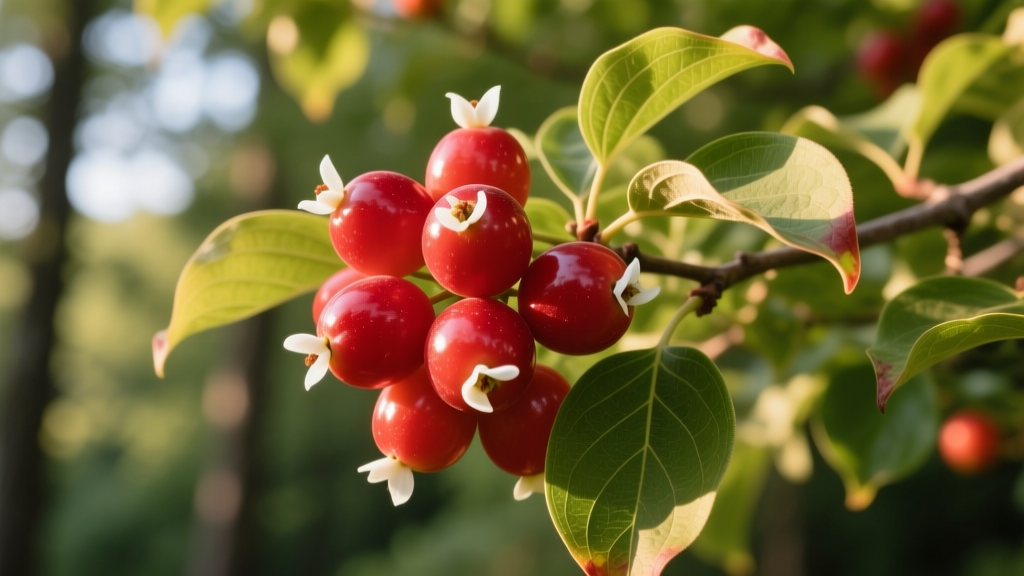
Kousa Dogwood Fruit: Is It Edible and How to Harvest It Safely
The Truth About Kousa Dogwood Fruit
Homeowners often plant the Kousa dogwood (Cornus kousa) for its stunning late-spring bracts and exfoliating bark, only to be surprised in late summer when the branches heavy with bumpy, strawberry-like orbs. The most common question we receive at the garden center is simple: Is Kousa dogwood fruit edible? The answer is a definitive yes. Unlike the native flowering dogwood (Cornus florida), whose berries are strictly for the birds, the Kousa dogwood produces a sweet, tropical-tasting fruit that is entirely safe for human consumption.
According to the NC State Extension Plant Toolbox, Cornus kousa is highly valued not just for its ornamental traits and resistance to dogwood anthracnose, but also for its unique edible yield. However, eating it straight off the tree requires a bit of technique. The skin is bitter and gritty, and the seeds are hard. This guide breaks down exactly how to identify, harvest, and prepare Kousa dogwood fruit for your kitchen.
Identifying Ripe Kousa Dogwood Berries
Timing your harvest is critical. Kousa dogwood fruit does not ripen uniformly, and picking it too early results in an astringent, mouth-puckering experience. The fruit develops in late summer and matures into early fall (typically late August through October, depending on your USDA hardiness zone, usually zones 5-8).
Visual and Tactile Ripeness Indicators
- Color Shift: The fruit transitions from a hard, pale green to a vibrant pinkish-red or deep coral. Fully ripe fruit often develops a slightly dull, matte finish rather than a glossy sheen.
- Texture: Unripe fruit is rock-hard. Ripe fruit yields slightly to a gentle squeeze, feeling similar to a ripe peach or persimmon.
- Drop Test: The most reliable indicator is natural abscission. When the fruit is perfectly ripe, it will detach from the stem with a very gentle tug, or you will find it freshly dropped on the lawn beneath the canopy.
Taste Profile and Nutritional Comparison
Describing the taste of Kousa dogwood fruit often requires a composite of familiar flavors. The inner pulp is sweet, creamy, and distinctly tropical. Most foragers compare it to a cross between a very sweet American persimmon, a papaya, and a ripe mango. It lacks the high acidity of berries, leaning heavily into mellow, sugary notes.
| Characteristic | Kousa Dogwood Fruit | American Persimmon | Strawberry |
|---|---|---|---|
| Primary Flavor | Sweet, tropical, papaya-like | Honey-sweet, rich, date-like | Sweet-tart, bright, acidic |
| Texture (Pulp) | Creamy, soft, slightly mucilaginous | Soft, jam-like, fibrous | Juicy, firm, seedy |
| Skin Edibility | No (bitter, gritty texture) | Yes (thin, astringent if unripe) | Yes (thin, tender) |
| Seed Profile | Large, hard, inedible (must spit out) | Flat, oval, edible but tough | Tiny, soft, fully edible |
⚠️ Forager's Warning: Never eat the skin or swallow the seeds of the Kousa dogwood fruit. The skin contains tannins that cause a dry, gritty sensation, and the seeds are large enough to pose a choking hazard or crack a tooth if bitten down on forcefully. Always scoop or squeeze the pulp out.
Step-by-Step Harvesting and Preparation
Harvesting Kousa dogwood fruit is a low-effort process, but preparation requires a specific method to bypass the unpleasant skin and seeds. A mature, 15-foot Kousa dogwood can produce between 10 to 20 pounds of fruit in a favorable year, giving you plenty of material to work with.
The Squeeze-and-Scoop Method
- Wash Thoroughly: Rinse the harvested fruit in a colander under cold running water to remove dust, bird droppings, or surface debris.
- Remove the Stem: Pinch the green stem at the top of the fruit and twist it off. This creates a natural opening.
- Score or Squeeze: For eating raw, simply place the fruit in your mouth, bite gently to break the skin, and suck out the sweet pulp, spitting out the seeds. For kitchen prep, use a paring knife to score the skin in half.
- Scoop the Pulp: Use a small spoon (a grapefruit spoon works exceptionally well) to scoop the creamy orange pulp away from the skin and seeds.
- Strain (Optional): If you are making jams or sauces, push the scooped pulp through a coarse mesh strainer to catch any remaining hard seed fragments.
Culinary Uses for the Home Garden
Because the pulp is highly perishable once extracted, you should process it within 24 to 48 hours. The high natural pectin and sugar content make it an excellent candidate for preserves.
- Kousa Dogwood Jam: Combine 2 cups of extracted pulp with 1.5 cups of granulated sugar and the juice of one lemon. Boil until it reaches 220°F (104°C) on a candy thermometer, then process in a water bath canner for 10 minutes.
- Tropical Smoothies: Freeze the extracted pulp in silicone ice cube trays. Blend the frozen Kousa cubes with coconut milk, banana, and a dash of vanilla extract for a dairy-free tropical smoothie.
- Baking Additions: Fold the raw pulp into muffin batters or quick breads. It acts similarly to mashed bananas or applesauce, adding moisture and a subtle, sweet flavor profile.
'The Kousa dogwood is a prime example of edible landscaping done right. It provides four-season ornamental interest while yielding a crop that bridges the gap between late-summer berries and autumn apples.' — Midwestern Urban Forestry Report, 2025
Tree Care Tips for Maximum Fruit Yield
If you want your Cornus kousa to produce a heavy, consistent crop, ornamental care and fruit production care must align. According to University of Minnesota Extension, dogwoods require specific soil conditions to thrive and fruit heavily.
Soil and Fertilization
Kousa dogwoods prefer slightly acidic, well-draining soil with a pH between 5.5 and 6.5. If your soil pH is above 7.0, the tree will struggle to uptake iron and phosphorus, leading to poor flowering and, consequently, zero fruit set. Test your soil every two years. Apply elemental sulfur to lower pH if necessary.
For fertilization, use a balanced 10-10-10 granular fertilizer or an organic equivalent (like a 4-4-4 poultry manure blend). Apply at a rate of 1 cup per inch of trunk diameter in early spring, just before bud break. Broadcast the fertilizer evenly from the drip line inward, keeping it at least 6 inches away from the main trunk to prevent root burn.
Pruning for Sunlight Penetration
Fruit production requires direct sunlight. While Kousa dogwoods tolerate partial shade, heavy shading within the canopy reduces fruit set. Prune in late winter while the tree is dormant. Remove any inward-growing branches, water sprouts, and crossing limbs to open the center of the canopy. Maintain a central leader or a well-spaced multi-stem structure to ensure UV light reaches the inner fruiting spurs.
Frequently Asked Questions
Are Kousa dogwood fruits toxic to dogs or cats?
No, Kousa dogwood fruit is not considered toxic to dogs or cats. However, the hard seeds can cause intestinal blockages if a dog swallows them whole in large quantities. It is best to rake up fallen fruit if your pets are prone to foraging in the yard.
Why did my Kousa dogwood drop all its fruit while it was still green?
Premature fruit drop is usually a stress response. The most common culprits are severe summer drought, poor soil drainage leading to root rot, or a sudden spike in temperatures above 90°F during the fruit-setting phase in July. Ensure the tree receives 1 to 1.5 inches of water per week during the summer months.
How long does it take for a newly planted Kousa dogwood to produce fruit?
A Kousa dogwood grown from seed can take 7 to 10 years to reach fruiting maturity. However, most nursery-purchased trees are grafted or grown from cuttings and will typically begin producing a noticeable fruit crop within 3 to 5 years of planting, once the root system is fully established.

