
Tree Care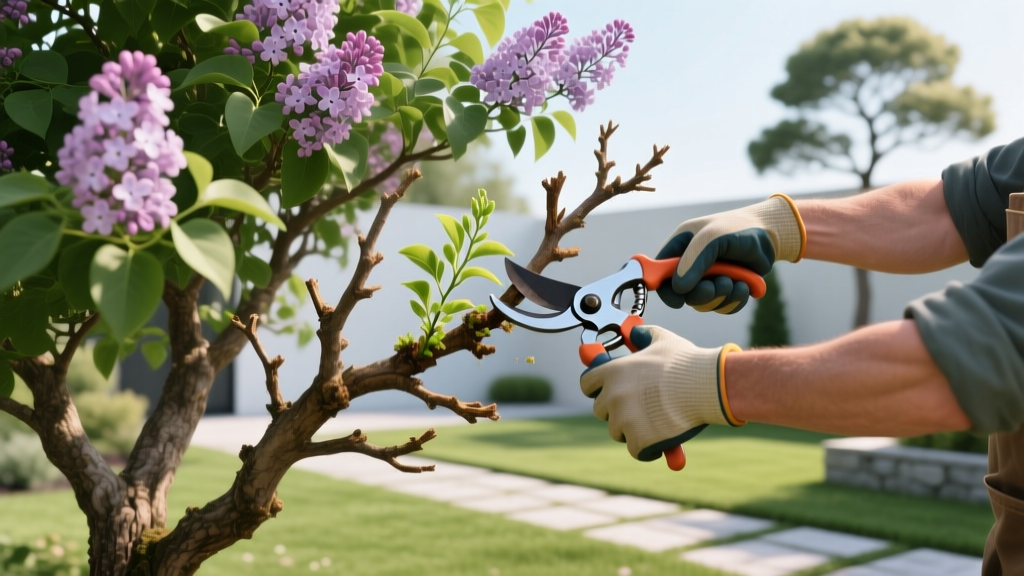
The Complete Guide to Lilac Pruning: Rejuvenation, Timing, and Techniques
The Biology of Lilac Blooms: Why Timing is Everything
Successful lilac pruning hinges on understanding the reproductive cycle of Syringa species. Common lilacs (Syringa vulgaris) and most hybrid shrub lilacs bloom exclusively on 'old wood'—specifically, the vegetative growth that matured during the previous summer. Flower buds begin differentiating in late July and August. If you prune or shear a lilac after mid-July, you are physically amputating next spring's flower clusters.
The optimal window for routine lilac pruning is strictly within the first two to three weeks immediately following the fade of the current year's blooms. This timing allows the plant to redirect energy into vegetative growth and set new flower buds before the late-summer dormancy trigger. According to the University of Minnesota Extension, pruning in late summer, fall, or early spring will not harm the plant's overall health, but it guarantees a barren, flowerless canopy for that year.
⚠️ Warning: The Summer Shearing Mistake
Never use electric hedge trimmers to shape a lilac into a formal hedge. Shearing creates hundreds of blunt, crushed cuts that invite bacterial blight (Pseudomonas syringae) and destroys the natural, arching architecture required for optimal light penetration and air circulation.
Essential Tools for Lilac Pruning
Lilac wood is notoriously dense and brittle, especially on mature canes older than five years. Using the wrong tool will crush the vascular cambium, leading to dieback and borer infestations. Invest in high-carbon steel bypass tools; avoid anvil-style pruners entirely, as they crush rather than slice the wood fibers.
- Hand Pruners (Up to 3/4-inch diameter): The Felco 2 Classic Bypass Pruner (approx. $65) is the industry standard. Its replaceable hardened steel blade makes clean, flush cuts without tearing the bark.
- Loppers (Up to 2-inch diameter): Corona SL 4264 Bypass Loppers (approx. $85) feature a compound action that multiplies leverage, essential for snapping through tough, lignified basal canes.
- Pruning Saw (Over 2-inch diameter): A Silky Gomboy 240 folding saw (approx. $55) with impulse-hardened teeth cuts on the pull stroke, preventing the saw from binding in the dense lilac wood.
- Pole Pruner (Tree-form Lilacs): For Japanese tree lilacs (Syringa reticulata), the Silky Hayauchi pole saw allows you to reach canopy heights of 12 to 15 feet safely without a ladder.
Sanitization Protocol: Preventing Bacterial Blight
Lilacs are highly susceptible to lilac bacterial blight, which spreads rapidly through pruning wounds. Wiping blades on a dirty rag is insufficient. You must sterilize tools between every single cut when removing diseased wood, and between every plant during routine maintenance.
While a 10% bleach solution is often recommended, bleach actively corrodes high-carbon steel blades and degrades pivot joints. Instead, use a 70% isopropyl alcohol solution or a quaternary ammonium-based disinfectant (like Lysol Brand Clean & Fresh aerosol). Spray the blades thoroughly, wait 30 seconds for contact time, and wipe dry. After pruning, coat the pivot and blades with a light machine oil (like 3-in-One) to prevent rust.
The 3-Year Rejuvenation Pruning Framework
When a common lilac becomes overgrown, leggy, and produces blooms only at the very top of a 10-foot canopy, it requires rejuvenation. The most common failure mode is the 'chainsaw haircut'—cutting the entire shrub to the ground in one year. This shocks the root system, forcing the plant to push dozens of weak, spindly water-sprouts that are highly vulnerable to powdery mildew and lilac borers.
Instead, use the 3-Year Renewal Method recommended by The Morton Arboretum. This gradual approach maintains the shrub's energy reserves while systematically replacing old, unproductive wood with vigorous new flowering canes.
| Year | Action Required | Bloom Impact |
|---|---|---|
| Year 1 (Early Spring) | Identify the oldest, thickest canes (typically over 1.5 inches in diameter with peeling, gray bark). Cut 1/3 of these canes completely to the ground, leaving a 2-inch stub. Remove all dead or crossing interior branches. | Bloom volume reduced by approx. 30%. Remaining old wood will flower normally. |
| Year 2 (Early Spring) | Thin the new water-sprouts generated in Year 1, keeping only the 3 or 4 strongest, straightest shoots per stump. Cut the next 1/3 of the oldest original canes to the ground. | Bloom volume reduced by approx. 15%. New canes will not flower yet. |
| Year 3 (Early Spring) | Remove the final 1/3 of the original old-growth canes. Thin Year 2 sprouts. The shrub now consists entirely of young, vigorous wood aged 1 to 3 years. | Full bloom restoration. Canopy is now dense, floriferous, and 6-8 feet tall. |
Managing Tree-Form and Grafted Lilacs
Japanese tree lilacs (Syringa reticulata) and Korean tree lilacs (Syringa pekinensis) are naturally small trees, growing 20 to 30 feet tall. Unlike common shrub lilacs, they require structural pruning to maintain a central leader and clear trunk.
For tree-form lilacs, maintain a clear trunk (no lateral branches) for the bottom 4 to 6 feet. Prune lateral branches back to the trunk collar during the dormant season (late winter). Because they bloom on old wood, dormant pruning will sacrifice some spring blooms, but structural integrity and clearance for pedestrians or mowers take priority over maximum flower density on tree-form specimens.
💡 Pro Tip: Handling Graft Unions
Many standard (tree-form) common lilacs are grafted onto a straight trunk of a different rootstock, often privet or ash. Inspect the base of the trunk for a swollen, angled graft union. Any suckers emerging from the soil or below this graft union must be snapped off immediately at the source. If you simply prune them flush with the ground, they will resprout aggressively and eventually overtake the grafted scion, reverting the plant to a wild, non-flowering shrub.
Troubleshooting Common Pruning Failures
1. Lilac Borer Infestations in Cut Stubs
The lilac borer (Podosesia syringae) is a clearwing moth whose larvae tunnel into the pith of lilac canes, causing sudden branch dieback. Borers specifically target the flat, exposed end-grain of poorly executed pruning cuts. When removing a branch, always cut at a 45-degree angle, angling away from the bud. Never leave stubs longer than 1/4 inch above the bud collar; the dead stub tissue acts as a highway for boring insects to enter the main vascular system.
2. Powdery Mildew from Canopy Congestion
If your lilac leaves are coated in a white, powdery fungus by late August, your pruning strategy is failing to provide adequate airflow. Lilacs require a minimum of 6 hours of direct sunlight and cross-breezes through the canopy. During post-bloom pruning, aggressively thin out inward-growing branches and remove any secondary laterals that crowd the interior. Aim to maintain a canopy density where you can easily see the trunk through the leaves from 10 feet away.
3. The 'Deadheading' Dilemma
Removing spent flower heads (deadheading) directs energy toward next year's buds rather than seed production. However, on large, mature lilacs, the labor required to deadhead hundreds of panicles often outweighs the marginal benefit. According to Penn State Extension, deadheading is highly recommended for young lilacs (under 5 years old) to accelerate establishment and vegetative growth. For mature, established specimens over 8 years old, allowing the panicles to dry and drop naturally will not significantly impact the following year's bloom volume, saving you hours of tedious ladder work.
Frequently Asked Questions
Can I prune my lilac in the fall?
You can, but you will be cutting off next year's flower buds. Fall pruning is only recommended if you are removing dead, diseased, or structurally compromised wood that poses a winter hazard.
Why are the cuts on my lilac turning black and peeling?
This is usually a sign of using dull anvil pruners or making flush cuts that damage the branch collar. Always use sharp bypass pruners and cut just outside the branch bark ridge to allow the tree's natural compartmentalization process (CODIT) to seal the wound.
Should I apply pruning sealer to large lilac cuts?
No. Arboricultural science has conclusively proven that pruning sealers, tar, and wound paints trap moisture against the cut surface, accelerating fungal decay. Lilacs compartmentalize wounds naturally; leave large cuts exposed to dry air.

