
Tree Care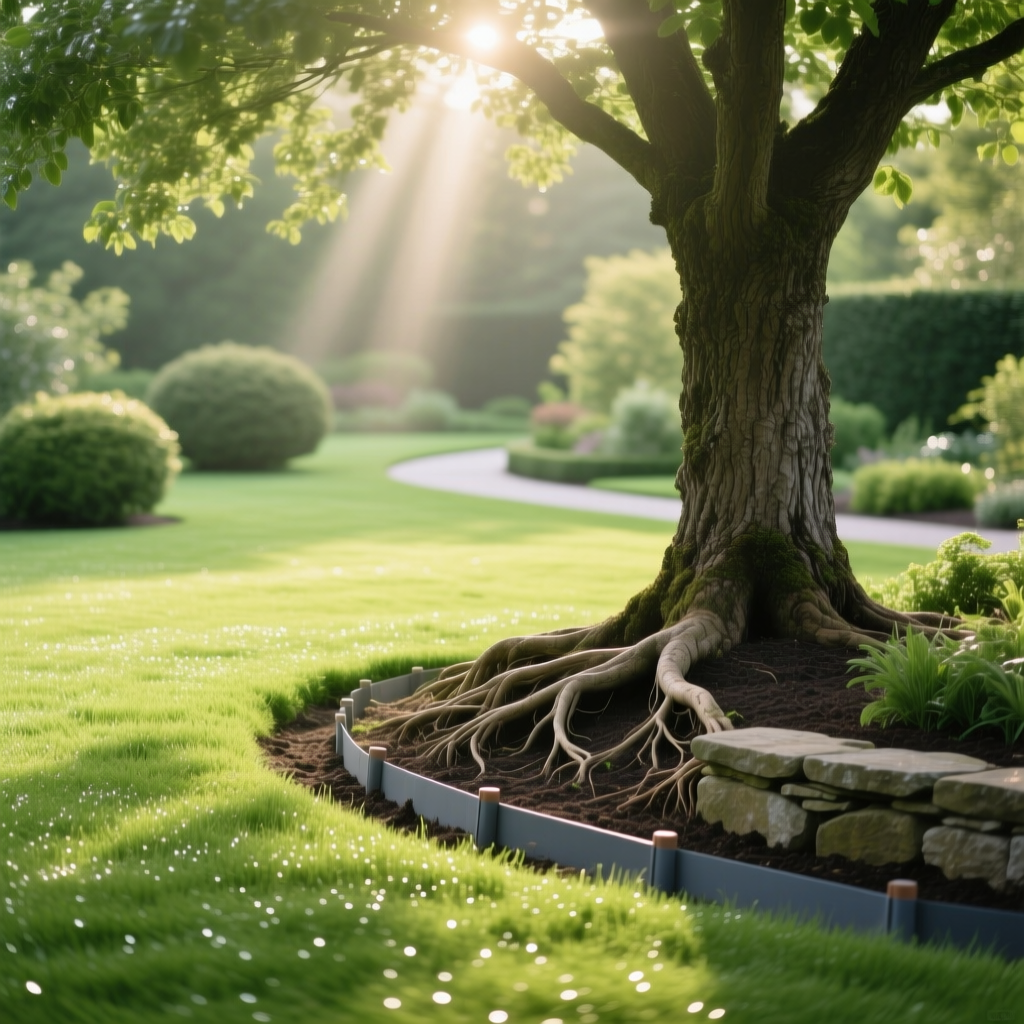
How to Manage Tree Roots Near Foundations Without Harming the Tree
Anna KowalskiPublished
Tree roots are remarkably resilient structures that can extend far beyond the drip line of a tree's canopy, often searching for moisture and nutrients in the soil surrounding your home's foundation. While trees provide immense value to your landscape — from shade and beauty to increased property value — their root systems can sometimes create conflicts with structural elements like foundations, driveways, sidewalks, and underground utilities. The challenge many homeowners face is finding a balance between protecting their home's structural integrity and preserving the health of mature trees that may have taken decades to grow.
The good news is that managing tree roots near foundations does not have to mean removing or killing the tree. With the right techniques, timing, and understanding of how root systems function, you can effectively mitigate foundation damage while keeping your trees healthy and vibrant. This comprehensive guide walks you through everything you need to know about identifying root-related foundation issues, implementing safe management strategies, and maintaining both your landscape and your home for years to come. If you are also working on overall yard health, our lawn care guides can help you maintain a thriving landscape around your trees.
Understanding How Tree Roots Interact with Foundations
Before implementing any root management strategy, it is essential to understand how tree roots behave and why they sometimes become problematic near foundations. Most tree roots grow in the top 12 to 18 inches of soil, spreading outward in a wide, relatively shallow network. A mature tree's root system can extend two to three times the width of its canopy, meaning even trees planted at a seemingly safe distance from your home can eventually send roots toward your foundation.
Roots are attracted to foundations for several reasons. First, the soil near foundations often retains moisture differently than surrounding soil, particularly if there are drainage issues or if the foundation creates a barrier that traps water. Roots naturally grow toward moisture, and the area around a foundation can become an attractive target. Second, backfilled soil around foundations is often looser and easier for roots to penetrate compared to compacted native soil. Third, cracks or gaps in foundation walls can allow moisture to seep out, further attracting root growth.
It is important to note that tree roots rarely cause direct damage to structurally sound foundations. Instead, most root-related foundation problems stem from soil moisture changes. Large trees can extract significant amounts of water from the soil, causing clay-rich soils to shrink and settle unevenly beneath foundations. This process, known as subsidence, can lead to cracking, shifting, and other structural issues. Conversely, in some cases, roots can physically push against foundation walls or grow into existing cracks, widening them over time.
Understanding whether your problem is caused by soil moisture changes, direct root pressure, or a combination of both will help you choose the most effective management approach. For broader landscape planning tips that complement tree management, check out our landscaping resources for ideas on creating a balanced yard design.
Assessing Root Damage and Identifying Problem Trees
The first step in managing tree roots near your foundation is conducting a thorough assessment of the situation. Not all trees pose the same level of risk, and not all foundation cracks are caused by roots. Taking the time to properly diagnose the problem will save you from unnecessary tree removal or expensive repairs that fail to address the root cause — quite literally.
Signs That Tree Roots Are Affecting Your Foundation
Several warning signs can indicate that tree roots are interacting with your foundation in problematic ways. These include diagonal cracks in foundation walls or interior drywall, particularly cracks that are wider at the top than the bottom. You may notice doors and windows that stick or no longer close properly, which can indicate foundation shifting. Bulging or bowing of basement walls, gaps between walls and ceilings or floors, and visible roots near the foundation surface are all additional indicators. In crawl spaces, you might notice moisture changes or roots growing through cracks in the foundation floor.
High-Risk Tree Species
Some tree species are more likely to cause foundation problems due to their aggressive root systems, large mature size, or high water consumption. Trees known for problematic root behavior include willows, poplars, silver maples, elms, oaks, and ash trees. These species tend to have extensive, fast-growing root systems that seek out moisture aggressively. Fast-growing trees generally pose a higher risk because their roots expand more rapidly and can reach foundations sooner than slower-growing species.
That said, even trees with less aggressive root habits can cause issues if planted too close to a structure. The general recommendation is to plant large trees at least 20 feet from foundations, medium trees at least 15 feet away, and small trees at least 8 to 10 feet away. If you already have mature trees closer than these distances, proactive management becomes especially important.
Professional Assessment
For the most accurate diagnosis, consider hiring a certified arborist or structural engineer to evaluate the situation. An arborist can assess the health of the tree, identify the species-specific root behavior patterns, and determine how much root pruning the tree can safely tolerate. A structural engineer can evaluate the foundation damage and determine whether roots are truly the cause or if other factors like poor drainage, soil composition, or construction defects are to blame. This dual assessment ensures you address the real problem without unnecessarily harming your tree. For additional guidance on keeping your entire yard healthy, explore our tree care section for more expert tips.
Non-Invasive Root Management Techniques
Whenever possible, start with non-invasive or minimally invasive techniques that manage root behavior without cutting or damaging the root system. These approaches focus on modifying the environment around the foundation to make it less attractive to roots while ensuring the tree has access to the resources it needs elsewhere.
Improving Drainage Around the Foundation
One of the most effective ways to discourage root growth near foundations is to eliminate the moisture attractant. Proper grading should direct water away from the foundation at a slope of at least six inches over the first ten feet. Installing or repairing gutter systems and downspout extensions ensures that roof runoff is directed well away from the foundation. French drains, curtain drains, or foundation drainage systems can intercept subsurface water before it accumulates near the foundation walls. By keeping the soil near the foundation consistently drier, you remove the primary incentive for roots to grow in that direction.
Deep Root Watering and Fertilization
Providing trees with an alternative source of water and nutrients away from the foundation can redirect root growth over time. Deep root watering systems, such as soaker hoses placed at the drip line or beyond, encourage roots to grow outward rather than toward the house. Similarly, deep root fertilization — which injects nutrients directly into the root zone at a distance from the foundation — gives the tree what it needs without encouraging roots to seek resources near your home. This technique is particularly effective when combined with a consistent soil health management program that keeps the broader landscape well-nourished.
Root Barriers
Root barriers are physical or chemical barriers installed in the soil between the tree and the foundation to redirect root growth. Physical root barriers are typically made of high-density polyethylene, metal, or fabric and are installed in a trench between the tree and the structure. These barriers should extend at least 24 to 36 inches deep and protrude slightly above the soil surface to prevent roots from growing over the top. When installed correctly, root barriers can effectively deflect roots downward and away from foundations without harming the tree.
Chemical root barriers use slow-release herbicides or growth inhibitors, such as copper compounds or trifluralin, embedded in a fabric or geotextile material. These products inhibit root tip growth at the barrier without killing the entire root system. However, chemical barriers should be used with caution and ideally under the guidance of a professional, as improper use can harm the tree or contaminate surrounding soil and groundwater.
Mulching and Soil Management
Proper mulching around trees — but not against foundations — can help maintain consistent soil moisture in the tree's preferred root zone, reducing the tree's need to send exploratory roots toward the house. Apply a two- to four-inch layer of organic mulch in a wide ring around the tree, extending to the drip line if possible. Keep mulch at least six inches away from the tree trunk to prevent rot and pest issues, and avoid piling mulch against the foundation, as this can create moisture problems and attract pests. Learn more about proper mulching techniques in our mulching guide.
Root Pruning and Physical Interventions
When non-invasive methods are not sufficient, physical root pruning or other direct interventions may be necessary. These techniques require careful planning and execution to avoid compromising the tree's health and structural stability.
When Root Pruning Is Appropriate
Root pruning involves cutting specific roots that are growing toward or against the foundation. This technique is most appropriate when a small number of large roots are causing direct physical damage, when roots have entered foundation cracks or drainage systems, or when installing root barriers requires cutting roots in the trench line. Root pruning should never remove more than 25 percent of a tree's root system at one time, and even that amount can be stressful for older or already-stressed trees. As a general rule, avoid cutting roots larger than two inches in diameter unless absolutely necessary, and never cut roots within a distance from the trunk equal to three times the trunk's diameter at chest height.
Proper Root Pruning Technique
When root pruning is necessary, use sharp, clean tools to make smooth cuts that heal quickly. Cut roots cleanly rather than tearing or crushing them, as ragged cuts are more susceptible to disease and decay. After cutting, apply a root sealant or pruning compound to large cuts to help prevent pathogen entry. Backfill the trench with amended soil and water the area thoroughly to help the tree recover. Monitor the tree closely in the weeks and months following root pruning for signs of stress, such as wilting, leaf drop, or dieback in the canopy.
Timing matters significantly. Root pruning is best performed during the tree's dormant season — typically late fall or winter for deciduous trees — when the tree's metabolic activity is low and it can better tolerate the stress of root loss. Avoid pruning roots during summer drought periods or when the tree is already under stress from disease, pest infestation, or environmental factors. For seasonal tree care tips that support recovery after root pruning, visit our seasonal tree maintenance guide.
Installing Root Barriers After Pruning
Root pruning is often combined with root barrier installation for long-term protection. After cutting the problematic roots, a physical root barrier is installed in the same trench to prevent regrowth toward the foundation. The barrier should be placed at least 12 inches from the foundation wall and extend deep enough to intercept the root zone — typically 24 to 36 inches. This combination approach addresses both the immediate problem and provides ongoing protection.
Aeration and Soil Decompaction
Compacted soil near foundations can force roots to grow in unexpected directions, including along the foundation wall where soil may be less compacted. Vertical mulching or soil aeration around the tree's root zone — but away from the foundation — can encourage roots to grow in a more natural, spreading pattern. This technique involves drilling holes in the soil and filling them with gravel, compost, or other amendments to improve air and water penetration. Healthier, well-aerated soil throughout the tree's root zone reduces the likelihood that roots will concentrate near the foundation.
Long-Term Tree Health and Foundation Monitoring
Managing tree roots near foundations is not a one-time task but an ongoing process that requires regular monitoring and maintenance of both the tree and the foundation. Establishing a long-term care plan ensures that small issues are caught early before they develop into costly problems.
Regular Foundation Inspections
Inspect your foundation at least twice a year — ideally in spring and fall — for new cracks, moisture intrusion, or signs of movement. Pay special attention to areas near large trees, and document any changes with photographs and measurements. Small hairline cracks may be normal settling, but cracks that grow wider over time, horizontal cracks, or stair-step cracks in masonry warrant professional evaluation. Keeping a record of foundation conditions over time helps you track whether your root management strategies are working effectively.
Ongoing Tree Health Care
A healthy tree is better able to recover from root pruning and other interventions. Maintain a consistent tree care program that includes proper watering during dry periods, mulching to conserve soil moisture, and monitoring for pests and diseases. Prune the canopy as needed to maintain a balanced structure — reducing canopy size through selective pruning can reduce the tree's overall water demand, which in turn can reduce root growth pressure. However, avoid excessive canopy reduction, as this can stress the tree and stimulate vigorous, unwanted root growth as the tree tries to compensate for lost photosynthetic capacity.
Fertilize trees based on soil test results rather than on a fixed schedule. Over-fertilization can stimulate excessive root and shoot growth, potentially worsening root-foundation conflicts. Our fertilization guide provides detailed information on testing your soil and applying the right nutrients in the right amounts.
Seasonal Considerations
Different seasons present different challenges for managing the tree-foundation relationship. During summer, high water demand from large trees can cause significant soil shrinkage in clay soils, leading to foundation settlement. Supplemental watering of trees during drought periods — applied at the drip line and beyond — can help maintain consistent soil moisture and reduce foundation movement. In winter, freezing and thawing cycles can exacerbate existing foundation cracks, making it important to address root-related damage before the cold season arrives.
Spring is an ideal time to assess any winter damage, check root barrier integrity, and plan any necessary root pruning for the following dormant season. Fall is the best time for planting new trees at safe distances from foundations and for applying mulch to prepare trees for winter. For a complete seasonal care calendar, see our seasonal tree maintenance guide.
When Tree Removal Becomes Necessary
In some cases, despite best efforts, a tree may pose too great a risk to the foundation to be safely maintained. This is most common with very large, aggressive species planted extremely close to the home, trees with compromised health that cannot tolerate root pruning, or situations where foundation damage is severe and ongoing. If tree removal becomes necessary, consult a certified arborist to ensure the tree is removed safely and the stump is properly ground or treated to prevent regrowth. Consider replanting with a smaller, less aggressive species at a safe distance to maintain the aesthetic and environmental benefits of trees in your landscape.
Frequently Asked Questions
How far should trees be planted from a house foundation?
As a general guideline, large trees (those that will reach 50 feet or more in height at maturity) should be planted at least 20 feet from any foundation. Medium-sized trees (30 to 50 feet tall) should be at least 15 feet away, and small trees (under 30 feet) should be at least 8 to 10 feet from the foundation. These distances account for typical root spread and help minimize the risk of root-foundation conflicts as the tree matures. Keep in mind that some species with particularly aggressive root systems may require even greater distances. When planning your landscape, consider the tree's mature size rather than its size at planting time.
Will cutting tree roots kill the tree?
Cutting tree roots does not necessarily kill the tree, but improper or excessive root pruning can cause serious harm or even lead to the tree's death over time. The impact depends on how many roots are cut, their size, their distance from the trunk, and the overall health of the tree. As a rule of thumb, never remove more than 25 percent of the root system at once, and avoid cutting roots within three times the trunk diameter from the base of the tree. Large structural roots are critical for both nutrient uptake and physical stability, and cutting them can make the tree unstable and vulnerable to windthrow. Always consult a certified arborist before undertaking significant root pruning.
Do root barriers really work for protecting foundations?
Yes, properly installed root barriers are an effective long-term solution for protecting foundations from tree root intrusion. Physical barriers made of high-density polyethylene or similar materials can redirect root growth downward and away from the foundation for decades. The key to success is proper installation — the barrier must be deep enough (at least 24 to 36 inches), extend far enough laterally to cover the area of concern, and protrude slightly above grade to prevent roots from growing over the top. Root barriers are most effective when combined with good drainage practices and proper tree placement. They are a worthwhile investment for homeowners who want to preserve mature trees while protecting their home's structural integrity.
Can I manage tree roots near my foundation myself, or do I need a professional?
Many non-invasive root management techniques can be performed by knowledgeable homeowners. Improving drainage, applying mulch correctly, installing shallow root barriers, and implementing deep watering programs are all tasks that most homeowners can handle with proper research and care. However, significant root pruning, installation of deep root barriers near the foundation, and assessment of structural damage should be left to professionals. A certified arborist can evaluate the tree's health and determine safe pruning limits, while a structural engineer can assess foundation damage and recommend appropriate repairs. Working with professionals is especially important when dealing with large, mature trees or when foundation damage is extensive.
What are the best tree species to plant near a house?
If you want to plant trees relatively close to your home, choose species with smaller mature sizes, slow growth rates, and non-aggressive root systems. Good options include Japanese maple, dogwood, redbud, crape myrtle, magnolia, and ornamental cherry trees. These species typically have more compact root systems and lower water demands, reducing the risk of foundation conflicts. Avoid planting willows, poplars, silver maples, American elms, and other species known for aggressive, water-seeking roots near any structure. Always research the specific growth habits and mature size of any tree before planting, and consult your local extension service or a certified arborist for species recommendations tailored to your region and soil conditions. For more planting and care advice, browse our complete tree care library for expert guidance on every aspect of tree health.

