
Tree Care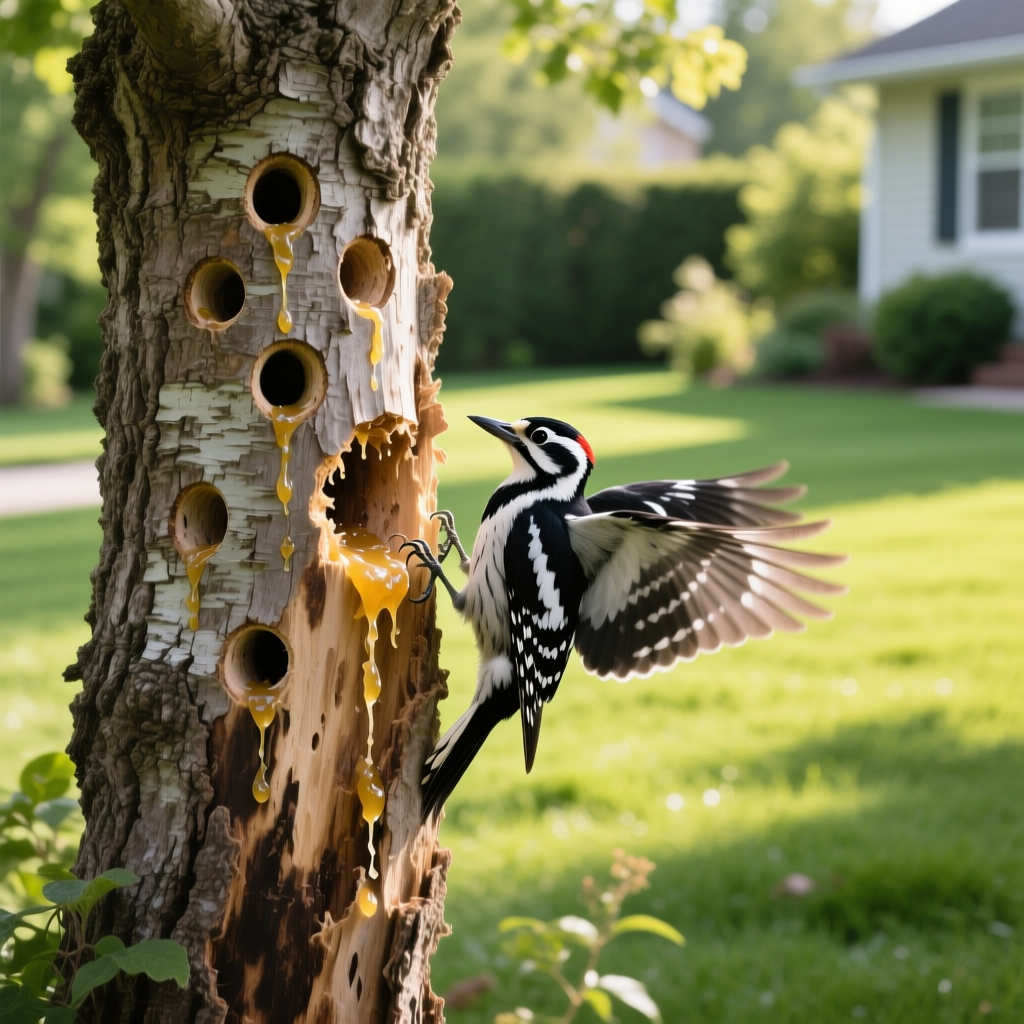
Managing Sapsucker Woodpecker Damage on Residential Trees
Mike RodriguezPublished
If you have noticed neat rows of small, shallow holes drilled into the bark of your yard trees, you are likely dealing with a sapsucker. These migratory woodpeckers are notorious for feeding on tree sap and the insects attracted to it, leaving behind distinctive patterns of damage that can weaken trees over time. While a few peck marks may seem harmless, repeated sapsucker visits can girdle branches, invite disease, and ultimately compromise the health of your most valuable landscape trees.
Managing sapsucker woodpecker damage requires a combination of understanding the bird’s behavior, recognizing which trees are most vulnerable, and employing humane deterrent strategies that protect your trees without harming wildlife. In this comprehensive guide, we cover everything you need to know about identifying sapsucker damage, protecting your residential trees, and maintaining long-term tree health so your landscape thrives season after season.
Understanding Sapsuckers and Why They Target Residential Trees
Sapsuckers belong to the woodpecker family and include several species found across North America, most notably the Yellow-bellied Sapsucker, the Red-naped Sapsucker, the Red-breasted Sapsucker, and Williamson’s Sapsucker. Unlike other woodpeckers that primarily bore into wood in search of insects, sapsuckers have a unique feeding strategy: they drill shallow, horizontal rows of small holes through the bark to access the phloem and cambium layers where sap flows. They then lap up the sap with their brush-tipped tongues and also consume insects that become trapped in the sticky exudate.
Residential trees are particularly attractive to sapsuckers for several reasons. Landscape trees are often well-watered and fertilized, which promotes vigorous sap flow. Many residential neighborhoods lack the dense forest canopy that sapsuckers prefer in the wild, making individual yard trees stand out as convenient feeding stations. Additionally, certain ornamental and fruit trees commonly planted in residential settings—such as birch, maple, crabapple, and cherry—produce copious amounts of sap that sapsuckers find irresistible.
Sapsuckers are migratory birds, and their feeding activity typically peaks during spring and fall migration periods. However, in many regions, they may also breed during summer and overwinter in milder climates, meaning damage can occur across multiple seasons. Understanding these patterns is essential for timing your protective measures effectively. For more information on keeping your landscape healthy throughout the seasons, explore our seasonal lawn care guide to coordinate tree care with your overall yard maintenance schedule.
Identifying Sapsucker Damage on Your Trees
Recognizing sapsucker damage early is critical to preventing long-term harm to your trees. Sapsucker feeding holes have a very distinct appearance that sets them apart from damage caused by other woodpecker species or boring insects. Here are the key signs to look for:
Characteristic Hole Patterns
Sapsuckers drill small, round to oval holes approximately one-quarter inch in diameter. These holes are arranged in neat horizontal rows or grid-like patterns around the trunk or branches. This orderly arrangement is the single most reliable indicator of sapsucker activity, as other woodpeckers tend to create larger, more randomly placed holes while searching for insects beneath the bark.
Sap Oozing and Staining
Active sapsucker holes will often ooze sap, which can create dark, wet stains running down the bark below the feeding sites. Over time, this sap flow may attract ants, wasps, and other insects, which the sapsucker will also consume. The presence of excessive sap weeping from organized rows of holes is a strong confirmation of sapsucker feeding.
Preferred Feeding Zones
Sapsuckers tend to feed on areas of the tree where the bark is relatively thin and the sap is flowing abundantly. This often includes the main trunk at chest height or above, major scaffold branches, and areas just below branch unions. Young trees with smooth bark are particularly vulnerable because the sapsucker can easily penetrate the thin outer layer to reach the sap-rich cambium.
Assessing the Severity of Damage
Not all sapsucker damage poses an immediate threat to tree health. A few isolated rows of holes on a large, mature tree are unlikely to cause significant harm. However, when sapsuckers return to the same tree repeatedly over multiple seasons, the cumulative effect can be serious. If holes encircle the entire circumference of a trunk or branch—a condition known as girdling—the flow of nutrients and water can be severely disrupted, leading to dieback or even death of the affected portion of the tree. Learn more about identifying and treating stressed trees in our common tree diseases and treatments resource.
Trees Most Vulnerable to Sapsucker Damage
While sapsuckers will feed on a wide variety of tree species, they show clear preferences for certain types. Understanding which trees in your landscape are most at risk allows you to prioritize protective measures and monitoring efforts.
High-Risk Tree Species
The following tree species are among the most frequently targeted by sapsuckers in residential landscapes:
- Birch (Betula spp.) — Thin bark and abundant sap flow make birch trees a top sapsucker target.
- Maple (Acer spp.) — Sugar maples, red maples, and Japanese maples are all highly attractive due to their sugary sap.
- Crabapple and Apple (Malus spp.) — Fruit trees are frequently visited, especially during spring when sap flow is heavy.
- Cherry and Plum (Prunus spp.) — Ornamental and fruiting cherries are commonly damaged.
- Elm (Ulmus spp.) — Both American and ornamental elm varieties attract sapsuckers.
- Hackberry (Celtis spp.) — A common landscape tree that sapsuckers favor in many regions.
- Willow (Salix spp.) — Fast-growing willows with high sap content are vulnerable.
- Linden (Tilia spp.) — Frequently planted as shade trees, lindens are prone to sapsucker feeding.
Moderate-Risk Tree Species
Trees such as ash, poplar, hickory, and some oaks may also be visited by sapsuckers, though typically with less frequency and intensity. Conifers are generally less preferred, though sapsuckers have been known to feed on pine and spruce when other food sources are scarce.
Factors That Increase Vulnerability
Beyond species selection, several factors can make individual trees more susceptible to sapsucker damage. Trees that are stressed from drought, nutrient deficiency, or root damage often produce more sap as a stress response, inadvertently attracting sapsuckers. Trees located at the edges of properties or in open areas with high visibility are more likely to be discovered by passing birds. Young trees with smooth, thin bark are easier for sapsuckers to penetrate than mature trees with thick, furrowed bark. Proper tree watering practices and consistent soil nutrition can help reduce stress-related sap flow and make your trees less attractive targets.
Proven Strategies for Managing and Preventing Sapsucker Damage
Effectively managing sapsucker damage involves a multi-faceted approach that combines physical barriers, visual and auditory deterrents, habitat modification, and proactive tree care. Because sapsuckers are protected under the Migratory Bird Treaty Act, all management strategies must be non-lethal and humane. Below are the most effective methods used by arborists and homeowners alike.
Physical Barriers and Tree Wrapping
One of the most reliable methods for protecting trees from sapsuckers is to physically block access to the bark. Wrap the trunk and lower branches of vulnerable trees with burlap, hardware cloth, or specialized tree wrap materials. Start wrapping at the base of the tree and overlap layers as you move upward, covering the areas where sapsuckers have previously fed. Secure the wrap with twine or tape, being careful not to girdle the tree as it grows. Remove and reapply wraps seasonally to accommodate trunk expansion and to inspect the bark underneath for signs of disease or insect activity.
For smaller ornamental trees, lightweight plastic netting draped over the canopy can prevent sapsuckers from landing on branches. Ensure the netting is secured at the base of the trunk so birds cannot become entangled.
Visual Deterrents
Sapsuckers are wary birds that can be discouraged by visual stimuli that mimic predators or create unpredictable movement. Effective visual deterrents include:
- Reflective tape or strips — Hang strips of reflective Mylar tape from branches. The flashing light and rustling sound can startle sapsuckers away.
- Predator decoys — Plastic owls, hawk silhouettes, or rubber snakes placed near affected trees can provide temporary deterrence. Move decoys frequently, as sapsuckers quickly learn that stationary objects pose no threat.
- Holographic bird scare tape — This specialized tape creates a three-dimensional visual effect that disorients and frightens birds.
- Old CDs or aluminum pie plates — A budget-friendly option, hanging reflective objects from branches creates unpredictable flashes of light that discourage feeding.
Auditory Deterrents
Sound-based deterrents can be effective, particularly when combined with visual methods. Wind chimes, ultrasonic bird repellent devices, and motion-activated sound emitters that produce predator calls or distress signals can keep sapsuckers at bay. The key to success with auditory deterrents is variability—birds habituate to constant or repetitive sounds, so rotate devices and change their placement regularly.
Taste and Texture Repellents
Commercial bird repellent sprays containing methyl anthranilate (a grape-flavored food additive that birds find unpleasant) can be applied to the bark of affected trees. These products create an aversive taste that discourages sapsuckers from drilling. Reapply after rain or heavy dew, and follow the manufacturer’s instructions carefully. Some homeowners also report success applying a thin coat of sticky polybutene gel to the bark, which creates an uncomfortable texture that deters landing and feeding. However, use gels cautiously on thin-barked species, as they can sometimes cause bark irritation in hot weather.
Habitat Modification
Reducing the overall attractiveness of your property to sapsuckers can complement direct tree protection efforts. Consider these habitat modification strategies:
- Remove dead or dying trees and snags that serve as perching and nesting sites, unless they pose no risk to structures and you wish to support local woodpecker populations away from your prized specimens.
- Provide alternative food sources such as suet feeders placed well away from vulnerable trees. Suet with added fruit or insect content can satisfy sapsuckers’ dietary needs and redirect their attention.
- Maintain a diverse landscape with a mix of tree species so that no single tree becomes the primary feeding target. Consult our guide to choosing the right trees for your yard for species selection advice.
Coordinated Lawn and Landscape Care
A healthy, well-maintained landscape supports overall tree vigor, which in turn helps trees tolerate and recover from sapsucker damage. Regular proper mowing, balanced fertilization, and weed control reduce competition for water and nutrients, allowing trees to allocate resources toward wound healing and defensive chemistry. Healthy trees are also better equipped to resist the secondary infections and insect invasions that often follow sapsucker damage.
Tree Care and Recovery After Sapsucker Damage
Once sapsucker damage has occurred, prompt and proper tree care is essential to promote healing and prevent secondary problems. Here is a step-by-step approach to caring for affected trees.
Inspect and Assess Wounds
Begin by carefully examining all sapsucker holes on the tree. Note the location, depth, and number of holes, as well as any signs of active sap flow, insect infestation, or fungal growth around the wound sites. If damage is concentrated on a single branch and that branch shows signs of dieback, removal of the affected limb may be the best course of action. For detailed guidance on proper pruning techniques, visit our tree pruning guide.
Avoid Wound Sealants
Contrary to popular belief, applying tar, paint, or commercial wound sealants to sapsucker holes is generally not recommended. Research has shown that these products can trap moisture and pathogens inside the wound, accelerating decay rather than preventing it. Trees have natural defense mechanisms—including compartmentalization of decay in trees (CODIT)—that allow them to wall off damaged tissue and continue growing. Your role is to support these natural processes by keeping the tree healthy and minimizing additional stress.
Pruning Damaged Branches
When pruning branches affected by sapsucker damage, make clean cuts just outside the branch collar using sharp, sterilized tools. Remove only branches that are clearly dead, dying, or structurally compromised. Over-pruning can further stress the tree and stimulate excessive new growth that may attract additional sapsucker activity. For large trees or extensive damage, consider hiring a certified arborist to ensure proper technique and safety.
Supporting Tree Recovery
Help damaged trees recover by providing optimal growing conditions:
- Water deeply and consistently — Ensure the tree receives adequate moisture, especially during dry periods. Deep, infrequent watering encourages strong root growth.
- Mulch properly — Apply a two- to four-inch layer of organic mulch around the base of the tree, keeping it several inches away from the trunk to prevent rot. Mulch conserves soil moisture, moderates temperature, and suppresses competing weeds.
- Fertilize judiciously — A soil test can determine whether nutrient amendments are needed. Avoid excessive nitrogen, which can stimulate rapid, succulent growth that is more attractive to sapsuckers and more susceptible to disease.
- Monitor for secondary pests and diseases — Sapsucker wounds provide entry points for fungal pathogens and wood-boring insects. Watch for symptoms such as discolored foliage, oozing cankers, sawdust-like frass, or unusual leaf drop. Our tree pest identification guide can help you recognize common problems early.
Seasonal Care Calendar for Affected Trees
Managing sapsucker damage effectively requires attention throughout the year:
- Early Spring: Inspect trees for fresh sapsucker holes as birds return from migration. Apply deterrents and wraps before feeding activity intensifies. Prune any branches that died back over winter.
- Late Spring to Summer: Monitor deterrent effectiveness and reapply repellents as needed. Ensure adequate watering during hot, dry spells. Watch for signs of secondary infection.
- Fall: Prepare for the fall migration peak by refreshing visual deterrents and rewrapping vulnerable trunks. Apply a fresh layer of mulch to protect roots through winter.
- Winter: In regions where sapsuckers overwinter, continue monitoring. Use the dormant season to assess overall tree health and plan any major pruning or removal decisions.
Frequently Asked Questions
Will sapsucker damage kill my tree?
In most cases, limited sapsucker damage will not kill a healthy, mature tree. Trees are remarkably resilient and can compartmentalize small wounds effectively. However, chronic, repeated feeding over several seasons can lead to girdling, where rows of holes encircle the trunk or a major branch. Girdling disrupts the flow of water and nutrients, which can kill the portion of the tree above the damage. Young trees and those already stressed by drought, disease, or poor soil conditions are at the greatest risk. Early intervention with deterrents and proper tree care dramatically reduces the likelihood of fatal damage.
Is it legal to harm or kill sapsuckers to protect my trees?
No. All sapsucker species are protected under the Migratory Bird Treaty Act, a federal law that makes it illegal to kill, capture, or harm these birds, or to destroy their active nests, without a special permit. All management strategies must be non-lethal and focused on deterrence and exclusion. Violations can result in significant fines. Fortunately, the humane deterrent methods described in this article—including wrapping, visual scares, auditory devices, and taste repellents—are effective when applied consistently and in combination.
What is the difference between sapsucker damage and damage from other woodpeckers?
The most distinguishing feature of sapsucker damage is the pattern. Sapsuckers create uniform, small-diameter holes arranged in neat horizontal rows or grids. Other woodpeckers, such as Downy or Hairy Woodpeckers, typically create larger, more irregularly shaped holes scattered randomly across the bark surface as they excavate insect larvae. Pileated Woodpeckers leave large, rectangular excavations. If you see organized rows of small holes with sap oozing from them, sapsuckers are almost certainly the culprits.
Do sapsuckers return to the same trees every year?
Yes, sapsuckers exhibit strong site fidelity, meaning they often return to the same feeding trees year after year, sometimes following the same migratory routes and stopping at the same properties across generations. This is why it is so important to begin deterrent measures as soon as you notice initial damage. Once a sapsucker has established a feeding routine on a particular tree, it becomes increasingly difficult to redirect the bird’s behavior. Early and consistent use of wraps, deterrents, and habitat modifications offers the best chance of breaking the cycle.
Can I plant trees that sapsuckers will not damage?
While no tree is completely immune to sapsucker feeding, some species are far less likely to be targeted. Trees with thick, deeply furrowed bark—such as mature oaks, black locust, and most conifers—are less appealing because the bark is difficult to penetrate. Trees with low sap flow or bitter-tasting sap are also less attractive. When selecting new trees for your landscape, consider consulting with a local extension service or certified arborist who can recommend species that perform well in your region while minimizing sapsucker risk. Our tree selection guide provides additional tips for making informed planting decisions.
Managing sapsucker woodpecker damage on residential trees is an ongoing process that rewards vigilance and consistency. By understanding sapsucker behavior, recognizing the early signs of damage, deploying a combination of humane deterrents, and maintaining excellent overall tree health, you can protect your landscape trees for years to come. Remember that a healthy, diverse yard with well-maintained lawn care fundamentals and thoughtfully selected trees is your best long-term defense against sapsucker damage and many other landscape challenges.

