Tree Care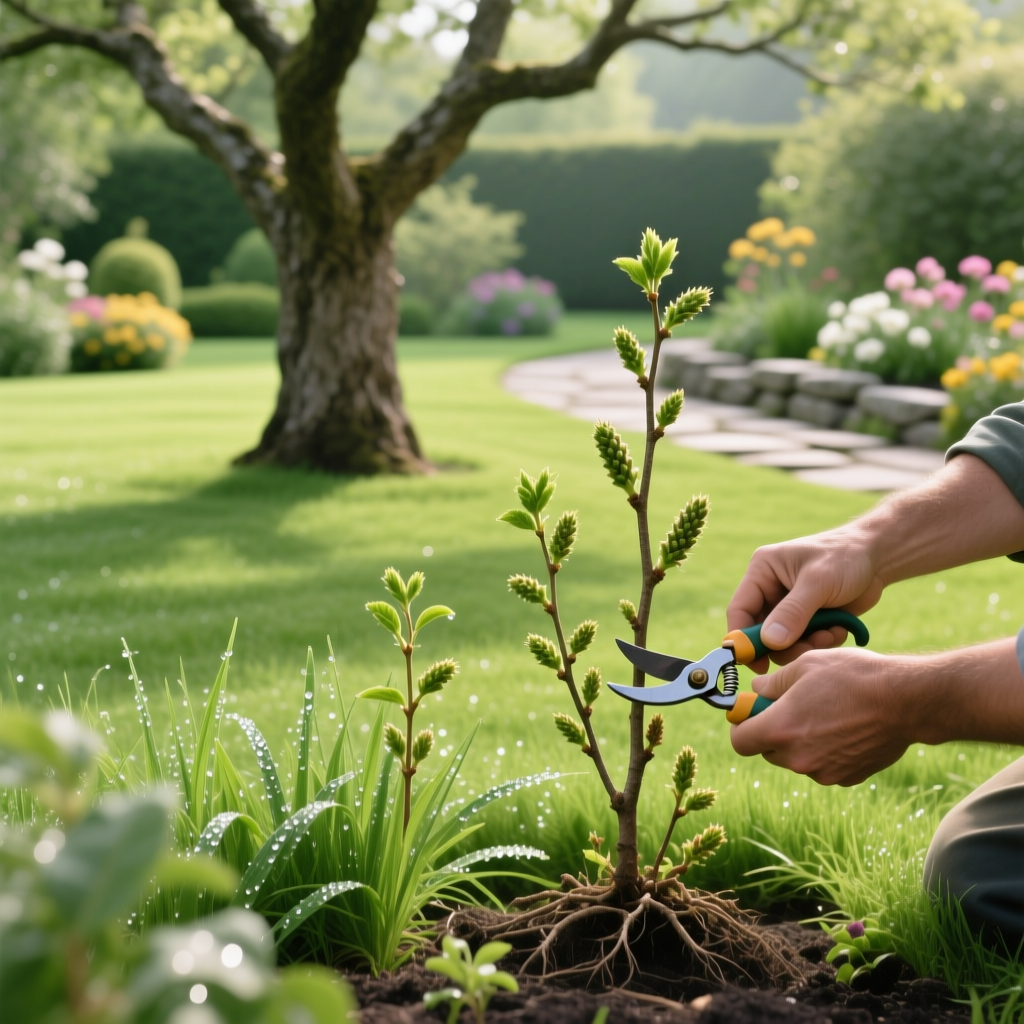
Managing Tree Suckers & Water Sprouts for Healthy Growth
Marcus ReevesPublished
Trees are among the most valuable assets in any landscape, providing shade, beauty, and environmental benefits that enhance your property for decades. However, even the healthiest trees can develop problematic growth patterns that compromise their structure, drain their energy, and detract from their natural form. Two of the most common culprits are tree suckers and water sprouts — vigorous, unwanted shoots that siphon resources away from the main tree and create maintenance headaches for homeowners and landscapers alike.
Understanding what causes these growths, how to remove them properly, and what preventive measures you can take is essential for anyone invested in long-term tree health. Whether you are managing a single ornamental tree in your front yard or maintaining a full landscape, learning to control suckers and water sprouts will help your trees grow stronger, look better, and resist disease. In this comprehensive guide, we will explore everything you need to know about managing these common tree issues so your landscape thrives season after season.
Understanding Tree Suckers and Water Sprouts
Before you can effectively manage unwanted tree growth, it is important to understand exactly what suckers and water sprouts are, where they come from, and why they appear. While they are often confused with one another, these two types of growth originate from different parts of the tree and have distinct characteristics.
What Are Tree Suckers?
Tree suckers are shoots that emerge from the root system or the base of the trunk, often appearing at or below ground level. They grow from adventitious buds located on the roots or the root crown and can appear several feet away from the main trunk. Suckers are the tree's natural response to stress, damage, or hormonal imbalances. In essence, the tree is attempting to create new growth as a survival mechanism.
Common species that produce suckers include cherry trees, plum trees, poplars, box elders, tree of heaven, and many grafted ornamental trees. When a grafted tree produces suckers from below the graft union, those shoots come from the rootstock rather than the desired cultivar, meaning they will have entirely different characteristics — smaller leaves, different flowers, or inferior fruit — than the upper portion of the tree.
What Are Water Sprouts?
Water sprouts, sometimes called epicormic shoots, are vigorous, upright branches that grow from the trunk or from existing lateral branches. Unlike suckers, water sprouts originate from dormant buds buried beneath the bark of the main tree structure. They tend to grow rapidly, shooting straight upward in a narrow, vertical pattern that stands out from the tree's natural branching habit.
Water sprouts commonly appear after heavy pruning, storm damage, or other events that remove a significant portion of the tree's canopy. The tree produces these shoots to replace lost leaf area and restore its photosynthetic capacity. While this response is natural, water sprouts are structurally weak, poorly attached to the parent branch, and prone to breaking under wind or ice loads.
Why Trees Produce Unwanted Growth
Both suckers and water sprouts are symptoms of underlying stress or imbalance within the tree. Common triggers include:
- Root damage from construction, trenching, or soil compaction that stimulates dormant root buds to activate
- Heavy or improper pruning that removes too much canopy and triggers a hormonal surge of growth hormones called auxins
- Girdling roots or trunk damage that disrupts the flow of nutrients and hormones between roots and canopy
- Environmental stress such as drought, poor drainage, or nutrient deficiencies
- Disease or pest infestation that weakens the tree and prompts compensatory growth
- Age-related decline in older trees that begin producing suckers as their main structure loses vigor
Identifying the root cause of sucker and water sprout production is critical because simply removing the growth without addressing the underlying issue will result in recurring problems. For more information on maintaining overall landscape health, explore our soil health guides to ensure your trees are growing in optimal conditions.
How to Properly Remove Suckers and Water Sprouts
Removing suckers and water sprouts is a straightforward process, but timing and technique matter significantly. Improper removal can stimulate even more vigorous regrowth, introduce disease, or damage the tree's bark and underlying tissues. Here is a detailed approach to removing these unwanted growths effectively.
Tools You Will Need
Before you begin, gather the appropriate tools for the job. For most sucker and water sprout removal tasks, you will need:
- Sharp bypass pruning shears for shoots under one-half inch in diameter
- Lopping shears for thicker sprouts up to one and a half inches
- A pruning saw for large, established water sprouts
- A sharp, flat spade or shovel for removing root suckers below ground level
- Rubbing alcohol or a bleach solution for sanitizing tools between cuts to prevent disease spread
- Protective gloves and safety glasses for personal protection
Always use sharp, clean tools. Dull blades crush plant tissue rather than making clean cuts, which slows healing and increases the risk of infection. If you are working on multiple trees, sanitize your tools between each tree to avoid transmitting pathogens. This is especially important when working with trees susceptible to diseases like fire blight or oak wilt.
Removing Tree Suckers
The most effective way to remove tree suckers is to pull or cut them as close to their point of origin as possible. For suckers emerging from the base of the trunk, grasp the shoot firmly near the base and pull downward and outward. This tearing motion removes the growth along with the dormant buds at its base, reducing the likelihood of regrowth.
For suckers emerging from roots at some distance from the trunk, use a sharp spade to sever the sucker below the soil surface. Dig down to expose the point where the sucker connects to the root, then make a clean cut flush with the root. Avoid simply mowing over root suckers or cutting them at ground level, as this leaves the basal buds intact and encourages the sucker to resprout — often with multiple new shoots.
For grafted trees, always check that suckers are not originating from below the graft union, which is typically visible as a bulge or angled scar several inches above the soil line. Rootstock suckers left unchecked can eventually overtake and kill the grafted cultivar above.
Removing Water Sprouts
Water sprouts should be removed as close to their point of origin on the branch or trunk as possible without damaging the branch bark ridge or collar. Make the cut just outside the slightly swollen area at the base of the sprout, angling the cut to match the direction of the parent branch. Avoid leaving stubs, which can resprout, and avoid cutting flush into the parent branch, which creates a larger wound that is slower to heal.
If a water sprout has been present for several seasons and has developed significant diameter, treat its removal as you would any branch pruning cut. Use the three-cut method to avoid tearing bark: make an undercut several inches from the branch collar, then cut from above to remove the bulk of the sprout, and finally make a clean finishing cut just outside the collar.
For extensive water sprout problems, remove no more than one-third of the sprouts in a single season. Removing all of them at once can shock the tree and trigger an even more aggressive flush of replacement growth. Gradually thinning them over two or three seasons yields better long-term results. If you need guidance on broader pruning strategies, our tree pruning guide covers the fundamentals in detail.
Timing Your Removal
The best time to remove suckers and water sprouts is during the tree's dormant season, typically late winter or early spring before bud break. During dormancy, the tree has stored its energy reserves in the roots, and removing unwanted growth at this time minimizes the energy available for regrowth.
However, if suckers or water sprouts appear during the growing season, it is better to remove them promptly rather than waiting. Young, green shoots that are only a few inches long can be easily rubbed off by hand, and early removal prevents them from developing into large, woody growths that require saws to remove. Check your trees monthly during the growing season for new sucker and sprout emergence.
Preventing Suckers and Water Sprouts
While removal is necessary once suckers and water sprouts have appeared, prevention is always the better strategy. By addressing the underlying causes and maintaining optimal growing conditions, you can significantly reduce the frequency and severity of unwanted growth.
Proper Pruning Practices
Over-pruning is one of the most common causes of water sprout production. When you remove too much of a tree's canopy in a single season, the tree responds by producing a flush of vigorous new shoots to replace the lost photosynthetic tissue. To avoid this, never remove more than 25 to 30 percent of a tree's live canopy in any given year.
Make pruning cuts at the correct locations — just outside the branch collar — and avoid leaving stubs. Stubs cannot heal properly and often become the origin point for clusters of water sprouts. Focus on thinning cuts that remove entire branches back to their point of origin rather than heading cuts that shorten branches and stimulate lateral bud break. Thinning cuts maintain the tree's natural form and reduce the hormonal triggers that lead to sprouting.
Protecting Root Systems
Root damage is a primary trigger for root sucker production. Construction activities, trenching for utilities, grading changes, and heavy equipment traffic can all sever roots and stimulate dormant buds to activate. To protect your trees:
- Establish a protection zone around the tree's drip line and beyond before any construction begins
- Avoid grading soil up against the trunk, which buries the root crown and creates stress
- Use mulch rings to protect the root zone from lawn equipment damage and soil compaction
- Install root barriers where suckering species are planted near hardscapes or garden beds
A well-maintained mulch ring not only protects roots but also conserves soil moisture and moderates soil temperature, reducing overall tree stress. For tips on proper mulching techniques that benefit both trees and surrounding turf, visit our mulching guide.
Maintaining Tree Health
A healthy, vigorous tree is less likely to produce excessive suckers and water sprouts than a stressed one. Ensure your trees receive adequate water during dry periods, particularly during the first few years after planting and during extended droughts. Deep, infrequent watering encourages deep root development and overall tree resilience.
Fertilize based on soil test results rather than on a fixed schedule. Excessive nitrogen can stimulate overly vigorous growth, including water sprouts, while nutrient deficiencies weaken the tree and trigger stress responses. A balanced approach to nutrition, tailored to the specific needs of your soil and tree species, promotes steady, healthy growth.
Monitor your trees regularly for signs of disease, pest infestation, or structural problems. Early detection and treatment of issues like borers, canker diseases, or root rot can prevent the stress that leads to sucker and water sprout production. Our tree disease identification guide can help you recognize problems before they escalate.
Chemical Control Options
In cases where suckers are persistent and mechanical removal is impractical, chemical growth regulators can provide additional control. Products containing naphthaleneacetic acid (NAA) or similar synthetic auxins can be applied to freshly cut sucker stumps to suppress regrowth. These products work by disrupting the hormonal balance at the cut site, preventing dormant buds from activating.
Chemical controls should be used judiciously and always according to label directions. They are most effective when combined with proper cultural practices rather than used as a standalone solution. Consult with a certified arborist before applying growth regulators, particularly on sensitive species or in landscapes where nearby plants could be affected by drift or root uptake.
Seasonal Care Tips for Managing Unwanted Growth
Managing suckers and water sprouts is an ongoing process that benefits from a season-by-season approach. By aligning your maintenance activities with the tree's natural growth cycle, you can maximize the effectiveness of your efforts and minimize the work required.
Spring Maintenance
Spring is the season of most active growth, and it is when suckers and water sprouts are most likely to appear. Inspect your trees as buds begin to swell and leaves emerge. Look for new shoots at the base of the trunk, along the root zone, and emerging from branches. Early detection allows you to rub off small, soft growths by hand before they harden and require tools to remove.
This is also a good time to evaluate your tree's overall health after winter. Look for winter injury, broken branches, or signs of disease that could trigger compensatory growth later in the season. Address any problems promptly with appropriate treatments or corrective pruning. If you are also preparing your lawn for the growing season, our spring lawn care checklist provides a comprehensive seasonal plan.
Summer Monitoring
During summer, continue to monitor for new sucker and water sprout growth. Remove any shoots that have appeared since spring while they are still young and manageable. Summer is also when drought stress is most likely to occur, so ensure your trees are receiving adequate water, particularly during hot, dry spells.
Avoid heavy pruning during the summer months, as this can stimulate a new flush of water sprouts and expose previously shaded bark to sunburn. If you must prune during summer — for example, to remove storm-damaged branches — keep the pruning minimal and focus on removing damaged wood rather than shaping the canopy.
Fall and Winter Care
Fall is an excellent time to assess your tree's structure and plan any major pruning for the dormant season. As leaves drop, the branch structure becomes visible, making it easier to identify problem areas, crossing branches, and locations where water sprouts have been growing.
During winter dormancy, perform structural pruning and remove any remaining water sprouts. The tree's energy reserves are stored in the roots during this period, so removal of unwanted growth at this time is less likely to trigger vigorous regrowth compared to pruning during the growing season. Winter is also the ideal time to address large root suckers, as the tree is not actively transporting nutrients to the canopy.
Apply a fresh layer of mulch around the base of your trees in late fall to insulate roots, conserve moisture, and protect against frost heaving. Keep mulch a few inches away from the trunk to prevent rot and rodent damage. For more seasonal landscape tips, check out our winter preparation guide.
When to Call a Professional Arborist
While many sucker and water sprout problems can be managed by homeowners, there are situations where professional intervention is warranted. Understanding when to call a certified arborist can save you time, protect your trees from damage, and prevent potentially dangerous situations.
Consider hiring a professional if:
- Water sprouts are located high in the canopy and require climbing or aerial lift equipment to access safely
- The tree shows widespread sucker production, which may indicate a serious underlying health problem such as root rot or vascular disease
- You are unsure whether growths are suckers from the rootstock or legitimate growth from the grafted cultivar
- The tree is large, near power lines, or in a location where falling branches could cause injury or property damage
- You have tried removing suckers repeatedly without success and suspect a deeper issue such as girdling roots or chronic stress
A certified arborist can diagnose the underlying cause of excessive sucker or water sprout production, develop a comprehensive management plan, and perform pruning work safely and correctly. They can also advise you on whether a tree is worth saving or whether removal and replacement would be a better long-term investment. For guidance on selecting replacement trees that are less prone to suckering, browse our tree selection guide.
Professional arborists can also perform advanced treatments such as root pruning, vertical mulching, or growth regulator applications that are not practical for homeowners to undertake on their own. Investing in professional tree care early can prevent minor problems from escalating into major issues that require expensive emergency services or tree removal.
Frequently Asked Questions
Will removing suckers and water sprouts harm my tree?
No, removing suckers and water sprouts actually benefits your tree by redirecting energy back to the main canopy and root system. These growths are parasitic in the sense that they consume water, nutrients, and carbohydrates that would otherwise support the tree's primary structure. The key is to remove them properly — making clean cuts at the correct location and avoiding damage to the surrounding bark. Removing them while they are young and small minimizes wound size and allows the tree to heal quickly. However, avoid removing an excessive number of large water sprouts all at once, as this can stress the tree and trigger even more sprouting.
Can I prevent suckers from growing back after removal?
Complete prevention is difficult, but you can significantly reduce regrowth through a combination of techniques. First, remove suckers as close to their point of origin as possible, ideally tearing them off rather than cutting them to remove the dormant buds at the base. Second, address the underlying stress factors that triggered sucker production in the first place — improve soil conditions, ensure adequate watering, and protect roots from damage. Third, consider applying a growth regulator product to freshly cut sucker bases to suppress bud activation. Finally, maintain a regular inspection schedule so you can catch and remove new suckers while they are still small and easy to manage.
Are water sprouts dangerous to the tree's structure?
Yes, water sprouts can pose a significant structural risk. They grow rapidly and develop weak attachments to the parent branch because they lack the strong branch collar and interlocking wood fibers that characterize well-formed lateral branches. As water sprouts grow larger, they become increasingly likely to break under the weight of wind, ice, or snow. When they break, they often tear bark and wood from the parent branch, creating large wounds that are vulnerable to decay organisms and insect infestation. Additionally, dense clusters of water sprouts shade the interior of the canopy, reducing air circulation and creating conditions favorable for fungal diseases. For these reasons, it is important to remove water sprouts promptly and maintain good canopy structure through regular pruning.
Why does my grafted tree keep producing suckers with different-looking leaves?
This is one of the most common issues with grafted ornamental trees. The rootstock — the lower portion of the tree that provides the root system — is often a different species or cultivar than the upper scion that produces the desired flowers, fruit, or foliage. When suckers emerge from below the graft union, they carry the genetic characteristics of the rootstock, which is why they may have different leaf shapes, sizes, or growth habits. These rootstock suckers are particularly aggressive and can eventually overtake the scion if left unchecked. Always trace suckers back to their origin and remove them below the graft union. If your tree produces persistent rootstock suckers, it may indicate that the graft union is under stress or that the rootstock is more vigorous than the scion cultivar.
How often should I check my trees for suckers and water sprouts?
During the active growing season — spring through early fall — inspect your trees at least once a month. Pay particular attention to the base of the trunk, exposed surface roots, and areas where you have previously removed suckers or sprouts. During the dormant season, a single thorough inspection is usually sufficient, ideally performed in late winter when you are planning your seasonal pruning. Newly planted trees and trees that have recently experienced stress — such as construction damage, storm injury, or heavy pruning — should be checked more frequently, as they are more likely to produce compensatory growth. Building regular tree inspection into your overall landscape maintenance routine ensures that problems are caught early when they are easiest to manage. Pair your tree checks with routine lawn maintenance to keep your entire landscape looking its best.