
Tree Care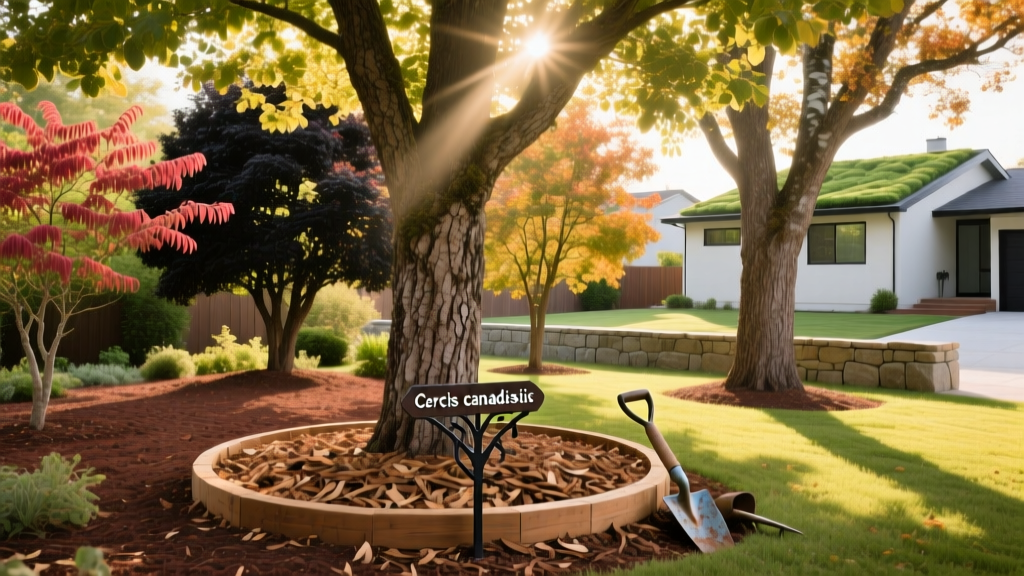
How to Start a Native Tree Garden in the 19808 ZIP Code
Understanding the 19808 Microclimate and Soil Profile
The 19808 ZIP code—encompassing North Wilmington, Pike Creek, and parts of Greenville—sits squarely in Delaware's Piedmont physiographic province. For a beginner establishing a tree garden here, understanding the local environment is the difference between a thriving canopy and a costly landscaping failure. According to the Arbor Day Foundation Hardiness Map, this area is classified as USDA Zone 7a, meaning winter temperatures can occasionally drop to 0°F.
However, the true challenge in the 19808 area isn't the cold; it is the soil. The Piedmont region is characterized by shallow bedrock and heavy, micaceous clay. This clay retains water poorly during spring thaws but bakes into a concrete-like hardness during July droughts. When designing your tree garden, you must select species that tolerate both seasonal waterlogging and severe summer dry spells.
Local Insight: Many new homeowners in Pike Creek attempt to amend heavy clay planting holes with rich topsoil and compost. In clay-dominant soils, this creates a 'bathtub effect' where water pools in the loose amended soil and drowns the tree's root system. Always backfill with the native clay you just dug out.
Top 5 Native Trees for 19808 Yards
Native species are pre-adapted to New Castle County's specific rainfall patterns and soil chemistry. When sourcing from local nurseries, look for trees grown from mid-Atlantic seed sources rather than southern cultivars, which may lack the necessary winter hardiness.
| Common Name | Botanical Name | Mature Height | Best Landscape Use | Clay Tolerance |
|---|---|---|---|---|
| Eastern Redbud | Cercis canadensis | 20-30 ft | Understory focal point, spring color | High |
| White Oak | Quercus alba | 80-100 ft | Shade canopy, wildlife habitat | Moderate-High |
| Serviceberry | Amelanchier arborea | 15-25 ft | Small yards, edible summer berries | High |
| River Birch | Betula nigra | 40-70 ft | Wet areas, multi-season bark interest | Very High |
| Pawpaw | Asimina triloba | 15-30 ft | Shaded understory, unique fruit | Moderate |
Step-by-Step Planting Guide for Delaware Clay
Proper installation is critical when dealing with the compacted soils common in 19808 suburban developments. A 1.5-inch caliper Balled-and-Burlapped (B&B) tree typically costs between $150 and $250 at regional nurseries in 2026. Protect that investment by following these exact installation steps.
- Call Before You Dig: Dial 811 to contact Miss Utility. Suburban Wilmington has dense networks of underground gas, water, and fiber-optic lines. Allow 48 hours for utility marking.
- Locate the Root Flare: Brush away soil from the top of the root ball until you see the trunk flare (where the trunk widens into the roots). If buried by nursery soil, remove it. The flare must sit 1-2 inches above the final grade.
- Dig a Wide, Shallow Hole: Dig the hole 2 to 3 times wider than the root ball, but no deeper. In heavy clay, a shallow hole prevents the tree from sinking over time as the backfill settles.
- Roughen the Sides: Use a digging fork to score the smooth, glazed sides of the clay hole. This allows roots to penetrate the native soil rather than circling inside the hole.
- Backfill with Native Soil: Shovel the original clay back into the hole. Do not add fertilizer or organic matter to the backfill.
- Apply a Mulch Ring: Spread 3 inches of shredded hardwood mulch in a 3-foot diameter donut shape. Keep the mulch at least 3 inches away from the trunk bark to prevent rot and rodent damage.
⚠️ Warning: The Bathtub Effect
If you dig a deep hole and fill it with loose compost in the 19808 clay soil, rainwater will drain from the surrounding hard clay into your loose planting hole, effectively drowning your tree's roots. Always plant slightly high (1-2 inches above grade) in heavy clay to ensure surface runoff away from the trunk.
Local Pest Management: Protecting Your Canopy
New Castle County is a frontline battleground for invasive forest pests. The University of Delaware Cooperative Extension actively monitors these threats, and proactive management is required for a healthy tree garden.
Spotted Lanternfly (SLF)
SLF feeds heavily on Tree of Heaven, but will also attack maples, walnuts, and fruit trees, excreting sticky honeydew that promotes sooty mold.
- Winter (Oct-Mar): Scrape gray, putty-like egg masses off tree trunks and hardscapes using a putty knife. Submerge them in rubbing alcohol.
- Spring (May-Jun): Band high-value trees with circle traps to catch nymphs moving up the trunk.
- Summer (Jul-Sep): For severe infestations on specimen trees, apply a systemic dinotefuran soil drench in early spring, or contact a licensed arborist for trunk injections.
Spongy Moth (Formerly Gypsy Moth)
Defoliation by Spongy Moth caterpillars stresses trees, making them vulnerable to secondary borers. Wrap a burlap skirt around the trunks of oaks and maples in May to trap migrating caterpillars, and dispose of them daily in soapy water.
📋 Seasonal Watering Framework
Newly planted trees in 19808 require exactly 10 gallons of water per inch of trunk caliper, per week, during the growing season (April-October). For a 2-inch caliper tree, apply 20 gallons weekly. Use a slow-release watering bag (like a Treegator) to ensure the water penetrates the dense clay rather than running off the surface.
Frequently Asked Questions
When is the best time to plant trees in the 19808 area?
Early fall (mid-September to late October) is the optimal planting window for the Wilmington area. The soil is still warm enough to encourage root growth, but the air temperatures are cool enough to reduce transpiration stress on the canopy. Spring planting (March-April) is the second-best option, but requires rigorous summer watering.
Do I need to stake my newly planted trees?
Only stake trees if they are in high-wind corridors or have disproportionately large canopies relative to their root balls. Trees that are allowed to sway slightly in the wind develop stronger, more tapered trunks. If staking is necessary, use wide, flexible canvas straps and remove them after exactly one year to prevent girdling.
How can I test my soil pH before planting?
The Piedmont clay in North Wilmington tends to be slightly acidic to neutral (pH 5.5 to 6.8). You can submit a soil sample to the Delaware Cooperative Extension for a comprehensive nutrient and pH analysis. This is especially important if you are planting acid-loving species like Pin Oak or American Holly, which will develop iron chlorosis (yellowing leaves) if the pH climbs above 7.0.

