
Tree Care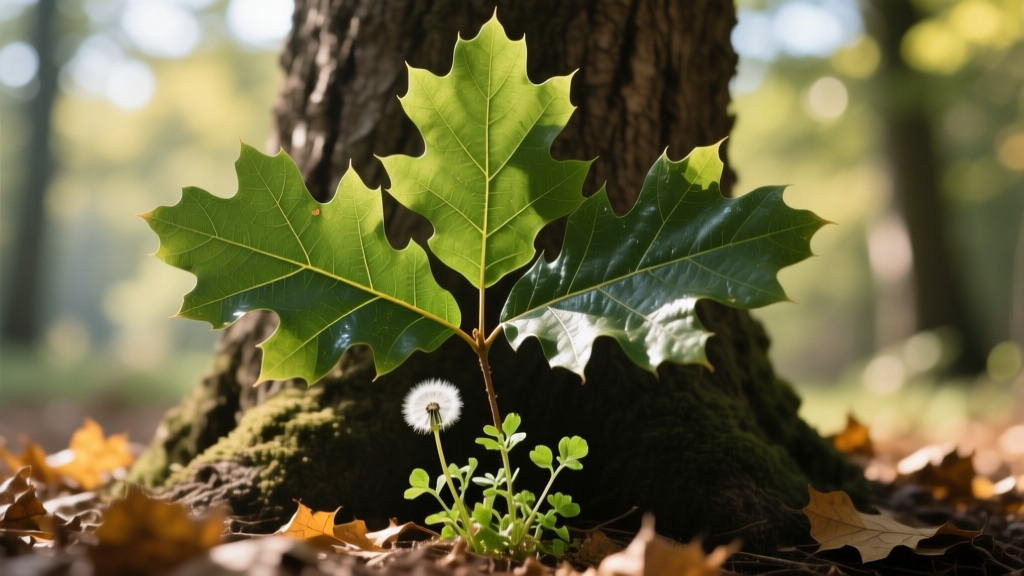
Weed With Oak Like Leaves: ID and Spot-Treatment Guide
Spotting a weed with oak-like leaves in your landscape beds or lawn immediately raises a critical identification question. The deeply lobed, serrated leaf margins characteristic of oak species are not exclusive to actual oak trees. Depending on the exact leaf structure, growth habit, and root system, you are likely dealing with one of three entirely different plants: a stray oak tree seedling, an annual broadleaf weed known as oak-leaved goosefoot, or a highly toxic poison ivy vine exhibiting oak-like lobes.
Applying the wrong treatment to the wrong plant wastes time and money, and in the case of toxic species, poses a severe health risk. This spot-treatment guide breaks down the exact identification markers and 2026 proven eradication protocols for each of these three oak-lobed imposters.
Rapid Identification Matrix: Which Oak-Lobed Weed Are You Facing?
Before reaching for a hand trowel or herbicide, use this diagnostic matrix to confirm the exact species. Misidentification here can lead to severe skin reactions or ineffective chemical applications.
| Feature | Oak Tree Seedling | Oak-Leaved Goosefoot | Poison Ivy (Lobed Variant) |
|---|---|---|---|
| Leaf Arrangement | Alternate, single leaf per node | Alternate, single leaf per node | Compound, 3 leaflets per stem |
| Leaf Texture & Color | Smooth, dark green, semi-glossy | Fleshy, bluish-green, mealy underside | Highly glossy, waxy, dark green |
| Root System | Deep, singular woody taproot | Shallow, fibrous, easily pulled | Extensive underground rhizomes |
| Growth Habit | Upright, singular stem | Branched, sprawling or upright annual | Climbing vine or ground cover |
| Danger Level | Harmless (structural threat only) | Harmless (competes for nutrients) | Severe (urushiol oil exposure) |
Scenario 1: Actual Oak Tree Seedlings (The Taproot Problem)
According to the University of Wisconsin-Madison Extension, acorns that fall into adjacent mulch beds or turf often germinate in early spring, producing seedlings with distinct, deeply lobed leaves. Homeowners frequently mistake these for broadleaf weeds.
The Biology of the Taproot
The primary challenge with oak seedlings is their rapid taproot development. Within 4 to 6 weeks of germination, an oak seedling will drive a singular, woody taproot 6 to 10 inches deep into the soil. If you attempt to hand-pull the seedling and the taproot snaps below the soil line, the root crown will simply generate a new shoot, often producing a multi-stemmed, harder-to-remove clump the following season.
Spot-Treatment Protocol
- Mechanical Removal: For seedlings under 12 inches tall, use a specialized taproot extractor. The Fiskars 39-inch Steel Stand-Up Weeder (Model 94305935J, typically $35-$40) features a serrated steel blade that grips the taproot below the surface. Water the soil deeply 24 hours prior to extraction to soften the clay and prevent the root from snapping.
- Chemical Control: For larger, established seedlings (over 18 inches) in non-turf areas, cut the stem 1 inch above the soil line and immediately paint the fresh cut with a concentrated brush killer containing Triclopyr (e.g., Ortho GroundClear Poison Ivy & Tough Brush Killer). Triclopyr mimics plant growth hormones, causing the deep taproot to rapidly overgrow and necrotize. Apply within 15 minutes of cutting to ensure maximum vascular uptake.
Scenario 2: Oak-Leaved Goosefoot (The Garden Bed Invader)
Botanically classified as Oxybasis glauca (formerly Chenopodium glaucum), oak-leaved goosefoot is a summer annual broadleaf weed. Its leaves are distinctly triangular with deep, irregular lobes that closely mimic a juvenile oak leaf. The defining identification marker is the underside of the leaf, which is covered in a fine, white, mealy powder that gives the plant a bluish-gray cast.
Cultural and Chemical Controls
Because goosefoot possesses a shallow, fibrous root system, it is incredibly easy to hand-pull when the soil is moist. However, a single mature plant can produce up to 75,000 seeds, making early intervention critical.
Pro-Tip: Pre-Emergent Timing
Do not wait for the oak-like leaves to appear in late spring. Apply a pre-emergent herbicide containing Prodiamine (such as Barricade 65 WDG) to your landscape beds when soil temperatures at a 2-inch depth consistently reach 50°F to 55°F. This creates a chemical barrier in the top inch of soil that halts goosefoot seed germination before the radicle emerges.
Do not wait for the oak-like leaves to appear in late spring. Apply a pre-emergent herbicide containing Prodiamine (such as Barricade 65 WDG) to your landscape beds when soil temperatures at a 2-inch depth consistently reach 50°F to 55°F. This creates a chemical barrier in the top inch of soil that halts goosefoot seed germination before the radicle emerges.
If the weed has already breached the canopy in a turfgrass lawn, spot-treat with a selective post-emergent broadleaf herbicide combining 2,4-D, Dicamba, and Quinclorac. Products like SpeedZone Southern (priced around $110 per 2.5-gallon jug in 2026) will selectively destroy the goosefoot without harming warm-season turfgrasses like Bermuda or Zoysia.
Scenario 3: Poison Ivy (The Dangerous Imposter)
While the adage 'leaves of three, let it be' is standard advice, many homeowners fail to recognize Toxicodendron radicans because the individual leaflets often develop deep, jagged lobes that look exactly like an oak leaf. This is especially common on mature vines climbing tree trunks or fences. The Penn State Extension notes that poison ivy leaflets can range from entirely smooth to heavily oak-lobed, depending on the plant's genetics and environmental stress.
CRITICAL WARNING: Aerosolization Risk
Never use a string trimmer, brush hog, or mower to clear oak-lobed weeds you have not positively identified. Shredding poison ivy leaves aerosolizes urushiol oil, which can be inhaled and cause life-threatening respiratory distress. Always identify the plant visually before deploying mechanical cutting tools.
Never use a string trimmer, brush hog, or mower to clear oak-lobed weeds you have not positively identified. Shredding poison ivy leaves aerosolizes urushiol oil, which can be inhaled and cause life-threatening respiratory distress. Always identify the plant visually before deploying mechanical cutting tools.
Safe Eradication Steps
- PPE Requirements: Wear heavy nitrile gloves (latex degrades and allows urushiol penetration), long sleeves, and protective eyewear. Do not use fabric gloves, as the oil will soak through to your skin.
- Targeted Herbicide Application: For vines climbing your yard trees, do not pull them; pulling damages the tree bark and exposes you to massive amounts of oil. Instead, use a systemic herbicide containing a high concentration of Glyphosate (minimum 5%) or a Triclopyr + Glyphosate mix. Apply the chemical directly to the foliage in late summer (August to September). During this window, the plant is actively translocating carbohydrates down to its rhizomes to prepare for winter, carrying the herbicide deep into the root system.
- Disposal: Bag all dead plant material in heavy-duty contractor trash bags. Never burn poison ivy, even if it has been dead for months; the urushiol oil remains active and becomes highly toxic when inhaled via smoke.
2026 Herbicide Active Ingredient Cheat Sheet
Selecting the correct chemistry is the difference between a permanent kill and a two-week setback. Reference this matrix when purchasing spot-treatment solutions at your local garden center.
| Weed Target | Active Ingredient | Top Product Example (2026) | Approx. Cost | Best Application Window |
|---|---|---|---|---|
| Oak Seedlings (Large) | Triclopyr (8-12%) | Ortho GroundClear Poison Ivy & Tough Brush | $18 - $22 (1.33 gal) | Early Summer (Active Growth) |
| Oak-Leaved Goosefoot | Prodiamine (Pre-emergent) | The Andersons Barricade 65 WDG | $85 - $95 (10 lb) | Early Spring (Soil at 52°F) |
| Oak-Leaved Goosefoot (Turf) | 2,4-D + Dicamba + Quinclorac | SpeedZone Southern Broadleaf Herbicide | $110 - $125 (2.5 gal) | Post-emergent (Weed < 4 inches) |
| Poison Ivy (Lobed) | Glyphosate (5%+) + Triclopyr | BioAdvanced Brush Killer Plus Concentrate | $25 - $30 (32 oz) | Late Summer (Aug-Sept) |
Frequently Asked Questions
Can I just pull oak-leaved goosefoot by hand without gloves?
Yes. Unlike poison ivy, Oxybasis glauca does not produce urushiol or any contact dermatitis-inducing compounds. However, wearing standard gardening gloves is recommended to prevent soil-borne pathogens from entering minor cuts on your hands.
Why do my oak tree seedlings keep resprouting after I pull them?
You are snapping the taproot. Oak seedlings develop a deep, brittle taproot very quickly. When the top growth is removed but the root crown (located roughly 1 inch below the soil surface) remains intact, the plant pushes out multiple new shoots. You must extract the entire taproot using a weeding fork or deep-root extractor tool.
Is it safe to mulch over oak-like weeds to smother them?
Smothering works well for oak-leaved goosefoot; applying a 3-inch layer of arborist wood chips will block the sunlight required for this annual weed to photosynthesize. However, mulching is entirely ineffective against poison ivy rhizomes and established oak seedling taproots, both of which will easily push through standard mulch layers.

