
Tree Care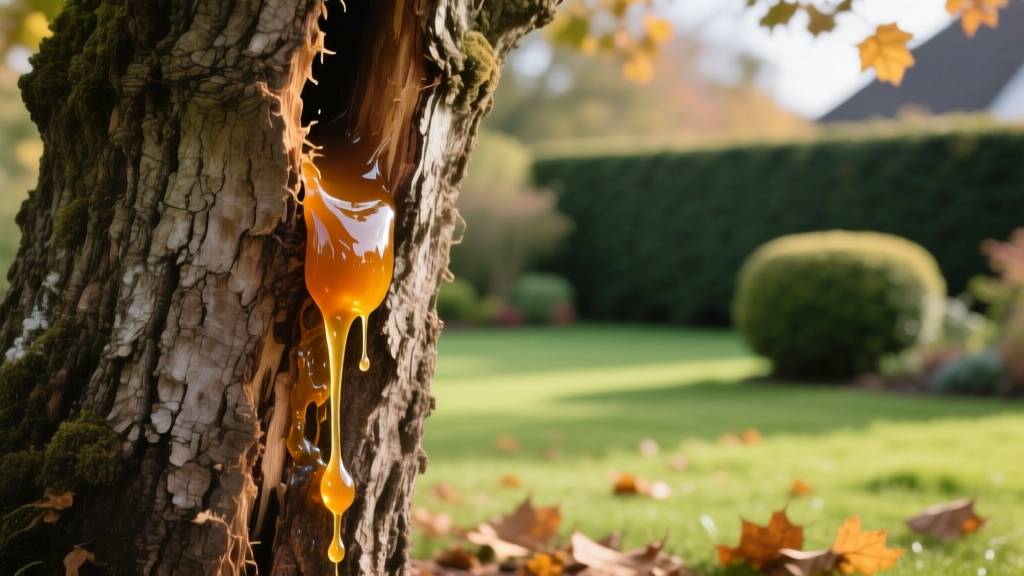
Oak Tree Oozing Sap: 4 Common Causes and Beginner Fixes
Why Is Your Oak Tree Weeping?
Seeing dark, sticky liquid seeping from the bark of a mature oak tree is an alarming sight for any homeowner. While oaks are famously resilient, an oak tree oozing sap is a primary distress signal. Unlike pine or maple trees, which naturally produce resin or sap to seal minor wounds, oaks rarely exude sap without an underlying biological or environmental trigger. For beginners, the key to saving the tree lies in correctly identifying the fluid's consistency, odor, and location.
This guide breaks down the exact physiological reasons your oak is weeping, provides a diagnostic framework to pinpoint the issue, and outlines actionable, modern arboriculture treatments you can implement today.
Rapid Diagnostic Checklist
Before treating the tree, answer these three questions to narrow down the culprit:
- Does the liquid smell like sour beer or rotting fruit? You are likely dealing with Bacterial Wetwood (Slime Flux).
- Is the sap mixed with fine, sawdust-like material (frass)? Suspect wood-boring insects.
- Is the oozing localized to a fresh scrape near the base? This indicates mechanical injury from landscaping equipment.
Cause 1: Bacterial Wetwood (Slime Flux)
The most frequent cause of an oak tree oozing sap is Bacterial Wetwood, commonly known as slime flux. This condition occurs when anaerobic bacteria (such as Enterobacter and Clostridium species) infect the heartwood or xylem through microscopic cracks or old pruning wounds. According to Penn State Extension, these bacteria ferment the wood's carbohydrates, producing methane and ethanol gases.
As gas pressure builds inside the trunk, it forces a dark, alkaline liquid (pH 8.0 to 9.0) out through bark fissures. This liquid is highly toxic to surrounding turfgrass, often leaving a dead, bleached patch of lawn directly beneath the weeping wound. While slime flux looks devastating, it is rarely fatal to a mature, established oak on its own. However, it indicates internal stress and poor compartmentalization.
Cause 2: Insect Borers and Gall-Forming Pests
If the sap is amber-colored and accompanied by tiny D-shaped exit holes or piles of sawdust, your tree is under attack by wood-boring insects. The Red Oak Borer (Enaphalodes rufulus) and various bark beetles target stressed oaks. As noted by University of Kentucky Entomology, these insects tunnel into the cambium layer, disrupting the flow of water and nutrients. The tree produces copious amounts of sap in a desperate attempt to 'drown' or expel the invading larvae.
Beginner Tip: Look closely at the base of the trunk. If you see a mixture of sticky sap and granular waste (frass) that resembles coffee grounds, borers are the primary issue. This requires immediate intervention, as severe borer infestations can girdle and kill an oak within two to three seasons.
Cause 3: Mechanical Injury and Root Flare Burial
Oaks have a distinct 'root flare' where the trunk widens and transitions into the root system. When soil or mulch is piled against this flare (creating a 'mulch volcano'), the bark remains constantly moist, leading to rot and sap exudation. Additionally, mechanical damage from string trimmers and lawnmower decks strips the protective outer bark, exposing the phloem. The tree responds by oozing sap to seal the wound and prevent fungal pathogens like Armillaria (oak root fungus) from entering.
Cause 4: Frost Cracks and Sunscald
During late winter, the sun heats the dark bark of a dormant oak, causing the inner tissues to expand. When temperatures plummet at night, the outer bark cools and contracts rapidly, resulting in a vertical split known as a frost crack. As the tree wakes up in spring, sap bleeds heavily from these longitudinal splits. University of Minnesota Extension highlights that while these cracks often callus over, they remain prime entry points for decay fungi if left improperly managed.
Condition Comparison Matrix
| Condition | Visual Clues | Odor | Urgency Level |
|---|---|---|---|
| Slime Flux | Dark, frothy streaks; dead grass below | Sour, fermented, alcoholic | Low to Moderate |
| Borer Damage | D-shaped holes; sawdust frass; amber sap | None (or faint pine/resin scent) | High (Requires Treatment) |
| Mechanical Wound | Horizontal scrape near base; clear/sticky sap | Earthy, green wood scent | Moderate (Prevent Infection) |
| Frost Crack | Long vertical split on south/west facing trunk | None | Low (Monitor for Decay) |
Actionable Treatment Plan for Beginners
Modern arboriculture has moved away from invasive treatments. Here is exactly what you should do—and what you must avoid—when managing an oozing oak tree in 2026.
Step 1: Wash the Trunk (For Slime Flux)
If the oozing is caused by bacterial wetwood, the alkaline liquid will burn the bark and kill your lawn. Use a garden hose with a gentle spray nozzle to wash the dark streaks off the trunk daily during peak weeping periods (usually late spring to mid-summer). Do not use bleach or harsh chemical sterilants, as these will destroy the tree's living cambium layer and inhibit its natural ability to form wound wood (callus tissue).
Step 2: Excavate the Root Flare
Grab a hand trowel or a specialized soil knife (like the Hori Hori) and carefully dig away any soil or mulch touching the trunk. You must expose the root flare—the point where the trunk widens at the base. Keep all mulch and soil at least 4 to 6 inches away from the bark. This single step eliminates the constant moisture that breeds rot and attracts pests.
Step 3: Optimize Soil Moisture and Aeration
Oaks suffering from internal stress need deep, infrequent watering. Apply 1.5 inches of water every 10 days during dry spells using a soaker hose placed at the tree's drip line (the outer edge of the canopy). Avoid watering directly against the trunk. If the soil is heavily compacted, consider hiring a professional to perform vertical mulching or air-spade aeration, which typically costs between $350 and $600 for a mature oak.
⚠️ Outdated Practices to Avoid Immediately
Do NOT drill a drain hole: In the 1980s, arborists would drill holes into weeping trees and insert plastic tubes to drain the slime. The International Society of Arboriculture (ISA) now strictly advises against this. Drilling introduces new decay columns and spreads the bacteria deeper into the heartwood.
Do NOT apply wound paint: Sealing a crack or weeping wound with tar, pruning sealant, or paint traps moisture and anaerobic fungi inside the wood. Trees compartmentalize wounds naturally; let them breathe.
When to Call a Certified Arborist
While slime flux and minor frost cracks can be managed with the cultural practices listed above, certain scenarios require professional intervention. You should contact an ISA Certified Arborist if:
- You spot borer frass: Systemic insecticides (like Emamectin benzoate) require trunk injections performed by licensed professionals to target larvae beneath the bark.
- The canopy is thinning: If the oozing is accompanied by premature leaf drop, branch dieback, or undersized leaves, the tree's vascular system is failing.
- Mushrooms appear at the base: The presence of fungal fruiting bodies (conks or mushrooms) near the weeping site indicates advanced internal heart rot, compromising the tree's structural integrity.
Expect to pay between $125 and $250 for a comprehensive diagnostic consultation from a reputable arborist in 2026. Always verify their ISA certification and ask for proof of liability insurance before allowing them to work on your property.
Summary Card: Your Oak Care Checklist
- Identify: Smell the sap and look for insect frass to determine the root cause.
- Clean: Wash alkaline slime flux off the bark with plain water to prevent turf necrosis.
- Expose: Remove mulch volcanoes and expose the root flare to let the base dry.
- Protect: Never use string trimmers near the trunk; use a 3-inch layer of woodchips starting 6 inches from the bark.
- Avoid: Never drill drain holes or apply chemical wound sealants to weeping bark.

