Tree Care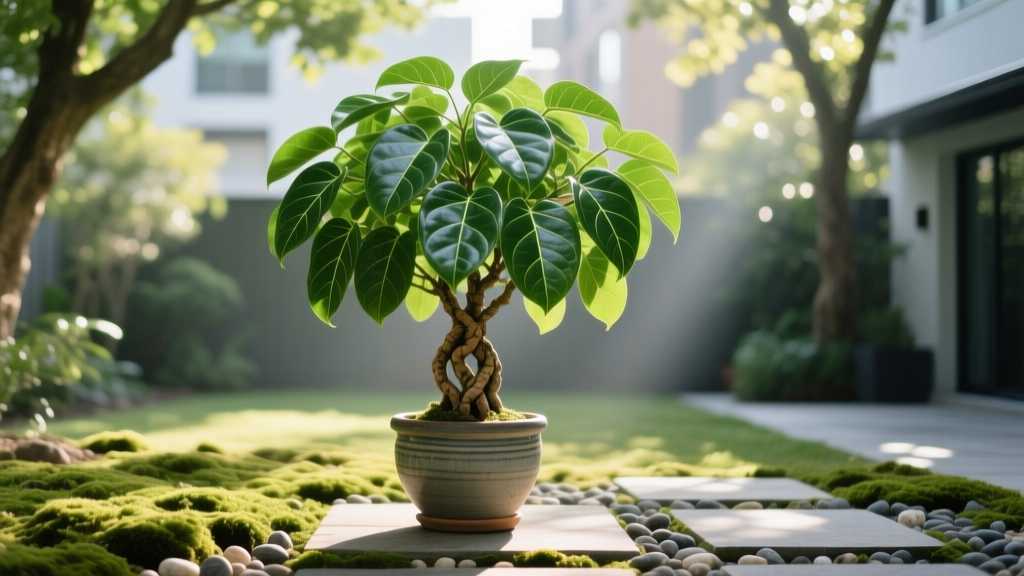
Essential Pachira Money Tree Care Instructions for Beginners
The Botanical Reality of Pachira Aquatica
Before diving into daily maintenance, beginners must understand the botanical origins of the Pachira aquatica. Native to the swamps and wetlands of Central and South America, this species is naturally adapted to periods of heavy rainfall followed by well-draining soil conditions. While often marketed as a low-light, drought-tolerant indoor novelty, treating it like a desert succulent is the primary reason 80% of beginner money trees fail within the first year. According to the NC State Extension, Pachira aquatica thrives in high-humidity environments with consistent moisture, provided the root zone has adequate oxygen exchange. Understanding this wetland biology is the foundation of successful cultivation.
Beginner Insight: The "Money Tree" you purchase is almost always three to five juvenile Pachira trunks braided together. This is a horticultural technique, not a natural growth habit. The braiding restricts individual trunk expansion, making precise watering and structural maintenance critical to prevent girdling.
Precision Lighting and Temperature Metrics
Generic advice often suggests "bright indirect light," but this is too vague for optimal growth. Pachira aquatica requires between 1,500 and 3,000 foot-candles of light for active photosynthesis without suffering leaf scorch.
Window Orientation Guide
- East-Facing Windows: Ideal. Provides 2 to 4 hours of gentle morning direct sun, followed by bright indirect light.
- West-Facing Windows: Acceptable, but requires sheer curtains to diffuse the intense afternoon UV rays which can bleach the foliage.
- South-Facing Windows: Too intense unless the plant is placed 4 to 6 feet back from the glass or heavily filtered.
- North-Facing Windows: Insufficient. The plant will survive but will exhibit etiolation (stretching) and drop lower leaves.
Temperature must remain strictly between 65°F and 80°F (18°C - 26°C). Pachira is highly sensitive to cold drafts. Never place the tree within 5 feet of an HVAC supply vent, as rapid temperature fluctuations will trigger sudden, massive leaf abscission (dropping).
The "Soak and Dry" Watering Framework
Root rot caused by Pythium and Phytophthora pathogens is the leading cause of Pachira mortality. To prevent this, abandon calendar-based watering and adopt the "Soak and Dry" framework based on soil moisture depletion.
- Test the Moisture: Insert a wooden skewer or a digital moisture probe (such as the XLUX Soil Moisture Meter, typically $12-$15 at garden centers) 3 to 4 inches into the soil. If the skewer comes out clean and dry, or the meter reads in the "Dry" zone (1-3), it is time to water.
- The Soak: Move the pot to a sink or bathtub. Water thoroughly until water flows freely from the drainage holes for at least 15 seconds. This flushes out accumulated fertilizer salts that can burn the root tips.
- The Drain: Allow the pot to drain completely for 10 minutes. Never let the pot sit in a saucer of standing water. The bottom 10% of the soil should remain slightly moist, but the upper 70% must dry out before the next watering.
Custom Soil Matrix for Optimal Aeration
Standard peat-heavy potting soils (like basic Miracle-Gro Indoor Mix) retain too much capillary water for Pachira in indoor environments where evaporation is slow. You must engineer a custom, chunky aroid-style soil matrix that balances moisture retention with macro-porosity.
| Ingredient | Volume Ratio | Function & Brand Recommendation |
|---|---|---|
| Coco Coir or Peat Moss | 50% | Base moisture retention. (Use Roots Organics Coco Coir) |
| Coarse Perlite | 25% | Aeration and drainage. (Size #3 or #4, avoid fine dust) |
| Orchid Bark (Fir) | 20% | Creates macro-pores for root oxygenation. (Better-Gro Orchid Bark) |
| Horticultural Charcoal | 5% | Absorbs impurities and keeps the soil matrix "sweet". |
Fertilizer NPK Ratios and Seasonal Schedules
Pachira aquatica is a moderate feeder. Over-fertilizing leads to salt buildup, which manifests as crispy, necrotic leaf margins. During the active growing season (spring through early autumn), apply a balanced, water-soluble fertilizer diluted to half the manufacturer's recommended strength.
Expert Product Pick: Dyna-Gro Foliage Pro (NPK 9-3-6) is highly recommended for indoor Pachira. Its 3:1:2 nitrogen-phosphorus-potassium ratio perfectly matches the nutritional uptake requirements of foliage plants, and it contains essential micronutrients like calcium and magnesium often missing in cheap fertilizers. Expect to pay around $15 for an 8 oz bottle, which will last a single homeowner several years.
Cease all fertilization in late autumn and winter. The plant enters a state of semi-dormancy due to lower light levels, and applying nutrients during this phase will only result in toxic salt accumulation in the soil profile.
Troubleshooting Common Failure Modes
Diagnosing a declining money tree requires observing the specific symptoms and correlating them with environmental data. Use this decision framework to correct issues:
1. Yellowing Lower Leaves with Mushy Stems
Diagnosis: Advanced root rot from chronic overwatering or poor drainage.
Action: Immediately remove the tree from the pot. Inspect the roots; healthy roots are firm and white/tan. Rotting roots are black, slimy, and smell foul. Prune away all dead roots with sterilized shears, treat the remaining roots with a 3% hydrogen peroxide solution, and repot in fresh, dry custom soil matrix. Reduce watering frequency.
2. Crispy, Brown Leaf Tips and Edges
Diagnosis: Low ambient humidity, fluoride toxicity from tap water, or fertilizer burn.
Action: If your municipal water is heavily fluoridated or softened with sodium, switch to distilled or rainwater. Increase local humidity to 50% using a pebble tray or a cool-mist humidifier. Flush the soil with distilled water to leach out excess salts.
3. Sudden, Massive Leaf Drop
Diagnosis: Environmental shock. This is almost always caused by a sudden temperature drop, a cold draft, or moving the plant from a high-light greenhouse to a dark interior corner.
Action: Relocate the plant away from drafty doors and AC vents. Do not overwater to "compensate" for the dropped leaves; the plant's water requirements have just decreased due to reduced foliage. Maintain stable temperatures and wait for new buds to break.
Pruning and Maintaining the Signature Braid
Maintaining the aesthetic of a braided money tree requires proactive structural management. As the individual trunks undergo secondary growth (thickening), the bindings holding the braid together can become lethal.
- Check Bindings Bi-Annually: Every 6 months, inspect the wire, twine, or rubber bands at the top of the braid. If they are biting into the bark, carefully cut them and re-tie them loosely with soft, biodegradable jute twine or flexible plant tape.
- Canopy Pruning: To maintain a compact, umbrella-like canopy, prune back leggy, elongated stems in the spring. Make your cuts at a 45-degree angle just above a leaf node (the bump on the stem where a leaf attaches). This forces the plant to push out two new lateral branches, creating a denser canopy.
- Sucker Removal: Pachira will frequently push new, unbraided shoots from the base of the trunk or directly out of the braid. Snap or prune these off immediately, as they will divert energy from the main canopy and disrupt the visual symmetry of the braid.
Pet Safety Note: Unlike many popular tropical houseplants (such as Dieffenbachia or Monstera), the Pachira aquatica is completely non-toxic. The ASPCA confirms that ingestion by cats or dogs will not cause systemic poisoning, making it an excellent choice for households with curious pets.
Frequently Asked Questions
Can I plant my Pachira money tree outdoors?
Only if you live in USDA Hardiness Zones 10 through 12, where temperatures never drop below 45°F (7°C). In these zones, it can be planted in the ground and will eventually grow into a massive, 30-foot tall tree with a broad canopy and edible seed pods. For all other zones, it must remain a containerized patio or indoor plant.
Why is the trunk of my money tree shrinking or wrinkling?
A wrinkling, soft trunk is a sign of severe underwatering or, paradoxically, advanced root rot where the roots have died and can no longer pump water up to the trunk. Check the soil and roots immediately to determine which extreme is occurring.