
Tree Care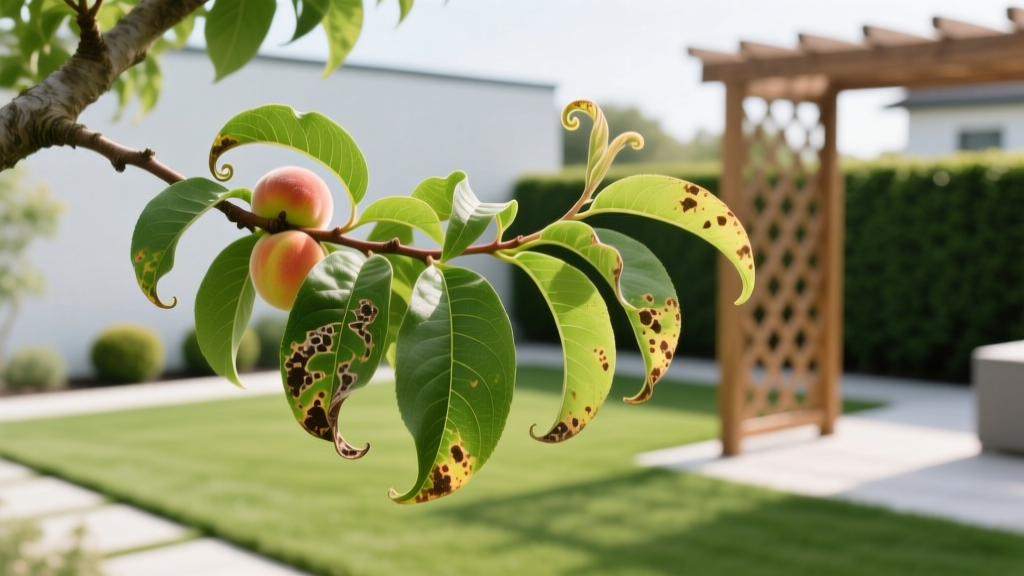
Peach Tree Leaf Curl Cure: Step-by-Step Fungicide Treatment Guide
The Hard Truth About Peach Tree Leaf Curl
If you are searching for a peach tree leaf curl cure because your tree’s foliage is currently thickened, puckered, and turning a vibrant reddish-purple, you need to understand a fundamental botanical reality: there is no chemical spray that will un-curl an already infected leaf. The fungal pathogen responsible, Taphrina deformans, fundamentally alters the cellular structure of the leaf as it develops. Once the distortion is visible, the damage to that specific leaf is permanent.
However, a true 'cure' in arboriculture refers to a comprehensive management protocol that halts the disease cycle, prevents secondary infections, and saves the current season's fruit yield. According to the University of California Integrated Pest Management program, successful eradication relies entirely on targeting the fungal spores during the tree's dormant phase and supporting the tree's vigor during active defoliation.
Warning: Do not waste money on foliar fungicides once leaves have curled. Spraying active, curled leaves with copper or synthetic fungicides will not reverse the damage and can cause phytotoxicity (chemical burn) to the stressed tissue.
The Biology of Infection: Why Timing is Everything
To execute a proper peach tree leaf curl cure, you must understand the pathogen's lifecycle. Taphrina deformans spores overwinter in the rough crevices of the tree's bark and around the bud scales. They remain entirely dormant and immune to most environmental stressors until specific conditions are met:
- Moisture: Spores require at least 12 to 24 hours of continuous leaf wetness (rain or heavy fog) to germinate.
- Temperature: Infection peaks when temperatures hover between 50°F and 70°F (10°C - 21°C).
- Host Susceptibility: The fungus can only penetrate the plant tissue during the narrow window when buds are swelling but before the green tissue fully emerges and develops its protective waxy cuticle.
Because the infection window occurs before the leaves even open, your treatment protocol must happen before spring bud break.
The Definitive Treatment Protocol
This three-step protocol is the industry standard for commercial orchards and serious home growers. Expect to spend between $15 and $30 annually on materials for a mature, 15-foot canopy tree.
Step 1: The Late-Fall Dormant Spray
The first application occurs after 90% of the leaves have naturally dropped in late autumn (typically November or early December, depending on your hardiness zone). The goal is to coat the bark and bud scales, creating a physical barrier that suffocates and kills overwintering spores.
- Select your fungicide: Use a fixed copper fungicide (copper octanoate or copper hydroxide). A highly effective and widely available option is Bonide Liquid Copper Fungicide or Monterey Liqui-Cop.
- Mix to specification: For concentrated liquids, mix 2 to 4 tablespoons per gallon of water. If using a wettable powder, follow the label's exact dormant-season rate, which is typically higher than the growing-season rate.
- Add a surfactant: Copper sprays bead up on dry bark. Add a non-ionic surfactant or horticultural spreader-sticker (1 teaspoon per gallon) to ensure the solution adheres to the microscopic bark crevices.
- Apply to runoff: Spray the entire trunk, all scaffolding branches, and the soil line. The tree should be dripping wet.
Step 2: The Late-Winter Bud Swell Application
This is the most critical application. You must spray exactly when the buds begin to swell and show a hint of pink or green, but before they actually open. In most temperate zones, this falls between late January and mid-February. If it rains within 48 hours of your application, you must reapply immediately, as the copper barrier will be washed away.
Step 3: Spring Sanitation and Canopy Management
If you missed the dormant window and your tree is actively curling in the spring, your 'cure' shifts from prevention to damage control.
- Hand-pick infected leaves: Carefully pluck severely curled leaves and drop them into a bucket of soapy water. Do not compost them; dispose of them in the municipal trash to remove the fungal inoculum from your property.
- Thin the fruit: A defoliated tree cannot support a full crop. Remove 50% to 75% of the developing peaches. This reduces metabolic stress and prevents the tree from exhausting its carbohydrate reserves, which can lead to winter kill.
Fungicide Comparison Matrix
Not all copper formulations are created equal. The table below compares the most common active ingredients used in a peach tree leaf curl cure protocol.
| Active Ingredient | Brand Examples | Efficacy & Rainfastness | Est. Cost (2026) |
|---|---|---|---|
| Copper Octanoate (Liquid) | Monterey Liqui-Cop, Bonide | High efficacy, moderate rainfastness. Excellent for home orchards. | $18 - $24 / Quart |
| Copper Hydroxide (Powder) | Kocide 3000, Champ WG | Highest efficacy, superior rainfastness. Professional grade. | $40 - $60 / 2 lbs |
| Bordeaux Mixture (DIY) | Custom mix (Copper Sulfate + Hydrated Lime) | Excellent adhesion, highly rainfast. Can clog sprayers if mixed poorly. | $15 / 5 lbs (raw materials) |
| Chlorothalonil (Synthetic) | Daconil, Fung-onil | Good preventative, but restricted use in some states (e.g., CA). | $25 - $35 / Pint |
Pro Tip: If you choose to mix your own Bordeaux mixture, use the classic 10-10-100 ratio: 10 pounds of copper sulfate, 10 pounds of hydrated lime, and 100 gallons of water. Always add the lime to the water first, then slowly pour in the dissolved copper sulfate to prevent a hazardous chemical reaction.
Nutritional Support for Defoliated Trees
When a peach tree loses its first flush of leaves to leaf curl, it must expend massive energy reserves to push a second, replacement flush of foliage in early summer. If the tree is under-fertilized, this second flush will be weak, leaving the tree vulnerable to borers and secondary fungal infections like Cytospora canker.
To support recovery, apply a balanced, slow-release granular fertilizer (such as a 10-10-10 NPK) at a rate of 1 cup per inch of trunk diameter, measured 4.5 feet above the ground. Broadcast the fertilizer evenly under the drip line, keeping it at least 6 inches away from the main trunk to prevent root burn. Water it in deeply with at least 1 inch of irrigation.
Additionally, Penn State Extension recommends applying a foliar kelp extract (0-0-1 NPK) during the development of the second leaf flush. The cytokinins and trace minerals in kelp extract stimulate rapid cell division and help the tree recover from the metabolic shock of defoliation.
Common Mistakes That Ruin Treatment
Even experienced gardeners make critical errors when attempting a peach tree leaf curl cure. Avoid these specific failure modes:
- Spraying in Freezing Temperatures: Applying liquid copper when temperatures are below 32°F (0°C) can cause the water to freeze on the bark, expanding and damaging the lenticels (breathing pores) of the tree. Wait for a day when temperatures will remain above 40°F for at least 24 hours.
- Ignoring Soil pH: Copper toxicity in the soil is a real risk if you over-apply copper sprays year after year in acidic soils (pH below 6.0). Test your soil every three years; if pH drops, apply dolomitic lime to raise it and lock up excess soil copper.
- Using Sulfur Instead of Copper: While sulfur is an excellent fungicide for powdery mildew, it is largely ineffective against Taphrina deformans. Do not substitute sulfur for copper in your dormant spray regimen.
- Pruning Too Aggressively in Spring: If your tree is heavily infected, do not perform heavy structural pruning in the spring. The tree is already stressed; removing live wood will further deplete its carbohydrate reserves. Limit spring pruning strictly to the removal of dead wood and severely infected twigs.
Frequently Asked Questions
Can I eat the fruit from a tree with leaf curl?
Yes. The Taphrina deformans fungus primarily attacks the leaves and occasionally the young, green shoots. It rarely infects the fruit. If the fruit does show minor surface blemishes or corking, it is purely cosmetic. The peels can be removed, and the fruit is perfectly safe for human consumption, canning, or baking.
Will neem oil cure peach leaf curl?
No. Neem oil is an effective insecticide and has mild fungicidal properties against powdery mildew and black spot, but it does not possess the residual power or the specific mode of action required to kill the thick-walled overwintering spores of Taphrina deformans hidden deep in bark crevices. Stick to fixed copper formulations for reliable results.
My tree lost all its leaves in May. Will it die?
Not necessarily. Peach trees are remarkably resilient. As long as the root system is healthy and the tree is adequately watered, it will push a second set of leaves in June. The critical factor is ensuring you apply a strict dormant copper spray the following winter to prevent a repeat infection, as consecutive years of total defoliation will eventually kill the tree.

