
Tree Care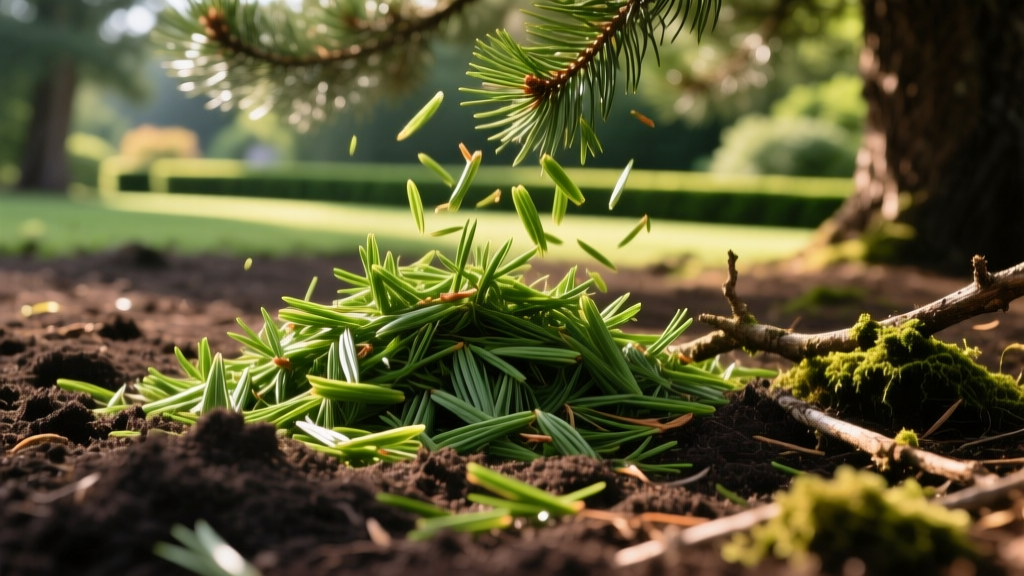
Are Pine Needles Good Mulch? Pros, Cons, and Best Uses
The Short Answer: Yes, But Species and Application Matter
When homeowners ask, 'are pine needles good mulch?', the answer is a definitive yes—but with critical caveats regarding the pine species used and the specific landscape application. In the landscaping industry, pine needle mulch is formally referred to as pine straw. Unlike pine bark or wood chips, pine straw consists of the intact, shed needles of pine trees. It offers superior erosion control, excellent moisture retention, and a natural aesthetic that blends seamlessly into woodland garden designs. However, treating all pine needles as identical is a common mistake that leads to poor mat formation and rapid decomposition.
Expert Insight: The physical length of the needle dictates its effectiveness. Longleaf pine (Pinus palustris) needles measure 7 to 11 inches and interlock to form a breathable, stable mat. Loblolly pine (Pinus taeda) needles are only 4 to 8 inches long, fail to interlock properly, and are easily displaced by wind and heavy rain.
Debunking the Soil Acidification Myth
The most persistent myth in horticulture is that pine needle mulch will drastically lower your soil pH, making it too acidic for most plants. This misunderstanding stems from the pH of fresh, green pine needles, which typically register between 3.2 and 3.8. However, as needles senesce (turn brown and fall from the tree), their acidic compounds leach out.
According to soil science research highlighted by Penn State Extension, decomposed pine straw has a pH of roughly 6.0 to 6.5, which is near neutral. Applying a 3-inch layer of pine straw to your garden beds will not alter the underlying soil pH in any measurable way. If you are growing acid-loving plants like azaleas, blueberries, or rhododendrons, pine straw is an excellent choice, but it is equally safe for neutral-pH perennials, shrubs, and established trees.
Pine Straw vs. Pine Bark vs. Hardwood: A Material Matrix
Choosing the right organic mulch requires understanding how different materials behave over a 12-to-24-month cycle. Below is a functional comparison to help you decide if pine straw is the right tool for your specific landscape zone.
| Feature | Pine Straw (Longleaf) | Pine Bark Mini-Nuggets | Shredded Hardwood |
|---|---|---|---|
| Decomposition Rate | Slow (12-18 months) | Very Slow (2-3 years) | Fast (6-9 months) |
| Erosion Control | Excellent (interlocking mat) | Poor (floats in heavy rain) | Good (mats down heavily) |
| Soil Aeration | High (prevents soil crusting) | Moderate | Low (can form water-repellent crust) |
| Nitrogen Tie-Up | Minimal (surface only) | Minimal | High (if tilled into soil) |
| Best Application | Slopes, woodland beds, shrubs | Flat ornamental beds, pathways | Annual flower beds, vegetable prep |
Where Pine Needle Mulch Excels (and Fails)
While University of Maryland Extension recommends organic mulches universally for moisture retention, pine straw has distinct micro-climate advantages and limitations based on its physical structure.
Ideal Use Cases
- Sloped Terrain and Drainage Swales: Because longleaf needles hook together, they resist washing away during heavy downpours, making them the premier choice for hillsides where hardwood mulch routinely washes into storm drains.
- Root Zones of Established Trees: The high porosity of a pine straw mat allows oxygen to penetrate the soil profile, preventing the suffocation of shallow feeder roots that often occurs with compacted wood mulches.
- Winter Protection for Perennials: The airy structure traps insulating dead air space, protecting the crowns of sensitive perennials from freeze-thaw cycles without trapping excess moisture that causes crown rot.
Poor Use Cases
- High-Wind Corridors: Unless lightly watered in or pinned with biodegradable netting, dry pine straw can blow into neighboring lawns or pools.
- Seed-Starting Beds: The physical barrier of the needles makes it difficult for delicate annual seeds or small transplants to push through.
- Fire-Prone Zones: In areas with high wildfire risk (WUI zones), dry pine straw is highly combustible. The NC State Extension advises using inorganic or high-moisture compost mulches within 5 feet of structural foundations in these regions.
Step-by-Step Application Guide for Tree Rings
Improper mulching is a leading cause of urban tree decline. Follow this precise framework to apply pine straw around trees and shrubs without inducing root girdling or trunk rot.
- Clear the Competing Vegetation: Remove all grass and weeds within a 3-foot radius of the tree trunk. Use a hand cultivator to avoid severing shallow feeder roots.
- Establish the Edge: Cut a clean, 2-inch deep trench around the perimeter of the mulch ring to contain the straw and prevent lawn encroachment.
- Calculate the Volume: A standard rectangular bale of pine straw (roughly 2.5 cubic feet when compressed) will cover approximately 25 square feet at a 3-inch depth. For a 6-foot diameter tree ring (28 sq ft), you will need slightly more than one bale.
- Apply the 'Donut' Method: Spread the pine straw to a uniform depth of 2 to 3 inches. Critical: Pull the mulch back 3 to 6 inches from the actual trunk of the tree. The root flare must remain exposed to the air to prevent fungal pathogens and secondary root growth.
- Settle the Material: Lightly water the pine straw with a hose for 3-5 minutes. This wets the waxy cuticle of the needles, helping them settle and interlock, drastically reducing wind-blown displacement.
Warning: Avoid 'Mulch Volcanoes'
Never pile pine straw (or any mulch) against the tree trunk. Piling mulch against the bark keeps the cambium layer perpetually moist, inviting borers, fungal cankers, and encouraging roots to grow upward into the mulch, which eventually girdle and kill the tree.
Never pile pine straw (or any mulch) against the tree trunk. Piling mulch against the bark keeps the cambium layer perpetually moist, inviting borers, fungal cankers, and encouraging roots to grow upward into the mulch, which eventually girdle and kill the tree.
2026 Cost Analysis: Pine Straw vs. Alternatives
Budgeting for landscape maintenance requires understanding both the initial purchase price and the replacement frequency. Pine straw is sold by the bale, while hardwood and bark are sold by the cubic yard. Below is a cost breakdown based on current regional averages.
| Mulch Type | Unit Cost (Average) | Coverage (at 3" depth) | Cost per 100 Sq Ft | Replacement Cycle |
|---|---|---|---|---|
| Longleaf Pine Straw | $8.00 - $11.00 / bale | ~35 sq ft per bale | $25.00 - $32.00 | Annual |
| Slash Pine Straw | $6.00 - $8.00 / bale | ~40 sq ft per bale | $15.00 - $20.00 | 9-12 Months |
| Shredded Hardwood | $35.00 - $45.00 / cu yd | 108 sq ft per cu yd | $32.00 - $42.00 | Annual |
| Pine Bark Nuggets | $40.00 - $55.00 / cu yd | 108 sq ft per cu yd | $37.00 - $51.00 | 2-3 Years |
Note: Pine straw pricing fluctuates heavily based on regional proximity to the Southeastern US (where longleaf and slash pines are harvested). Transport costs can double the price of bales in the Midwest or Northeast.
Common Pine Mulch Mistakes to Avoid
Even when you correctly identify that pine needles are a good mulch for your specific yard, execution errors can negate the benefits. Watch out for these frequent missteps:
- Using 'Chopped' or 'Shredded' Pine Needles: Some suppliers chop pine straw to make it easier to spread. This destroys the interlocking structure, turning it into a dense mat that repels water and blows away in the wind. Always buy whole, intact needles.
- Applying Over Thick Weed Mats: While landscape fabric seems like a good idea, pine straw decomposes very slowly. When placed over plastic or thick woven fabric, it fails to integrate organic matter into the soil below, and the fabric eventually surfaces, creating an unsightly tangled mess.
- Ignoring the 'Fluff Factor': A fresh bale of pine straw is highly compressed. When cut open, it expands to 3 to 4 times its baled volume. Homeowners frequently over-buy because they underestimate this expansion. Buy 20% less than your initial cubic calculation suggests.
Frequently Asked Questions
Do pine needles attract snakes or rodents?
No more than any other thick organic mulch. In fact, because pine straw is highly porous and does not retain the deep, damp moisture that shredded hardwood does, it is often less attractive to slugs, snails, and moisture-seeking rodents. However, any thick mulch layer can provide cover for ground-dwelling wildlife.
Can I use the dead needles from my own yard?
Yes, but with caution. Needles dropped from your own trees are often mixed with twigs, pinecones, and potential fungal spores. If your trees show signs of needle cast disease or tip blight, do not recycle those needles as mulch around healthy plants, as you will spread the pathogen. Only use clean, disease-free shed needles.
Will pine straw blow away in high winds?
Longleaf pine straw interlocks tightly and stays in place reasonably well once watered. Slash pine is slightly more prone to wind displacement. If you live in a notoriously windy corridor, apply a light tackifier (like a biodegradable soil glue used for erosion control) or pin the edges down with biodegradable jute netting until the needles settle.

