
Tree Care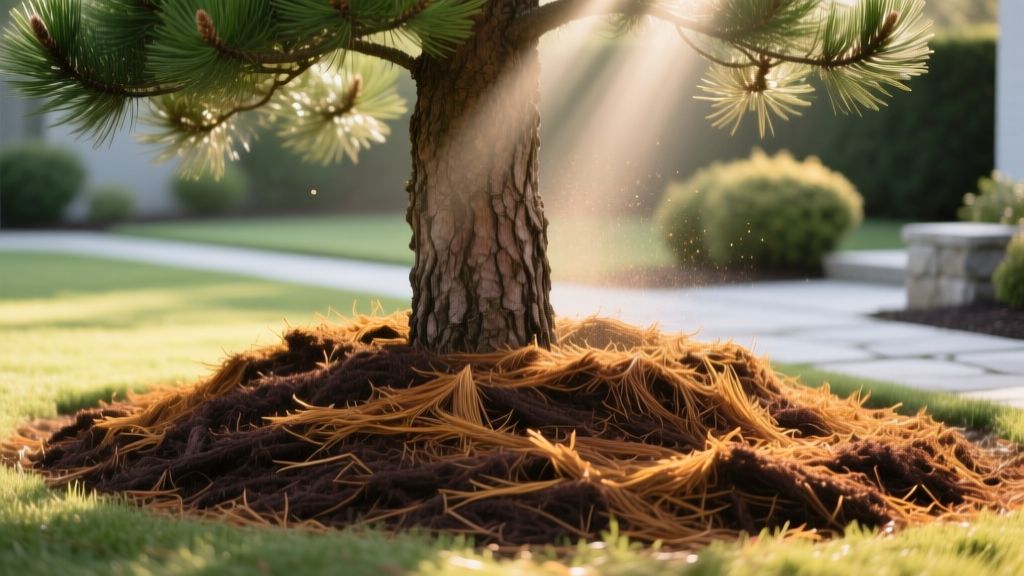
Pine Needle Mulching for Trees: Depth Guide and Soil pH Myths
The Reality of Pine Needle Mulching for Tree Health
When managing soil amendments and root zone protection, pine needle mulching remains one of the most misunderstood practices in arboriculture. Often referred to commercially as 'pine straw,' this material consists of the dried, brown needles shed by longleaf, slash, and loblolly pine species. Unlike shredded hardwood mulch, which breaks down rapidly and can alter soil chemistry, pine needles offer a unique structural matrix that excels in moisture retention, temperature buffering, and weed suppression. However, improper application depth and persistent myths regarding soil acidification lead many homeowners to either avoid this material entirely or apply it in ways that suffocate tree roots. This guide provides exact, field-tested protocols for pine needle mulching, ensuring your trees receive optimal root zone protection without the common pitfalls.
Myth vs. Fact: Soil Acidification
Myth: Pine needle mulching will drastically lower your soil pH, making it too acidic for most shade trees and shrubs.
Fact: While fresh, green pine needles are acidic (pH 3.2 to 3.8), the browning process leaches out the majority of these organic acids before the needles even hit the forest floor. By the time pine straw is baled and applied as mulch, its pH is near neutral (6.0 to 6.5). Long-term studies show that pine needle mulching has a negligible impact on the underlying mineral soil pH, making it safe for almost all ornamental trees.
Myth: Pine needle mulching will drastically lower your soil pH, making it too acidic for most shade trees and shrubs.
Fact: While fresh, green pine needles are acidic (pH 3.2 to 3.8), the browning process leaches out the majority of these organic acids before the needles even hit the forest floor. By the time pine straw is baled and applied as mulch, its pH is near neutral (6.0 to 6.5). Long-term studies show that pine needle mulching has a negligible impact on the underlying mineral soil pH, making it safe for almost all ornamental trees.
Pine Needle Mulching Application: Exact Depth and Spacing
The most critical failure point in any mulching strategy is depth. Tree roots require oxygen for cellular respiration; burying them under excessive organic matter cuts off gas exchange and invites secondary issues like Phytophthora root rot. According to the Arbor Day Foundation, the ideal mulch depth for most tree species is between 2 and 4 inches. Because pine needles interlock and create a highly porous structure, you can safely push toward the 3 to 4-inch maximum without the severe compaction risks associated with shredded hardwoods.
Warning: Avoid Volcano Mulching
Never pile pine straw against the tree trunk. The mulch layer must taper down to bare soil at least 6 inches away from the root flare. Trunk contact traps moisture against the bark, accelerating decay and creating a microhabitat for voles and boring insects.
Never pile pine straw against the tree trunk. The mulch layer must taper down to bare soil at least 6 inches away from the root flare. Trunk contact traps moisture against the bark, accelerating decay and creating a microhabitat for voles and boring insects.
Pine Straw vs. Hardwood Mulch: A Tree Care Comparison Matrix
Choosing the right amendment requires understanding how different materials behave in the root zone over a 12-to-24-month period. Below is a direct comparison of pine needle mulching against standard shredded hardwood and pine bark nuggets.
| Metric | Pine Needle Mulch (Straw) | Shredded Hardwood | Pine Bark Nuggets |
|---|---|---|---|
| Decomposition Rate | Slow (12-18 months) | Fast (4-8 months) | Very Slow (24+ months) |
| Moisture Permeability | Excellent (interlocking matrix) | Moderate (can mat when wet) | Poor (large air gaps) |
| Nitrogen Tie-Up Risk | Very Low | Moderate to High | Low |
| Erosion Resistance | High (needles interlock) | Low (washes away easily) | Low (floats in heavy rain) |
Step-by-Step Pine Needle Mulching Protocol for Established Trees
To achieve the benefits outlined by Penn State Extension regarding soil temperature moderation and moisture conservation, follow this precise application sequence:
- Clear the Root Flare: Use a hand trowel or air spade to gently remove any existing soil or old, matted mulch covering the root flare. The root flare must be 100% visible and exposed to the air.
- Remove Fungal Barriers: If replacing old hardwood mulch, rake away the decomposing bottom layer. This layer often forms a hydrophobic fungal mat (mycelium) that repels water and prevents rain from reaching the tree roots.
- Fluff the Bales: Commercial pine straw bales are compressed at ratios up to 4:1. Break the bale apart with a pitchfork and vigorously shake the needles to restore their natural, interlocking volume before spreading.
- Apply to Exact Depth: Spread the fluffed needles to a depth of 3 to 4 inches. Use a tape measure to verify depth at multiple points around the drip line. Do not exceed 4 inches, as excessive depth reduces oxygen diffusion into the soil profile.
- Water the Matrix: Immediately after application, run a sprinkler over the mulched area for 20 minutes. This wets the waxy cuticle of the pine needles, causing them to settle, interlock, and resist wind displacement.
Sourcing and Cost: 2026 Market Expectations
Pricing for pine needle mulching varies significantly by region due to the high freight costs associated with bulky, lightweight bales. In the Southeastern United States, where longleaf and slash pines are commercially harvested, a standard 2.5-cubic-foot bale costs between $6.00 and $8.50. In Northern or Midwestern markets, freight surcharges push the price to $10.00 to $14.00 per bale. When calculating coverage, one properly fluffed bale covers approximately 25 to 30 square feet at a 3-inch depth. For a mature tree with a 10-foot radius mulch ring (approx. 314 sq. ft.), you will need roughly 11 to 13 bales, totaling $75 to $115 in material costs depending on your geographic location.
Common Failure Modes and Troubleshooting
- Hydrophobic Matting: If pine needles are applied too thinly (under 1 inch) or allowed to dry out completely for months, the waxy coating on the needles can become hydrophobic, shedding water away from the root zone. Fix: Maintain a minimum 2-inch depth and lightly rake the top layer every few months to break surface tension.
- Nitrogen Tie-Up in Shallow Beds: While pine straw has a high carbon-to-nitrogen ratio, microbial decomposition only occurs at the exact interface where the mulch touches the soil. This rarely affects deep tree roots but can starve shallow-rooted annuals planted directly beneath the mulch. Fix: Apply a thin 1/2-inch layer of compost between the soil and the pine needles if interplanting with shallow perennials.
- Weed Seed Contamination: Cheap, poorly sourced bales harvested from unmanaged pine plantations may contain dormant weed seeds or invasive grass rhizomes. Fix: Purchase bales from reputable landscape suppliers who source from managed, herbicide-treated commercial pine stands, rather than discount hardware stores with outdoor storage.
Proper pine needle mulching provides an elegant, highly functional root zone environment that outlasts shredded wood products and stabilizes soil on sloped terrain. By adhering to strict depth limits and ignoring persistent pH myths, you ensure your trees receive maximum physiological benefit from this natural amendment.

