Tree Care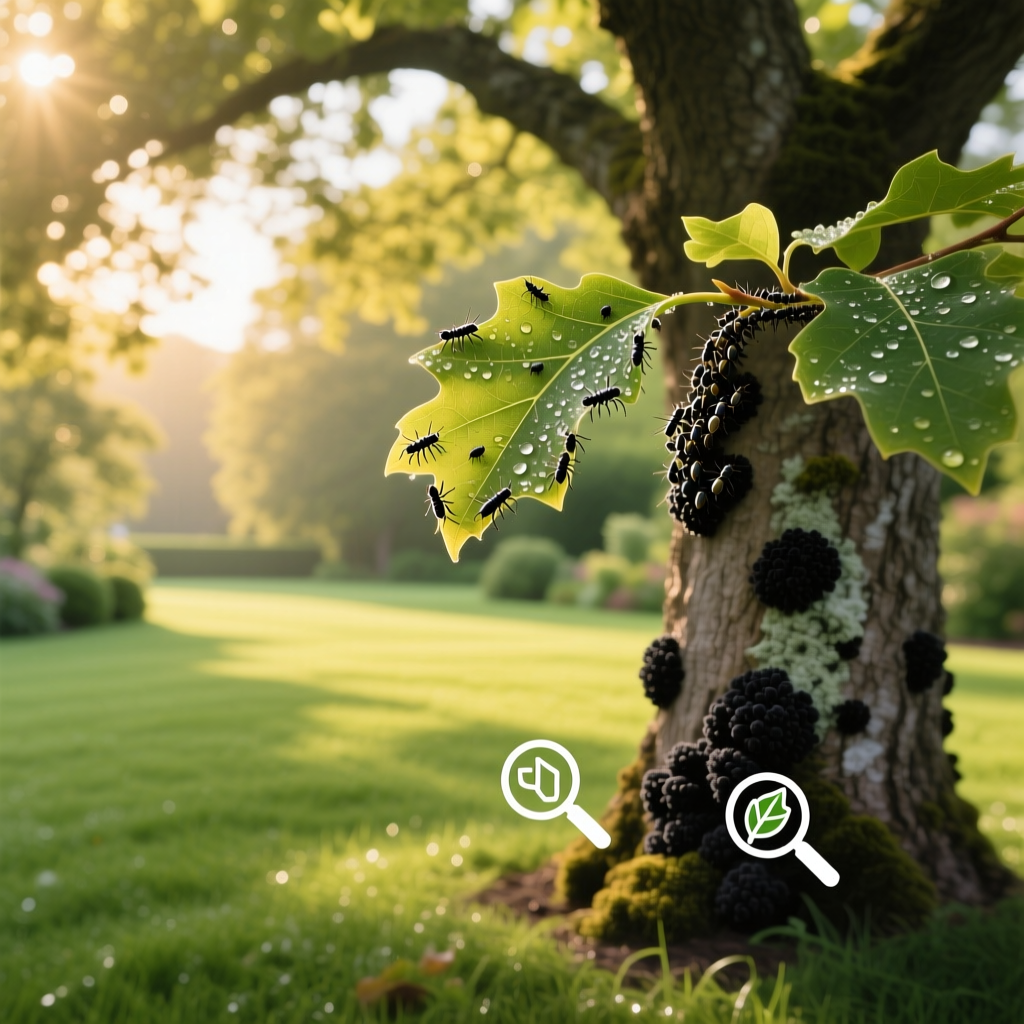
Prevent & Manage Sooty Mold on Trees from Aphid Infestations
Robert HayesPublished
How to Prevent & Manage Sooty Mold on Trees from Aphid Infestations
There are few things more disheartening for a homeowner or gardener than watching a once-vibrant tree become coated in a dark, powdery substance that makes it look as though it has been caught in a chimney fire. This unsightly coating is known as sooty mold, and while it may appear alarming, it is actually a secondary problem — one that signals a deeper issue lurking in your tree's canopy. In the vast majority of cases, sooty mold on trees is directly linked to aphid infestations and the sticky honeydew these tiny pests leave behind.
Understanding the relationship between aphids, honeydew, and sooty mold is the first step toward reclaiming the health and beauty of your landscape trees. Sooty mold itself is not a pathogen that attacks living plant tissue. Instead, it is a collection of fungi — primarily from the genera Capnodium, Fumago, and Scorias — that grow on the sugary excretions produced by sap-sucking insects. When aphids feed on the phloem of tree leaves and stems, they excrete a sweet, sticky substance called honeydew. This honeydew coats everything below the feeding site: leaves, branches, bark, and even the ground or patio furniture beneath the tree. Sooty mold spores, which are ever-present in the environment, land on this honeydew and begin to colonize it, forming the characteristic black, soot-like layer that gives the fungus its name.
While sooty mold does not directly infect the tree, it can cause significant indirect damage. The thick, dark coating blocks sunlight from reaching the leaf surface, which reduces the tree's ability to perform photosynthesis. Over time, this can lead to stunted growth, premature leaf drop, reduced vigor, and increased susceptibility to other diseases and environmental stressors. Combined with the direct damage caused by aphid feeding — which includes leaf curling, yellowing, and distortion — a tree under siege from both pests and mold can decline rapidly if left untreated.
In this comprehensive guide, we will walk you through everything you need to know about preventing and managing sooty mold on trees, with a focus on controlling the aphid populations that cause it. From cultural practices and biological controls to targeted treatments and seasonal maintenance strategies, you will find actionable advice to protect your trees and restore their health. For more general guidance on keeping your landscape thriving, explore our tree care center and lawn care guides.
Understanding the Aphid-Sooty Mold Connection & Identifying the Problem
Before you can effectively manage sooty mold, you need to understand the biological chain of events that leads to its appearance on your trees. This chain begins with aphids — small, soft-bodied insects that range in color from green and yellow to black and red, depending on the species. Aphids are among the most common tree pests worldwide, and they reproduce at an astonishing rate. A single female aphid can produce dozens of offspring in her short lifetime, and many species are capable of asexual reproduction, meaning populations can explode seemingly overnight during warm weather.
How Aphids Create the Conditions for Sooty Mold
Aphids feed by inserting their needle-like mouthparts into the phloem tissue of leaves, stems, and young branches. The phloem is the vascular tissue responsible for transporting sugars produced during photosynthesis throughout the tree. Because phloem sap is under pressure and rich in sugars but relatively poor in the amino acids aphids need, these insects must consume large volumes of sap to meet their nutritional requirements. The excess sugar is excreted as honeydew — a clear, sticky liquid that drips or is flicked onto surfaces below the feeding site.
This honeydew serves as the perfect growth medium for sooty mold fungi. The spores of these fungi are airborne and ubiquitous in the environment, so it only takes a short period of honeydew accumulation before colonization begins. In warm, humid conditions, a visible layer of sooty mold can develop within just a few days of honeydew deposition. The mold appears as a dark gray to black, powdery or velvety coating that can be scraped or washed off the leaf surface, distinguishing it from diseases that cause internal tissue discoloration.
Signs Your Tree Has an Aphid & Sooty Mold Problem
Early detection is critical for effective management. Here are the key indicators to watch for:
- Sticky residue on leaves, branches, or surfaces beneath the tree: If you notice a shiny, tacky film on your tree's leaves or on your car, patio furniture, or sidewalk below the canopy, honeydew is likely the culprit.
- Black, soot-like coating on foliage: The hallmark sign of sooty mold is a dark, powdery layer on leaves and twigs that can be wiped away with a damp cloth or your finger.
- Curled, distorted, or yellowing leaves: Aphid feeding causes characteristic leaf damage, including cupping, curling, and chlorosis (yellowing). New growth is often the most affected.
- Presence of ants on the tree: Ants are attracted to honeydew and will actively farm aphid colonies, protecting them from predators in exchange for the sweet excretions. If you see trails of ants moving up and down your tree trunk, aphids are almost certainly present above.
- Premature leaf drop or stunted growth: As photosynthesis is reduced by the sooty mold coating and the tree's resources are drained by aphid feeding, overall vigor declines.
Tree Species Most Susceptible to Aphid Infestations
While virtually any tree can host aphids, certain species are particularly prone to infestations that lead to sooty mold problems. These include crape myrtles, maples, oaks, elms, birches, lindens, willows, fruit trees (especially apple, pear, and citrus), and many ornamental shrubs such as roses and viburnums. If you have these species in your landscape, regular monitoring during the growing season is especially important. For more information on maintaining specific tree species, visit our common tree diseases guide.
Prevention Strategies: Cultural Practices to Keep Aphids & Sooty Mold at Bay
The most effective approach to managing sooty mold is to prevent the aphid infestations that cause it in the first place. Healthy, well-maintained trees are naturally more resistant to pest pressure, and a combination of sound cultural practices can dramatically reduce the likelihood of a severe outbreak.
Proper Watering & Soil Health
Trees that are stressed by drought or poor soil conditions are more attractive to aphids and less able to recover from feeding damage. Establish a consistent watering schedule that provides deep, infrequent irrigation rather than frequent shallow watering. This encourages deep root growth and improves overall tree vigor. Mulching around the base of your trees with two to four inches of organic mulch — keeping it a few inches away from the trunk to prevent rot — helps retain soil moisture, regulate soil temperature, and improve soil structure over time. For tips on soil management that benefits both your trees and your lawn, check out our soil testing guide.
Avoid excessive nitrogen fertilization, as this promotes the rapid, succulent new growth that aphids find irresistible. If fertilization is needed, opt for slow-release formulations and apply them based on soil test results rather than on a guesswork schedule.
Strategic Tree Placement & Air Circulation
When planting new trees, consider their mature size and spacing requirements. Trees that are planted too closely together or too near structures develop dense canopies with poor air circulation, creating the warm, humid microclimates that favor both aphid populations and fungal growth. Proper spacing allows for natural airflow, which helps dry honeydew more quickly and makes the environment less hospitable for sooty mold development.
Encouraging Beneficial Insects
Nature provides its own aphid control in the form of beneficial predatory and parasitic insects. Lady beetles (ladybugs), lacewings, hoverfly larvae, and parasitic wasps are all voracious consumers of aphids. A single ladybug can eat hundreds of aphids in its lifetime, and lacewing larvae are equally effective. To attract and retain these beneficial insects in your landscape:
- Plant a diverse array of flowering plants, especially those with small, nectar-rich blooms such as yarrow, dill, fennel, alyssum, and cosmos.
- Avoid broad-spectrum insecticides that kill beneficial insects alongside pests.
- Provide habitat features such as insect hotels, undisturbed ground cover areas, and water sources.
- Tolerate low levels of aphid presence, as they provide a steady food source for beneficial insect populations.
Regular Monitoring & Early Intervention
Inspect your trees regularly — at least once a week during the active growing season — for early signs of aphid activity. Pay close attention to the undersides of leaves, new shoot tips, and areas where branches meet the trunk. Catching an infestation early, when populations are still small and localized, makes management far easier and reduces the chance that sooty mold will have time to establish. If you need help identifying pest damage versus environmental stress, our tree health inspection guide can help you assess the situation.
Treatment Options: Managing Active Aphid Infestations & Removing Sooty Mold
When prevention measures are not enough and an active infestation is underway, a range of treatment options are available. The best approach typically involves a combination of mechanical, biological, and — when necessary — chemical controls, applied in an integrated pest management (IPM) framework.
Mechanical & Physical Controls
For light to moderate aphid infestations, physical removal methods can be surprisingly effective:
- Water sprays: A strong jet of water from a garden hose can dislodge aphids from leaves and branches. Because aphids are weak fliers and poor climbers, many will be unable to return to the tree. Repeat this treatment every few days for best results. This method also helps wash away honeydew and sooty mold from leaf surfaces simultaneously.
- Manual removal: For small trees or localized infestations, wiping aphids off leaves with a gloved hand or a soft cloth can reduce populations significantly. Pruning out heavily infested branch tips and disposing of them in sealed bags is another effective option.
- Ant barriers: Since ants protect aphids from their natural predators, controlling ant access to the tree can tip the balance in favor of biological control. Apply a sticky barrier product (such as Tanglefoot) around the trunk to prevent ants from climbing into the canopy. Be sure to wrap the trunk with tape or fabric first to protect the bark.
Biological Controls
If natural predator populations are insufficient, you can augment them by purchasing and releasing beneficial insects. Ladybugs and lacewings are widely available from garden supply retailers. For best results, release them in the evening after watering the tree, as the moisture will encourage them to stay and feed rather than fly away immediately. Biological insecticides containing Bacillus thuringiensis (Bt) are less effective against aphids than against caterpillars, but products based on the fungus Beauveria bassiana can provide targeted aphid control while remaining safe for most beneficial insects when used as directed.
Chemical & Organic Treatment Options
When aphid populations are severe and other methods have not provided adequate control, targeted treatments may be necessary:
- Insecticidal soaps: These potassium salts of fatty acids work on contact by disrupting the cell membranes of soft-bodied insects like aphids. They must be applied directly to the insects and have no residual activity, which means they are relatively safe for beneficial insects that arrive after application. Thorough coverage of leaf undersides is essential.
- Horticultural oils (neem oil): Neem oil and other horticultural oils work by smothering aphids and disrupting their feeding and reproductive behavior. Neem oil also has mild fungicidal properties that can help suppress sooty mold growth. Apply during cooler parts of the day to avoid leaf burn, and never apply when temperatures exceed 90°F (32°C).
- Systemic insecticides: For large trees where thorough spray coverage is impractical, systemic products containing imidacloprid or dinotefuran can be applied as soil drenches or trunk injections. These products are taken up by the tree's vascular system and kill aphids when they feed. However, they should be used judiciously and never on flowering trees that attract pollinators, as the active ingredients can be present in nectar and pollen.
Removing Existing Sooty Mold
Once the aphid population is under control and honeydew production has ceased, the existing sooty mold will gradually weather away on its own. However, you can speed up this process by washing affected leaves and branches with a solution of mild dish soap and water (one tablespoon of soap per gallon of water). Apply the solution with a soft cloth or a gentle spray, and rinse thoroughly with clean water. For large trees, a hose-end sprayer filled with the soapy solution can provide adequate coverage. The mold should begin to loosen and wash away after treatment, allowing sunlight to reach the leaf surface once again. For more on keeping your trees clean and healthy, see our seasonal tree maintenance guide.
Pruning Practices to Reduce Sooty Mold Risk & Improve Tree Health
Strategic pruning is one of the most powerful tools in your arsenal for preventing both aphid infestations and sooty mold development. Proper pruning improves air circulation, increases light penetration, removes infested or damaged wood, and helps maintain a tree structure that is less hospitable to pests.
When to Prune
The timing of pruning depends on the tree species and the type of pruning being performed. In general:
- Dormant season pruning (late winter to early spring): This is the ideal time for major structural pruning on most deciduous trees. Without leaves, the branch structure is clearly visible, making it easier to identify crossing branches, weak attachments, and areas of excessive density. Pruning during dormancy also reduces the risk of spreading diseases, as many pathogens are inactive during cold weather.
- Summer pruning: Light pruning to remove water sprouts, suckers, and overly dense growth can be performed during the growing season. This is particularly useful for managing aphid-prone species, as it removes the tender new growth that attracts these pests and opens the canopy to better airflow.
- Immediate removal of damaged or diseased wood: Regardless of the season, any branches that are dead, broken, or heavily infested with aphids and sooty mold should be removed promptly to prevent the problem from spreading.
Pruning Techniques for Pest & Mold Prevention
Focus your pruning efforts on the following objectives to reduce the risk of aphid infestations and sooty mold:
- Thin the canopy: Remove selected branches throughout the canopy — particularly those growing inward or rubbing against each other — to create open spaces that allow air and light to penetrate. A well-thinned canopy dries more quickly after rain or dew, making it less favorable for fungal growth.
- Raise the crown: Removing the lowest branches improves air movement beneath the tree and reduces humidity in the lower canopy. This is especially important for trees planted near structures or in enclosed landscape beds.
- Remove suckers and water sprouts: These vigorous, upright shoots are a favorite feeding site for aphids due to their tender, nutrient-rich tissue. They also contribute to canopy density and should be removed at their point of origin whenever they appear.
- Make clean, proper cuts: Use sharp, clean tools and make cuts just outside the branch collar to promote rapid healing. Ragged or torn cuts heal slowly and provide entry points for disease organisms. Disinfect pruning tools between trees — especially if you have been working on an infested tree — using a solution of one part bleach to nine parts water or a commercial disinfectant. Learn more about proper technique in our tree pruning guide.
Seasonal Care Tips for Year-Round Sooty Mold & Aphid Prevention
Aphid populations and sooty mold pressure fluctuate throughout the year, and your management strategies should shift accordingly. By following a seasonal care calendar, you can stay ahead of problems and keep your trees healthy in every season.
Spring: Vigilance & Early Action
Spring is the most critical season for aphid management. As temperatures warm and trees produce new growth, overwintering aphid eggs hatch and populations begin to build rapidly. Begin weekly inspections of susceptible trees as soon as bud break occurs. Look for the earliest signs of colony formation on new shoots and the undersides of emerging leaves. If aphids are detected, act immediately with water sprays or insecticidal soap to prevent populations from reaching damaging levels. Apply dormant horticultural oil sprays in early spring (before bud break) to smother overwintering eggs on branches and bark. This single treatment can dramatically reduce the initial population and delay the onset of infestations by weeks or even months. Spring is also an excellent time to apply a balanced, slow-release fertilizer if soil tests indicate a need, and to refresh mulch around the base of your trees. For lawn care tips that complement your spring tree maintenance, visit our spring lawn care guide.
Summer: Monitoring & Maintenance
Aphid populations often peak in late spring to early summer, and sooty mold becomes most visible during this period as well. Continue regular inspections and treatments as needed. Avoid heavy pruning during the hottest months, as this can stress the tree and stimulate a flush of new growth that will attract a fresh wave of aphids. Instead, focus on light thinning and removal of heavily infested branch tips. Ensure trees receive adequate water during dry spells, as drought-stressed trees produce more of the amino acids that attract aphids. If sooty mold is already present, summer rains can help wash away honeydew and loosen the mold, but you may need to supplement with manual washing for severe cases.
Fall: Cleanup & Preparation
As temperatures cool and days shorten, aphid populations naturally decline. Many species produce overwintering eggs that are laid in bark crevices and around bud scales. Take advantage of this transition period by performing a thorough cleanup around your trees. Rake up and dispose of fallen leaves, especially those heavily coated with sooty mold, as they can harbor fungal spores and insect eggs. Apply a fall application of horticultural oil if recommended for your tree species and climate. Fall is also an excellent time to plant new trees, as cooler temperatures and increased rainfall help them establish strong root systems before the following growing season. If you are considering adding trees to your landscape, consult our tree planting guide for best practices.
Winter: Dormant Season Treatments
Winter dormancy offers a unique window for preventive treatments. Dormant oil sprays applied in late winter (just before bud swell) are one of the most effective tools for reducing overwintering aphid egg populations. These highly refined oils coat the bark and branches, suffocating eggs and scales that would otherwise hatch in spring. Winter is also the best time for major structural pruning, as discussed in the pruning section above. Take time during the dormant season to assess the overall health and structure of your trees, plan your pruning strategy, and order any biological controls or treatment products you will need for the coming spring. A well-planned winter preparation makes spring management far more effective.
Frequently Asked Questions About Sooty Mold & Aphids on Trees
Will sooty mold kill my tree if left untreated?
Sooty mold itself is unlikely to kill a mature, otherwise healthy tree. However, the thick coating of mold significantly reduces photosynthesis, which weakens the tree over time. A tree with severely reduced photosynthetic capacity will produce less energy for growth, root development, and natural defense mechanisms. This makes it more vulnerable to secondary problems such as borers, canker diseases, and environmental stress. In addition, the aphid infestation causing the sooty mold is simultaneously draining the tree's resources through direct feeding. The combined effect of aphid feeding and sooty mold shading can lead to significant decline, especially in young trees, recently transplanted trees, or trees already stressed by drought, poor soil, or other factors. Prompt treatment of both the aphids and the mold is always recommended to protect the long-term health of your trees.
Can I prevent sooty mold without using any pesticides?
Yes, it is entirely possible to manage aphid populations and prevent sooty mold without resorting to synthetic pesticides. An integrated approach combining cultural practices, biological controls, and organic treatments can be highly effective. Start by maintaining tree health through proper watering, mulching, and avoiding excess nitrogen fertilization. Encourage natural predators by planting diverse flowering plants and avoiding broad-spectrum insecticides. Use strong water sprays to physically dislodge aphids from foliage, and apply insecticidal soaps or neem oil when populations exceed acceptable thresholds. Control ant access to the tree canopy using sticky barriers, as ants protect aphids from predators. With consistent monitoring and early intervention, many homeowners successfully manage aphid and sooty mold problems using only organic and mechanical methods.
Why do ants seem to make the sooty mold problem worse?
Ants have a mutualistic relationship with aphids that directly exacerbates sooty mold problems. Ants are attracted to the sugary honeydew that aphids produce, and they will actively tend aphid colonies much like a farmer tends livestock. The ants protect aphids from their natural predators — including ladybugs, lacewings, and parasitic wasps — by attacking or driving them away. Some ant species even move aphids to new feeding sites on the tree to maximize honeydew production, and certain ants will carry aphid eggs into their nests over winter and place them on new host plants in spring. By protecting and farming aphid colonies, ants ensure a steady supply of honeydew, which in turn provides more growth medium for sooty mold. Controlling ant access to your trees is therefore a critical component of any sooty mold management strategy. Simple measures like sticky trunk barriers can make a significant difference.
How long does it take for sooty mold to go away after treating the aphids?
Once the aphid population has been effectively controlled and honeydew production ceases, existing sooty mold will begin to weather away naturally. The timeline varies depending on environmental conditions: rainfall, wind, and sunlight all help break down and wash away the mold. In most cases, you can expect to see noticeable improvement within two to four weeks, with complete disappearance taking anywhere from one to three months. You can accelerate this process by washing affected foliage with a mild soap-and-water solution and rinsing thoroughly. For deciduous trees, the problem will resolve naturally at the end of the growing season when affected leaves drop and are replaced by fresh, clean foliage the following spring. If sooty mold persists long after aphids have been eliminated, check for other honeydew-producing insects such as scale insects, whiteflies, or mealybugs, which may be continuing to supply the growth medium.
Are there tree species that are naturally resistant to aphids and sooty mold?
While no tree is completely immune to aphid feeding, some species are significantly less prone to the severe infestations that lead to sooty mold problems. Trees with thick, waxy, or hairy leaves are generally less attractive to aphids, as these leaf textures make feeding more difficult. Species such as ginkgo, most conifers (with some exceptions like spruce and hemlock), magnolias, and many native oaks tend to experience fewer aphid problems than species like crape myrtle, birch, linden, and maple. When selecting trees for your landscape, especially in areas where aphid pressure is historically high, choosing resistant or less-susceptible species can save considerable time and effort in pest management. However, even resistant species benefit from good cultural practices, so proper watering, mulching, and monitoring remain important regardless of the species you plant. Browse our tree species guide for more recommendations tailored to your region and landscape goals.
Managing sooty mold on trees is ultimately about managing the insects that create the conditions for it to thrive. By combining vigilant monitoring, sound cultural practices, biological controls, and targeted treatments when necessary, you can keep aphid populations in check and enjoy clean, healthy, vibrant trees throughout every season. For additional resources on maintaining a beautiful and healthy landscape, explore our complete library of tree care articles and lawn care tips.
