Tree Care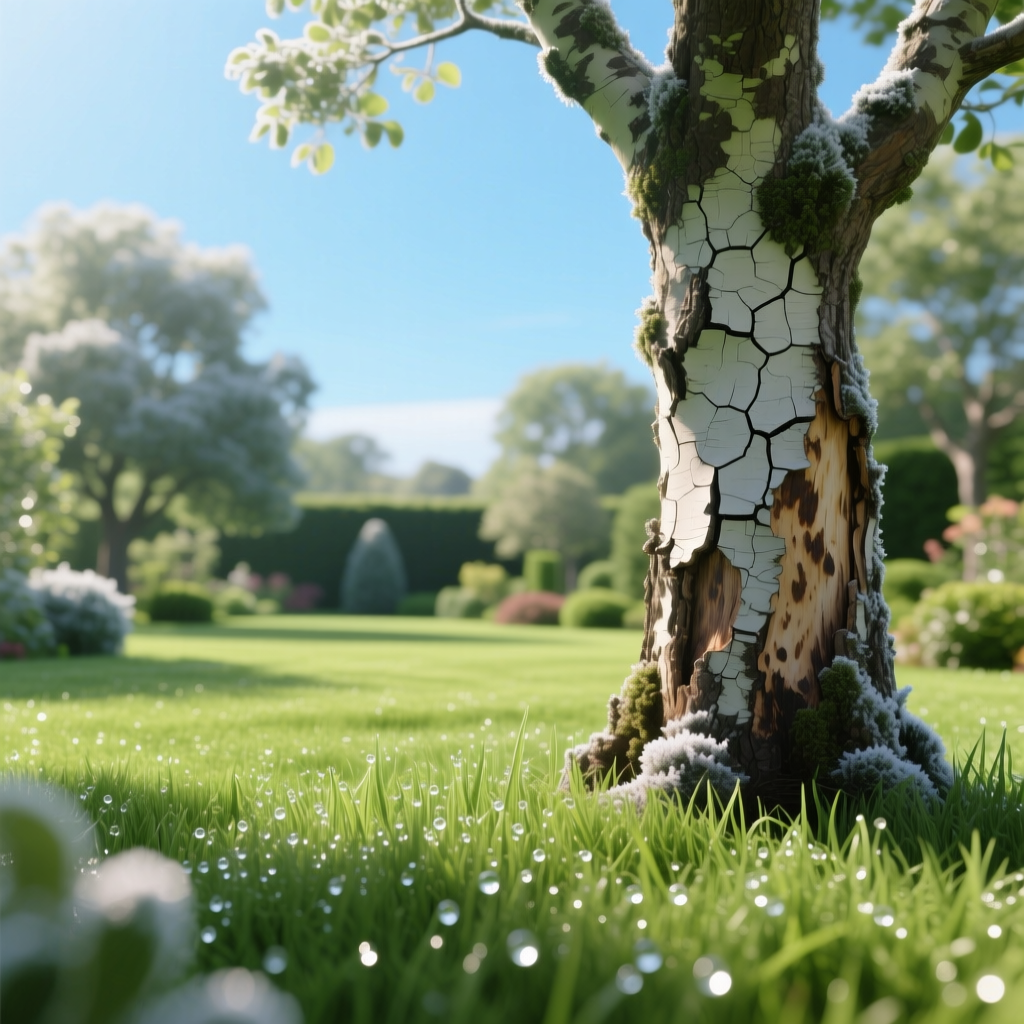
How to Prevent & Treat Frost Cracks & Sunscald on Tree Bark
Mike RodriguezPublished
Trees are remarkably resilient organisms, capable of weathering severe storms, droughts, & freezing temperatures. However, the winter season introduces a unique set of environmental stressors that can severely compromise the structural integrity & long-term health of your landscape trees. Among the most insidious of these winter threats are frost cracks & sunscald. While both conditions manifest as severe damage to the tree bark & underlying cambium layer, they occur through entirely different biological & physical mechanisms. Understanding the distinction between these two ailments is the first step toward effective prevention & treatment.
When the bark of a tree is compromised, the vascular system responsible for transporting water, nutrients, & sugars throughout the canopy is disrupted. This not only stunts the tree's growth but also creates open wounds that serve as entry points for fungal pathogens, wood-boring insects, & decay organisms. In this comprehensive guide, we will explore the science behind frost cracks & sunscald, outline the best preventative care requirements, discuss proper pruning techniques, & provide actionable seasonal tips to shield your trees from winter damage. Whether you are managing a mature shade tree or nurturing a newly planted sapling, these evergreen tree care strategies will ensure your landscape thrives year after year.
Understanding Frost Cracks & Sunscald
Before implementing a treatment plan, it is crucial to understand the environmental triggers that cause bark damage. Frost cracks & sunscald are often confused because they both predominantly appear on the south & southwest-facing sides of a tree trunk, where winter sun exposure is most intense. However, their underlying causes are distinctly different.
Sunscald, frequently referred to as southwest winter injury, is a cellular-level issue. During cold, clear winter days, the direct sunlight beating down on the dark bark of a tree can raise the temperature of the trunk surface significantly above the ambient air temperature. This localized heat tricks the dormant cambium cells (the active growing layer just beneath the bark) into breaking dormancy & becoming active. When the sun sets or a cloud passes over, the temperature of the bark plummets rapidly. This sudden, extreme drop in temperature freezes & kills the active cambium cells. By the time spring arrives, the dead tissue dries out, sloughs off, & reveals sunken, discolored, & dead wood beneath the bark.
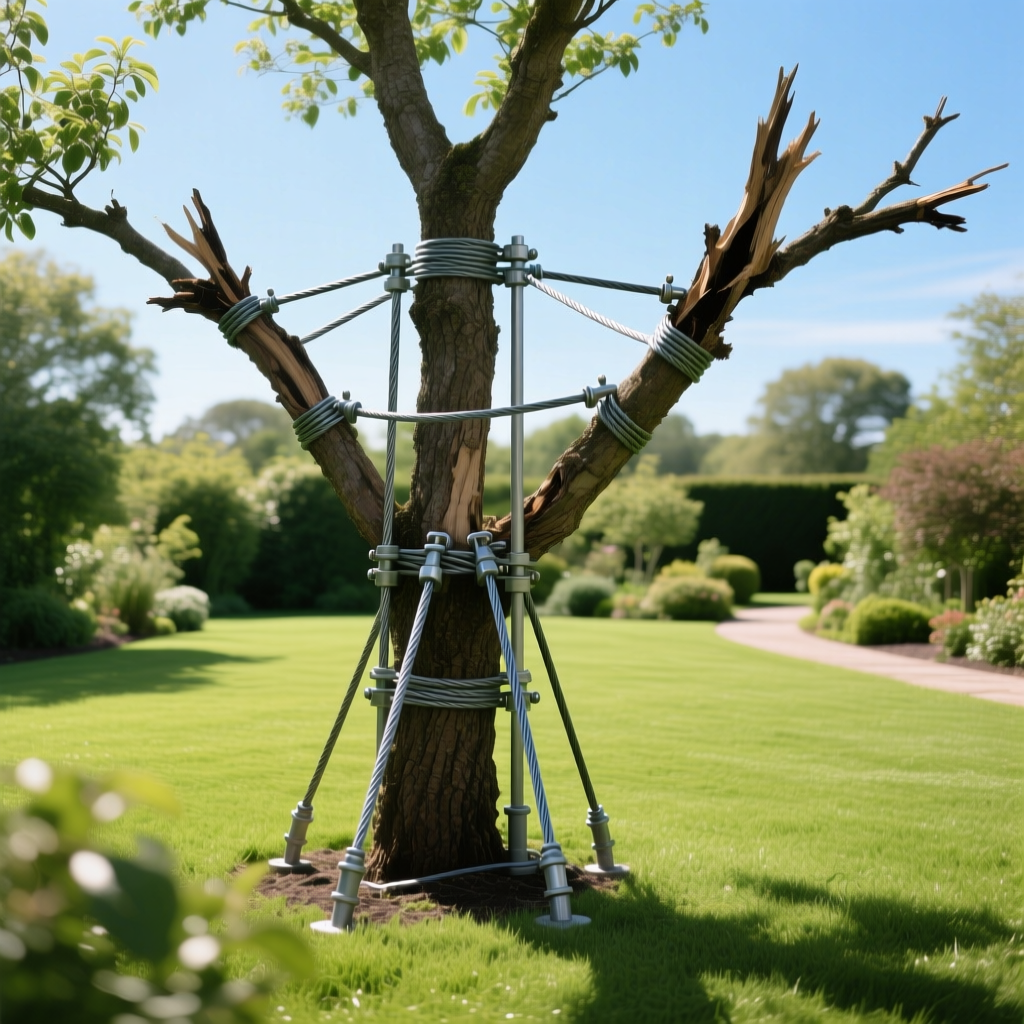
Frost cracks, on the other hand, are structural failures caused by the physical properties of wood & water. Wood contains a significant amount of moisture. When temperatures drop rapidly below freezing, the water inside the wood freezes & expands, while the outer layers of the wood contract due to the cold. This creates immense internal tension. When the tension exceeds the tensile strength of the wood fibers, the trunk splits longitudinally, often producing a loud sound akin to a rifle shot. While the crack may close slightly during the warmth of summer, it rarely heals completely, leaving a prominent frost rib or seam that can weaken the tree's structural stability over time.
Certain tree species are far more susceptible to these conditions than others. Thin-barked trees, such as maples, ashes, lindens, walnuts, sycamores, & most fruit trees, lack the thick, corky insulation required to buffer rapid temperature fluctuations. Young trees of almost any species are also at high risk because their bark has not yet developed the deep fissures & thickness characteristic of mature specimens.
Preventative Care Requirements for Tree Bark
Preventing winter bark damage begins long before the first snowfall. A tree's ability to withstand environmental stress is directly tied to its overall vigor, root health, & hydration levels leading up to winter dormancy. Implementing a robust late-season care routine is essential for fortifying your trees against frost cracks & sunscald.
Deep Fall Watering: One of the most common mistakes homeowners make is assuming trees do not need water once the leaves drop. In reality, trees continue to absorb moisture & store it in their root systems until the ground freezes solid. A tree that enters winter in a state of drought stress is far more prone to frost cracking because dehydrated wood is less flexible & more brittle. We highly recommend following the deep watering techniques outlined in our guide to watering newly planted trees, ensuring the soil is moist to a depth of at least twelve inches before the hard freeze sets in.
Proper Mulching Techniques: Mulch acts as a vital insulating blanket for the root zone, regulating soil temperature & retaining critical moisture. However, improper mulching can do more harm than good. Never pile mulch against the trunk in a "volcano" shape, as this traps moisture against the bark, promoting rot & inviting rodents to gnaw on the trunk under the cover of snow. Instead, apply a two-to-four-inch layer of organic wood chips in a wide ring around the tree, keeping the mulch a few inches away from the trunk flare. For a detailed breakdown of material selection & application, refer to our tutorial on how to mulch trees properly.
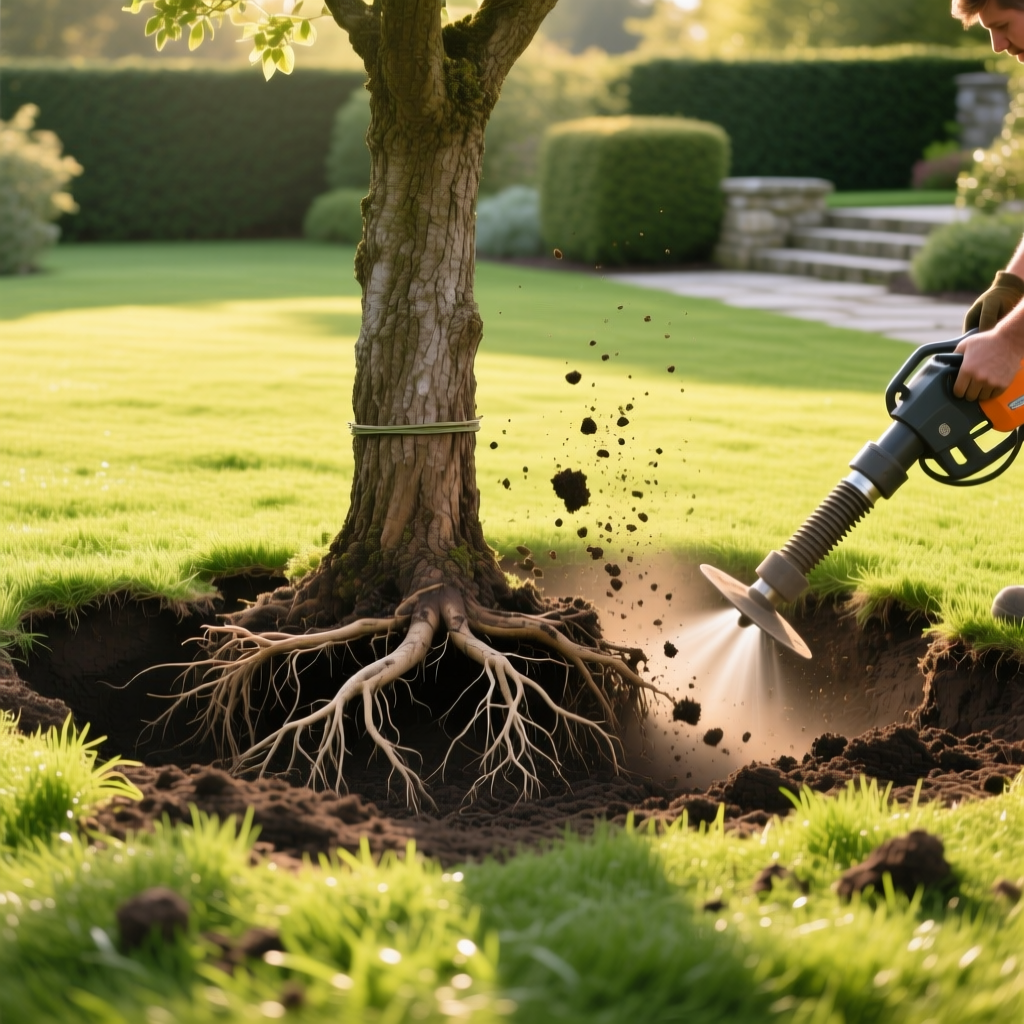
Soil Health & Aeration: Compacted soil prevents water from penetrating deeply, leading to shallow root systems & drought-stressed trunks. If your trees are planted in heavy clay or high-traffic lawn areas, the soil may be severely compacted. Utilizing the core aeration benefits within the tree's drip line can dramatically improve water infiltration & oxygen availability to the roots, resulting in a healthier, more resilient tree capable of fending off winter injuries.
Avoiding Late-Season Fertilization: Applying high-nitrogen fertilizers in late summer or early fall stimulates tender, new vegetative growth. This new growth does not have sufficient time to harden off & develop a protective corky bark layer before winter arrives, making it highly susceptible to freezing & sunscald. Cease all nitrogen applications by mid-summer to allow the tree to naturally transition into its winter dormancy cycle.
Pruning & Canopy Management for Winter Protection
The architecture of a tree's canopy plays a surprisingly significant role in protecting its trunk from sunscald. In natural forest settings, trees are shaded by surrounding vegetation, & their lower branches remain intact, casting shadows across their own trunks. In manicured landscapes, however, trees are often "limbed up" or over-pruned to allow for pedestrian traffic, lawn mowing, & unobstructed views. This practice exposes the previously shaded, thin bark of the lower trunk to direct, intense winter sunlight, drastically increasing the risk of southwest winter injury.
Retaining Lower Branches: When training young trees, resist the urge to remove all lower branches immediately. Leaving temporary lower branches, even if they are eventually slated for removal, provides crucial shade to the developing main trunk during its most vulnerable first few winters. As the tree matures & the bark thickens, these lower branches can be gradually pruned away.
Strategic Pruning Timing: If you must prune, timing is everything. Pruning in late fall or early winter can leave fresh cuts exposed to extreme cold, which can dry out the surrounding cambium & lead to dieback. The optimal time for major structural pruning is during late winter or very early spring, just before the spring growth flush begins. This allows the tree to rapidly seal the wounds with fresh callus tissue. For step-by-step instructions on making proper collar cuts, consult our comprehensive pruning guide for healthy growth.
Managing Surrounding Vegetation: If a tree has recently lost its natural shade due to the removal of a neighboring tree or the construction of a new building, its trunk is suddenly exposed to a new microclimate. In these scenarios, artificial shading or trunk wrapping becomes mandatory to prevent sudden sunscald. Additionally, ensure that lawn maintenance equipment is kept far away from the trunk. String trimmers & lawnmowers that nick the bark create open wounds that exacerbate winter stress & provide entry points for common tree diseases.
Seasonal Tips: Wrapping & Shielding Trees
For young, thin-barked trees, or species known to be highly susceptible to winter injury, physical barriers are the most reliable method of prevention. Wrapping the trunk creates an insulating layer that buffers the bark against rapid temperature swings, reflects harsh sunlight, & protects against foraging rodents.
Using Commercial Tree Wrap: Commercial tree wraps are typically made of crinkled kraft paper, burlap, or specialized synthetic fabrics. When applying paper wrap, always start at the base of the trunk & work your way up, overlapping each layer by about one-third. This shingle-like application ensures that melting snow & winter rain will run off the wrap rather than soaking into it. Secure the top of the wrap with a piece of twine or masking tape; never use wire or duct tape, as these can girdle the tree as it grows. Wrap the trunk up to the first set of lower branches.
White Latex Paint: An alternative to wrapping, often used in commercial orchards & nurseries, is painting the trunk. Mixing standard, water-based white latex paint with an equal part of water (a 50/50 ratio) & applying it to the lower trunk reflects the harsh winter sun, preventing the bark from overheating during the day. This method is highly effective against sunscald but does not offer the same physical protection against rodents or mechanical damage as a physical wrap.
Plastic & Wire Guards: Rigid plastic tree guards or wire mesh cylinders are excellent for protecting the base of the tree from rabbits, voles, & lawnmower damage. However, if using solid plastic guards, ensure they have ventilation holes to prevent moisture buildup & fungal growth against the bark. Light-colored or white guards are preferred, as dark plastic can absorb heat & inadvertently cause the very sunscald damage you are trying to prevent.
The Golden Rule of Removal: The most critical aspect of using tree wraps & guards is remembering to remove them. Tree wraps must be taken off in early spring, just as the tree begins to bud. Leaving wrap on the trunk year-round traps moisture, creates a haven for fungal pathogens & boring insects, & restricts the natural expansion of the trunk, eventually girdling & killing the tree. Incorporate wrap removal into your broader winter lawn maintenance & spring cleanup checklist to ensure it is never forgotten.
Treating Existing Frost Cracks & Sunscald Damage
Despite your best preventative efforts, extreme weather events can still cause damage. If you discover a frost crack or a patch of sunscald on your tree, do not panic. Trees possess an incredible, built-in defense mechanism known as CODIT (Compartmentalization of Decay in Trees). Rather than healing wounds by replacing damaged tissue like human skin, trees seal off the damaged area & grow a protective boundary of callus tissue around the wound to prevent decay from spreading.
Tracing the Wound: If sunscald has caused the bark to die & peel away, you can assist the tree's natural compartmentalization process through a technique called "tracing." Using a sharp, sterilized knife, carefully cut away the dead, loose bark until you reach the healthy, living cambium layer. Shape the edges of the wound into an elongated oval or football shape, with pointed tops & bottoms. This specific shape encourages the callus tissue to roll over the wound more rapidly & prevents water from pooling on horizontal ledges. Do not cut into healthy wood; only remove the clearly dead bark.
Avoid Wound Sealants: Historically, arborists recommended painting tree wounds with tar, asphalt-based sealants, or pruning paint. Modern arboricultural science has definitively proven that these products are detrimental. Sealants trap moisture & decay-causing bacteria inside the wound, interfering with the tree's natural callus formation. Expose the wound to the air, allowing it to dry out & naturally callus over.
Supporting Recovery: A damaged tree requires extra energy to produce callus tissue & fight off potential secondary infections. Ensure the tree receives adequate, deep watering during the spring & summer drought periods. Apply a light, balanced fertilizer in early spring if a soil test indicates a nutrient deficiency. Monitor the wound closely throughout the growing season for signs of insect infestation or fungal fruiting bodies, & consult a certified arborist if the structural integrity of a large limb or main trunk is severely compromised by a deep frost crack.
Frequently Asked Questions
Can a tree survive a severe frost crack?
Yes, in most cases, a tree can survive a severe frost crack. The tree will attempt to seal the crack by growing callus tissue over the opening, often forming a raised ridge known as a frost rib. While the tree may live for decades, the crack represents a permanent structural weakness. If the crack is located on a main trunk or a heavy, overextended limb, it may pose a hazard during high winds or heavy snow loads. An on-site assessment by a certified arborist is recommended to evaluate the risk of failure.
Should I use tree wound paint to seal a frost crack?
No, you should never use tree wound paint, tar, or sealants on a frost crack or sunscald wound. These products do not prevent decay & actually hinder the tree's natural healing process. Sealants trap moisture against the exposed wood, creating an ideal environment for fungal pathogens to thrive. The best approach is to carefully trace the wound to remove loose bark & allow the tree to naturally compartmentalize the damage using its own biological defenses.
At what temperature does sunscald typically occur?
Sunscald is not caused by a specific low temperature, but rather by the rapid fluctuation between daytime highs & nighttime lows. It typically occurs on clear, sunny winter days when the ambient air temperature may be around 30°F to 40°F (-1°C to 4°C), but the direct solar radiation heats the dark bark surface to 70°F or 80°F (21°C to 26°C). When the sun sets, the bark temperature plummets back below freezing within a matter of minutes, shocking & killing the active cambium cells.
How long should I leave tree wrap on my trunk?
Tree wrap should be applied in late fall, after the tree has gone dormant & the first hard freeze has occurred. It must be removed in early spring, typically around the time the tree begins to show bud break & the risk of severe freezing temperatures has passed. Leaving the wrap on during the warm, wet spring & summer months will trap moisture, encourage bark rot, & provide a hidden habitat for destructive insects & rodents.
Does lawn maintenance affect tree bark health?
Absolutely. Improper lawn maintenance is a leading cause of bark damage that exacerbates winter injuries. String trimmers & lawnmowers that repeatedly strike the base of the tree strip away the protective outer bark & sever the phloem vessels. This mechanical damage weakens the tree, restricts nutrient flow, & creates open wounds that are highly vulnerable to frost cracking, sunscald, & disease. Maintaining a proper mulch ring around the tree eliminates the need to mow close to the trunk & protects the bark from mechanical injury.