Tree Care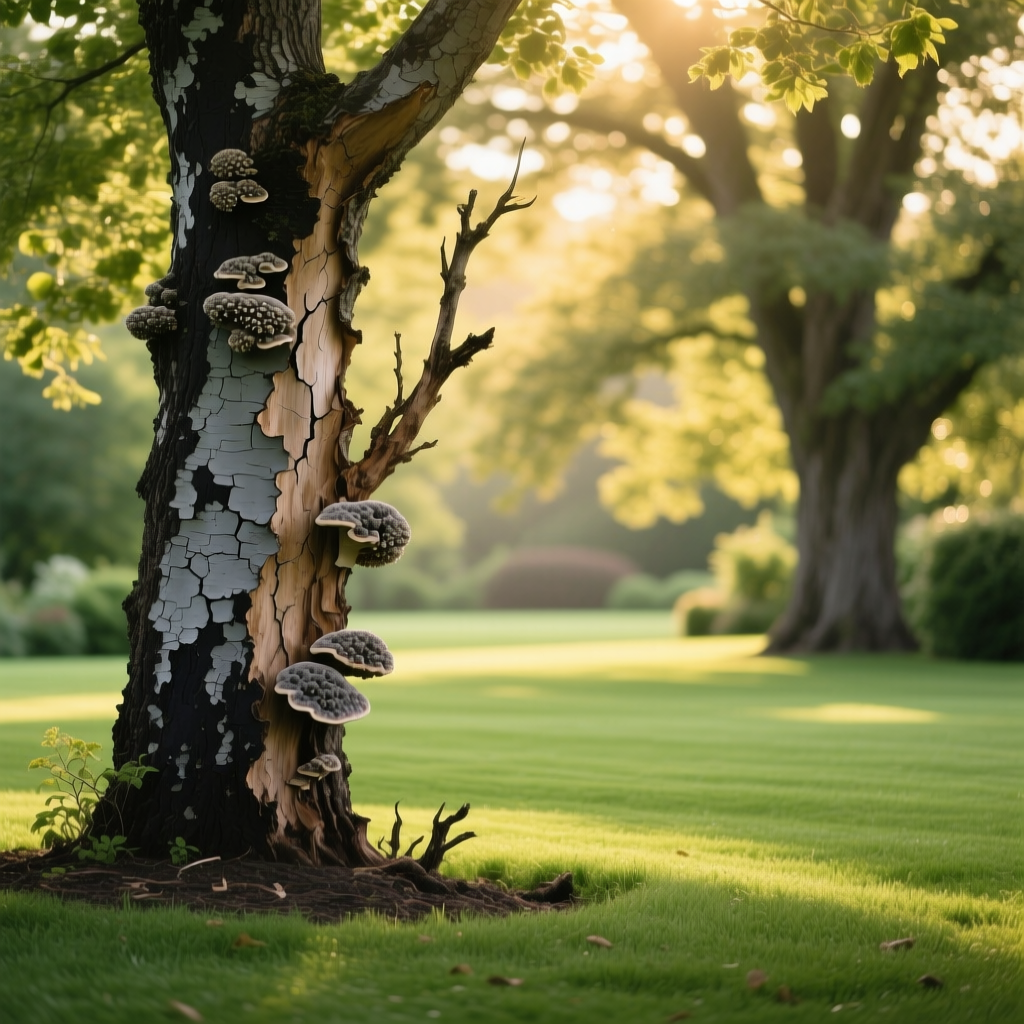
Prevent & Treat Hypoxylon Canker in Stressed Hardwood Trees
Lisa ThompsonPublished
How to Prevent & Treat Hypoxylon Canker in Stressed Hardwood Trees
Hypoxylon canker is one of the most destructive diseases affecting hardwood trees, particularly oaks, and it almost always targets trees that are already under stress. Caused by the fungus Hypoxylon atropunctatum (also known by its anamorph stage Entoleuca mammata), this disease can rapidly kill branches, girdle trunks, and ultimately lead to the death of an entire tree if left unchecked. For homeowners, arborists, and property managers, understanding how to prevent and manage Hypoxylon canker is essential for maintaining healthy, long-lived hardwood trees in the landscape.
Unlike many fungal diseases that attack healthy plants, Hypoxylon canker is an opportunistic pathogen. It waits for a tree to become weakened by drought, root damage, construction injury, soil compaction, or other environmental stressors before it moves in. This makes prevention through proper cultural care the single most effective strategy for keeping your hardwoods safe. In this comprehensive guide, we will walk you through everything you need to know about identifying, preventing, and treating Hypoxylon canker so that your trees remain vigorous and beautiful for decades to come. For general tips on keeping your entire landscape healthy, explore our lawn care guides and related tree care resources.
Understanding Hypoxylon Canker: Identification, Lifecycle & Host Trees
Before you can prevent or treat Hypoxylon canker, you need to understand what it is, how it spreads, and which trees are most at risk. Hypoxylon canker is caused by a wood-decaying fungus that belongs to the family Xylariaceae. The pathogen is a weak parasite, meaning it cannot typically infect a healthy, vigorously growing tree. Instead, it colonizes the sapwood of trees whose natural defense systems have been compromised.
Signs & Symptoms to Watch For
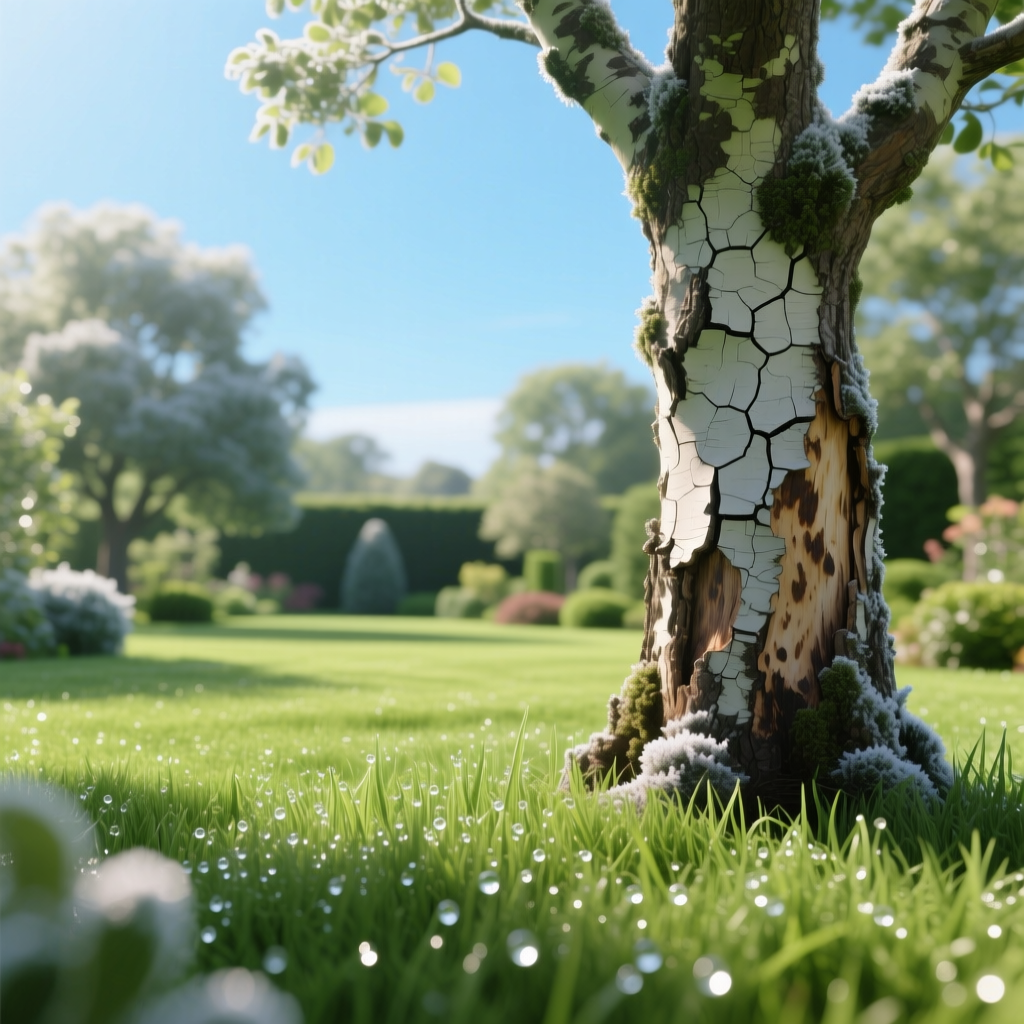
The earliest visible sign of Hypoxylon canker is often a sunken, discolored area on the bark of a branch or trunk. This area, called a canker, may appear water-soaked or dark brown. As the disease progresses, the bark over the canker sloughs off, revealing a grayish to black stromatic layer beneath. This exposed surface is covered with tiny, pimple-like fruiting bodies (perithecia) that are the reproductive structures of the fungus. In advanced stages, you may see large sheets of bark peeling away to expose a black, crusty fungal mat that can cover significant portions of the trunk or major scaffold branches.
Other symptoms include:
- Crown dieback: Branches at the top and outer edges of the canopy begin to thin, lose leaves prematurely, or die entirely.
- Yellowing or undersized foliage: Leaves on affected branches may be smaller than normal, chlorotic (yellowed), or wilted.
- Epicormic sprouting: Small, tufted shoots (water sprouts) may emerge along the trunk or lower branches as the tree attempts to compensate for lost canopy.
- Structural weakness: Infected wood becomes brittle and prone to breaking, creating a serious hazard during storms or high winds.
The Lifecycle of the Pathogen
The Hypoxylon fungus overwinters in infected wood and in the stromatic tissue beneath bark that has already sloughed off. In spring and early summer, the perithecia release ascospores that are carried by wind and rain to nearby trees. These spores can only successfully colonize trees that have wounded or stressed tissue. Once inside the sapwood, the fungus spreads laterally, killing the cambium layer and disrupting the tree's ability to transport water and nutrients. The entire cycle from infection to visible symptoms can take anywhere from several months to a couple of years, depending on the level of stress the host tree is experiencing.
Common Host Trees
Hypoxylon canker primarily affects hardwood species, with oaks being the most frequently impacted. Red oaks (Quercus rubra), white oaks (Quercus alba), and live oaks (Quercus virginiana) are all susceptible. Other commonly affected species include:
- Sycamore (Platanus occidentalis)
- Hickory (Carya spp.)
- Pecan (Carya illinoinensis)
- Elm (Ulmus spp.)
- Maple (Acer spp.)
- Dogwood (Cornus florida)
If you have any of these species on your property, regular monitoring for signs of Hypoxylon canker is especially important. For more information on caring for specific tree species, visit our common tree diseases guide.
Prevention Strategies: Keeping Hardwood Trees Healthy & Stress-Free
Because Hypoxylon canker is fundamentally a disease of stressed trees, prevention revolves entirely around maintaining tree vigor. A healthy hardwood with a robust root system, adequate moisture, and undamaged bark is remarkably resistant to infection. Below are the core prevention strategies every tree owner should implement.
Proper Watering Practices
Drought stress is the number one trigger for Hypoxylon canker outbreaks. During periods of low rainfall, mature hardwood trees need deep, infrequent watering rather than light, frequent sprinklings. Apply water slowly using a soaker hose or drip irrigation system placed at the dripline (the outer edge of the canopy) where the majority of feeder roots are located. Aim for approximately one inch of water per week during the growing season, adjusting based on soil type, temperature, and rainfall.
Mulching around the base of the tree helps retain soil moisture and regulate soil temperature. Apply a two- to four-inch layer of organic mulch (wood chips, shredded bark, or leaf compost) in a wide ring extending from the trunk outward to the dripline if possible. Be careful to keep mulch a few inches away from the trunk itself to prevent rot and rodent damage. Our mulching basics guide covers best practices in greater detail.
Protecting the Root Zone & Avoiding Soil Compaction
The root system of a hardwood tree extends well beyond the dripline, and any damage to this zone can severely stress the tree. Construction activities, heavy equipment traffic, grade changes, and even repeated foot traffic can compact the soil and suffocate roots. If you are planning any landscaping or construction project near established trees, consult a certified arborist to develop a tree protection plan before work begins.
Additional root-zone protection tips include:
- Avoid trenching or digging within the dripline of mature trees.
- Do not add or remove soil within the root zone without professional guidance, as even a few inches of fill can smother roots.
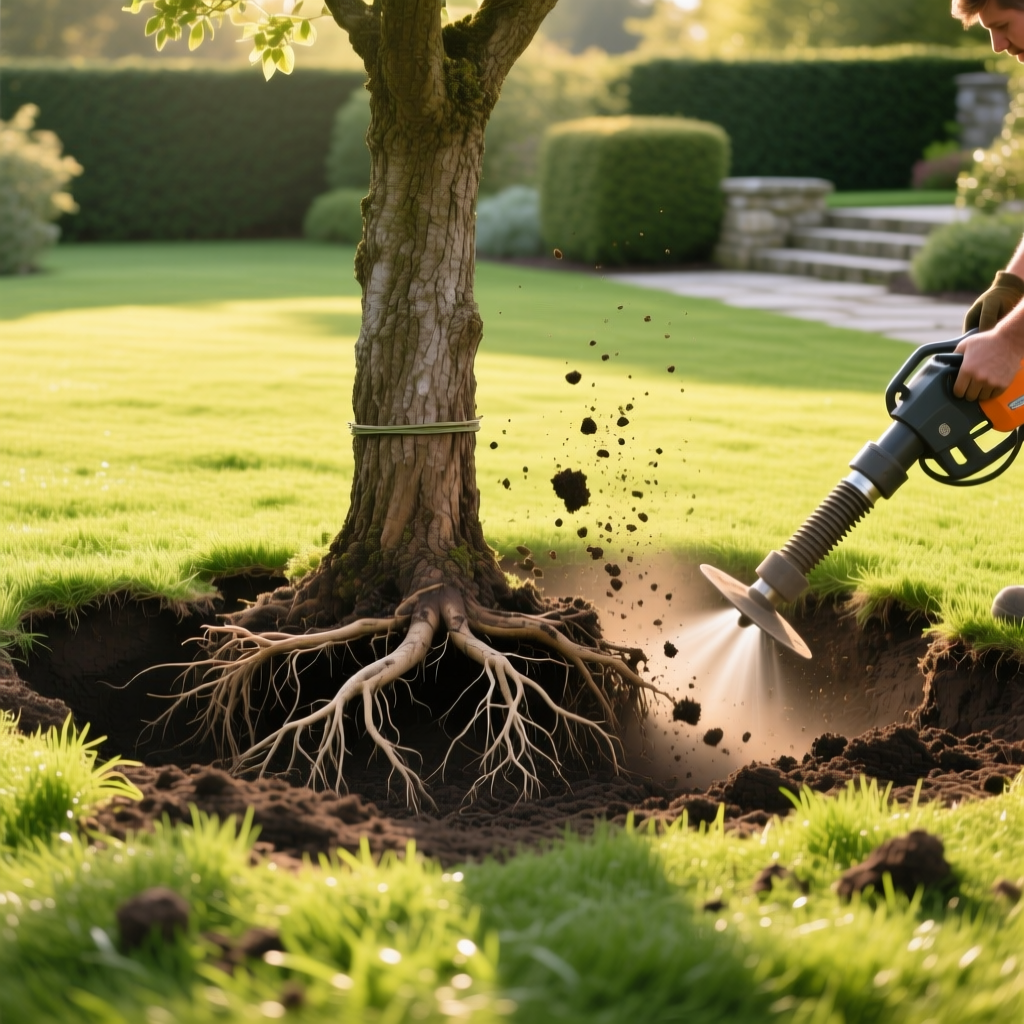
- Use air-spade aeration or radial trenching to alleviate compaction in high-traffic areas.
- Install root barriers or fencing around the critical root zone during construction projects.
Proper Fertilization & Soil Health
While over-fertilization can be just as harmful as under-fertilization, maintaining adequate soil nutrition supports strong tree growth and natural disease resistance. Have your soil tested every few years to determine pH and nutrient levels. Most hardwood trees prefer a slightly acidic to neutral pH (6.0 to 7.0). Apply a slow-release, balanced fertilizer in early spring if soil tests indicate deficiencies. Avoid high-nitrogen fertilizers late in the growing season, as they can promote tender new growth that is vulnerable to frost damage and pest attack. Maintaining healthy soil also supports your surrounding lawn; check out our soil testing guide for lawn-specific advice.
Preventing Bark & Trunk Wounds
Wounds provide direct entry points for Hypoxylon spores and other pathogens. Take care to avoid damaging tree trunks with lawn mowers, string trimmers, vehicles, or nails and screws driven into the bark. If a wound does occur, clean the edges with a sharp knife to create smooth margins that the tree can compartmentalize more easily. Do not apply wound paint or sealants, as research has shown these products can actually trap moisture and promote decay rather than prevent it.
Pruning & Cultural Controls: Managing Infected Trees
Once Hypoxylon canker is detected, swift action can sometimes save the tree or at least prolong its life and reduce safety hazards. Pruning and cultural controls are the primary tools available to homeowners and arborists for managing active infections.
Pruning Infected Branches
If the canker is confined to smaller branches (less than four inches in diameter), pruning can remove the infected tissue before the fungus spreads to the main trunk. Follow these guidelines for effective pruning:
- Make cuts at least six to twelve inches below the visible margin of the canker to ensure you remove all infected wood.
- Prune during dry weather to minimize the risk of spreading spores to fresh wounds.
- Use sharp, clean tools. Disinfect pruning saws and loppers between cuts with a solution of 70% isopropyl alcohol or a 10% bleach solution to prevent cross-contamination.
- Make clean cuts just outside the branch collar to promote rapid wound closure through compartmentalization.
- Remove and destroy all pruned material. Do not leave infected branches on the ground, as the fungus will continue to produce spores on dead wood. Chip, burn, or haul away all debris promptly.
For detailed pruning techniques and timing, see our tree pruning guide.
When Pruning Is Not Enough
If the canker has reached the main trunk or if more than 25 to 30 percent of the canopy is affected, pruning alone will not save the tree. In these cases, the tree's structural integrity is likely compromised, and it poses a significant risk of limb failure or total collapse. A certified arborist should evaluate the tree to determine whether removal is necessary. Trees with extensive Hypoxylon canker on the trunk are generally candidates for removal, especially if they are located near structures, driveways, play areas, or other high-value targets.
Sanitation & Reducing Inoculum
Removing heavily infected trees not only eliminates a hazard but also reduces the amount of fungal inoculum in the immediate area, protecting neighboring trees. When removing an infected tree, have the wood chipped or removed from the site entirely. Do not stack infected firewood near healthy hardwoods, as the fungus will continue to sporulate on stored logs for months or even years.
Supporting Tree Recovery
For trees with minor infections that are being managed through pruning, focus on reducing all other sources of stress. This means implementing the watering, mulching, and soil care practices described in the prevention section above. In some cases, a certified arborist may recommend supplemental treatments such as deep-root fertilization, mycorrhizal inoculants, or growth regulators (such as paclobutrazol) that can help the tree allocate more energy to defense and root growth rather than top growth.
Seasonal Care Tips for Hypoxylon Canker Management
Managing Hypoxylon canker is a year-round effort. Each season presents unique challenges and opportunities for protecting your hardwood trees. Below is a seasonal breakdown of key tasks.
Spring
- Inspect all hardwood trees for signs of new cankers, bark sloughing, and crown dieback as leaves begin to emerge.
- Prune out any infected branches identified during the dormant season or early spring before the tree breaks bud.
- Apply a fresh layer of mulch around the base of trees to conserve moisture heading into the warmer months.
- Fertilize based on soil test results to support vigorous spring growth.
- Monitor rainfall and begin supplemental watering if spring is unusually dry.
Summer
- Water deeply and consistently during dry spells. Drought stress in summer is the most common trigger for Hypoxylon infections.
- Watch for premature leaf drop, wilting, and crown thinning, which may indicate that an infection is progressing beneath the bark.
- Avoid any construction, trenching, or heavy equipment use near tree root zones during the heat of summer when trees are already under environmental stress.
- Do not prune during hot, dry weather unless absolutely necessary, as fresh wounds are more vulnerable to infection during peak spore-release periods.
Fall
- Conduct a thorough inspection of all hardwoods as leaves drop and branches become visible.
- Prune infected branches during dry autumn weather. The cooler, drier conditions of fall are ideal for pruning because spore activity is lower and wounds have time to begin compartmentalizing before spring.
- Rake and remove fallen leaves from around trees that have shown signs of disease to reduce overwintering fungal material.
- Apply a slow-release fertilizer if fall soil tests indicate nutrient deficiencies.
- Ensure trees enter the winter with adequate soil moisture by watering deeply before the ground freezes.
Winter
- Winter is an excellent time for major structural pruning because trees are dormant, diseases are less active, and the branching structure is fully visible.
- Inspect trunks and major scaffold branches for areas of dead or sloughing bark that may indicate Hypoxylon canker developing beneath the surface.
- Plan any construction or landscaping projects for winter when the ground is frozen and root damage risk is lower, but still establish tree protection zones.
- Order soil amendments and mulch for spring application.
- Review your tree care plan and schedule a professional inspection with a certified arborist if you have concerns about tree health or safety. For broader winter lawn and landscape tips, visit our seasonal lawn care page.
Long-Term Tree Health: Building Resilience Against Hypoxylon & Other Diseases
While Hypoxylon canker is a serious threat, the strategies used to prevent it are the same strategies that protect your trees from a wide range of other diseases, pests, and environmental challenges. Building long-term resilience in your hardwood trees requires a holistic approach to landscape management.
Diversity Your Tree Plantings
Monocultures of a single tree species are inherently vulnerable to disease outbreaks. If you have a large property, aim to plant a diverse mix of species so that the loss of one or two trees to Hypoxylon canker or another disease does not devastate your entire landscape. Consider incorporating disease-resistant oak cultivars and other hardwoods that are less susceptible to Hypoxylon, such as bald cypress (Taxodium distichum) or ginkgo (Ginkgo biloba).
Regular Professional Inspections
An annual or biannual inspection by an ISA-certified arborist can catch early signs of Hypoxylon canker and other problems before they become severe. Professional arborists have the training and experience to identify subtle symptoms that homeowners may overlook, such as slight changes in bark texture, small areas of crown thinning, or the earliest stages of stromatic development beneath loosening bark.
Integrated Pest Management
Insect pests such as borers, bark beetles, and defoliators can stress trees and create wounds that facilitate Hypoxylon infection. Implement an integrated pest management (IPM) program that includes regular scouting, proper identification of pests, and targeted treatments only when necessary. Maintaining tree vigor through the cultural practices described throughout this article is the foundation of any effective IPM strategy. Learn more about pest management in our tree pest control guide.
Water Management Across Your Landscape
Trees do not exist in isolation. The health of your lawn, garden beds, and trees are all interconnected through shared soil and water resources. Over-watering your lawn can lead to shallow tree root growth and increased susceptibility to root rot, while under-watering can leave trees drought-stressed and vulnerable to Hypoxylon canker. Develop a comprehensive irrigation plan that meets the needs of all your landscape plants. If you need help designing an efficient watering system, our irrigation tips article is a great starting point.
Record Keeping
Keep a record of your tree care activities, including pruning dates, fertilization applications, soil test results, and any disease or pest issues observed. Over time, this information will help you identify patterns, anticipate problems, and make more informed decisions about the care of your hardwood trees.
Frequently Asked Questions About Hypoxylon Canker
Can Hypoxylon canker spread to healthy trees?
Hypoxylon canker produces spores that are wind-dispersed and can land on nearby trees. However, the fungus is a weak pathogen that can only successfully infect trees that are already stressed or wounded. Healthy, vigorously growing trees with intact bark and strong root systems are highly resistant to infection. That said, if you have a heavily infected tree producing large quantities of spores, it is wise to remove it to reduce the overall inoculum pressure on surrounding trees, especially if those trees are experiencing any level of stress.
Is there a chemical treatment or fungicide for Hypoxylon canker?
Unfortunately, there is no fungicide that can cure Hypoxylon canker once it has colonized the sapwood of a tree. Systemic fungicides are generally ineffective because the fungus resides deep within the wood where chemical concentrations are insufficient to kill it. Propiconazole trunk injections have shown some preventive benefit in research settings, but they are not a practical or reliable solution for most homeowners. The most effective approach remains prevention through cultural care and the removal of infected wood through pruning or tree removal.
How long does it take for Hypoxylon canker to kill a tree?
The timeline varies depending on the species, the size of the tree, the extent of the infection, and the level of ongoing stress. In some cases, a severely stressed oak can decline from initial infection to death within two to four years. In other cases, a moderately stressed tree with a small canker may survive for many years if the underlying stress factors are corrected and the infection is managed through pruning. Rapid decline is more likely during or immediately following severe drought events.
Should I remove a tree with Hypoxylon canker?
The decision to remove a tree depends on several factors: the extent of the infection, the location of the tree, and the risk it poses to people and property. If the canker is limited to one or two small branches and the rest of the tree is healthy, pruning may be sufficient. However, if the canker has reached the main trunk, if large areas of bark are sloughing off, or if the tree is located where a falling limb or trunk could cause injury or damage, removal is usually the safest course of action. Always consult a certified arborist for a professional risk assessment before making a final decision.
Can I plant a new tree in the same spot where a tree with Hypoxylon canker was removed?
Yes, you can replant in the same location, but take a few precautions. Remove as much of the infected stump and root system as possible to reduce residual inoculum. Choose a species that is less susceptible to Hypoxylon canker, such as bald cypress, ginkgo, or zelkova. Amend the soil based on a fresh soil test, ensure proper drainage, and give the new tree excellent cultural care from the start. Avoid planting another oak or sycamore in the exact same spot if Hypoxylon was the cause of the previous tree's decline. For guidance on selecting and planting new trees, check out our tree planting guide.
By understanding the biology of Hypoxylon canker and committing to proactive, year-round tree care, you can significantly reduce the risk of this devastating disease in your landscape. Healthy hardwood trees are a long-term investment that adds beauty, shade, property value, and ecological benefits to your home. Protect that investment with consistent watering, thoughtful pruning, careful construction planning, and regular professional inspections. Your trees will reward you with decades of vigorous growth and resilience against Hypoxylon canker and many other threats.