Tree Care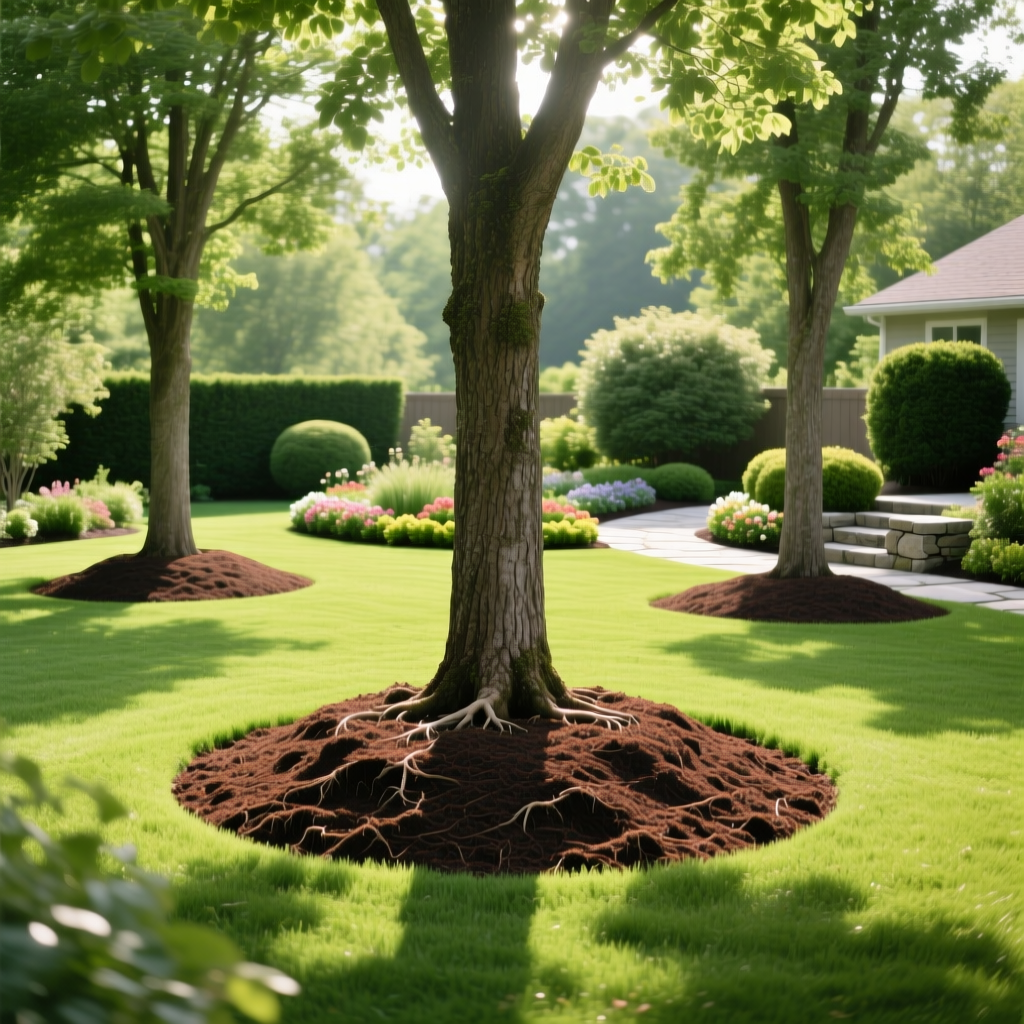
Proper Tree Mulching Techniques: How to Avoid Volcano Mulching
Emily WatsonPublished
Mulching is one of the most beneficial practices you can implement for the health and longevity of your landscape trees. In a natural forest environment, trees are surrounded by a rich, decomposing layer of leaves, twigs, and organic matter that protects the soil, retains moisture, and provides a steady supply of nutrients. In our manicured yards and urban environments, we must replicate this forest floor to help our trees thrive. However, not all mulching practices are created equal. In fact, one of the most common landscaping trends is actively harming millions of trees every single day.
When driving through suburban neighborhoods or commercial parks, you have likely noticed a ubiquitous landscaping trend: a towering mound of dark wood chips piled high against the trunk of a tree, resembling a miniature volcano. While this practice, commonly known as volcano mulching, might look neat and intentional to the untrained eye, it is one of the most detrimental habits in modern arboriculture. To understand why this technique is so harmful, and to learn the proper tree mulching techniques that will ensure your trees live long, healthy lives, we must first examine the biological needs of a tree and the delicate ecosystem that exists at the soil line.
The Anatomy of the Tree Base & The Dangers of Volcano Mulching
To understand why volcano mulching is so dangerous, you must first understand the anatomy of the base of a tree. Where the trunk meets the ground, there is a crucial transitional zone known as the root flare or root collar. This is the area where the trunk widens and transitions into the primary structural roots. The root flare is designed to be exposed to the air and the elements. The bark on the trunk of a tree is fundamentally different from the tissue of the roots; it is designed to protect the tree from airborne pathogens, temperature extremes, and physical damage, but it is not adapted to constant moisture and darkness.
Volcano mulching occurs when mulch is piled directly against the trunk of the tree, covering the root flare and sometimes extending a foot or more up the trunk. This creates a hostile environment for the tree for several reasons:
- Bark Decay and Fungal Infections: Tree bark needs to breathe. When buried under a thick, moist layer of mulch, the bark begins to soften, rot, and decay. This compromises the tree's natural defenses, allowing fungal pathogens and wood-boring insects to easily penetrate the vascular system. If you notice signs of fungal growth or bark sloughing off, it may be time to review our guide on common tree diseases to identify the specific threat.
- Oxygen Deprivation (Hypoxia):strong> The fine, feeder roots responsible for absorbing water and nutrients require a steady supply of oxygen from the soil. A massive mound of compacted mulch acts as a barrier, preventing gas exchange and essentially suffocating the root system.
- Girdling Roots: When the trunk is kept constantly moist by piled mulch, the tree may sprout adventitious roots from the trunk itself. These secondary roots grow into the mulch and eventually wrap around the main trunk or structural roots. As the tree grows, these girdling roots act like a tourniquet, cutting off the flow of water and nutrients, which can eventually kill the tree.
- Pest Habitat: A warm, moist pile of mulch against the trunk is an irresistible invitation for rodents, voles, and insects. Voles will often chew on the tender, hidden bark beneath the mulch during the winter months, girdling the tree without the homeowner ever noticing until the tree suddenly dies the following spring.
Proper Tree Mulching Techniques & Care Requirements
Now that we understand the severe consequences of improper mulching, it is time to explore the correct methodology. Proper mulching mimics the natural forest floor, providing all the benefits of organic matter without compromising the structural integrity of the trunk. Arborists universally recommend the '3-3-3 Rule' for mulching trees. This simple mnemonic device ensures that your trees receive optimal care without the risk of suffocation or decay.
The 3-3-3 Rule of Mulching
- 3 Inches Deep: The mulch layer should never exceed three inches in depth. A layer this thick is sufficient to suppress weeds, retain soil moisture, and moderate soil temperature, while still allowing oxygen to penetrate the soil and reach the feeder roots.
- 3 Feet Wide: The mulch ring should extend at least three feet out from the trunk in all directions. Ideally, the mulch ring should extend to the tree's drip line (the outer edge of the canopy), but a three-foot minimum is a practical starting point for most residential landscapes.
- 3 Inches from the Trunk: This is the most critical step. You must leave a gap of at least three inches between the base of the trunk and the mulch. The root flare must remain completely visible and exposed to the air. The final shape of the mulch bed should resemble a flat donut, not a mountain.
Step-by-Step Application Guide
Before laying down new mulch, proper preparation of the site is essential. First, define the edge of your mulch bed using a sharp spade or an edging tool. Next, remove any existing grass, weeds, or old, matted mulch from the area. Grass growing right up to the trunk competes heavily with the tree for water and nutrients. For effective removal strategies that won't harm your tree's shallow roots, consult our weed control basics guide.
Once the soil is bare, loosen the top inch of soil gently to encourage water infiltration. Apply your chosen organic mulch evenly, keeping it away from the trunk. Finally, water the mulch bed thoroughly. This settles the mulch, prevents it from blowing away, and initiates the decomposition process that feeds the soil microbiome.
Choosing the Right Mulch: Organic vs. Inorganic
The type of mulch you select plays a massive role in the long-term health of your soil and your trees. Organic mulches are derived from plant materials and break down over time, enriching the soil with essential nutrients and fostering beneficial mycorrhizal fungi. Inorganic mulches, such as rubber chips or landscape fabric topped with stone, do not break down and offer no nutritional value.
Best Organic Mulches for Trees:
- Shredded Hardwood Bark: This is the gold standard for tree mulch. It interlocks slightly, which prevents it from washing away during heavy rains, and it decomposes at a moderate rate, providing a steady release of nutrients.
- Pine Bark Nuggets: Excellent for acid-loving trees, pine bark is long-lasting and provides great aeration. However, large nuggets can wash away on sloped terrain.
- Arborist Wood Chips: Often available for free from local tree care companies, raw wood chips are fantastic for soil biology. They contain a mix of wood, bark, and leaves, mimicking the forest floor perfectly. Contrary to popular myth, they do not rob the soil of nitrogen when used as a surface dressing.
- Composted Leaves (Leaf Mold):strong> A highly sustainable and nutrient-dense option that excels at improving soil structure and moisture retention.
Materials to Avoid:
Avoid using rubber mulch, as it can leach toxic chemicals into the soil and does not support soil ecology. Avoid using fresh, uncomposted grass clippings in thick layers, as they form a slimy, impermeable mat that blocks oxygen and generates excessive heat as they rapidly decompose. Furthermore, avoid 'sour mulch'—mulch that has been piled too high in large commercial heaps and deprived of oxygen, which produces harmful acetic acid that can burn tree roots and foliage.
Integrating Mulching with Tree Pruning & Canopy Management
Mulching does not exist in a vacuum; it is part of a holistic tree care system that includes proper watering, soil management, and structural pruning. The relationship between the canopy above ground and the root zone below ground is deeply interconnected. When you perform canopy reduction or structural pruning, you alter the tree's transpiration rate and its overall demand for water and nutrients.
After significant pruning, a tree's root system may temporarily have more capacity to absorb water than the reduced canopy can utilize. A proper mulch ring helps regulate soil moisture, preventing the roots from sitting in waterlogged soil while the tree adjusts to its new canopy size. Furthermore, maintaining a wide, properly mulched bed protects the critical root zone from soil compaction caused by foot traffic or heavy equipment during landscaping projects.
Pruning also allows more dappled sunlight to reach the ground. If your mulch ring is too small, this new sunlight will simply encourage aggressive weed growth right at the base of the tree. By expanding your mulch ring to match the drip line of the pruned canopy, you suppress weeds and protect the tree's most active feeder roots, which typically reside in the top 12 inches of soil near the drip line. For more information on how to balance your tree's structure, review our comprehensive pruning basics guide.
Turf vs. Trees: Balancing Lawns & Mulch Rings
One of the greatest challenges in residential landscaping is the eternal battle between turfgrass and trees. In nature, trees and grass rarely coexist in the same immediate space. Trees dominate the forest, dropping leaves that smother grass, while grasses dominate the prairies where tree seedlings cannot establish. When we force them to grow together in our yards, we create a high-stress environment for both.
Grass is an aggressive competitor for water and surface nutrients. When turf is allowed to grow directly against the trunk of a tree, the tree's fine feeder roots are forced to grow deeper to find moisture, making them more vulnerable to drought stress. Furthermore, maintaining grass around a tree introduces a severe physical threat: string trimmer blight. The repeated use of nylon string trimmers against the base of a tree slices through the bark and damages the cambium layer. Over time, this girdling damage cuts off the tree's vascular system, leading to a slow, inevitable decline.
A wide, properly applied mulch ring acts as a physical buffer zone. It eliminates the need to mow or trim near the vulnerable trunk, protecting the bark from mechanical damage. When mowing near the edge of the mulch bed, be sure to use proper techniques to avoid scalping the lawn or throwing debris into the tree canopy. You can find excellent advice on protecting your landscape edges in our mowing tips article.
Seasonal Mulching Tips for Year-Round Tree Health
Tree care is a year-round endeavor, and your mulching strategy should adapt to the changing seasons to provide maximum protection and benefit to your trees.
Spring: Refreshing and Inspecting
Spring is the ideal time to evaluate your mulch beds. Winter weather and natural decomposition will have reduced the depth of your mulch layer. Rake the existing mulch to break up any hydrophobic crusts that may have formed, which can repel spring rains. Add a fresh, thin layer of organic mulch to bring the depth back up to the recommended three inches. This is also the perfect time to inspect the root flare for any signs of girdling roots or rodent damage that occurred over the winter.
Summer: Moisture Retention and Temperature Control
During the heat of summer, the primary role of mulch is moisture conservation and soil cooling. Unmulched soil can reach temperatures that are lethal to fine feeder roots. A proper layer of organic mulch acts as an insulator, keeping the root zone significantly cooler than the ambient air temperature. Ensure that your mulch ring is adequately watered during drought periods; dry mulch can actually wick moisture away from the soil.
Autumn: Nutrient Cycling and Winter Prep
Fall is a fantastic time to utilize fallen leaves as mulch. Instead of bagging and discarding your autumn leaves, shred them with a lawnmower and spread them around your trees. This mimics the natural nutrient cycle of a forest. As the leaves break down over the winter, they release vital micronutrients back into the soil, feeding the tree just as it begins to store energy for the following spring's growth flush.
Winter: Freeze-Thaw Protection
In climates with harsh winters, mulch plays a vital role in preventing frost heaving. The constant freezing and thawing of bare soil can push shallow roots out of the ground, exposing them to freezing, drying winds. A thick layer of mulch insulates the soil, maintaining a more consistent temperature and preventing the destructive freeze-thaw cycle. For more comprehensive seasonal yard management, check out our seasonal lawn and yard care guide.
Remediation: How to Fix a Volcano-Mulched Tree
If you have inherited a property with volcano-mulched trees, or if you have unknowingly practiced this technique in the past, it is not necessarily too late to save your trees. The process of correcting this issue is known as root collar excavation or root flare excavation.
Begin by carefully pulling the mulch away from the trunk using your hands or a hand trowel. Avoid using sharp shovels near the trunk, as you can easily slice into the critical structural roots. As you excavate, you will likely uncover a moist, decaying layer of bark and possibly a network of adventitious girdling roots. If you find roots wrapping around the main trunk, they must be carefully pruned away using sterilized, sharp bypass pruners. Continue excavating outward until you have fully exposed the root flare and the primary structural roots. Once the flare is exposed and the girdling roots are removed, reapply a proper, flat layer of mulch, ensuring the three-inch gap around the trunk is strictly maintained. This single act of remediation can add decades to the life of a compromised tree.
Frequently Asked Questions
How often should I replace or refresh tree mulch?
Organic mulch decomposes continuously, enriching the soil but losing its physical volume. You generally do not need to remove old mulch unless it has become heavily matted, fungal-ridden, or contaminated with weeds. Instead, simply rake the existing mulch to fluff it up and restore its porosity, and add a fresh one-inch layer on top once a year—typically in the spring—to maintain the optimal three-inch depth. Constantly adding thick layers of new mulch without removing the old is a common mistake that leads back to the dangers of volcano mulching.
Can I use grass clippings or leaves as tree mulch?
Yes, but with important caveats. Fallen autumn leaves are excellent mulch, especially if they are shredded first to prevent them from forming a thick, water-repellent mat. Grass clippings can also be used, but they must be applied in very thin layers and allowed to dry. Thick, wet layers of grass clippings will undergo rapid anaerobic decomposition, generating intense heat and ammonia gas that can severely burn the trunk and roots of your tree. Never use grass clippings that have been treated with broadleaf herbicides, as these chemicals can persist and damage your trees.
Does mulch attract termites or pests to my home?
This is a common concern for homeowners. While termites do feed on wood and cellulose, the wood chips used in landscape mulch are generally not their preferred food source, especially if the mulch is kept moist and actively decomposing. Termites prefer solid, dry structural timber. However, piling mulch against the siding of your home can provide a hidden bridge for pests to bypass your home's termite treatment barriers. Always maintain a six-inch gap between any mulch bed and the foundation of your house. Regarding trees, keeping the mulch away from the trunk is the best way to deter rodents and boring insects from taking up residence in the bark.
What is the best type of mulch for newly planted trees?
For newly planted trees, a coarse, shredded hardwood bark or arborist wood chips are ideal. These materials allow for excellent water infiltration and gas exchange, which are critical for a young tree trying to establish its root system. Avoid using fine, heavily processed mulches or dyed mulches around young trees, as they can compact easily and sometimes contain chemical residues from the dyeing process. Proper mulching is just one step in ensuring the survival of young trees; be sure to follow our complete guide on planting new trees for watering and staking advice.
How do I know if my tree has been damaged by improper mulching?
Signs of mulch-induced damage often appear in the canopy before they are noticed at the base. Look for premature autumn coloration, smaller than normal leaves, dieback at the tips of the branches, or a general thinning of the canopy. At the base of the tree, the trunk may look like a telephone pole going straight into the ground, lacking the natural widening of the root flare. You may also notice fungal fruiting bodies (mushrooms) growing at the base of the trunk, or see sawdust-like frass indicating the presence of bark-boring insects. If you spot these signs, immediate root collar excavation is required to save the tree.