
Tree Care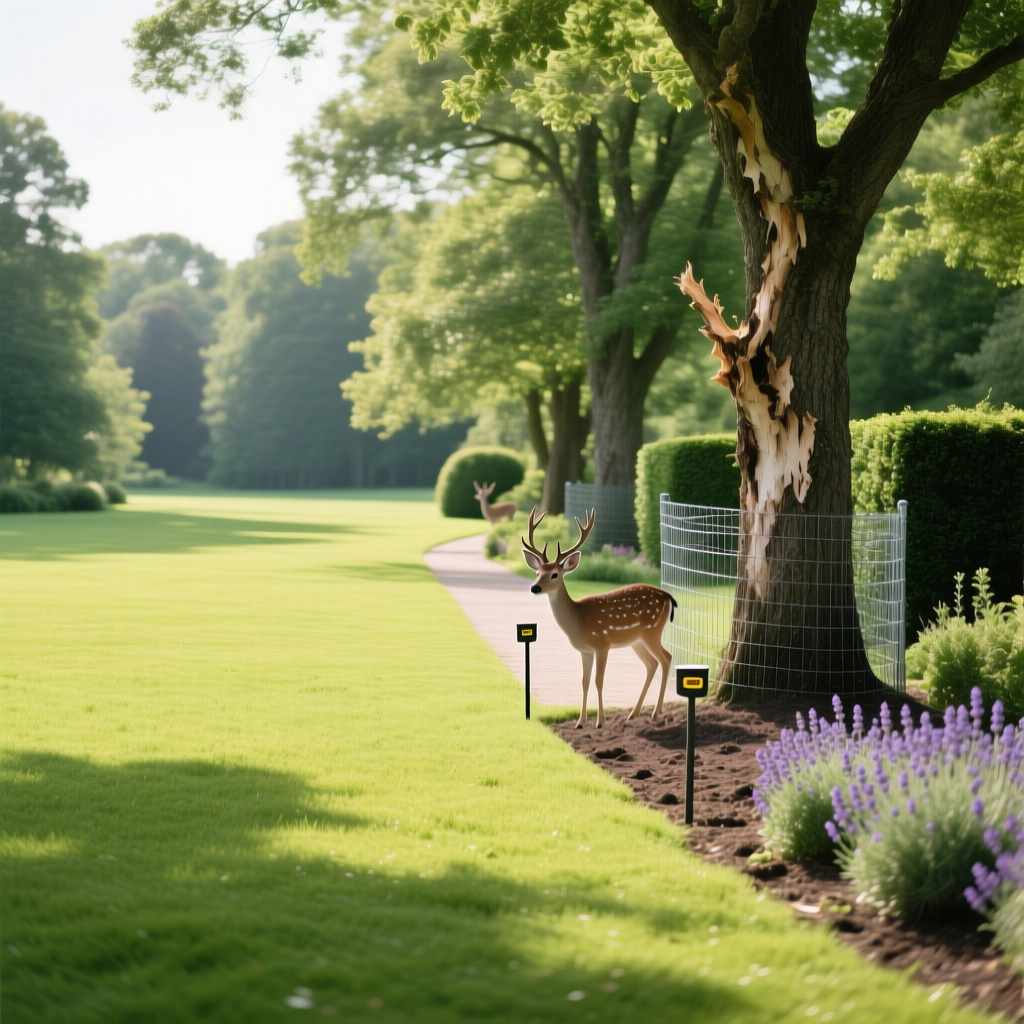
How to Protect Trees from Deer Damage: Barriers,
How to Protect Trees from Deer Damage: Barriers, Repellents & Proven Strategies
Deer can be one of the most frustrating threats to a healthy, thriving landscape. While they may look graceful and harmless as they wander through your yard, the damage they leave behind on trees and shrubs tells a very different story. From stripped bark to broken branches and browsed foliage, deer damage can set your landscape back by years and cost hundreds or even thousands of dollars in replacement and repair costs.
Understanding why deer target certain trees, recognizing the signs of damage, and implementing a comprehensive protection strategy are essential steps for any homeowner living in or near deer-populated areas. Whether you are dealing with a small suburban yard or a sprawling rural property, this guide will walk you through every effective method for safeguarding your trees against deer, including physical barriers, chemical and natural repellents, strategic planting, and long-term landscape management.
If you are also working to maintain a healthy, vibrant yard overall, be sure to explore our lawn care guides for complementary tips on keeping your entire landscape in top shape.
Understanding Deer Behavior and Why They Damage Trees
Before you can effectively protect your trees, it is important to understand the behaviors that drive deer to cause damage in the first place. Deer interact with trees in several distinct ways, and each type of damage requires a slightly different approach to prevention.
Browsing
Browsing is the most common form of deer damage. Deer feed on the leaves, twigs, buds, and shoots of trees and shrubs, particularly during the fall and winter months when other food sources become scarce. Young trees are especially vulnerable because their tender new growth sits within easy reach of a deer's mouth. A single deer can consume several pounds of vegetation per day, and a group of deer can strip a young tree bare in a matter of hours.
Bark Rubbing (Fraying)
During the fall rutting season, male deer rub their antlers against the trunks of trees to remove the velvet coating and to mark their territory. This behavior strips away the outer bark and can damage the cambium layer beneath, which is critical for the tree's ability to transport water and nutrients. Small-diameter trees, typically those between one and four inches thick, are the most common targets for rubbing. Severe rubbing can girdle a tree entirely, cutting off its nutrient supply and eventually killing it.
Trampling and Soil Compaction
Deer trails through wooded and landscaped areas can lead to soil compaction around the root zones of trees. Compacted soil restricts water infiltration, reduces oxygen availability to roots, and can lead to a gradual decline in tree health over time. While this type of damage is less immediately dramatic than browsing or rubbing, it can be just as harmful in the long run.
Which Trees Are Most at Risk?
Deer have preferences when it comes to feeding, and certain tree species are more attractive to them than others. Trees that deer commonly browse include arborvitae, yew, fruit trees, maples, and many ornamental shrubs. Trees that tend to be less palatable include spruce, pine (mature needles), birch, ginkgo, and bald cypress. However, it is important to note that a hungry deer will eat almost anything when food is scarce, so even "deer-resistant" trees are not completely immune.
For more information on selecting the right trees for your landscape, check out our tree care resources and guides on choosing species that thrive in your region.
Physical Barriers: The Most Reliable Protection Method
Physical barriers are widely considered the most effective and dependable method for protecting trees from deer damage. While they require an initial investment of time and materials, they provide consistent protection without the need for reapplication or monitoring. Here are the most common and effective barrier types.
Tree Guards and Trunk Protectors
Tree guards are cylindrical sleeves that wrap around the trunk of a tree to prevent bark rubbing and browsing of lower branches. They are available in several materials:
- Plastic spiral guards: These are inexpensive, easy to install, and expand as the tree grows. They are ideal for young saplings and newly planted trees.
- Wire mesh cylinders: Hardware cloth or welded wire mesh formed into a cylinder around the trunk provides excellent protection against both rubbing and browsing. Use 14-gauge or heavier wire and secure it with stakes for stability.
- Burlap wraps: Wrapping the trunk in burlap during the winter months can protect against rubbing and also helps prevent winter sunscald. This is a good option for those who prefer natural materials.
- Corrugated plastic drainpipe: A section of perforated drainpipe slit lengthwise and placed around the trunk creates a rigid, durable guard that can last for several seasons.
When installing any trunk guard, ensure there is a gap of at least two to three inches between the guard and the trunk to allow for air circulation and growth. Check guards regularly to make sure they are not constricting the tree or harboring pests underneath.
Fencing: The Gold Standard
Fencing is the single most effective way to keep deer away from your trees and your entire landscape. The key consideration is height, as deer are powerful jumpers.
- Standard deer fencing: A fence that is at least eight feet tall is generally required to prevent deer from jumping over it. Woven wire, welded wire, and high-tensile electric fencing are all effective options.
- Slanted or angled fencing: A fence that angles outward at approximately 45 degrees can be effective at a lower height of six to seven feet because deer have difficulty judging the depth and are reluctant to jump over an obstacle that appears wider than it is tall.
- Double fencing: Two parallel fences, each about four to five feet tall and spaced four to five feet apart, can deter deer because they cannot clear both fences in a single bound and are reluctant to jump into the narrow space between them.
- Polypropylene mesh fencing: This nearly invisible fencing material is lightweight, easy to install, and less visually obtrusive than wire fencing. It is available in rolls and can be attached to wooden or metal posts. Deer can see it well enough to avoid it, but it blends into the landscape from a distance.
For protecting individual trees or small groups of trees, you do not necessarily need to fence your entire property. A small enclosure around a specific planting area or a circular fence around a specimen tree can be highly effective and much more affordable.
Individual Tree Cages
For young or newly planted trees, building a cage from wire mesh or rebar and mesh panels provides 360-degree protection. The cage should be tall enough to extend above the expected snow line and wide enough to allow several feet of clearance around the tree on all sides. Secure the cage with metal stakes driven firmly into the ground to prevent deer from pushing it over or reaching underneath.
Properly staking and protecting young trees is critical during their establishment period. Learn more about planting and establishing new trees in our detailed planting guides.
Deer Repellents: Chemical and Natural Options
Repellents work by making trees taste bad, smell unpleasant, or both, discouraging deer from feeding on them. While they are not as foolproof as physical barriers, repellents can be a valuable component of a broader protection strategy, especially when used in rotation and combination.
Types of Repellents
Deer repellents fall into several broad categories based on their active ingredients and mode of action:
- Taste-based repellents: These products contain bittering agents such as denatonium benzoate, capsaicin (hot pepper extract), or thiram that make foliage unpalatable. They must be applied directly to the leaves, twigs, and bark that deer are likely to browse.
- Odor-based repellents: These products use strong smells to deter deer from approaching. Common active ingredients include putrescent egg solids, garlic oil, predator urine (coyote or fox), and blood meal. Odor-based repellents are often applied to the tree itself or to cotton balls, fabric strips, or dispensers hung from branches.
- Combination repellents: Many commercial products combine both taste and odor deterrents for broader effectiveness. These tend to be the most reliable repellent options available.
- Systemic repellents: Some products are applied to the soil and absorbed by the tree's root system, making the entire plant unpalatable from the inside out. These are typically used for shrubs and smaller trees and may require professional application.
DIY and Natural Repellent Recipes
For homeowners who prefer a hands-on approach, several homemade repellent recipes can be effective:
- Egg and water spray: Blend two to three raw eggs with a gallon of water, strain the mixture, and spray it onto foliage. The sulfur compounds in decomposing egg produce an odor that deer find offensive. Reapply after rain.
- Hot pepper spray: Mix two tablespoons of cayenne pepper or hot sauce with a gallon of water and a few drops of dish soap (to help the mixture adhere to leaves). Spray liberally on foliage and bark.
- Garlic spray: Blend several cloves of garlic with water, strain, and apply. The strong scent masks the attractive smell of the tree and deters deer.
- Soap bars: Hanging strongly scented bar soap (tallow-based soaps work best) in mesh bags from tree branches can create a scent barrier. Replace the soap bars every few weeks or after heavy rain.
- Human hair: Some gardeners report success placing clumps of human hair in mesh bags around trees. The human scent may signal danger to deer, though effectiveness varies widely.
Application Tips for Maximum Effectiveness
To get the best results from any repellent, follow these guidelines:
- Start early: Begin applying repellents before deer develop a habit of browsing on your trees. It is much easier to prevent a behavior than to break an established pattern.
- Rotate products: Deer can become habituated to a single repellent over time. Rotate between two or three different products with different active ingredients to maintain effectiveness.
- Reapply regularly: Most repellents need to be reapplied every three to four weeks, and always after significant rainfall. New growth that emerges after application will also need to be treated.
- Apply before dusk: Deer are most active at dawn and dusk, so applying repellents in the late afternoon ensures the strongest scent and taste when deer are most likely to visit.
- Cover all vulnerable parts: Make sure to treat the lower branches, trunk, and any new growth. Deer will simply browse untreated areas if they are available.
Keeping your trees healthy and vigorous is another important part of pest and wildlife resistance. Explore our tree fertilization guides to ensure your trees are growing strong enough to recover from any minor damage that does occur.
Strategic Planting and Landscape Design for Deer Resistance
One of the most effective long-term strategies for reducing deer damage is to design your landscape with deer behavior in mind. By selecting less palatable tree species, using strategic placement, and incorporating natural deterrents into your planting plan, you can create a beautiful landscape that deer are less inclined to damage.
Deer-Resistant Tree Species
While no tree is completely deer-proof, the following species are generally less attractive to deer and can reduce the likelihood of damage:
- Evergreens: Colorado blue spruce, Norway spruce, Eastern red cedar, and most mature pines tend to be avoided due to their tough, resinous needles.
- Deciduous trees: Ginkgo biloba, river birch, bald cypress, American holly, paperbark maple, and serviceberry are often passed over by browsing deer.
- Ornamental trees: Japanese maple, crape myrtle, vitex, and smoke tree are generally less preferred.
Conversely, avoid planting deer favorites near the edges of your property or in areas where deer traffic is heavy. Arborvitae, yew, fruit trees, American elm, and many roses are essentially deer candy and will attract them into your landscape.
Layered Planting and Buffer Zones
Create a layered landscape design that places deer-resistant plants on the outer edges of your property and more vulnerable species closer to your home, where deer are less likely to venture. A buffer zone of dense, thorny, or strongly scented shrubs along property lines can also discourage deer from entering. Good options for buffer plantings include barberry, rugosa rose, boxwood, and butterfly bush.
Companion Planting with Deer-Deterrent Plants
Surrounding your trees with plants that deer dislike can provide an additional layer of protection. Aromatic herbs such as lavender, rosemary, sage, mint, and thyme produce strong scents that mask the smell of more appealing plants. Alliums, daffodils, foxglove, and poppies contain compounds that deer find unpalatable and can be planted around the base of vulnerable trees.
For more ideas on integrating trees into a well-designed landscape, visit our landscaping guides for inspiration and practical advice.
Seasonal Protection Strategies and Ongoing Maintenance
Deer pressure on your trees changes throughout the year, and your protection strategy should adapt accordingly. Here is a season-by-season breakdown of what to focus on.
Spring
Spring brings a flush of tender new growth that is extremely attractive to deer. This is a critical time to apply taste-based repellents to new foliage and to inspect any fencing or guards that may have shifted or been damaged over the winter. Remove winter burlap wraps and check trunks for any signs of rubbing damage that occurred during the rut. If damage is found, do not apply wound sealant; instead, allow the tree to heal naturally and keep the area clean to prevent infection. Spring is also a good time to assess whether any trees need pruning to remove damaged branches.
Summer
Deer pressure is often lower in summer when natural food sources are abundant. However, irrigated landscapes with lush, green foliage can still attract deer during dry periods. Continue to monitor for browsing and reapply repellents as needed. Summer is a good time to evaluate the effectiveness of your protection measures and make plans for any fencing or planting changes before the high-pressure seasons arrive.
Fall
Fall is the most critical season for tree protection. As natural food sources decline, deer increasingly turn to landscape plants. The rutting season also begins, bringing the threat of bark rubbing. Install or inspect trunk guards before the rut begins, typically in early to mid-fall. Apply long-lasting repellents and ensure all fencing is secure and in good repair. If you are wrapping trees in burlap for winter protection, this is the time to do it.
Winter
Winter is when deer damage is often most severe. Food scarcity drives deer to browse on whatever is available, and snow cover can push them closer to homes and into yards in search of food. Maintain repellent applications as weather allows, and check physical barriers after heavy snow or wind events. If you live in an area with heavy snowfall, ensure that tree guards extend above the expected snow line, as deer will stand on packed snow to reach higher branches.
Monitoring and Maintenance Checklist
Regardless of the season, regular monitoring is essential. Walk your property at least once a week and look for:
- Fresh browsing marks on leaves, twigs, and buds
- Rub marks or stripped bark on trunks
- Deer tracks, droppings, or trails near vulnerable trees
- Damage to fencing, guards, or repellent dispensers
- Signs of stress in trees, such as yellowing leaves, dieback, or reduced growth
Early detection of damage allows you to respond quickly and adjust your protection strategy before the problem escalates. Healthy, well-maintained trees are also better able to recover from any damage that does occur, so continue to follow best practices for watering, mulching, and soil care.
Frequently Asked Questions
What is the single most effective way to stop deer from damaging my trees?
The most effective single method is installing a physical barrier, specifically an eight-foot-tall fence around the area you want to protect. Fencing provides consistent, round-the-clock protection that does not depend on weather conditions, reapplication schedules, or deer behavior patterns. For individual trees, a wire mesh cage or sturdy trunk guard is the next best option. While repellents and deer-resistant plantings are valuable complementary strategies, they are most effective when used alongside physical barriers rather than as standalone solutions.
How do I repair a tree that has already been damaged by deer rubbing?
If a tree has been damaged by antler rubbing, the first step is to assess the extent of the damage. If less than half of the trunk's circumference has been stripped, the tree has a good chance of recovery. Use a clean, sharp knife to carefully trim away any loose or jagged bark around the wound, creating smooth edges that will heal more easily. Do not apply paint, tar, or wound sealant, as these can trap moisture and promote rot. Keep the tree well-watered and fertilized to support its natural healing process. If the damage encircles more than half of the trunk, the tree may be girdled and could require removal. Consulting a certified arborist is recommended for severe damage.
Are deer repellents safe for my trees, pets, and children?
Most commercially available deer repellents are safe for use on trees and around people and pets when used according to the label directions. Taste-based repellents made from capsaicin or bittering agents are generally non-toxic, and odor-based repellents made from egg solids, garlic, or essential oils are also considered safe. However, some products containing thiram or other fungicidal compounds should be used with more caution, and you should always wear gloves and eye protection when applying any chemical product. Keep pets and children away from treated areas until the spray has dried completely. If you have concerns about a specific product, consult the manufacturer's safety data sheet or speak with your local extension office.
How tall does a deer fence need to be to actually work?
A standard deer fence should be at least eight feet tall to reliably prevent deer from jumping over it. White-tailed deer can clear fences up to about eight feet when motivated, so going taller provides an additional margin of safety. If an eight-foot fence is not practical or aesthetically acceptable, consider a slanted fence design that angles outward at 45 degrees, which can be effective at six to seven feet because deer have difficulty judging the obstacle's depth. A double-fence setup with two shorter fences spaced a few feet apart is another effective alternative that can use fences as low as four to five feet.
Can I use motion-activated sprinklers or lights to scare deer away from my trees?
Motion-activated sprinklers and lights can provide short-term deterrence, but deer are highly adaptable animals and typically become habituated to these devices within a few weeks. They can be useful as a temporary measure or as one element of a multi-layered strategy, but they should not be relied upon as a primary protection method. If you choose to use them, move the devices to different locations periodically and combine them with other deterrents such as repellents or physical barriers for the best results. Motion-activated sprinklers tend to be more effective than lights because the sudden burst of water provides a stronger negative stimulus.
