Tree Care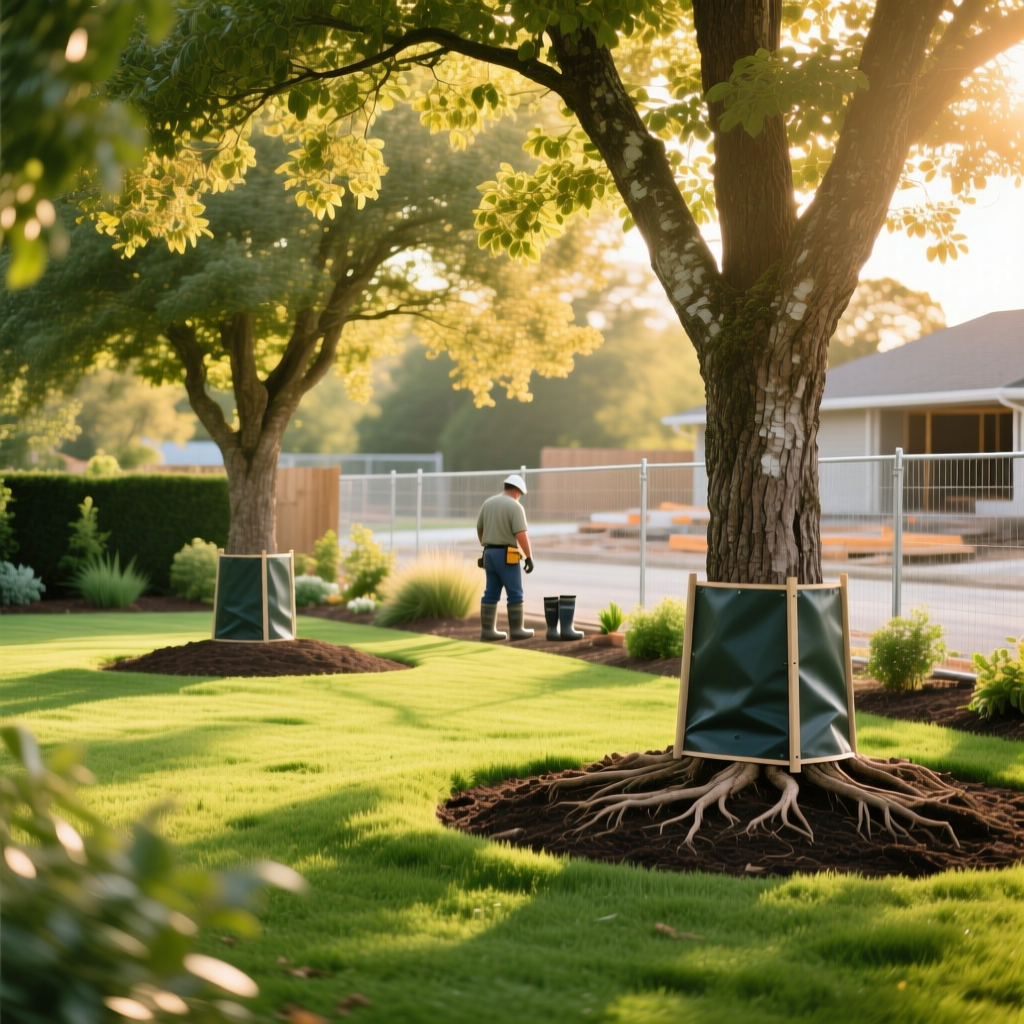
How to Protect Trees During Home Construction & Renovation Projects
Robert HayesPublished
How to Protect Trees During Home Construction & Renovation Projects
Home construction and renovation projects can be exciting milestones for any homeowner. Whether you are adding a new wing to your house, building a detached garage, installing a patio, or completely remodeling your outdoor living space, these improvements add value and comfort to your property. However, amidst the excitement of blueprints, contractor meetings, and material selections, the mature trees on your property are often overlooked — and they are among the most vulnerable elements of your landscape during any building project.
Mature trees can take decades to establish, yet they can suffer irreversible damage in a matter of days if proper precautions are not taken during construction. Root damage, soil compaction, grade changes, and mechanical injuries from heavy equipment can all compromise a tree's health, sometimes leading to a slow decline that may not become apparent for several years. The good news is that with thoughtful planning and proactive tree care strategies, you can protect your valuable trees throughout any construction or renovation project.
This comprehensive guide covers everything you need to know about safeguarding your trees during home improvement projects, from establishing protective zones and managing soil health to proper pruning techniques and post-construction recovery. For more general information about maintaining a healthy landscape, explore our tree care resources and lawn care guides to keep your entire yard thriving.
Establishing Tree Protection Zones Before Construction Begins
The single most important step you can take to protect your trees during construction happens before a single piece of equipment arrives on your property. Establishing a Tree Protection Zone (TPZ) — sometimes called a Critical Root Zone — creates a physical boundary around each tree that limits construction activity, material storage, and equipment traffic in the areas where the tree's root system is most active and vulnerable.
Understanding the Critical Root Zone
A tree's root system extends far beyond what most people imagine. While the visible canopy gives you some indication of the tree's spread, the critical root zone is typically calculated as one foot of radius for every inch of trunk diameter measured at breast height (approximately 4.5 feet above the ground). For example, a mature oak with a 24-inch trunk diameter would have a critical root zone extending roughly 24 feet from the trunk in all directions.
However, this is a minimum guideline. Many tree species have root systems that extend two to three times the width of their canopy drip line. The most vital roots — those responsible for water and nutrient uptake — are concentrated in the top 12 to 18 inches of soil and typically extend well beyond the drip line. Understanding this underground architecture is essential for setting appropriate protection boundaries.
Installing Physical Barriers
Marking a protection zone with spray paint or flags is not sufficient. Construction crews, delivery trucks, and material suppliers need clear, physical barriers that are impossible to ignore. Install sturdy fencing — chain-link or high-visibility construction fencing — around the entire TPZ of every tree you intend to protect. The fence should be at least six feet tall and securely anchored so it cannot be easily moved or knocked over.
Post clear signage on all sides of the fencing that reads "Tree Protection Zone — No Entry, No Storage, No Dumping." Make sure all contractors, subcontractors, and delivery personnel understand the boundaries before work begins. Include tree protection requirements in your construction contracts so that all parties are legally aware of these restrictions.
Documenting Pre-Construction Tree Health
Before any work starts, have a certified arborist assess and document the health of every tree on your property. This documentation should include photographs, notes on existing damage or disease, canopy density ratings, and species identification. This baseline assessment serves two purposes: it helps your arborist recommend specific protections for each tree, and it provides evidence of pre-existing conditions should any disputes arise with contractors about tree damage.
For more information on assessing tree health and identifying potential issues, check out our guide to common tree diseases and treatments.
Preventing Soil Compaction and Root Damage During Construction
Soil compaction is arguably the most common and most damaging consequence of construction activity near trees. Healthy soil is a complex ecosystem filled with pore spaces that allow air, water, and nutrients to reach tree roots. When heavy equipment, foot traffic, or material storage compresses this soil, those pore spaces collapse, effectively suffocating the root system beneath.
The Hidden Danger of Soil Compaction
A single pass by a loaded dump truck can increase soil density enough to damage roots in the top 12 inches of soil. Once soil is compacted, it can take years for natural processes to restore its structure — and by then, the tree may already be in irreversible decline. Compacted soil prevents water infiltration, reduces oxygen availability to roots, limits nutrient uptake, and makes trees more susceptible to drought stress, disease, and pest infestations.
The symptoms of soil compaction damage often do not appear until two to five years after the construction event. Homeowners may notice crown dieback, reduced leaf size, premature fall coloration, or an increase in dead branches, but they rarely connect these symptoms to the construction project that happened years earlier. This delayed response is why prevention during construction is far more effective and less expensive than attempting to rehabilitate a declining tree afterward.
Strategies to Minimize Soil Compaction
The most effective strategy is the physical barrier system described above — simply keeping heavy equipment and foot traffic out of the TPZ eliminates the primary cause of compaction. However, in many construction projects, some encroachment into the root zone is unavoidable. In these cases, consider the following mitigation strategies:
- Mulch layers: Apply a 6-to-12-inch layer of coarse wood chip mulch over any root zone areas that might experience light foot traffic. The mulch acts as a cushion, distributing weight and reducing the pressure transferred to the soil below.
- Plywood or road mats: If equipment must cross a root zone area, lay down thick plywood sheets or specialized construction road mats to spread the load across a wider area and reduce point pressure on the soil.
- Designated traffic corridors: Work with your contractor to establish specific routes for equipment and foot traffic that minimize the total area of root zone impacted. It is better to concentrate traffic in a narrow, well-defined corridor than to allow random movement across a broad area.
- Limit access during wet conditions: Wet soil compacts far more easily than dry soil. Prohibit equipment movement across root zones after rain or irrigation events.
Protecting Against Grade Changes and Trenching
Construction projects frequently involve changes to the soil grade — adding fill soil to raise the ground level or excavating soil to lower it. Both scenarios can be devastating to trees. Adding even a few inches of fill soil over a tree's root zone can suffocate roots by cutting off oxygen supply. Conversely, removing soil through excavation can sever critical structural and feeder roots.
If grade changes are unavoidable near a protected tree, consult with your arborist about installing a retaining wall or aeration systems that maintain the original soil grade around the trunk while allowing grade changes beyond the critical root zone. For utility trenching, tunneling beneath the root zone at a depth of at least 18 to 24 inches is far less damaging than open-cut trenching through the root area. Root pruning, when absolutely necessary, should be performed by a certified arborist using clean, sharp tools to make smooth cuts that heal more quickly.
For additional guidance on maintaining healthy soil conditions for your entire landscape, visit our soil testing and amendments guide.
Pruning and Canopy Management for Construction Clearance
Construction projects often require clearance for equipment access, material staging, and the construction footprint itself. While protecting the root zone is the top priority, canopy management through proper pruning is frequently necessary to accommodate construction activity without causing long-term harm to the tree.
Timing Your Pruning Correctly
The timing of construction-related pruning is critical to tree health. As a general rule, the best time to prune most deciduous trees is during their dormant season — typically late fall through early spring, depending on your climate zone. Pruning during dormancy minimizes stress, reduces the risk of pest and disease entry through fresh wounds, and allows the tree to begin its natural healing process as growth resumes in spring.
However, construction schedules rarely align perfectly with ideal pruning windows. If pruning must occur during the growing season, limit the amount of canopy removed and ensure the tree receives adequate water to compensate for the stress. Never remove more than 25 percent of a tree's live canopy in a single season, as this significantly reduces the tree's ability to produce energy through photosynthesis and can trigger a stress response that makes the tree vulnerable to pests and diseases.
Proper Pruning Techniques for Construction Clearance
When pruning for construction clearance, follow these principles to minimize damage and promote rapid wound closure:
- Make clean cuts at branch collars: Never leave stubs or make flush cuts. The branch collar — the swollen area where a branch meets the trunk or a larger branch — contains specialized cells that help the tree seal off the wound. Cutting just outside this collar allows the tree to compartmentalize the wound effectively.
- Avoid topping: Topping — the practice of cutting large branches back to stubs — is one of the most harmful pruning practices. It creates large wounds that the tree cannot seal, stimulates weak, rapid growth, and drastically reduces the tree's energy-producing capacity. If height reduction is necessary, use proper crown reduction techniques that cut back to lateral branches of adequate size.
- Prioritize dead and damaged wood: Before removing live branches for clearance, remove all dead, diseased, or damaged wood. This improves tree health and may provide some of the clearance needed without removing live canopy.
- Use sharp, sanitized tools: Dull tools create ragged cuts that heal slowly and invite disease. Clean tools with a disinfectant solution between trees to prevent the spread of pathogens.
For a detailed walkthrough of proper pruning methods for different tree species, read our complete tree pruning guide.
Managing Root Pruning When Necessary
Sometimes construction requires cutting through roots that extend beyond the protection zone. Root pruning should always be approached with caution and ideally performed under the guidance of a certified arborist. As a general guideline, roots smaller than two inches in diameter can typically be pruned with minimal long-term impact, provided the total root mass removed does not exceed 25 percent of the root system. Larger structural roots should be avoided whenever possible, as their loss can compromise the tree's stability and create entry points for decay organisms.
After root pruning, backfill the trench promptly, water the area thoroughly, and apply a layer of mulch over the disturbed soil to retain moisture and regulate temperature. Monitor the tree closely for signs of stress in the months following root pruning.
Post-Construction Tree Recovery and Long-Term Monitoring
Once construction is complete, the work of protecting your trees is far from over. Trees that have experienced construction stress need careful monitoring and supportive care to recover and thrive in the years that follow. A proactive post-construction care plan can mean the difference between a tree that bounces back and one that enters a slow, irreversible decline.
Immediate Post-Construction Care
As soon as construction activity ceases and equipment leaves your property, begin the recovery process:
- Remove all debris and contaminants: Construction sites often leave behind concrete washout, paint, solvents, nails, and other debris that can contaminate the soil around your trees. Remove all foreign materials from the root zone area and flush the soil with clean water if chemical spills occurred.
- Restore mulch layers: Apply a fresh 2-to-4-inch layer of organic mulch — wood chips, shredded bark, or leaf mold — across the entire root zone. Keep the mulch a few inches away from the trunk to prevent moisture buildup and rot at the root flare. Mulch helps regulate soil temperature, retain moisture, suppress weeds, and gradually improve soil structure as it decomposes.
- Deep watering: Construction-stressed trees need consistent, deep watering to help them recover. Water slowly and deeply, allowing moisture to penetrate at least 12 to 18 inches into the soil. During the first growing season after construction, plan to water protected trees deeply once or twice per week, depending on rainfall and soil conditions.
- Avoid fertilization immediately: It may seem counterintuitive, but applying fertilizer to a stressed tree can actually do more harm than good. Fertilizer stimulates top growth, which increases the tree's demand for water and nutrients at a time when its root system may be compromised. Wait until the tree shows signs of recovery — typically one to two growing seasons — before applying any fertilizer, and always base fertilizer applications on a soil test.
Addressing Soil Compaction After the Fact
If soil compaction occurred despite your best prevention efforts, several remediation techniques can help restore soil structure and root health:
- Air spading: This technique uses compressed air to excavate and loosen compacted soil without damaging roots. An arborist can use an air spade to create radial trenches or a grid pattern within the root zone, which are then backfilled with a mix of compost and coarse organic material to maintain soil porosity.
- Vertical mulching: Drill holes 12 to 18 inches deep throughout the compacted root zone and fill them with a porous material such as pea gravel, perlite, or compost. These vertical channels allow air and water to penetrate deeper into the soil profile.
- Top-dressing with compost: Applying a thin layer of high-quality compost over the root zone and allowing it to gradually incorporate into the soil can improve soil biology and structure over time.
Long-Term Monitoring Schedule
Construction-related tree damage often takes years to manifest fully. Establish a monitoring schedule that includes visual inspections every three to four months for the first three years after construction. Look for these warning signs:
- Crown dieback — dead branches appearing in the upper canopy
- Reduced leaf size or sparse foliage compared to pre-construction
- Premature fall coloration or early leaf drop
- Epicormic sprouting — clusters of small shoots emerging from the trunk or large branches
- Fungal fruiting bodies (mushrooms) growing on the trunk or at the base
- Cracks in the trunk or major limbs
- Leaning or shifting of the tree, which may indicate root failure
If you notice any of these symptoms, contact a certified arborist promptly for a professional assessment. Early intervention can often save a declining tree, but delays may allow the problem to progress beyond the point of recovery. For guidance on identifying tree health problems, see our article on signs your tree may be dying.
Seasonal Considerations for Construction-Related Tree Protection
The season in which your construction project takes place significantly influences the type and severity of tree stress, as well as the protective measures you should prioritize. Understanding these seasonal dynamics helps you tailor your tree protection strategy to the specific challenges of each time of year.
Spring Construction and Tree Care
Spring is a period of intense biological activity for trees. Buds are breaking, leaves are expanding, and the vascular system is working at maximum capacity to transport water and nutrients from the roots to the growing canopy. Construction damage during spring is particularly harmful because the tree is investing enormous energy into new growth, and any disruption to its root system or vascular tissue can cause immediate and severe stress.
If your project proceeds in spring, prioritize root zone protection above all else. Ensure that irrigation is maintained throughout construction, as spring growth demands significant water. Avoid any pruning during bud break and early leaf expansion, as this is when trees are most vulnerable to pest entry through fresh wounds.
Summer Construction Challenges
Summer construction presents the dual challenge of heat stress and drought. Trees are already working hard to maintain their canopy during the hottest months, and any additional stress from construction can push them beyond their tolerance limits. Soil compaction during summer is particularly damaging because the compacted soil cannot hold adequate moisture, and the tree's water demand is at its peak.
During summer construction, increase the frequency and depth of watering for protected trees. Consider installing temporary shade structures over trees that are exposed to increased sunlight due to the removal of neighboring vegetation. Mulch applications are especially important during summer to keep root zone temperatures moderate and reduce water evaporation from the soil. Learn more about summer landscape care in our summer watering guide.
Fall and Winter Construction Advantages
Fall and winter are generally the most favorable seasons for construction projects near trees. Deciduous trees are dormant, their metabolic activity is minimal, and they are far more tolerant of root disturbance and pruning during this period. The cooler temperatures also reduce water demand and heat stress.
However, winter construction has its own challenges. Frozen ground is harder to work with, and thaw cycles can create muddy conditions that increase the risk of soil compaction from equipment. Additionally, evergreen trees remain active throughout the winter and still require protection from soil compaction and root damage. If your project takes place during fall or winter, take advantage of the dormancy window to perform any necessary pruning, but continue to enforce root zone protection and monitor soil moisture levels.
Frequently Asked Questions About Protecting Trees During Construction
How far from a tree should construction activity take place?
As a minimum guideline, construction activity should stay outside the tree's critical root zone, which is calculated as one foot of radius per inch of trunk diameter measured at breast height. For a tree with a 20-inch trunk, this means keeping all construction activity at least 20 feet from the trunk in all directions. However, for maximum protection, extend this zone to the full drip line of the canopy and beyond if possible. Larger, older, and more valuable trees warrant larger protection zones. A certified arborist can help you determine the appropriate protection radius for each tree on your property based on species, age, health, and soil conditions.
Can I save a tree if construction has already damaged its roots?
In many cases, yes — but the success of recovery depends on the extent of the damage, the overall health of the tree, and how quickly you begin remediation. Trees that have lost less than 25 percent of their root system can often recover with proper post-construction care, including deep watering, mulching, soil aeration, and patience. Trees that have lost more than 50 percent of their root system face a much more uncertain prognosis and may become hazardous as their structural stability declines. If you suspect root damage has occurred, have a certified arborist perform a thorough assessment, including a root collar excavation and possibly a resistograph test to evaluate internal decay. Visit our tree root care guide for more details on maintaining healthy root systems.
What types of trees are most vulnerable to construction damage?
While all trees can be damaged by construction, some species are notably more sensitive than others. Trees that are particularly vulnerable include mature oaks, beeches, sugar maples, dogwoods, and hemlocks. These species tend to have shallow root systems, are intolerant of soil compaction, and decline slowly after root zone disturbance, often showing symptoms years after the damage occurred. On the other hand, species such as silver maple, sycamore, elm, and some pines tend to be more tolerant of construction-related stress. However, even tolerant species have limits, and no tree is immune to severe root damage or grade changes. Regardless of species, proactive protection is always the best strategy.
Should I hire an arborist for my construction project?
Absolutely. If you have mature or valuable trees on your property and you are planning any construction or renovation project, hiring a certified arborist is one of the best investments you can make. A consulting arborist can survey your property before construction begins, identify trees worth protecting, design a tree protection plan, recommend specific fencing and signage requirements, and communicate these requirements to your contractor. During construction, the arborist can make periodic site visits to ensure compliance and address any unexpected issues. After construction, they can develop a recovery and monitoring plan. The cost of an arborist consultation is typically a small fraction of the cost of removing and replacing a mature tree that was damaged during construction — and a mature tree may be essentially irreplaceable in terms of the decades required to grow a new one to the same size.
How do I know if a tree is declining after construction?
Tree decline after construction can be subtle and gradual, which is why regular monitoring is so important. Key indicators include progressive dieback starting at the top of the canopy, a noticeable reduction in leaf size or density compared to previous years, premature autumn coloring or early leaf drop, an abundance of dead branches throughout the crown, the appearance of fungal growth on the trunk or at the base, and new sprouts emerging from the trunk or major limbs (a stress response called epicormic growth). These symptoms may not appear until two to five years after construction, which is why it is essential to maintain a monitoring schedule well beyond the completion of your project. If you observe any of these signs, consult a certified arborist promptly for a professional diagnosis and treatment recommendations. For more on identifying tree health issues, explore our tree care section for additional guides and resources.
Protecting your trees during home construction and renovation projects requires planning, communication, and consistent vigilance. By establishing clear protection zones, preventing soil compaction, using proper pruning techniques, and committing to long-term post-construction care, you can preserve the beauty, shade, and value that mature trees bring to your property for decades to come. Your trees have spent years — perhaps even generations — growing into the magnificent specimens that grace your landscape. A little foresight during your construction project ensures they will continue to thrive long after the last contractor has left your property.