Tree Care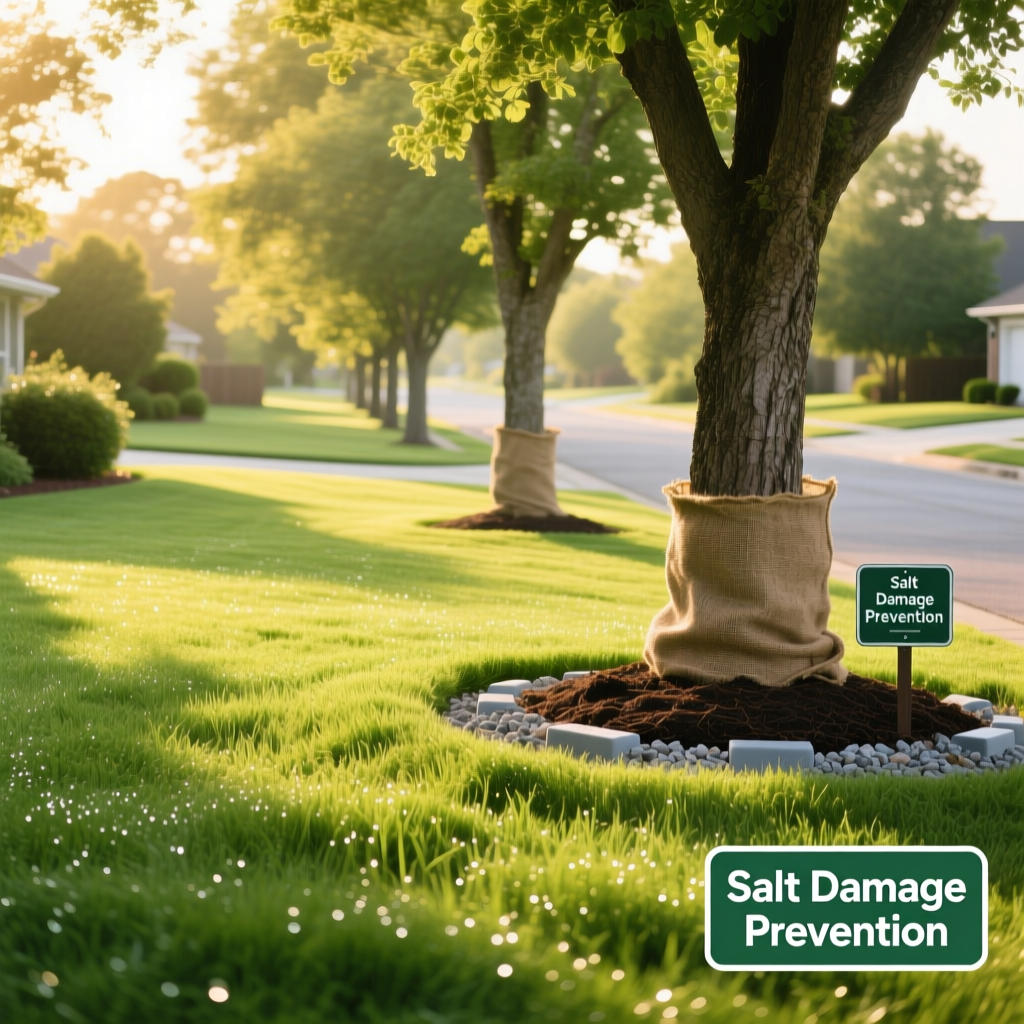
How to Protect Trees from Salt Damage Near Roads & Driveways
Anna KowalskiPublished
Trees lining roads, driveways, and walkways face a silent threat every winter: road salt. Sodium chloride and other de-icing salts are essential for keeping surfaces safe and navigable during icy months, but they can wreak havoc on nearby trees. Salt damage weakens trees over time, leading to stunted growth, dieback, and even premature death. If you have trees growing near salted surfaces, understanding how salt affects them and what you can do to protect them is critical for their long-term health.
Whether you are managing a suburban front yard with a salted driveway or maintaining trees along a municipal road, this comprehensive guide will walk you through the science behind salt damage, how to identify it, and the best strategies to protect your trees. From choosing salt-tolerant species to implementing soil management techniques, you will find actionable advice to keep your trees thriving despite harsh winter conditions.
Understanding How Salt Damages Trees
Before you can protect your trees, it is important to understand the mechanisms by which salt causes harm. Road salt — typically sodium chloride, though calcium chloride and magnesium chloride are also used — damages trees through two primary pathways: soil absorption and direct contact with foliage and bark.
Soil-Borne Salt Damage
When salt-laden snow and slush melt along roadsides and driveways, the dissolved salts seep into the surrounding soil. Tree roots absorb this saltwater along with the moisture they need to survive. Once inside the tree, excess sodium and chloride ions interfere with essential physiological processes. Sodium displaces vital nutrients like potassium, calcium, and magnesium in the soil, creating a nutrient deficiency that starves the tree over time. Chloride ions, once absorbed by the roots, accumulate in the leaves and needles, disrupting photosynthesis and causing tissue death.
High salt concentrations in the soil also alter its structure. Sodium causes clay particles to disperse rather than clump together, reducing soil aeration and drainage. This creates compacted, poorly oxygenated soil conditions that suffocate roots and make it harder for trees to absorb water — a condition sometimes called physiological drought, where water is present but unavailable to the tree.
Aerial Salt Exposure
Salt does not only attack through the soil. Vehicles traveling on salted roads spray a fine mist of saltwater onto nearby trees, coating their bark, buds, and evergreen foliage. This direct exposure can desiccate (dry out) leaf and needle tissue, kill dormant buds, and damage the protective bark layer. Trees within 60 feet of a road are most vulnerable to aerial salt spray, though wind can carry salt particles even farther. Evergreen species tend to suffer more visible damage from aerial exposure because their needles are exposed throughout the winter months.
Which Trees Are Most Vulnerable
Not all trees respond to salt the same way. Species such as sugar maple, red maple, eastern hemlock, Douglas fir, white pine, and many fruit trees are particularly sensitive to salt exposure. Young trees, newly transplanted trees, and trees already under stress from drought, disease, or poor soil conditions are also more susceptible to salt injury. If you are planning to plant trees near a road or driveway, selecting salt-tolerant species is one of the most effective long-term strategies you can employ. Our tree care guides cover species selection in greater detail for various landscape conditions.
Identifying Salt Damage in Trees
Recognizing salt damage early allows you to intervene before the injury becomes severe. Unfortunately, the symptoms of salt damage can resemble other tree health problems, so it is important to consider the tree's location and exposure when making a diagnosis.
Common Signs of Salt Injury
The most recognizable symptom of salt damage is marginal leaf scorch — browning or yellowing along the edges and tips of leaves. On evergreen trees, salt damage typically appears as browning or yellowing of needle tips, often on the side of the tree facing the road. You may also notice:
- Delayed spring growth: Salt-damaged trees may leaf out later than healthy trees or produce smaller, sparser leaves.
- Dieback of twigs and branches: The tips of branches may die back, particularly on the side facing the salt source. Over multiple seasons, this dieback can progress deeper into the canopy.
- Stunted overall growth: Chronic salt exposure reduces a tree's vigor, leading to shorter annual growth increments and a thin, unhealthy-looking crown.
- Premature fall coloration and leaf drop: Salt-stressed trees often change color and drop their leaves earlier than surrounding healthy trees.
- Witch's broom: In some species, salt damage to dormant buds causes abnormal, dense clusters of small twigs to form, a condition known as witch's broom.
- Bark damage: Repeated salt spray can cause bark to crack, peel, or develop cankers, making the tree more vulnerable to pests and diseases.
Distinguishing Salt Damage from Other Problems
Leaf scorch can also be caused by drought, root damage, or certain diseases. The key indicator that salt is the culprit is the pattern of damage. Salt injury almost always appears first and most severely on the side of the tree facing the road or driveway. If you notice that the road-facing side of a tree shows significant dieback while the opposite side looks relatively healthy, salt is very likely the cause. Additionally, salt damage symptoms typically appear in late winter or early spring, coinciding with or shortly following the de-icing season.
For a broader look at diagnosing tree health issues, check out our guide on common tree diseases and how to identify them.
Prevention Strategies: Protecting Trees Before Salt Exposure
The most effective approach to salt damage is prevention. By reducing the amount of salt that reaches your trees in the first place, you can avoid the need for costly remediation later. Here are the most effective prevention strategies.
Create Physical Barriers
One of the simplest and most effective ways to protect trees from aerial salt spray is to install a physical barrier between the tree and the road or driveway. Burlap screens, snow fencing, or wooden barriers erected on the road-facing side of a tree can intercept salt-laden spray before it reaches the bark and foliage. For best results, the barrier should be at least as tall as the tree's lowest branches and positioned about one to two feet away from the trunk to allow air circulation. Install barriers in late fall before the first snowfall and remove them in early spring to prevent moisture buildup and pest harborage.
For young or newly planted trees, wrapping the trunk with tree wrap or burlap provides an additional layer of protection against both salt spray and winter sunscald. Learn more about seasonal tree protection in our winter tree care guide.
Improve Drainage and Redirect Runoff
Since much of the salt damage to trees occurs through soil absorption, managing how salt-laden water flows across your property is essential. Grade the soil near driveways and roads so that meltwater drains away from tree root zones rather than pooling around them. Installing French drains, swales, or catch basins can help intercept and redirect salty runoff before it reaches the soil where tree roots are active.
If you are dealing with a tree planted in a low area near a salted surface, consider building a small berm on the road-facing side of the tree to divert meltwater around the root zone. Proper drainage is also a cornerstone of overall lawn and landscape drainage, so addressing salt runoff can benefit your entire yard.
Use Alternative De-Icing Products
If you control what is applied to your driveway or walkway, switching to less harmful de-icing products can dramatically reduce salt damage to nearby trees. Calcium magnesium acetate (CMA) is a biodegradable, low-toxicity alternative to sodium chloride that is far less damaging to plants and soil. While CMA is more expensive than rock salt, it is effective at preventing ice formation and is much safer for trees, lawns, and pets.
Other options include using sand, kitty litter, or birdseed for traction on icy surfaces. These materials do not melt ice but provide grip without introducing any chemicals into the soil. If you must use salt, apply it sparingly and only in the areas where it is absolutely necessary. Avoid piling salt-laden snow around the base of trees when shoveling or plowing, as this concentrates salt directly in the root zone.
Maintain Tree Health Year-Round
A healthy tree is far more resilient to salt stress than a weakened one. Proper watering, mulching, fertilization, and correct pruning techniques all contribute to a tree's ability to withstand and recover from salt exposure. Deep, infrequent watering during dry periods helps flush salts from the soil and keeps the tree hydrated. Applying a two-to-four-inch layer of organic mulch around the base of the tree (keeping it a few inches away from the trunk) helps retain soil moisture, moderate soil temperature, and improve soil structure over time.
Regular soil testing can also help you monitor salt levels and nutrient balance in the root zone. If tests reveal high sodium levels, you can take corrective action before visible symptoms appear.
Treatment and Remediation for Salt-Damaged Trees
If your trees have already suffered salt damage, there are several steps you can take to help them recover and minimize long-term harm. The goal of remediation is to flush excess salts from the soil, restore nutrient balance, and support the tree's natural healing processes.
Flush the Soil in Spring
One of the most effective remediation techniques is to leach excess salts from the soil by applying large amounts of water to the root zone in early spring. Once the ground has thawed, deeply water the area beneath the tree's canopy and slightly beyond the drip line. Apply about two inches of water per session, repeating the process three to four times over several weeks. This pushes accumulated salts deeper into the soil profile and away from the active root zone. Be mindful of drainage conditions — if the soil is poorly drained, flushing may need to be done more gradually to avoid waterlogging.
Apply Gypsum to Counteract Sodium
Gypsum (calcium sulfate) is a soil amendment that can help counteract the effects of sodium in salt-contaminated soil. The calcium in gypsum displaces sodium ions from soil particles, allowing the sodium to be leached away with water. Apply gypsum at a rate of approximately 50 pounds per 1,000 square feet to the affected area and water it in thoroughly. Gypsum also improves soil structure in sodium-damaged clay soils, restoring aeration and drainage.
It is important to note that gypsum is most effective in clay and loam soils. In sandy soils, salts tend to leach naturally with rainfall and spring snowmelt, so gypsum may not be necessary. A soil test can help you determine whether gypsum application is warranted.
Fertilize Based on Soil Test Results
Salt-damaged soils are often depleted of essential nutrients, particularly potassium and calcium. After flushing the soil, apply a balanced, slow-release fertilizer based on the results of a soil test. Avoid high-nitrogen fertilizers, as excessive nitrogen can promote weak, succulent growth that is more susceptible to stress and disease. Instead, focus on restoring potassium, calcium, and magnesium levels, which are critical for root function, disease resistance, and overall tree vigor.
Organic amendments such as compost, well-rotted manure, and leaf mold can also help rebuild soil fertility and microbial activity in salt-damaged areas. These amendments improve soil structure, increase water-holding capacity, and provide a slow, steady release of nutrients. Maintaining healthy soil is just as important for your trees as it is for your lawn — learn more in our soil testing and amendment guide.
Prune Damaged Branches
Once the full extent of salt damage becomes apparent in late spring or early summer, prune out dead and dying branches. Removing damaged wood helps the tree redirect its energy to healthy growth and prevents secondary infections by fungi and wood-boring insects that are attracted to weakened tissue. Always use clean, sharp tools and make clean cuts just outside the branch collar to promote proper healing.
For detailed instructions on proper pruning cuts and timing, visit our comprehensive tree pruning guide. Avoid heavy pruning in late summer or fall, as this can stimulate new growth that will not have time to harden off before winter.
Choosing Salt-Tolerant Trees for Roadsides and Driveways
If you are planting new trees near salted surfaces or replacing trees that have been lost to salt damage, selecting salt-tolerant species is one of the smartest decisions you can make. While no tree is completely immune to salt injury, certain species have evolved mechanisms to tolerate or exclude salt, making them far more resilient in roadside and driveway environments.
Salt-Tolerant Deciduous Trees
Several deciduous tree species perform well in salt-prone locations. These include:
- Northern red oak (Quercus rubra): A sturdy, long-lived shade tree with moderate to high salt tolerance.
- White oak (Quercus alba): Another excellent oak species that handles salt exposure reasonably well once established.
- Ginkgo (Ginkgo biloba): A remarkably tough and adaptable tree that tolerates salt, pollution, and compacted soils.
- Honeylocust (Gleditsia triacanthos): A popular street tree known for its tolerance of salt, drought, and urban conditions.
- London planetree (Platanus × acerifolia): A vigorous, large-growing tree widely used in urban and roadside plantings for its exceptional stress tolerance.
- Japanese tree lilac (Syringa reticulata): A smaller ornamental tree that handles salt spray well and provides beautiful summer blooms.
- Green ash (Fraxinus pennsylvanica): Moderately salt-tolerant, though be aware of emerald ash borer risks in your area.
Salt-Tolerant Evergreen Trees
Evergreens are particularly vulnerable to aerial salt spray since they retain their foliage through winter, but some species handle it better than others:
- Colorado blue spruce (Picea pungens): One of the most salt-tolerant evergreens, making it a top choice for roadside plantings.
- Eastern red cedar (Juniperus virginiana): A hardy native evergreen with excellent salt and drought tolerance.
- Austrian pine (Pinus nigra): Frequently used as a windbreak and screen near roads due to its salt resilience.
- Mugo pine (Pinus mugo): A compact, slow-growing pine that tolerates salt and is ideal for smaller landscapes.
When planting salt-tolerant trees, give them the best possible start by amending the planting hole with compost, watering deeply and regularly during the establishment period, and applying mulch to conserve moisture. Even salt-tolerant species benefit from the prevention strategies outlined above, especially during their first few years of growth. For more advice on planting and establishing new trees, see our tree planting guide.
Seasonal Care Calendar for Trees Near Salted Surfaces
Protecting trees from salt damage is a year-round effort. Here is a seasonal breakdown of the most important tasks to keep your roadside and driveway trees healthy.
Fall Preparation
In autumn, focus on preparing your trees for the coming salt exposure. Apply a fresh layer of mulch around the base of vulnerable trees to insulate roots and conserve moisture. Install burlap screens or tree wraps before the first snowfall. Ensure trees are well-watered going into winter — a deeply watered tree is better able to withstand the desiccating effects of salt. Conduct a soil test and apply any needed amendments, such as gypsum, before the ground freezes.
Winter Monitoring
During winter, avoid piling salt-contaminated snow against tree trunks or over root zones. If heavy salt spray is accumulating on evergreen foliage, you can gently rinse the trees with lukewarm water during a mild spell to reduce salt buildup. Check physical barriers periodically to ensure they have not been displaced by wind or heavy snow. For tips on protecting your broader landscape during winter, read our winter lawn and landscape care guide.
Spring Remediation
As soon as the ground thaws, begin flushing the soil around salt-exposed trees with deep watering sessions. Remove physical barriers and tree wraps once the threat of salt spray has passed. Inspect trees for signs of dieback and prune damaged branches once new growth reveals which tissue is alive and which is dead. Apply gypsum and fertilizer based on your soil test results. Monitor trees closely through the spring for signs of delayed leaf-out or abnormal growth.
Summer Recovery
Summer is the time for trees to recover and rebuild their energy reserves. Continue watering deeply during dry periods, as salt-stressed trees are more vulnerable to drought. Watch for secondary pests such as borers and bark beetles, which are attracted to weakened trees. Light, corrective pruning can be done in summer to remove any additional deadwood that becomes apparent. A mid-summer soil test can confirm whether salt levels have decreased and nutrient levels have been restored.
Frequently Asked Questions
How far from a road should I plant a tree to avoid salt damage?
As a general rule, planting trees at least 60 feet from a heavily salted road significantly reduces exposure to aerial salt spray. However, salt-laden runoff can travel much farther through the soil, so even trees planted at greater distances may be affected if drainage patterns carry meltwater toward their root zones. For driveways, where salt application is typically lighter, a distance of 10 to 15 feet is usually sufficient, especially if you use alternative de-icing products and direct runoff away from the tree.
Can I save a tree that has been severely damaged by salt?
In many cases, yes. Trees that have suffered moderate salt damage can recover with proper remediation, including soil flushing, gypsum application, corrective pruning, and improved ongoing care. However, if a tree has lost more than 50 percent of its canopy or shows extensive bark damage and dieback on the main trunk, it may be too far gone to save. A certified arborist can assess the tree's condition and help you decide whether rehabilitation or removal is the better option. Younger trees generally recover more quickly than mature specimens.
Does rock salt kill grass and lawn near driveways too?
Yes, rock salt is harmful to grass and other lawn plants in addition to trees. Salt accumulates in the soil along driveway and road edges, killing grass and creating bare, compacted patches that are slow to recover. The same flushing and gypsum application techniques used for trees can help remediate salt-damaged lawn areas. Reseeding with salt-tolerant grass species and improving soil health are also important steps. For detailed advice on restoring salt-damaged lawn areas, see our lawn repair guide.
Are there any natural alternatives to road salt that are safe for trees?
Yes, several natural and less harmful alternatives exist. Calcium magnesium acetate (CMA) is a biodegradable de-icer that is far less toxic to plants and soil than sodium chloride. For traction without chemical de-icing, sand, fine gravel, kitty litter, and even coffee grounds can provide grip on icy surfaces. Beet juice-based de-icers have also gained popularity as an eco-friendly option that lowers the freezing point of water without the harmful effects of traditional salt. While these alternatives may cost more upfront, they can save significant money in the long run by preventing damage to trees, lawns, concrete surfaces, and vehicles.
How often should I test my soil for salt levels near a salted driveway?
For trees and lawns adjacent to regularly salted surfaces, testing the soil every one to two years is recommended. The best time to test is in late spring or early summer, after spring flushing has occurred but before fall salt application begins. A standard soil test from a local extension service or laboratory can measure electrical conductivity (EC), which indicates total soluble salt levels, as well as sodium content and nutrient balance. Regular testing allows you to catch salt buildup early and adjust your remediation and fertilization strategies accordingly. Consistent soil monitoring is one of the best investments you can make in the long-term health of your landscape.
Protecting trees from salt damage near roads and driveways requires a combination of thoughtful planning, proactive prevention, and timely remediation. By understanding how salt affects trees, recognizing the early warning signs, and implementing the strategies outlined in this guide, you can keep your trees healthy and beautiful for decades to come — even in the harshest winter conditions. Whether you are choosing salt-tolerant species for a new planting, installing protective barriers, or rehabilitating a damaged tree, every step you take contributes to a more resilient and thriving landscape.
