
Tree Care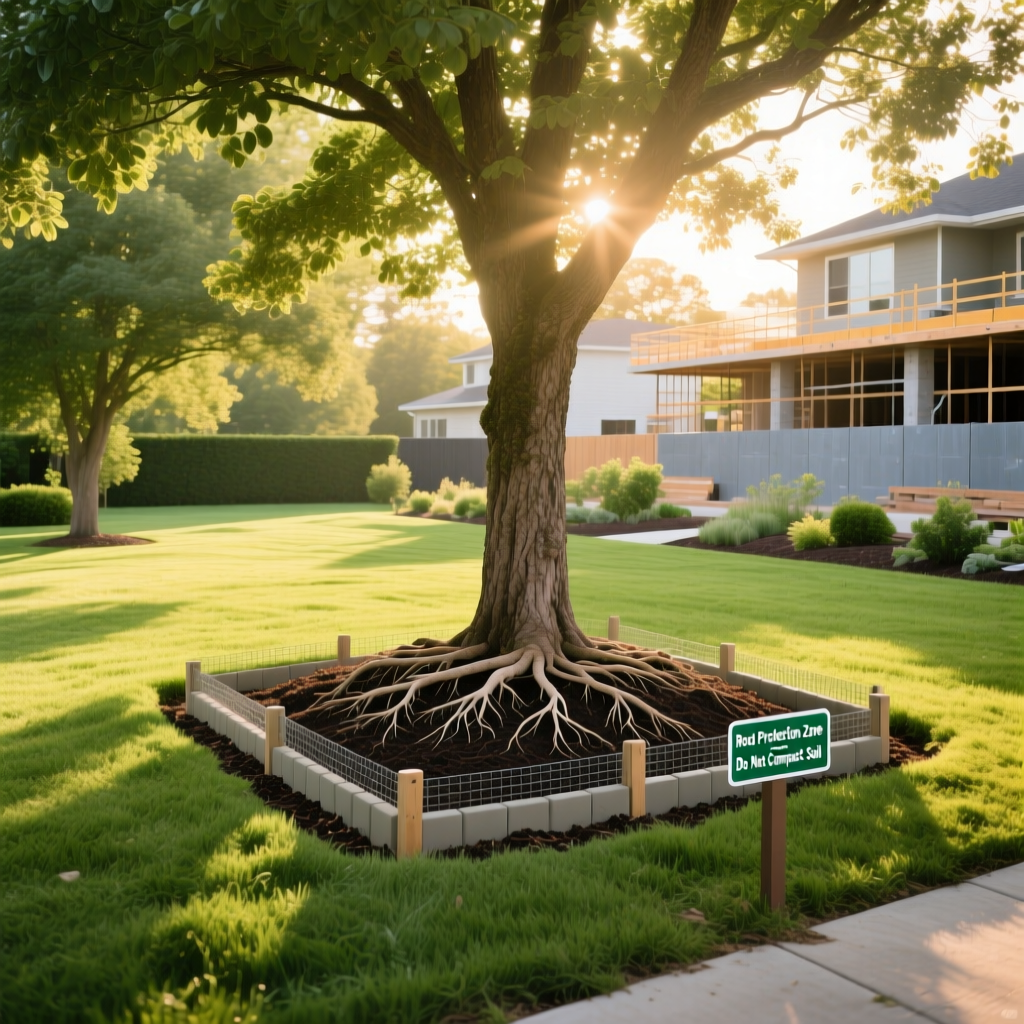
Protecting Tree Root Zones During Home Construction Projects
Robert HayesPublished
Embarking on a home construction or major landscaping project is an exciting endeavor that promises to enhance your property’s functionality and aesthetic appeal. However, amidst the blueprints, heavy machinery, and grading plans, one critical element is frequently overlooked: the health and survival of your existing mature trees. Trees add immense ecological, financial, and visual value to a landscape, but they are incredibly vulnerable to the chaotic environment of a construction site. While above-ground damage to trunks and branches is easily spotted, the most devastating injuries occur out of sight, beneath the soil surface.
Protecting tree root zones during home construction projects is not merely a matter of avoiding direct impacts to the trunk; it requires a comprehensive strategy to preserve the complex, shallow, and expansive root systems that keep these giants alive. Soil compaction, grade changes, utility trenching, and chemical spills can silently suffocate a tree, leading to a slow decline that may not become apparent until years after the builders have left. By understanding the biology of tree roots and implementing strict protection protocols before the first shovel hits the dirt, homeowners and contractors can ensure that the landscape’s mature canopy survives the building process.
This comprehensive guide will walk you through the essential steps for safeguarding your trees, from pre-construction planning and physical barrier installation to post-construction recovery and ongoing deep root watering techniques. Whether you are building an addition, installing a new driveway, or redesigning your outdoor living space, these strategies will help you preserve your property’s most valuable natural assets.
Understanding the Critical Root Zone (CRZ)
To effectively protect trees during construction, it is vital to dispel a common myth about tree anatomy. Many people picture a tree’s root system as a mirror image of its canopy, with a massive taproot plunging deep into the earth. In reality, the vast majority of a tree’s absorbing roots—the fine, hair-like roots responsible for taking up water, oxygen, and nutrients—are located in the top 6 to 12 inches of the soil. Furthermore, these roots extend horizontally, often reaching two to three times the width of the tree’s dripline (the outer edge of the canopy).
Because the most vital roots are shallow and wide-spreading, they are exceptionally susceptible to surface disturbances. Arborists use a metric called the Critical Root Zone (CRZ), or Tree Protection Zone (TPZ), to define the minimum area of soil and roots that must remain undisturbed for a tree to survive. The CRZ is typically calculated based on the tree’s trunk diameter at breast height (DBH). A standard rule of thumb is to allow 1 to 1.5 feet of radial protection for every inch of trunk diameter. For example, a tree with a 20-inch diameter trunk requires a protected circular zone with a radius of 20 to 30 feet from the center of the trunk.
Within this zone, the soil structure must remain intact. The soil is composed of solid particles and pore spaces. Macropores allow for the drainage of water and the exchange of vital gases, while micropores hold moisture for the roots to absorb. When heavy construction equipment drives over this area, the macropores are crushed, leading to severe soil compaction. Without oxygen, the fine feeder roots suffocate and die, which eventually leads to the dieback of the canopy above. Understanding the sheer footprint of the CRZ is the first step in designing a construction site that accommodates both your building goals and your landscape’s health.
Pre-Construction Planning and Assessment
The most successful tree protection strategies are implemented long before the excavation equipment arrives on site. Pre-construction planning involves a thorough assessment of the property, identifying which trees are worth saving, and designing the construction footprint to minimize root zone intrusion. Not all trees are good candidates for preservation; older, declining, or previously damaged trees may not survive the stress of construction, even with the best protections in place.
Begin by conducting a detailed tree inventory. Map out the location, species, size, and overall health of every tree on the property. Consulting with an ISA Certified Arborist during the design phase is highly recommended. An arborist can evaluate the structural integrity and vitality of your trees, helping you decide which specimens to build around and which to remove safely. They can also advise on how different tree species react to stress; for instance, mature oaks and beeches are notoriously sensitive to soil compaction and grade changes, while some species of pines and maples may be slightly more resilient.
During the design phase, work with your architect and contractor to route utilities, driveways, and foundation footprints away from the CRZ of your most valuable trees. If utility lines must pass near a tree, explore alternative routing options. When planning the logistics of the site, designate specific areas for material storage, concrete washout, and equipment parking. These activities are highly toxic to root systems. Concrete washout, for example, is extremely alkaline and will drastically alter the soil pH, causing severe chemical burns to the roots and locking up essential nutrients. By establishing strict “no-go” zones on the site plan, you set clear expectations for the construction crew from day one.
Physical Protection Methods and Fencing
Once the site plan is finalized and the CRZ for each preserved tree is calculated, the next step is to install physical barriers. Tree Protection Fencing (TPF) is the most effective way to keep heavy machinery, building materials, and foot traffic out of the sensitive root zone. This fencing should be erected before any land clearing, grading, or demolition begins.
The fencing should be highly visible and sturdy. Chain-link fencing supported by metal T-posts is the industry standard, though heavy-duty orange polyethylene construction fencing attached to sturdy wooden or metal posts can also be effective for lighter projects. The posts must be driven into the ground by hand or with small, lightweight equipment outside the CRZ to avoid damaging the very roots you are trying to protect. The fence should completely enclose the TPZ, and if multiple trees are close together, their protection zones should be merged into one large, contiguous fenced area.
Signage is a crucial component of physical protection. Attach bright, weather-resistant signs to the fencing at regular intervals stating: “Tree Protection Zone – Do Not Enter. No Storage, No Dumping, No Trenching.” It is also highly beneficial to apply a thick layer of organic mulch inside the fenced area before construction begins. A 4-to-6-inch layer of wood chips acts as a shock absorber, helping to distribute weight and protect the soil structure in case the fence is accidentally breached or if adjacent heavy equipment causes ground vibrations. For more information on maintaining healthy soil biology around your trees, refer to our guide on soil testing and amendments.
Mitigating Soil Compaction, Grade Changes, and Trenching
Even with fencing in place, construction activities adjacent to the CRZ can pose severe threats. Soil compaction, grade changes, and utility trenching are the primary culprits of construction-related tree mortality. Mitigating these risks requires specialized techniques and a willingness to adapt standard building practices.
Combating Soil Compaction
If heavy equipment must occasionally cross a root zone, or if the area immediately outside the fenced CRZ will be subjected to heavy traffic, you must prepare the ground to absorb the impact. Lay down a thick layer of coarse wood chips (at least 6 to 12 inches deep) and cover it with steel road plates or thick plywood. This temporary track system spreads the weight of the machinery over a wider area, reducing the downward pressure on the soil’s macropores. If compaction does occur in areas just outside the TPZ, you will need to address it post-construction using techniques outlined in our article on repairing compacted soil.
Navigating Grade Changes
Altering the grade around a tree is incredibly dangerous. Adding fill soil over the root zone suffocates the roots by cutting off their oxygen supply and disrupting water infiltration. Even adding just a few inches of heavy clay or compacted fill can kill a mature tree within a few years. Conversely, lowering the grade (cutting soil away) severs the shallow feeder roots and exposes the remaining roots to drying out and extreme temperature fluctuations. If grade changes are unavoidable, build retaining walls outside the CRZ to create a terrace effect, keeping the original soil level intact around the tree’s trunk and primary roots.
Safe Utility Trenching
Digging trenches for water, gas, sewer, or electrical lines through a tree’s root zone is a death sentence for the roots in that path. Traditional trenching severs major structural roots and creates a massive wound that invites decay and pathogens. If utilities must pass beneath a tree’s canopy, use directional boring or tunneling techniques. These methods involve drilling horizontally deep beneath the root system (usually at least 24 to 30 inches deep, below the majority of the feeder roots) and pulling the utility line through the tunnel, leaving the vast majority of the root system completely intact.
Post-Construction Tree Care and Recovery
Once the construction is complete and the fences are removed, the trees will likely be experiencing significant environmental stress. The recovery period can last anywhere from one to five years, depending on the extent of the disturbance and the species of the tree. Implementing a rigorous post-construction care regimen is essential to help the tree regenerate its damaged root system and defend against secondary invaders like borers and fungal pathogens.
Watering is the most critical post-construction intervention. Because the root system has likely been compromised, the tree’s ability to uptake water is diminished. Implement a slow, deep watering schedule that saturates the top 12 inches of soil across the entire accessible root zone. Avoid frequent, shallow sprinklings, which encourage weak surface rooting. Utilizing deep root watering techniques ensures that moisture reaches the remaining viable roots without waterlogging the surface.
Replenish the mulch layer inside the former protection zone. Apply 2 to 4 inches of organic wood mulch, keeping it a few inches away from the trunk flare to prevent rot and rodent damage. Mulch moderates soil temperature, retains moisture, and slowly adds organic matter back to the soil as it decomposes. Avoid the temptation to heavily fertilize a stressed tree immediately after construction. High-nitrogen fertilizers can force the tree to push out new top growth that its damaged root system cannot support, leading to further decline. Instead, focus on soil health and consider a soil test to determine if specific micronutrients are lacking.
Finally, monitor the canopy closely for signs of dieback, chlorosis (yellowing leaves), or premature fall coloration. You may need to perform corrective maintenance, such as pruning mature trees to remove dead or hazardous limbs that result from root loss. Stressed trees are also highly susceptible to pests and illnesses, so familiarize yourself with the symptoms of common tree diseases to catch and treat any secondary infections early.
Frequently Asked Questions
How far do tree roots actually spread?
While the exact spread depends on the species, soil type, and moisture availability, tree roots typically extend horizontally to a distance of two to three times the width of the tree’s canopy dripline. In some cases, particularly in dry or poor soils, roots can spread even further in search of water and nutrients. The vast majority of these roots, including the fine absorbing roots, are located in the top 6 to 12 inches of the soil, making them highly vulnerable to surface disturbances like grading, compaction, and trenching.
Can I build a patio over a tree’s root zone?
Building a traditional, impermeable concrete or stone patio directly over a tree’s Critical Root Zone is highly discouraged. Impermeable surfaces block water infiltration and cut off the soil’s oxygen supply, effectively suffocating the roots beneath. If you must build a seating area near a tree, consider using permeable pavers, raised wooden decks with shallow helical pile foundations, or gravel pathways. These alternatives allow water and air to penetrate the soil, minimizing the impact on the tree’s vital root system.
What are the signs of construction damage in trees?
Construction damage often does not show immediate symptoms; it can take one to five years for a tree to display severe distress. Early signs include a reduction in leaf size, sparse canopy growth, and premature autumn coloration or leaf drop. As the decline progresses, you may notice dieback starting at the outer tips of the branches and moving inward, known as “staghorn” dieback. Additionally, stressed trees often become targets for secondary pests, such as bark beetles or wood-boring insects, and may develop fungal fruiting bodies (mushrooms) at the base of the trunk, indicating internal root or trunk decay.
How long does it take for a tree to recover from construction stress?
The recovery timeline varies widely based on the tree’s age, species, overall health prior to construction, and the severity of the root zone disturbance. A younger, vigorous tree with minor root severing may recover within one to two growing seasons with proper watering and mulching. However, a mature, slow-growing tree that has suffered significant soil compaction or grade changes may take three to five years to stabilize, and in many cases, the damage may be irreversible. Consistent post-construction monitoring and proactive arboricultural care are essential throughout this extended recovery window.
Is it safe to cut tree roots that are in the way of a new foundation?
Cutting tree roots should always be a last resort and must be done with precision. As a general rule, you should never sever roots that are larger than 2 inches in diameter, as these are major structural and transport roots. Furthermore, roots should never be cut closer to the trunk than a distance equal to three to five times the trunk’s diameter. When roots must be cut, use sharp, sterilized tools to make clean, smooth cuts rather than tearing or crushing the root with excavator buckets. Clean cuts heal faster and are less likely to introduce decay-causing fungi into the tree’s vascular system.

