Tree Care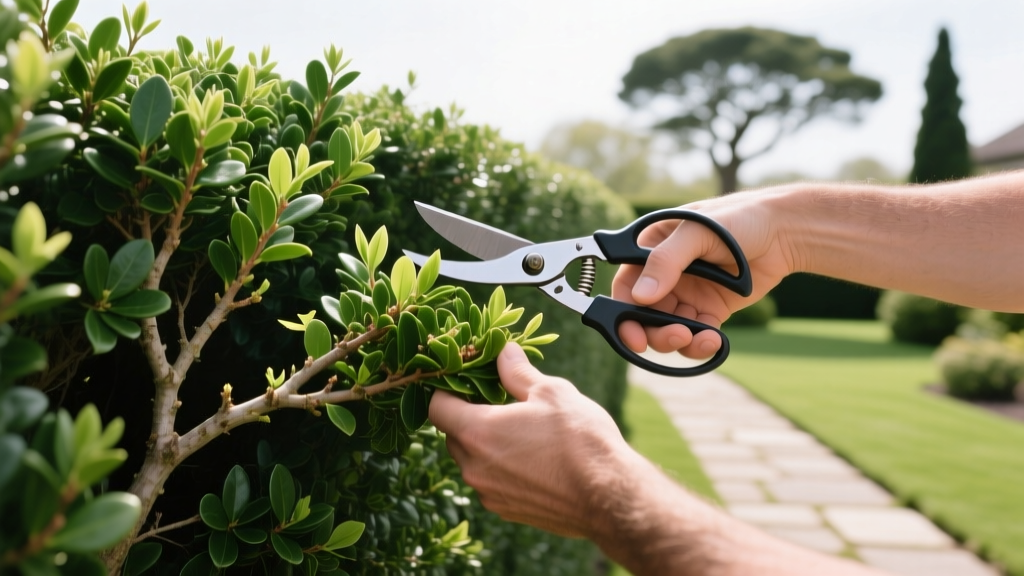
How to Prune Boxwood Shrubs: Step-by-Step Shaping Guide
Boxwoods (Buxus sempervirens and Buxus microphylla) are foundational landscape plants, prized for their evergreen structure and versatility. However, their notoriously dense growth habit makes them highly susceptible to interior dieback, fungal pathogens, and winter damage if maintained incorrectly. Learning how to prune boxwood shrubs requires abandoning the outdated "shear into a meatball" approach in favor of selective thinning that promotes airflow and light penetration.
As of 2026, with the continued spread of boxwood blight (Calonectria pseudonaviculata) across North American hardiness zones, proper pruning protocols are no longer just about aesthetics—they are a critical phytosanitary requirement. This guide provides the exact timing, professional-grade tooling, and step-by-step thinning techniques required to keep your boxwoods healthy, vibrant, and structurally sound.
The Critical Timing Window for Boxwood Pruning
Timing is the most common point of failure for homeowners. Boxwoods have specific growth flushes, and cutting them at the wrong time triggers vulnerable new growth or depletes winter carbohydrate reserves.
⚠️ WARNING: The Late-Fall Pruning Trap
Never prune boxwoods in late fall (September through November in most Northern hemisphere zones). Pruning triggers a hormonal response that pushes tender new growth. This growth will not have time to lignify (harden off) before the first freeze, resulting in severe winter burn and stem dieback that can permanently disfigure the shrub.
Never prune boxwoods in late fall (September through November in most Northern hemisphere zones). Pruning triggers a hormonal response that pushes tender new growth. This growth will not have time to lignify (harden off) before the first freeze, resulting in severe winter burn and stem dieback that can permanently disfigure the shrub.
Optimal Pruning Windows
- Major Structural Pruning & Thinning: Late winter to early spring (late February to early April), just before the spring growth flush begins. This allows the plant to heal rapidly as sap flow increases.
- Light Shaping & Touch-ups: Early summer (mid-June), immediately after the first major spring flush has hardened off.
Professional Tool Selection and Sanitation Protocol
Using the wrong tools crushes the vascular cambium layer of the stems, inviting rot. Furthermore, using contaminated tools is the primary vector for spreading boxwood blight between plants. You must invest in high-carbon steel bypass blades and maintain a strict sanitation protocol.
| Tool Type | Recommended Model (2026) | Est. Price | Specific Use Case |
|---|---|---|---|
| Bypass Hand Pruners | Felco 2 Classic | $60 - $65 | Interior thinning, precise 1/4" to 3/4" cuts |
| Hedge Shears | ARS HS-KR1000 | $85 - $95 | Light outer shaping only (avoid heavy shearing) |
| Bypass Loppers | Fiskars 28" PowerGear | $45 - $55 | Removing thick, dead interior branches (>1") |
The Sanitation Rule: Ditch the Bleach
Historically, landscapers dipped tools in a 10% bleach solution between shrubs. Stop doing this. Bleach aggressively corrodes and pits high-carbon steel blades. Those microscopic pits become perfect breeding grounds for Calonectria pseudonaviculata spores, rendering the tool permanently contaminated. Instead, keep a spray bottle of 70% isopropyl alcohol on your belt. Spray the blades and wipe them down with a clean rag between every single shrub. Alcohol evaporates quickly, kills blight spores on contact, and preserves your tool's edge.
Step-by-Step: The "Thinning" Technique vs. Shearing
The most pervasive mistake in boxwood care is using hedge shears to create a solid outer "shell" of leaves. While this looks neat from a distance, it blocks sunlight and air from reaching the interior of the plant. Within two seasons, the interior branches will defoliate and die, leaving you with a fragile, hollow shrub that will collapse under heavy snow loads.
To maintain a healthy boxwood, you must use the windowing (or thinning) technique.
- Clear the Deadwood: Reach deep into the center of the shrub. Snap out any brittle, brown, or completely leafless branches. Boxwoods will rarely regenerate foliage from bare, woody stems, so deadwood is permanently dead.
- Create Airflow "Windows": Using your Felco 2 pruners, reach 6 to 8 inches into the canopy and cut entire branches back to a lateral Y-junction or a main stem. Remove roughly 10% to 15% of the outer canopy mass. This creates small "windows" that allow dappled sunlight to hit the inner stems, encouraging dormant buds to break and fill in the center.
- Make Proper Angled Cuts: Always cut at a 45-degree angle, approximately 1/4 inch above a leaf node or lateral branch. Flat cuts pool water, leading to stem rot.
- Shape the Exterior: Only after the interior is thinned should you use your ARS hedge shears to lightly trim the outermost 1 to 2 inches of new growth to maintain your desired geometric or organic shape.
"A properly pruned boxwood should look slightly messy up close, with visible gaps in the outer canopy. If it looks like a perfectly solid green bowling ball, it is slowly suffocating from the inside out."
Rejuvenation Pruning: Fixing Overgrown or Damaged Shrubs
If you have inherited severely overgrown boxwoods, or shrubs that have suffered massive winter burn, you must assess the variety before attempting rejuvenation pruning (cutting the plant back hard into old wood).
- English & American Boxwoods (B. sempervirens): These varieties have very poor adventitious budding capabilities on old wood. If you cut them back to bare, leafless stems, they will likely remain bare and eventually die. Limit pruning to live, green tissue.
- Korean & Littleleaf Hybrids (B. sinica var. insularis, 'Winter Gem', 'Green Velvet'): These are far more vigorous and will readily push new growth from old, bare wood. You can safely cut these back by up to 50% in early spring.
💡 Decision Framework: When to Remove vs. Prune
If an English boxwood has lost more than 40% of its interior canopy to dieback, or shows signs of advanced boxwood blight (black streaking on stems and concentric brown rings on leaves), do not attempt to save it. Dig it out, remove the root ball and surrounding topsoil, and replant with a modern, blight-resistant cultivar such as the New Gen or BetterBoxwood series.
If an English boxwood has lost more than 40% of its interior canopy to dieback, or shows signs of advanced boxwood blight (black streaking on stems and concentric brown rings on leaves), do not attempt to save it. Dig it out, remove the root ball and surrounding topsoil, and replant with a modern, blight-resistant cultivar such as the New Gen or BetterBoxwood series.
Post-Pruning Cleanup and Blight Prevention
How you clean up after pruning is just as important as the cuts themselves. Boxwood blight spores can survive in fallen leaf litter for up to five years. Never blow pruned boxwood debris into natural areas or compost piles.
The Tarp-Catch Method: Lay a lightweight landscaping tarp beneath the shrub before you begin thinning. When finished, carefully fold the tarp inward to trap all clipped foliage and stems. Dispose of this material in sealed municipal yard waste bags. According to the American Phytopathological Society, rigorous removal of infected leaf litter is the most effective cultural control for blight management.
Mulching and Fertilization
Boxwoods have incredibly shallow root systems that are easily smothered. After pruning, apply a maximum of 1.5 to 2 inches of aged pine bark mulch over the root zone. Keep the mulch at least 3 inches away from the main trunk flare to prevent vole damage and stem girdling.
If the shrub appears pale or yellowing after a heavy pruning session, apply a slow-release, acid-forming fertilizer with an N-P-K ratio of 10-6-4 (specifically formulated for broadleaf evergreens). Apply at a rate of 1 lb per 100 square feet of root zone area in early spring, watering it in thoroughly. For comprehensive regional soil and nutrient advice, consult resources like the Penn State Extension Boxwood Guide to tailor your soil amendments to local pH requirements.