
Tree Care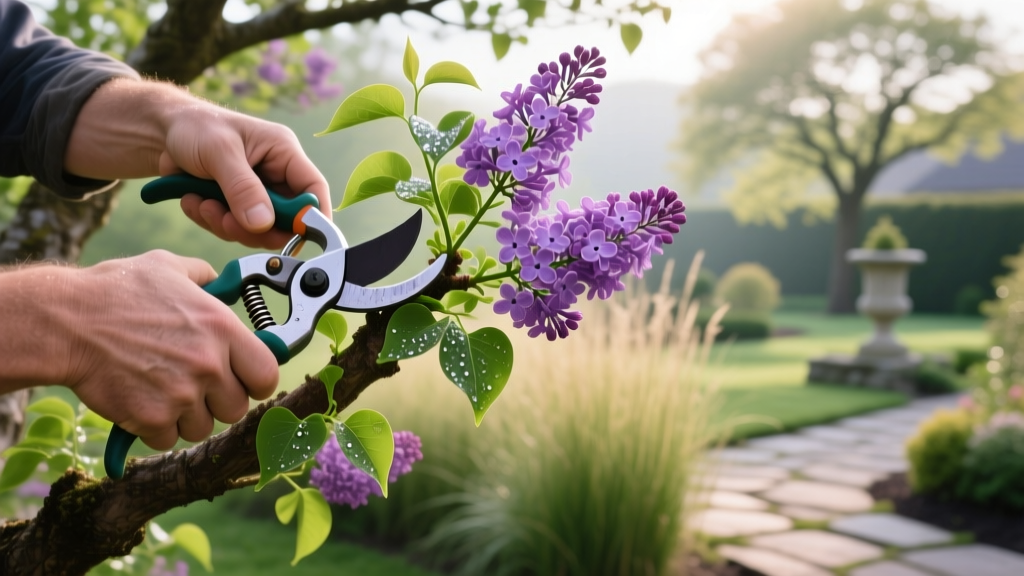
Pruning Lilac Shrubs: A Step-by-Step Guide for Maximum Blooms
The difference between a spectacular spring display and a disappointing, sparse flowering season almost always comes down to how and when you approach pruning lilac shrubs. Unlike many landscape plants that tolerate shearing at any time of year, common lilacs (Syringa vulgaris) operate on a strict biological clock. They set their flower buds for the following spring during the mid-summer months immediately after their current blooms fade. Miss your pruning window by even a few weeks, and you will systematically decapitate next year's floral display.
This guide moves beyond generic advice to provide exact measurements, botanical context, and advanced rejuvenation strategies to keep your lilacs vigorous, disease-free, and heavily laden with fragrant panicles year after year.
The Botany of Lilac Flower Buds: Why Timing is Everything
To prune effectively, you must understand where lilacs produce flowers. Traditional once-blooming lilacs flower on 'old wood'—specifically, shoots that grew during the previous summer. The apical and lateral buds along these shoots differentiate into flower buds in July and August. If you prune in late fall, winter, or early spring, you are physically removing the embryonic flowers.
Exception for Reblooming Varieties: Modern cultivars like the Bloomerang series (Syringa 'Penda') bloom on both old and new wood. While you still deadhead the initial spring flush to encourage the late-summer rebloom, you can perform light shaping cuts in early spring without entirely sacrificing the first floral display.
The Three-Week Window: Exact Timing by Climate Zone
The golden rule for pruning lilac shrubs is to complete all structural and maintenance cuts within three weeks of the flowers turning brown and dropping their petals. Because spring arrives at different times across the country, your exact pruning deadline shifts based on your USDA Hardiness Zone.
| USDA Zone | Typical Bloom Period | Absolute Pruning Deadline |
|---|---|---|
| Zones 3-4 | Late May to Mid-June | July 5 |
| Zones 5-6 | Early to Mid-May | June 10 |
| Zones 7-8 | Mid-April to Early May | May 20 |
According to University of Minnesota Extension, waiting until late summer or fall to prune is the single most common reason homeowners report 'non-blooming' lilacs. The buds are already formed; cutting them off guarantees a green-only shrub the following May.
Essential Tools and Sanitation Protocols
Lilac wood is dense and prone to splintering if cut with dull blades. Ragged cuts fail to callus over quickly, leaving the vascular cambium exposed to Pseudomonas syringae, the bacterium responsible for devastating Lilac Bacterial Blight.
- Bypass Hand Pruners (up to 3/4-inch cuts): The Felco 2 Classic (approx. $55-$65) features a hardened steel blade that holds an edge through thick, woody lilac canes without crushing the tissue.
- Bypass Loppers (up to 1.5-inch cuts): Fiskars 28-inch Bypass Loppers (approx. $35) provide the leverage needed for thicker lateral branches deep inside the canopy.
- Folding Pruning Saw (over 1.5-inch canes): The Silky Gomboy 210 (approx. $45) with a medium-tooth blade cuts flush against the basal crown without tearing the bark.
Critical Sanitation Step: Do not use bleach solutions to sterilize your tools between shrubs; bleach pits and corrodes high-carbon steel blades. Instead, use a 70% isopropyl alcohol solution or an EPA-registered botanical disinfectant spray. Wipe the blades thoroughly between every single shrub to prevent cross-contamination of fungal and bacterial pathogens.
Routine Maintenance: The 1/3 Rejuvenation Strategy
Healthy, well-maintained lilacs require annual thinning to maintain sunlight penetration and air circulation. The goal is to maintain a multi-stemmed shrub with a balanced age distribution of canes. Follow this step-by-step protocol immediately after blooming:
- Deadhead Spent Panicles: Snip off the faded flower heads just above the first set of leaves. Do not cut deep into the stem, or you will remove the latent buds forming for next year.
- Remove Basal Suckers: Lilacs aggressively push up root suckers. Pull shallow suckers by hand or cut them flush with the main root. Leave 2 or 3 vigorous, well-placed suckers to replace older canes in future years.
- Apply the 1/3 Rule: Identify the oldest, thickest canes at the base of the plant. Any cane with a caliper (diameter) exceeding 2 inches at the soil line is past its prime flowering stage and shades out interior growth. Cut up to one-third of these oldest canes completely to the ground using your pruning saw.
- Cross-Branch Thinning: Remove any lateral branches that cross through the center of the canopy or rub against primary scaffolds. Make these cuts 1/4 inch above an outward-facing bud at a 45-degree angle to direct new growth away from the center.
Hard Renewal: Rescuing Neglected, Overgrown Shrubs
If you have inherited a massive, 15-foot tall lilac with a dead, lichen-covered interior and blooms only at the very top of the canopy, routine maintenance will not suffice. You must perform rejuvenation pruning. According to Iowa State University Extension, you have two distinct strategies for renovation.
Strategy A: The Three-Year Gradual Renewal (Recommended)
This method minimizes shock and ensures you still get some flowers each spring.
- Year 1: Cut one-third of the oldest, thickest trunks flush to the ground right after blooming. Thin remaining interior crossing branches.
- Year 2: Remove half of the remaining old trunks. The new suckers pushed in Year 1 will now be 3 to 4 feet tall.
- Year 3: Remove the final original old trunks. The shrub is now entirely composed of vigorous, 3-year-old wood that will bloom heavily.
Strategy B: The One-Year 'Shock' Cut
If the shrub is severely diseased or structurally compromised, cut every single trunk to 6 to 8 inches above the soil line in early spring before bud break. The Trade-off: You will sacrifice all blooms for the current year, and potentially the following year, as the plant redirects all carbohydrate reserves into pushing massive vegetative water sprouts. You must aggressively thin these new sprouts the following winter to prevent a tangled, weak mess.
Post-Pruning Care and Disease Mitigation
After making large structural cuts during rejuvenation pruning, many homeowners are tempted to apply black pruning paint or wound sealants to the exposed wood. Do not do this. Modern arboricultural science has definitively proven that pruning sealers trap moisture against the cut surface, creating an ideal anaerobic environment for wood-decay fungi and bacterial blight.
Lilacs possess a highly efficient compartmentalization process (CODIT). As long as your cuts are clean, angled to shed water, and made during dry weather, the shrub will rapidly form a callus ridge over the wound. Leave the cuts bare and exposed to the air and sun.
Finally, apply a 2-inch layer of organic compost or shredded hardwood mulch over the root zone, keeping it strictly 3 inches away from the basal crown to prevent collar rot. Avoid high-nitrogen synthetic fertilizers immediately after pruning; excess nitrogen promotes soft, succulent vegetative growth that is highly susceptible to powdery mildew (Erysiphe syringae) in late summer. Rely on the natural nutrient release from your compost to fuel the new basal shoots through their critical mid-summer bud-setting phase.

