
Tree Care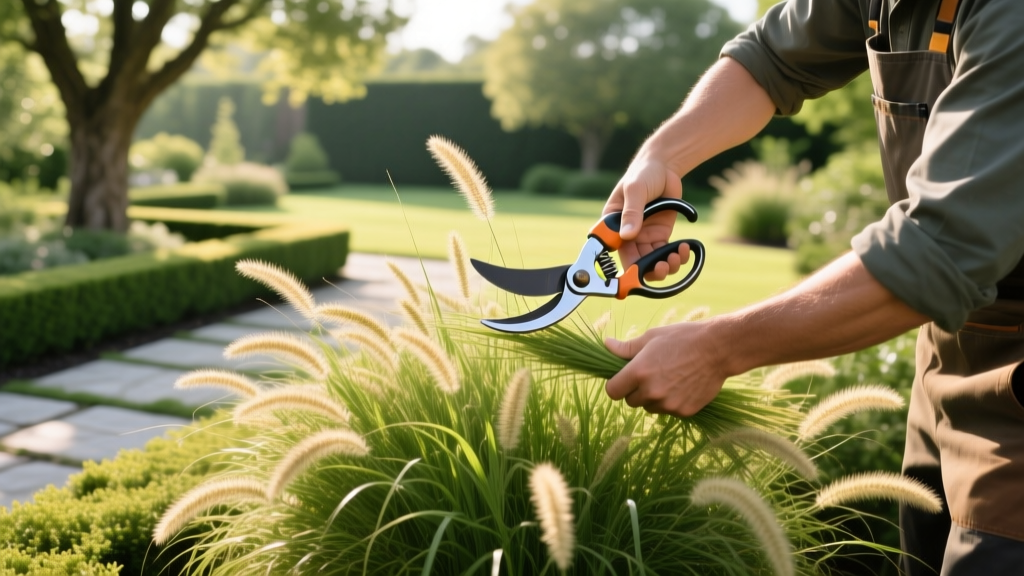
Step-by-Step Guide to Pruning Your Ornamental Grass Bush
In residential landscaping, the term "grass bush" is frequently used by homeowners to describe large, clumping ornamental grasses. Species like Pampas grass (Cortaderia selloana), Chinese Silvergrass (Miscanthus sinensis), and Fountain Grass (Pennisetum alopecuroides) grow into massive, shrub-like formations that blur the line between turf and woody shrubs. Unlike standard lawn grass that requires weekly mowing, or woody trees that need selective branch pruning, a grass bush demands a specific, aggressive annual maintenance protocol to prevent center die-out and maintain structural integrity.
This guide outlines the precise step-by-step lawn and landscape maintenance procedures required to manage an overgrown grass bush, utilizing modern 2026 equipment standards and proven horticultural techniques.
Essential Tools for Grass Bush Maintenance
Standard string trimmers and lightweight pruning shears will fail against the dense, fibrous, 1-inch-thick dried stems of a mature grass bush. To execute a clean cut without shredding the crown, you need specialized equipment:
- Manual Hedge Shears (24-inch): For bushes under 4 feet in diameter, heavy-duty bypass hedge shears (like the Fiskars PowerGear2) provide the leverage needed to slice through dense fibrous mats.
- Cordless Hedge Trimmer: For massive 6-to-8-foot Pampas grass bushes, a 24-inch dual-action cordless trimmer (such as the EGO Power+ 56V or Milwaukee M18) drastically reduces fatigue and cutting time.
- Reciprocating Saw: If the base has become woody and compacted over several neglected years, a reciprocating saw with a 9-inch pruning blade (e.g., Milwaukee 48-00-1440) is required to cut through the root crown.
- PPE (Leather Gauntlet Gloves): Ornamental grass leaves contain sharp silica edges that cause severe micro-cuts. Standard gardening gloves are insufficient; use elbow-length leather rose-pruning gauntlets.
⚠️ Safety Warning: When cutting dry Miscanthus or Pampas grass, the friction releases fine silica dust and sharp chaff. Always wear safety goggles and an N95 particulate mask to prevent respiratory irritation and corneal scratches.
Step-by-Step Pruning Procedure
The optimal time to perform a hard reset on your grass bush is late winter to early spring, just before new green shoots emerge from the soil (typically when soil temperatures consistently reach 50°F). Cutting too early in winter removes the insulating thatch that protects the crown from freeze-thaw cycles, while cutting too late risks severing new spring growth.
Step 1: Bundle and Bind
Before making a single cut, wrap the entire grass bush tightly with heavy-duty jute twine or bungee cords. Create two or three horizontal bands from the base to the mid-section. This contains the debris, turning a massive, sprawling bush into a single, manageable column and preventing thousands of loose, sharp leaves from scattering across your lawn.
Step 2: The 6-Inch Hard Cut
Using your hedge shears or reciprocating saw, cut the bundled grass bush horizontally, exactly 4 to 6 inches above the soil line. Do not cut flush with the ground; the remaining 6-inch stubble protects the central growing crown from accidental damage and provides a visual marker so you do not accidentally step on or run over the dormant plant.
Step 3: Crown Clearing and Debris Removal
Once the bulk of the grass bush is removed, use a hand rake or a specialized crown cleaning tool to gently pull out the accumulated dead thatch trapped inside the center of the 6-inch stubble. Leftover debris holds moisture against the crown, leading to Pythium crown rot, which is the primary cause of spring die-back in ornamental grasses.
Seasonal Maintenance Matrix
Maintaining a grass bush extends beyond the annual winter prune. Use the following matrix to align your landscape care with the plant's natural growth cycles.
| Season | Primary Task | Specific Action & Measurements |
|---|---|---|
| Early Spring | Hard Pruning & Fertilization | Cut to 6 inches. Apply 1 lb of actual nitrogen per 1,000 sq ft using a slow-release 16-4-8 formula. |
| Late Spring | Division & Pest Monitoring | Divide root crowns if the center is dead. Inspect new shoots for aphids; treat with insecticidal soap if needed. |
| Summer | Deep Watering & Staking | Provide 1 inch of water weekly during drought. Install peony rings or grid stakes if the bush exceeds 5 feet to prevent flopping. |
| Fall/Winter | Visual Interest & Protection | Do NOT prune. Leave plumes intact for winter aesthetics and to provide natural insulation for the root crown. |
Dividing the Root Crown: Solving the "Donut Effect"
After 3 to 5 years, most grass bushes will develop a dead, woody center while the outer edges continue to thrive—a phenomenon known as the "donut effect." When the dead center exceeds 12 inches in diameter, the bush must be divided to restore its vigor.
- Hydrate the Soil: Two days before dividing, water the grass bush deeply to soften the soil and reduce root shock.
- Sever the Root Mass: Using a sharp, flat trenching shovel, drive the blade straight down into the soil around the perimeter of the living outer ring.
- Extract and Quarter: Pry the root mass out of the ground. Lay it on its side and use the trenching shovel (or a reciprocating saw for highly fibrous roots) to cut the living ring into four equal quadrants.
- Discard the Center: Throw away the dead, woody center section. It will not regenerate.
- Replant: Replant one healthy quadrant in the original hole, backfilling with native soil mixed with 2 cups of 10-10-10 starter fertilizer. Plant the remaining three quadrants in new locations or share them with neighbors.
Fertilization and Soil Amendments
A common mistake in lawn and landscape maintenance is treating a grass bush like standard turfgrass. Ornamental grasses are exceptionally light feeders. Over-fertilizing, particularly with high-nitrogen quick-release lawn fertilizers, causes rapid, weak cellular growth that results in the grass bush "flopping" or collapsing under its own weight during summer storms.
According to the Clemson Cooperative Extension, most ornamental grasses thrive with minimal intervention. Apply a single dose of balanced, slow-release fertilizer (such as Osmocote 14-14-14) in early spring just as new growth appears. If your soil pH drops below 6.0, apply pelletized lime at a rate of 5 lbs per 100 square feet to raise the pH to the optimal 6.0–7.0 range, ensuring the roots can effectively absorb soil nutrients.
Common Mistakes to Avoid
- Burning the Bush: Never use fire to clear dead thatch from a grass bush. While historically practiced in commercial agriculture, burning in residential zones damages the soil microbiome, risks spreading to nearby tree roots, and is illegal in most 2026 municipal codes.
- Overwatering: Once established, grass bushes are highly drought-tolerant. Waterlogged soil leads to fatal root rot. Ensure your planting site has well-draining soil; if you have heavy clay, plant the bush on a 4-inch raised berm.
- Late Pruning: Waiting until May to prune risks cutting off the new spring growth points, permanently stunting the bush for the entire growing season.
For further reading on integrating ornamental species into broader landscape designs, the University of Minnesota Extension provides excellent regional guidelines on selecting cold-hardy cultivars that survive harsh freezes without crown damage. By following these precise, step-by-step procedures, your grass bush will remain a striking, structurally sound focal point in your yard for decades.

