
Tree Care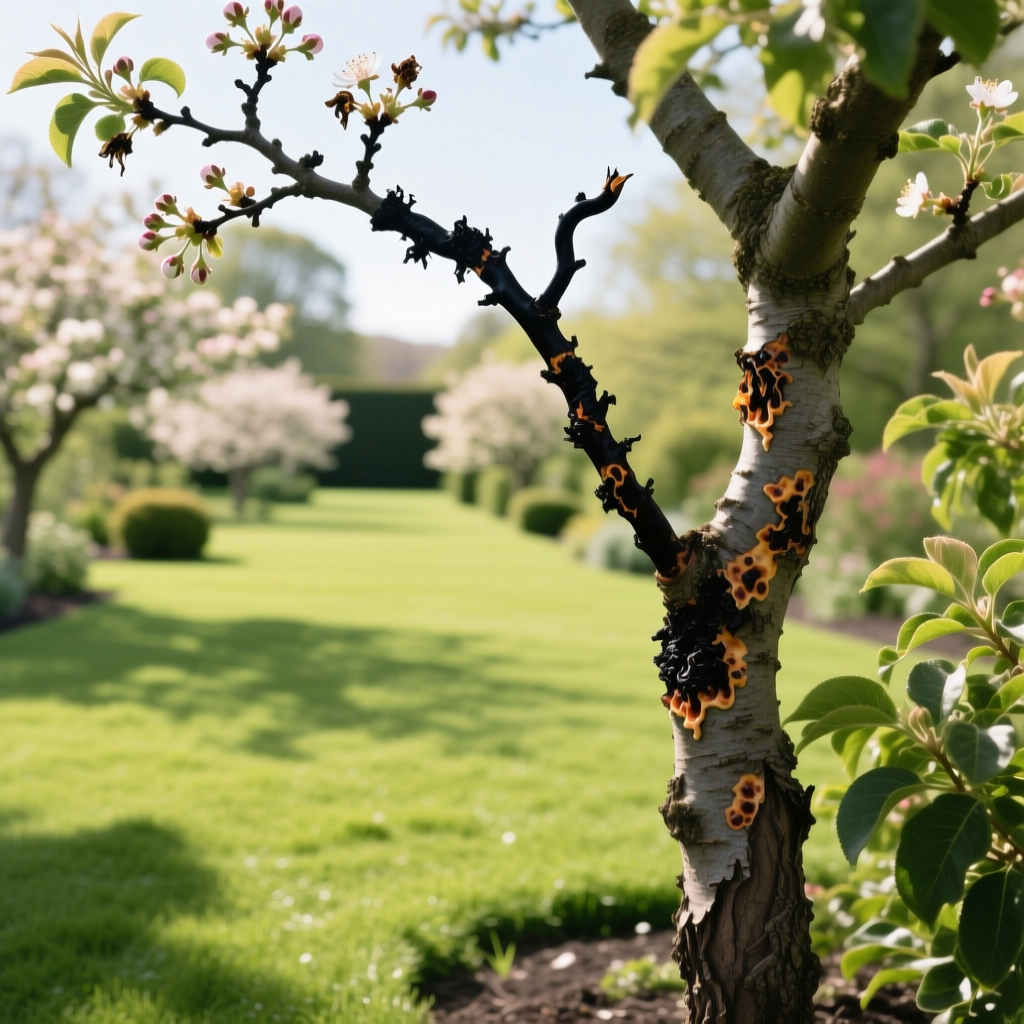
How to Recognize & Treat Fire Blight in Fruit & Ornamental Trees
Mike RodriguezPublished
How to Recognize & Treat Fire Blight in Fruit & Ornamental Trees
Fire blight is one of the most destructive bacterial diseases affecting fruit-bearing and ornamental trees in home landscapes and commercial orchards alike. Caused by the pathogen Erwinia amylovora, this aggressive disease can devastate entire branches within a single growing season and, left unchecked, can kill a mature tree in just a few years. Whether you are growing apple trees for a backyard harvest or cultivating ornamental pears for their stunning spring blossoms, understanding how to recognize, treat, and prevent fire blight is essential for long-term tree health.
The name "fire blight" is strikingly descriptive. Infected branches and leaves take on a scorched, burned appearance as if they have been singed by flame. The disease spreads rapidly during warm, humid weather and can move from blossoms to branches to the main trunk in a matter of weeks. Gardeners and homeowners who act quickly when symptoms first appear have a far better chance of saving their trees and preventing the disease from spreading to nearby plantings.
In this comprehensive guide, we will walk you through everything you need to know about fire blight — from early identification and treatment strategies to pruning protocols, seasonal prevention tips, and answers to the most frequently asked questions. For more on keeping your entire landscape healthy, explore our tree care resources and lawn care guides to build a thriving outdoor environment.
Recognizing Fire Blight: Symptoms, Signs, and Affected Trees
Early detection is the cornerstone of effective fire blight management. The bacterium Erwinia amylovora attacks trees in the Rosaceae family, which includes many of the most popular fruit and ornamental species planted in residential landscapes. Understanding what to look for — and when — can mean the difference between a quick recovery and the loss of a beloved tree.
Trees Most Susceptible to Fire Blight
Fire blight does not affect all trees equally. The following species are among the most vulnerable and should be monitored closely throughout the growing season:
- Apple trees (Malus domestica) — Highly susceptible, especially during bloom
- Pear trees (Pyrus species) — Both fruiting and ornamental varieties are at significant risk
- Crabapple trees (Malus species) — Popular ornamentals that are frequently infected
- Hawthorn (Crataegus species) — Often overlooked as a host
- Cotoneaster — A common landscape shrub that can harbor the bacteria
- Firethorn / Pyracantha — Susceptible ornamental shrub
- Mountain ash (Sorbus species) — Less commonly known as a host
- Quince (Cydonia oblonga) and flowering quince (Chaenomeles)
- Photinia — Including the widely planted red-tip photinia
If you have any of these species in your landscape, it is wise to develop a proactive monitoring routine. For guidance on selecting disease-resistant trees and shrubs for your yard, check out our tree planting guide for expert recommendations.
Key Symptoms to Watch For
Fire blight symptoms progress through distinct stages, and recognizing each stage allows you to intervene at the right time. Here are the hallmark signs organized by the part of the tree affected:
Blossom Blight: The earliest visible symptom typically appears during or shortly after bloom. Infected flowers turn brown or black, wilt, and cling to the branch rather than dropping naturally. This stage is often mistaken for frost damage, but frost injury tends to affect all blossoms uniformly, while fire blight usually starts in scattered clusters.
Shoot Blight: New, succulent shoot tips are highly vulnerable. Infected shoots wilt rapidly, bending into a characteristic "shepherd's crook" shape before turning dark brown or black. This shepherd's crook is one of the most reliable diagnostic features of fire blight and is rarely seen with other diseases.
Leaf Symptoms: Leaves on infected branches turn brown or black but remain attached to the stem rather than falling off. This gives the tree a scorched or "burned" appearance that inspired the disease's common name.
Canker Formation: As the bacteria move deeper into the wood, they cause sunken, discolored areas on branches and the trunk known as cankers. These cankers may ooze a sticky, amber-colored bacterial exudate, especially during warm, wet weather. The ooze is teeming with bacteria and serves as a primary source of new infections.
Fruit Symptoms: Developing fruit on infected branches may turn black, shrivel, and become mummified. Like the leaves, affected fruit tends to remain attached to the branch.
If you are unsure whether your tree is suffering from fire blight or another issue such as fungal disease or environmental stress, our tree diseases identification guide can help you narrow down the possibilities.
Treating Fire Blight: Pruning, Sanitation, and Control Methods
Once fire blight has been confirmed, swift and decisive action is necessary. There is no single cure for fire blight, but a combination of careful pruning, rigorous sanitation, and targeted treatments can bring the disease under control and save your tree.
Pruning Out Infected Wood
Pruning is the most effective tool in your fire blight management arsenal. However, improper pruning can actually spread the bacteria further, so technique matters enormously.
When to prune: The ideal time to prune out fire blight infections is during dry weather when temperatures are below 70°F (21°C). Avoid pruning during rain, heavy dew, or periods of high humidity, as moisture facilitates bacterial spread. Many arborists recommend making pruning cuts during the dormant season when bacterial activity is lowest, though active infections that threaten the main trunk should be addressed immediately regardless of conditions.
How far to cut: Make your pruning cuts at least 12 to 18 inches below the lowest visible symptom on the branch. The bacteria often travel well ahead of the visible damage inside the wood, and cutting too close to the infected area will leave live bacteria behind. For aggressive infections or highly susceptible species like pear, consider cutting even farther back — up to 24 inches below visible symptoms.
Tool sanitation between cuts: This step cannot be overstated. You must disinfect your pruning tools between every single cut to avoid transmitting bacteria from an infected branch to a healthy one. Use one of the following disinfectant solutions:
- A 10% bleach solution (one part household bleach to nine parts water)
- 70% isopropyl alcohol
- A commercial disinfectant labeled for horticultural use
Dip or wipe your pruning saw, loppers, or hand pruners thoroughly between cuts. Bleach solutions are effective but can corrode metal tools over time, so rinse and oil your tools after use. For more detailed pruning techniques and tool maintenance advice, visit our tree pruning guide.
Removing and Disposing of Infected Material
All pruned material must be handled carefully to prevent it from becoming a source of reinfection. Never leave fire blight-infected branches, leaves, or fruit on the ground near your trees. The bacteria can survive in dead wood for a period of time and may be splashed back onto healthy tissue by rain or irrigation.
Do not compost infected material. Home compost piles rarely reach temperatures high enough to kill Erwinia amylovora. Instead, bag the infected plant material securely and dispose of it through your municipal yard waste collection service, or burn it where local regulations permit.
Bactericidal Sprays and Biological Controls
While pruning is the primary treatment, sprays can provide supplemental protection, especially during the high-risk bloom period.
Copper-based bactericides: Copper sprays applied during the dormant season can reduce the population of bacteria on the bark surface and around canker margins. These are most effective as a preventive measure applied in late fall or early spring before bud break. Be aware that repeated copper applications can accumulate in the soil and may cause phytotoxicity (leaf damage) on some sensitive species, so follow label directions carefully.
Streptomycin: In commercial orchards, the antibiotic streptomycin has been a standard treatment applied during bloom to prevent blossom infections. Home gardeners may find streptomycin-based products available in some regions, though availability varies. Always check local regulations and follow all label instructions.
Biological controls: Products containing beneficial bacteria such as Pantoea agglomerans strain Eh24 or Pseudomonas fluorescens can be applied during bloom to colonize flower surfaces and outcompete the fire blight pathogen. These biological controls are an excellent option for organic gardeners and pose minimal risk to beneficial insects.
Bordeaux mixture: This traditional combination of copper sulfate and lime has been used for over a century to manage bacterial and fungal diseases. It can be applied as a dormant spray to reduce overwintering inoculum on tree bark.
For integrated pest management strategies that combine chemical and cultural controls across your entire landscape, explore our pest control resources.
Preventing Fire Blight: Cultural Practices and Resistant Varieties
Prevention is always more effective — and less costly — than treatment. By adopting sound cultural practices and choosing resistant varieties, you can dramatically reduce the risk of fire blight establishing itself in your landscape.
Selecting Resistant Varieties
If you are planning to plant new fruit or ornamental trees, variety selection is your first and most powerful line of defense. Breeding programs have developed numerous cultivars with strong fire blight resistance, and choosing these over susceptible varieties can save you years of frustration.
Fire-blight-resistant apple varieties include Enterprise, Liberty, Prima, Priscilla, Redfree, and William's Pride. These varieties were specifically bred with disease resistance in mind and perform well in home orchards.
Fire-blight-resistant pear varieties include Harrow Sweet, Kieffer, Magness, Maxine (Starking Delicious), Moonglow, and Orient. Asian pear varieties tend to be more susceptible than European pears, so exercise extra caution if you prefer Asian types.
Ornamental crabapples with good resistance include Adams, Dolgo, Indian Summer, Jewelberry, Professor Sprenger, and Red Jade. When shopping for ornamental pears, look for cultivars that have been evaluated for fire blight resistance in your region.
Always purchase trees from reputable nurseries that certify their stock is disease-free. Inspect new trees carefully before planting, looking for any signs of cankers, oozing, or discolored wood. Our guide to planting trees offers step-by-step instructions for giving new trees the healthiest possible start.
Fertilization and Watering Practices
Over-fertilization, particularly with nitrogen-rich fertilizers, promotes rapid, succulent new growth that is highly attractive to fire blight bacteria. The tender tissues of vigorously growing shoots are easier for the bacteria to penetrate, and the extended period of new growth created by excessive nitrogen lengthens the window of vulnerability.
Fertilize moderately and strategically. Base your fertilization program on a soil test rather than guesswork. If your soil already has adequate nutrient levels, additional fertilizer may do more harm than good. When fertilizing is necessary, use slow-release formulations and apply them in early spring rather than late in the growing season, which can stimulate tender fall growth that remains susceptible well into summer.
Avoid overhead irrigation. Water that splashes from the soil onto lower branches can carry bacteria upward, and wet foliage creates the humid conditions that favor bacterial multiplication and infection. Use drip irrigation or soaker hoses directed at the root zone to keep the canopy dry. For more on efficient irrigation strategies that benefit both your trees and lawn, see our lawn watering guide.
Managing Insect Vectors
Several insect species can carry fire blight bacteria from infected trees to healthy ones. Aphids, leafhoppers, psylla, and various pollinating insects can all serve as vectors, picking up bacteria from oozing cankers or infected blossoms and transferring them to open flowers or fresh wounds on nearby trees.
Managing these insect populations through integrated pest management (IPM) practices can reduce the rate of fire blight spread. However, avoid broad-spectrum insecticide applications during bloom, as these will kill the bees and other pollinators that your fruit trees depend on for fruit set. Instead, focus on monitoring and targeted treatments outside the bloom window. Our pest management guides cover environmentally responsible approaches to insect control.
Seasonal Fire Blight Management Calendar
Fire blight management is not a one-time event — it requires attention throughout the year. The following seasonal calendar will help you stay ahead of the disease and protect your trees at every stage of the growing cycle.
Dormant Season (Late Fall Through Winter)
The dormant season is your best opportunity to assess the full extent of fire blight damage and perform major pruning without risking the spread of bacteria. With the leaves gone, cankers and dead wood are easier to spot, and the cooler, drier conditions reduce the risk of new infections.
- Conduct a thorough inspection of all susceptible trees, looking for cankers, dead branches, and mummified fruit still clinging to the tree
- Prune out all infected wood using the 12-to-18-inch-below-symptoms rule, disinfecting tools between every cut
- Apply a dormant copper spray to reduce surface bacterial populations on the bark
- Remove and destroy any fallen debris, mummified fruit, and pruned material from around the base of the trees
- Plan your spring spray program and order any biological controls or bactericides you will need
Early Spring (Pre-Bloom)
As buds begin to swell and temperatures rise, the fire blight bacteria become active again. This is the time to prepare your trees and your equipment for the critical bloom period ahead.
- Complete any remaining dormant pruning before bud break
- Apply a late-dormant copper spray if you were unable to treat in the fall, but avoid copper applications once green tissue is exposed, as phytotoxicity risk increases
- Monitor weather forecasts closely — warm, wet weather during bloom dramatically increases fire blight risk
- Prepare pruning tools and disinfectant solutions so you can respond quickly if symptoms appear
- Ensure your soil nutrition is balanced based on previous soil test results; avoid heavy nitrogen applications
Bloom Period (Spring)
The bloom period is the highest-risk window for fire blight infection. Open flowers provide a direct entry point for bacteria, and the warm, humid conditions typical of spring create an ideal environment for bacterial multiplication.
- Apply biological control sprays or streptomycin at the beginning of bloom and repeat at five-to-seven-day intervals throughout the bloom period if weather conditions are favorable for infection
- Inspect blossoms daily for early signs of blossom blight — brown, wilted flowers that remain attached
- If you spot infected blossoms, remove the affected flower clusters immediately, cutting well below the visible damage
- Avoid pruning healthy wood during bloom, as fresh cuts create entry wounds for the bacteria
- Do not irrigate overhead during bloom
For more spring landscape care tips that cover everything from lawn fertilization to tree maintenance, visit our seasonal lawn care guide.
Summer (Post-Bloom Through Late Summer)
Summer brings the threat of shoot blight as the bacteria move from infected blossoms into the new growth. Warm temperatures and summer storms create conditions that favor rapid disease spread.
- Inspect trees at least once a week for shepherd's crook wilting, darkened shoots, and new canker formation
- Prune out infections promptly during dry weather, maintaining strict tool sanitation
- Avoid summer pruning of healthy wood unless absolutely necessary, as every cut is a potential infection site
- Do not apply nitrogen fertilizer during summer, as this will stimulate vulnerable new growth
- Monitor for insect vectors and manage populations as needed
- Continue to use drip or soaker irrigation to keep the canopy dry
Fall
As growth slows and temperatures cool, fire blight activity diminishes. Fall is a time for cleanup and preparation.
- Perform a final inspection to identify any infections that developed over the summer
- Remove and destroy all fallen leaves, fruit, and debris from around susceptible trees
- Plan your dormant-season pruning strategy based on the damage you have observed
- Apply a fall copper spray after leaf drop to reduce overwintering bacterial populations
- Mulch around the base of trees to protect roots over winter, but keep mulch pulled back several inches from the trunk to prevent bark rot
For tips on fall lawn and landscape cleanup that sets the stage for a healthy spring, check out our fall lawn care guide.
Frequently Asked Questions About Fire Blight
Can fire blight kill my tree?
Yes, fire blight can kill a tree if the infection reaches the main trunk and girdles it completely. Young trees and highly susceptible species such as pear are at the greatest risk of death. However, most mature trees can survive fire blight if the disease is caught early and managed aggressively through pruning and sanitation. The key is to prevent the bacteria from advancing into the structural wood of the trunk. Even when significant branch loss occurs, a tree that receives prompt treatment and proper aftercare — including adequate watering, balanced nutrition, and healthy soil conditions — can recover and continue to thrive for many years.
Does fire blight spread to other types of plants?
Fire blight is specific to plants in the Rosaceae family, subfamily Amygdaloideae (formerly Maloideae). It does not infect plants outside this group, so your maples, oaks, pines, and most other landscape trees are safe. However, within the Rosaceae family, the host range is surprisingly broad. In addition to the well-known fruit trees like apple and pear, the bacteria can infect ornamental crabapples, hawthorns, cotoneasters, pyracantha, mountain ash, quince, and photinia. If you have a diverse landscape with multiple susceptible species, an outbreak in one tree can serve as a reservoir of infection for all the others. This is why removing infected material promptly and choosing resistant varieties for new plantings is so important.
Is fire blight the same as frost damage or winter burn?
No, although the scorched appearance of fire blight can look superficially similar to frost injury or winter desiccation at first glance. There are several key differences. Fire blight typically affects scattered branches or clusters of blossoms rather than the entire tree uniformly. The characteristic shepherd's crook bending of infected shoot tips is unique to fire blight and is not seen with frost damage. Additionally, fire blight-infected leaves and fruit tend to remain firmly attached to the branch, while frost-damaged foliage usually drops relatively quickly. If you see bacterial ooze — a sticky, amber-colored substance — exuding from cankers on the bark, that is a definitive sign of fire blight. When in doubt, you can submit a sample to your local cooperative extension service or plant diagnostic laboratory for confirmation.
Can I prevent fire blight without using chemical sprays?
Absolutely. While bactericidal sprays can be a useful component of a management program, many gardeners successfully manage fire blight through cultural practices alone. The most important non-chemical strategies include selecting resistant varieties when planting new trees, maintaining balanced soil nutrition to avoid excessive succulent growth, using drip irrigation to keep the canopy dry, practicing rigorous sanitation by removing and destroying infected material, and performing careful dormant-season pruning to eliminate cankers before they become active in spring. Biological control products containing beneficial bacteria offer another chemical-free option during bloom. When these practices are combined consistently over time, they can provide excellent protection against fire blight without any synthetic chemical inputs. For more on organic and sustainable approaches to landscape care, browse our organic lawn care resources.
Should I remove a tree that has fire blight?
Tree removal is generally a last resort and is only necessary when the infection has progressed to the main trunk and cannot be pruned out. If the canker has girdled more than half of the trunk circumference, the tree's long-term prognosis is poor, and removal may be the most practical option to eliminate it as a source of infection for nearby trees. However, if the infection is limited to branches and scaffold limbs, aggressive pruning can often save the tree. Consider the tree's overall health, its value in your landscape, the proximity of other susceptible trees, and your willingness to commit to an ongoing management program before deciding to remove it. In some cases, replacing a chronically infected tree with a resistant variety is the most cost-effective long-term solution. For guidance on safe tree removal and replacement planting, see our tree removal guide.
Managing fire blight requires vigilance, knowledge, and a willingness to act quickly when symptoms appear. By combining careful monitoring, proper pruning techniques, smart cultural practices, and — when appropriate — targeted spray applications, you can protect your fruit and ornamental trees from this destructive disease. A healthy landscape starts with healthy trees, and the time you invest in fire blight prevention and treatment will pay dividends in beautiful blossoms, bountiful harvests, and thriving trees for years to come.

