Tree Care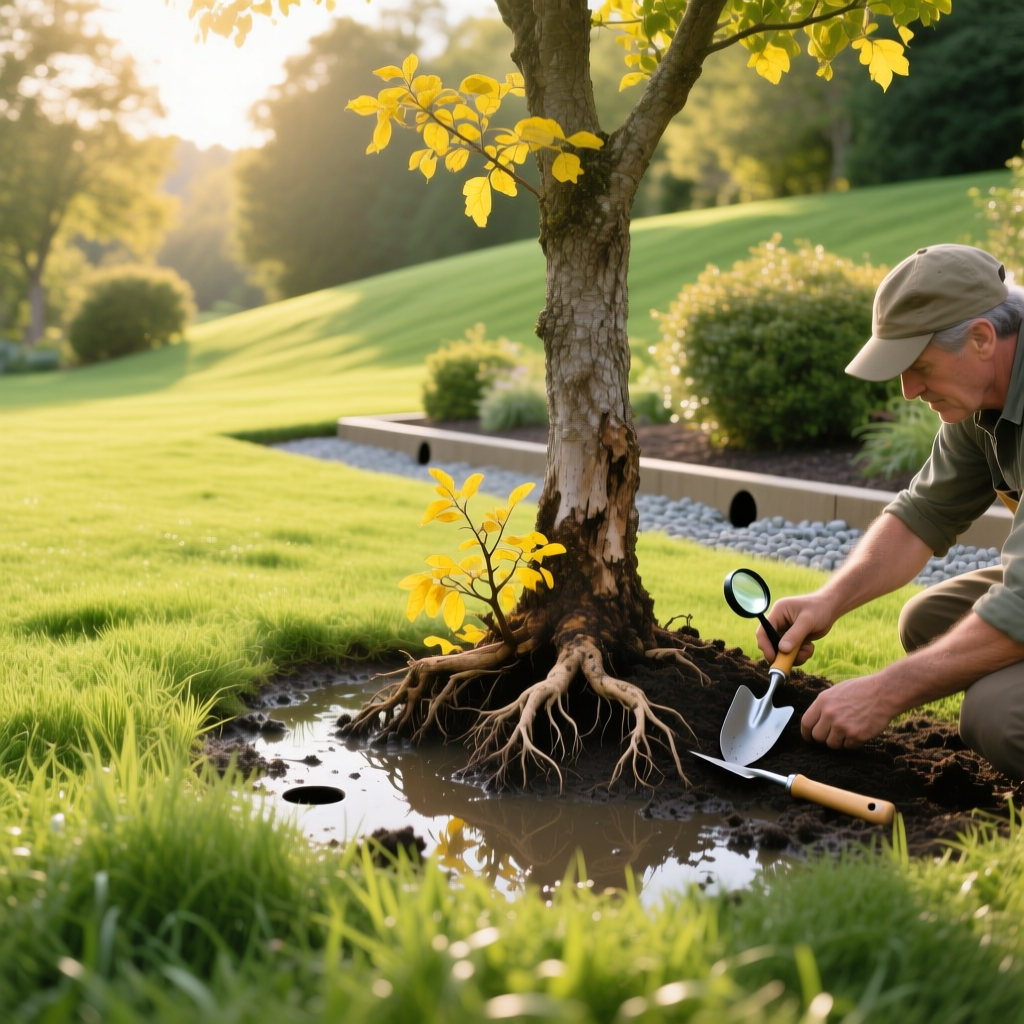
Recognizing & Treating Root Rot in Poorly Drained Landscapes
Sarah ChenPublished
Recognizing & Treating Root Rot in Poorly Drained Landscapes
Root rot is one of the most devastating and widespread problems affecting trees in residential and commercial landscapes. When soil drainage is poor, excess water accumulates around the root zone, creating the perfect environment for destructive fungal pathogens to thrive. Left untreated, root rot can kill even large, established trees within a single growing season. Understanding how to recognize the early warning signs, implement effective treatments, and improve drainage conditions is essential for any property owner or landscape professional committed to long-term tree health.
Unlike many above-ground tree diseases that are immediately visible, root rot operates beneath the surface, often causing significant damage before any symptoms appear in the canopy. This hidden nature makes early detection particularly challenging and underscores the importance of proactive monitoring, especially in landscapes with known drainage issues. In this comprehensive guide, we will explore the causes of root rot, how to identify it, proven treatment strategies, and the critical role that proper tree care and landscape drainage play in prevention.
Understanding Root Rot: Causes, Pathogens & Risk Factors
Root rot is a broad term describing the decay and deterioration of a tree's root system caused primarily by waterborne fungal pathogens. The most common culprits belong to the genera Phytophthora, Pythium, Armillaria, and Rhizoctonia. These organisms are naturally present in most soils but remain dormant or cause minimal harm under normal conditions. It is only when soil becomes saturated for extended periods that these pathogens become aggressive and destructive.
The connection between poor drainage and root rot is straightforward but critical to understand. Tree roots require oxygen to function properly. When soil pores fill with water and remain saturated, oxygen is displaced, and root cells begin to suffocate and die. These weakened, dying roots become highly susceptible to fungal invasion. The pathogens then spread through the root system, destroying vascular tissue that the tree depends on for water and nutrient uptake.
Several factors contribute to poorly drained landscapes and increase root rot risk:
- Compacted soil: Heavy foot traffic, construction activity, and equipment use compress soil particles, reducing pore space and preventing water from percolating downward. Compacted soil is one of the most common causes of drainage problems in residential landscapes.
- Heavy clay soils: Clay particles are extremely fine and pack tightly together, creating naturally slow-draining conditions. Many regions have native clay soils that require amendment before they can support healthy tree root systems.
- Improper grading: Landscapes that slope toward structures or have low-lying areas where water pools create chronic saturation zones that are prime locations for root rot development.
- Over-irrigation: Automated sprinkler systems that deliver too much water or run too frequently keep the root zone perpetually moist, mimicking the effects of poor natural drainage. Proper irrigation and watering practices are essential for both lawn and tree health.
- Thick mulch layers: While mulch provides many benefits, excessive mulch piled against tree trunks (often called "mulch volcanoes") traps moisture against the root flare and creates a humid microenvironment ideal for pathogen growth.
- High water tables: In some regions, the natural water table sits close to the surface, particularly during wet seasons, limiting the depth of well-aerated soil available for root growth.
Certain tree species are more susceptible to root rot than others. Trees that are particularly vulnerable include dogwoods, Japanese maples, birches, spruces, and many ornamental cherries. Conversely, species like bald cypress, river birch, and willows have evolved greater tolerance for wet soil conditions. When planning new plantings in areas with known drainage challenges, consulting with a local tree planting guide can help you select appropriate species and avoid future problems.
Recognizing the Signs & Symptoms of Root Rot
Early detection is the single most important factor in successfully treating root rot. Because the disease begins underground, above-ground symptoms often indicate that significant root damage has already occurred. Learning to read the subtle signals your trees send can mean the difference between saving a valued specimen and losing it entirely.
Above-Ground Symptoms
The canopy often reveals the first visible signs of root rot, though these symptoms can be mistaken for other problems such as drought stress, nutrient deficiency, or insect damage. Key above-ground indicators include:
- Wilting and drooping foliage: Despite moist or wet soil, leaves may wilt, curl, or droop as if the tree is drought-stressed. This paradoxical symptom occurs because the damaged root system can no longer transport water upward, even though water is abundant in the soil.
- Yellowing leaves (chlorosis): Leaves may turn pale green or yellow, starting with older, interior foliage and progressing outward. This chlorosis results from the root system's inability to absorb essential nutrients, particularly nitrogen and iron.
- Premature leaf drop: Trees suffering from root rot often shed leaves earlier than expected, sometimes dropping significant portions of their canopy during the growing season.
- Stunted or slowed growth: Annual growth increments become noticeably shorter. New shoots may be sparse, and leaves may be smaller than normal.
- Branch dieback: Tips of branches begin to die back, starting at the outermost points and progressing inward. In advanced cases, entire scaffold branches may fail.
- Thinning canopy: The overall density of the crown decreases as the tree loses its ability to produce and sustain foliage.
- Fungal fruiting bodies: Mushrooms or conks may appear at the base of the tree, on surface roots, or on the lower trunk. These reproductive structures are a strong indicator of active internal decay. Species of Armillaria produce distinctive honey-colored mushrooms in clusters at the base of infected trees, typically in autumn.
Below-Ground and Trunk Symptoms
Confirming root rot requires examining the root system and lower trunk directly. These inspections provide the most definitive diagnostic evidence:
- Discolored roots: Healthy roots are typically white or light tan on the inside with firm, intact bark. Rotted roots appear dark brown or black, feel soft and mushy, and may slough off their outer layers when touched. The inner tissue of infected roots often has a spongy, stringy texture.
- Foul odor: Severely rotted roots often emit a sour, musty, or putrid smell caused by anaerobic bacteria thriving in the waterlogged, oxygen-depleted environment.
- Cankers at the root flare: Sunken, discolored areas on the lower trunk near the soil line indicate that the rot has progressed from the roots into the trunk tissue. These cankers may ooze dark sap or resin.
- Loose bark: Bark at the base of the tree may become loose and separate easily from the underlying wood, revealing dark, decayed tissue beneath.
- Visible root loss: When excavating around the base of an affected tree, you may find that significant portions of the root system have completely disintegrated, leaving voids in the soil.
If you suspect root rot but are uncertain about the diagnosis, consider sending root and soil samples to a plant diagnostic laboratory for confirmation. Many university extension services and private labs offer this service. Accurate identification of the specific pathogen involved can inform treatment decisions and help you understand the long-term prognosis for the affected tree. For additional help diagnosing tree problems, our common tree diseases guide covers a wide range of ailments that affect landscape trees.
Treatment Strategies for Trees Affected by Root Rot
Once root rot has been confirmed, a multi-pronged treatment approach offers the best chance of saving the tree. The specific strategies you employ will depend on the severity of the infection, the species of tree, and the underlying drainage conditions. It is important to set realistic expectations: trees with extensive root system damage (more than 50 percent loss) may not recover regardless of treatment efforts, and removal may be the safest and most practical option, particularly if the tree poses a hazard to structures or people.
Improving Soil Drainage
The foundation of any root rot treatment is correcting the drainage problem that allowed the disease to develop. Without improved drainage, other treatments will provide only temporary relief. Effective drainage improvement strategies include:
- Aeration: Using an air spade or manual tools to carefully loosen compacted soil around the root zone without causing further damage to existing roots. Vertical mulching, which involves drilling holes in the root zone and filling them with coarse sand or gravel, can also improve water movement through heavy soils.
- French drains and swales: Installing subsurface drainage systems to intercept and redirect excess water away from the root zone. French drains consist of perforated pipes surrounded by gravel and wrapped in filter fabric, buried in trenches that slope away from the tree. For help integrating drainage solutions with your overall landscape design, see our landscape drainage solutions guide.
- Regrading: Modifying the surface contours of the landscape to direct water away from tree root zones. Even subtle changes in grade can dramatically improve surface drainage.
- Raised berms: For new plantings in poorly drained areas, constructing raised planting berms elevates the root ball above the surrounding grade, providing a well-drained root environment even when the surrounding soil remains saturated.
- Soil amendment: Incorporating organic matter such as compost, aged bark, or leaf mold into the soil can improve its structure and drainage capacity over time. However, amending soil around established trees must be done carefully to avoid damaging surface roots or altering the grade around the trunk.
Fungicide Applications
Fungicides can be effective tools in managing root rot, particularly when used in conjunction with drainage improvements. The most commonly used products for root rot treatment include:
- Phosphorous acid (phosphonate) fungicides: Products containing phosphorous acid, such as those with the active ingredient fosetyl-Al, are among the most effective treatments for Phytophthora and Pythium root rot. These fungicides are systemic, meaning they are absorbed by the tree and transported to the roots where they inhibit fungal growth. They can be applied as trunk injections, bark sprays, or soil drenches.
- Biological fungicides: Products containing beneficial microorganisms such as Trichoderma species or the bacterium Bacillus subtilis can help suppress root rot pathogens by competing with them for resources and directly parasitizing fungal hyphae. These biological controls are most effective as preventive treatments or when used in combination with other management strategies.
- Contact fungicides: Soil drenches containing fungicides such as mefenoxam or etridiazole can reduce pathogen populations in the soil. These products are most effective when applied to the root zone before the infection becomes severe.
Timing of fungicide applications is critical. Most products are most effective when applied during periods of active root growth, typically in early spring and early autumn. Always follow label instructions carefully, and consider consulting a certified arborist or plant health care professional for large or high-value trees. Proper seasonal tree maintenance schedules can help you time treatments for maximum effectiveness.
Cultural Practices to Support Recovery
Beyond drainage improvements and fungicide treatments, several cultural practices can help stressed trees recover from root rot:
- Proper mulching: Apply a layer of organic mulch two to four inches deep over the root zone, keeping it at least six inches away from the trunk. Mulch helps regulate soil temperature, retains moderate moisture levels, and gradually improves soil structure as it decomposes. Avoid the common mistake of piling mulch against the trunk.
- Pruning dead and dying branches: Remove branches that have died back due to root damage. This reduces the canopy the diminished root system must support and helps prevent secondary infections by wood-boring insects and opportunistic fungi. Learn proper techniques in our pruning techniques guide.
- Avoiding fertilization during active infection: While it may seem logical to fertilize a struggling tree, applying nitrogen-rich fertilizers to trees with active root rot can actually worsen the problem by stimulating top growth that the damaged root system cannot support. Wait until the tree shows signs of recovery before resuming a balanced fertilization program.
- Reducing irrigation: Cut back on supplemental watering to allow the soil to dry between watering events. Use a soil moisture meter to monitor conditions in the root zone and water only when the top several inches of soil have dried.
- Protecting the root zone: Prevent further compaction by restricting foot traffic, vehicle traffic, and equipment use within the tree's dripline. Install physical barriers if necessary to protect the critical root zone during construction or landscaping projects.
Preventing Root Rot Through Proper Landscape Management
Prevention is always more effective and less costly than treatment. By implementing sound landscape management practices, you can dramatically reduce the risk of root rot developing in your trees. Prevention strategies address both the environmental conditions that favor pathogen activity and the cultural practices that keep trees healthy and resilient.
Site Assessment & Planning
Before planting new trees, conduct a thorough assessment of your site's drainage characteristics. Observe how water moves across the property during and after heavy rain. Identify low spots, areas where water pools, and zones where soil remains soggy for days after precipitation. Dig test holes in potential planting locations and observe how quickly they drain. A hole that holds water for more than 24 hours indicates poorly drained soil that will require amendment or alternative planting strategies.
Choose tree species that are well-adapted to your site conditions. In areas with chronic drainage problems, select species with demonstrated tolerance for wet soils. Alternatively, invest in correcting drainage issues before planting. The upfront cost of installing drainage infrastructure or amending soil is almost always less than the cost of removing and replacing a mature tree that succumbs to root rot.
Proper Planting Techniques
Many root rot problems originate from improper planting practices. Trees planted too deeply, with the root flare buried below grade, are especially vulnerable. The root flare—the area where the trunk widens and transitions into the structural roots—should always be visible at or slightly above the soil surface after planting. Planting holes should be two to three times wider than the root ball but no deeper, ensuring that the tree sits on undisturbed soil and does not settle over time.
When planting in heavy clay or poorly drained soils, consider planting the root ball slightly above grade (one to two inches high) and mounding soil around the edges. This technique, sometimes called "planting high," ensures that the upper portion of the root system remains well-aerated even when surrounding soils are saturated. Our tree planting guide provides step-by-step instructions for proper planting in various soil conditions.
Ongoing Maintenance & Monitoring
Regular monitoring is essential for catching root rot in its earliest stages. Incorporate root zone inspections into your routine lawn and landscape maintenance schedule. Periodically check the base of your trees for signs of fungal fruiting bodies, loose bark, or cankers. Monitor canopy health throughout the growing season, watching for unexplained wilting, yellowing, or dieback that could indicate root problems.
Maintain consistent, appropriate irrigation practices. Overwatering is one of the most common contributors to root rot in managed landscapes. Adjust irrigation schedules seasonally, reducing frequency during cool or wet periods and increasing it during hot, dry spells. Drip irrigation systems that deliver water directly to the root zone are generally preferable to overhead sprinklers for trees, as they allow for more precise water management and keep the trunk and root flare drier.
Keep the root zone healthy by maintaining a layer of organic mulch, avoiding soil compaction, and protecting trees from mechanical damage caused by lawn mowers and string trimmers. Wounds to the lower trunk and surface roots provide entry points for root rot pathogens and other disease-causing organisms. A healthy, vigorous tree with an intact root system and undamaged bark is far more resistant to root rot than a stressed, wounded specimen.
Managing Adjacent Landscape Areas
The health of your trees is closely connected to the condition of the surrounding landscape. Maintaining healthy lawn care practices in areas adjacent to tree root zones helps prevent problems. Avoid applying excessive herbicides or fertilizers near trees, as these products can damage fine feeder roots and increase susceptibility to disease. When aerating and overseeding lawns near trees, use care to avoid damaging surface roots with core aerators or other equipment.
Ensure that gutter downspouts, sump pump outlets, and other sources of concentrated water discharge are directed away from tree root zones. A single downspout can deliver hundreds of gallons of water to a small area during a rainstorm, creating localized saturation that promotes root rot. Extending downspouts and installing splash blocks or underground drain pipes are simple, cost-effective measures that protect both your trees and your home's foundation.
Seasonal Tips for Managing Root Rot Risk
Root rot risk fluctuates throughout the year based on weather patterns, soil moisture levels, and tree growth cycles. Adapting your management approach to seasonal conditions helps you stay ahead of potential problems and time interventions for maximum effectiveness.
Spring
Spring is a critical period for root rot management. As soil temperatures warm and trees break dormancy, root systems become active and begin producing new growth. This is also when root rot pathogens become most active. Monitor soil moisture levels closely during spring, particularly in years with heavy rainfall. This is the ideal time to apply preventive fungicide treatments, as systemic products applied during active root growth are transported most efficiently throughout the tree. Inspect trees for signs of dieback that may have developed over winter, and prune affected branches before the growing season progresses. Spring is also an excellent time to prepare your lawn and landscape for the growing season, including addressing any drainage issues that became apparent during winter rains.
Summer
Summer heat stresses trees already weakened by root rot, as the diminished root system struggles to supply enough water to meet the demands of the full canopy. During hot, dry periods, provide supplemental water to affected trees, but do so carefully—deep, infrequent watering is preferable to frequent light irrigation. Monitor trees for signs of accelerated decline, such as rapid wilting, leaf scorch, or sudden branch drop. Avoid any activities that could further damage the root system, such as trenching, grading, or heavy construction within the dripline. Summer is also a good time to evaluate the effectiveness of drainage improvements installed earlier in the year.
Autumn
Fall is the second major period of root growth for most temperate tree species, making it another important window for fungicide applications and soil treatments. As temperatures cool and rainfall typically increases, soil moisture levels rise, potentially reactivating root rot pathogens. Rake and remove fallen leaves from around the base of trees that have been affected by root rot, as decomposing leaf litter can harbor fungal spores and contribute to excess moisture retention at the soil surface. Fall is an excellent time to install drainage improvements, as cooler temperatures and reduced tree water demand mean that root disturbance from construction activities is less likely to cause additional stress. This is also the ideal season for fall lawn and landscape preparation, including soil testing and amendment.
Winter
While tree growth slows during winter, root rot pathogens can remain active in unfrozen soil. Use the dormant season to plan and implement major drainage improvements, as the ground is typically less saturated and construction equipment is less likely to cause compaction in frozen soil. Inspect trees for structural weaknesses caused by root rot, as compromised root systems increase the risk of tree failure during winter storms. Consult a certified arborist for risk assessments of large trees showing signs of advanced root decay. Winter is also an excellent time to research and order biological fungicides and soil amendments for spring application.
Frequently Asked Questions About Root Rot in Poorly Drained Landscapes
Can a tree recover from root rot once it has been diagnosed?
Yes, trees can recover from root rot if the infection is caught early and aggressive treatment measures are implemented. The key factors determining recovery potential include the percentage of root system affected, the overall health of the tree before infection, the species of tree, and how quickly drainage conditions are corrected. Trees with less than 30 to 40 percent root loss have a good prognosis with proper treatment, including improved drainage, appropriate fungicide applications, and supportive cultural care. However, trees with more than 50 percent root system destruction are unlikely to recover fully and may become safety hazards as structural roots continue to decay. In these cases, removal and replacement with a more suitable species is often the wisest course of action.
How can I test my soil drainage before planting new trees?
A simple percolation test can reveal your soil's drainage characteristics. Dig a hole approximately 12 inches wide and 12 inches deep in the area where you plan to plant. Fill the hole with water and allow it to drain completely, which pre-saturates the soil. Then refill the hole with water and measure how long it takes for the water level to drop. Well-drained soil should drain at a rate of approximately one to six inches per hour. If the water level drops less than one inch per hour, your soil is poorly drained and will require amendment or drainage improvements before planting. If drainage is extremely slow (less than half an inch per hour), consider installing a French drain, building a raised planting berm, or selecting a tree species specifically adapted to wet soil conditions. You can also consult your local extension service for professional soil analysis and recommendations tailored to your region.
Is root rot contagious? Can it spread from one tree to nearby trees?
Yes, root rot can spread between trees, particularly when they are planted close together and share root zones. Pathogens like Phytophthora and Armillaria can move through the soil via water movement, root-to-root contact, and even through natural root grafts that form between adjacent trees of the same species. Armillaria is particularly aggressive, spreading through the soil via thick, black, shoestring-like structures called rhizomorphs that can grow several feet per year through the soil in search of new hosts. To limit the spread of root rot, remove severely infected trees including as much of the root system as possible, improve drainage throughout the affected area, and consider applying preventive fungicide treatments to nearby trees that are still healthy. Creating physical barriers or trenches between infected and healthy trees can also help slow the spread of certain pathogens.
What are the best tree species to plant in areas with poor drainage?
Several tree species have evolved natural tolerance for wet, poorly drained soils and are excellent choices for challenging sites. Among larger shade trees, consider bald cypress (Taxodium distichum), red maple (Acer rubrum), river birch (Betula nigra), sweetgum (Liquidambar styraciflua), and willow oak (Quercus phellos). For smaller ornamental trees, options include willows, American hornbeam (Carpinus caroliniana), and serviceberry (Amelanchier species). Evergreen options for wet sites include dawn redwood (Metasequoia glyptostroboides) and certain arborvitae cultivars. However, even water-tolerant species benefit from improved drainage, and no tree thrives in permanently waterlogged soil. Combining appropriate species selection with basic drainage improvements provides the best long-term results. For more information on choosing the right tree for your landscape, visit our comprehensive tree planting guide.
How much does it cost to treat root rot in a large landscape tree?
The cost of treating root rot varies widely depending on the size of the tree, the severity of the infection, the specific treatments required, and the extent of drainage improvements needed. Fungicide treatments by a professional tree care company typically range from $150 to $500 per application for a large tree, with systemic trunk injections on the higher end of that range. Multiple applications per year may be necessary for several years. Drainage improvements such as French drain installation can cost anywhere from $500 to $5,000 or more, depending on the complexity and length of the system. Soil aeration using an air spade typically costs $300 to $800 per tree. While these expenses may seem significant, they are almost always less than the cost of removing a large tree (which can exceed $2,000 to $5,000 for large specimens near structures) and replacing it with a mature specimen, which can cost several thousand dollars more. For large or historically significant trees, the investment in professional treatment is usually worthwhile. Consult with a certified arborist to obtain a detailed assessment and cost estimate specific to your situation.
Can over-mulching cause root rot even in well-drained soil?
Yes, excessive mulching can contribute to root rot even in soils that are otherwise well drained. When mulch is applied too thickly—more than four inches—or piled against the trunk in volcano-shaped mounds, it creates a persistently moist environment around the root flare and lower trunk that encourages fungal growth and bark decay. Thick mulch layers also shed water unevenly, sometimes preventing rainfall from reaching the root zone while trapping moisture that does penetrate. Over time, the constantly wet bark at the base of the tree breaks down, providing entry points for root rot pathogens and other decay organisms. The correct approach is to apply mulch in a wide, shallow ring two to four inches deep, extending to the dripline if possible, but always keeping mulch at least six inches away from the trunk. The root flare should always be visible and exposed to air. Following proper mulching best practices protects your trees while still providing the moisture retention, temperature moderation, and weed suppression benefits that mulch offers.
Root rot in poorly drained landscapes is a serious but manageable problem. By understanding the causes, learning to recognize the early signs, implementing targeted treatments, and taking proactive steps to improve drainage and overall tree health, you can protect your landscape trees from this destructive disease. Regular monitoring, proper planting practices, and thoughtful landscape management form the foundation of a healthy, resilient tree canopy that will thrive for decades. For more expert guidance on keeping your entire landscape healthy, explore our complete library of tree care resources and lawn care guides.
