Tree Care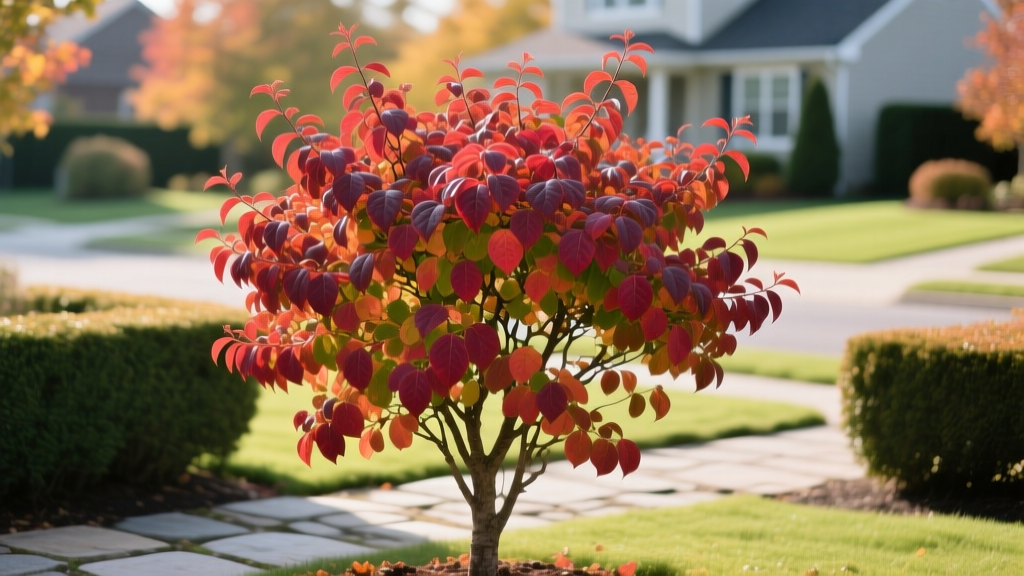
When to Trim Burning Bushes: A Regional Seasonal Calendar Guide
The Phenology of Euonymus Alatus: Why Timing is Everything
The burning bush (Euonymus alatus) is prized for its explosive crimson autumn foliage and distinctive corky winged stems. However, answering the question of when to trim burning bushes requires more than a generic 'spring' recommendation. The timing must align with the plant's phenology—its biological response to seasonal climate shifts—and your specific regional hardiness zone.
Pruning too early in winter risks dieback from late freezes, as the open wounds cannot compartmentalize (a process known as the CODIT model) until sap begins to flow. Pruning too late in spring removes the current season's growth, drastically reducing the leaf surface area required to produce the anthocyanin pigments responsible for the signature red fall color. Furthermore, mistimed pruning can expose fresh cuts to the Euonymus scale (Unaspis euonymi) during its vulnerable crawler stage.
According to the Morton Arboretum, the optimal window for structural pruning of deciduous shrubs is late winter to early spring, just before the buds break dormancy but after the threat of severe hard freezes has passed. For burning bushes, this translates to a highly specific, region-dependent calendar.
Regional Pruning Calendar by USDA Hardiness Zone
Burning bushes thrive in USDA Zones 4 through 8. Because the onset of spring varies by up to eight weeks between northern and southern extremes of this range, you must use local phenological cues rather than strict calendar dates to determine your pruning window.
| USDA Zone | Typical Pruning Window | Phenological Cue | Primary Risk Factor |
|---|---|---|---|
| Zones 4 & 5 | Mid-April to Early May | Lilac buds begin to swell; Forsythia finishes blooming | Late spring frost damaging exposed cambium |
| Zones 6 & 7 | Mid-March to Mid-April | Red maple flowers drop; Forsythia reaches peak bloom | Euonymus scale crawler emergence |
| Zones 8 & 9 | Late February to Mid-March | Complete leaf drop of previous season; before first spring flush | Early heat stress on unhealed pruning wounds |
Northern Climates (Zones 4 & 5)
In states like Minnesota, Wisconsin, and Maine, winter dormancy extends deep into April. Wait until the soil temperature consistently reaches 40°F at a 4-inch depth. Pruning in February or March here will result in severe desiccation of the cut stems due to harsh, dry winter winds. Target the window just as local Forsythia shrubs drop their yellow petals.
Transitional Climates (Zones 6 & 7)
For homeowners in New York, Pennsylvania, and North Carolina, mid-March to mid-April is the sweet spot. The primary concern here is pest timing. The University of Maryland Extension notes that Euonymus scale crawlers typically emerge when local growing degree days (GDD) reach 300 to 500, which often coincides with late April. Completing your pruning and applying a dormant horticultural oil before this GDD threshold is critical to prevent scale insects from colonizing fresh cuts.
Southern Extent (Zones 8 & 9)
In the warmer fringes of the burning bush's range, such as South Carolina and northern Georgia, the shrub may exhibit semi-evergreen tendencies, holding onto leaves well into winter. You must wait for the plant to fully drop its leaves and enter true dormancy before executing major cuts, usually in late February. Pruning while the plant is still actively transpiring will trigger a weak, spindly secondary flush that will fail to color properly in the fall.
Rejuvenation vs. Maintenance: Choosing the Right Cut
Understanding when to trim is only half the battle; knowing how much to trim dictates the shrub's recovery timeline. Burning bushes respond to two distinct pruning methodologies, both of which must be executed during the dormant windows outlined above.
⚠️ WARNING: The Rejuvenation Tax
Hard rejuvenation pruning (cutting the entire shrub down to 6-12 inches) will sacrifice your fall color display for the current year and likely the following year. The plant will divert all energy into vegetative regrowth rather than anthocyanin production. Only perform rejuvenation pruning on severely overgrown, leggy, or scale-infested specimens, and do it in early spring to maximize the growing season recovery time.
The 3-Year Renewal Method (Recommended)
Instead of a hard chop, use the renewal method to maintain annual fall color while gradually reducing the shrub's size. During your regional pruning window, identify the oldest, thickest canes (usually gray and heavily textured). Cut 1/3 of these oldest canes completely to the ground level. Repeat this process over three consecutive springs. This preserves the younger, brightly colored wood while stimulating new basal growth.
Tool Selection and Sanitation Protocols
Burning bush wood is dense and features prominent corky ridges that can quickly dull inferior blades. Using the correct tools ensures clean cuts that heal rapidly, reducing the risk of Nectria canker.
- Bypass Pruners: Use high-carbon steel bypass pruners (like the Felco 2 or ARS VS-8R) for stems up to 3/4 inch in diameter. Never use anvil pruners, as they crush the vascular tissue of the corky wings.
- Loppers: For canes between 1 inch and 2 inches, use geared loppers (such as the Fiskars 28-inch PowerGear) to generate the necessary torque without tearing the bark.
- Sanitization: Wipe blades with 70% isopropyl alcohol between every single shrub. A 10% bleach solution is often recommended, but it corrodes high-carbon steel blades and degrades the Teflon coatings found on modern premium pruners.
Step-by-Step Execution for Maximum Fall Color
Follow this exact sequence during your regional pruning window to optimize light penetration, which is the primary environmental trigger for red leaf pigmentation.
- Remove the 3 Ds: Cut out all dead, diseased, and damaged wood first. Make cuts 1/4 inch above healthy, outward-facing buds.
- Eliminate Crossing Branches: Burning bushes naturally develop a dense, twiggy interior. Remove branches that rub against each other to prevent bark wounds that invite fungal pathogens.
- Thin the Canopy: Remove up to 15% of the inner, spindly twigs. This allows sunlight to reach the inner leaves. Shaded inner leaves remain green and drop early, creating a hollow-looking shrub in autumn.
- Reduce Height (Optional): If the shrub is blocking sightlines, make heading cuts on the tallest leaders. Always cut at a 45-degree angle, sloping away from the bud to shed water.
Frequently Asked Questions
Can I trim my burning bush in the summer?
No. Summer pruning stimulates late-season vegetative growth that will not have time to harden off before winter, leading to severe frost damage. Furthermore, summer cuts bleed sap heavily and attract Euonymus caterpillars and scale insects that are highly active from June through August.
Why didn't my burning bush turn red last fall?
While improper pruning can reduce color, the most common cause is insufficient sunlight or excess nitrogen fertilizer. Burning bushes require a minimum of 6 hours of direct, unfiltered sunlight to synthesize anthocyanins. If you pruned correctly but the plant stays pink or green, evaluate its light exposure and stop applying high-nitrogen lawn fertilizers near its root zone.
How do I dispose of the pruned branches?
Because burning bushes are highly susceptible to scale and powdery mildew, do not compost the pruned material. The USDA and local extension offices recommend bagging and disposing of diseased Euonymus trimmings in municipal yard waste to prevent the overwintering of pests in your compost pile.